

Taking a trip with your feline friend can seem completely overwhelming at first glance. If you are wondering how to travel with a cat on a plane, you are definitely in the right place. This guide is incredibly important for ensuring safe, comfortable, and totally stress-free travel for both you and your pet.

While we primarily focus on air travel, these core principles apply nicely to car rides and public transportation. Safety, unmatched comfort, and thorough preparation are the absolute keys to a successful journey. We will cover the essential steps, specific airline rules, and a highly practical checklist for your upcoming trip.
Our goal is to give you total peace of mind before you ever set foot in an airport. With a solid plan, your furry companion will be a seasoned traveler in no time.
Is It Safe to Travel With a Cat on a Plane?
Yes, it can be wonderfully safe to fly with your pet, provided conditions are optimal, and you prepare correctly. Safety always depends on your specific cat’s health, temperament, and the exact travel method chosen. The cabin is generally much safer than the cargo hold, allowing you to monitor your companion directly.
However, air travel does introduce certain risks like elevated stress, unexpected temperature changes, or frustrating flight delays. Emphasizing proper preparation and meticulous planning reduces these risks significantly. Utilizing a crash-tested, airline-approved carrier along with the right comfort setup makes a huge difference.
Following all airline rules closely ensures your pet remains secure from takeoff to touchdown. Rest assured that a perfectly safe and smooth journey is entirely possible when you take the correct preliminary steps.
Rules & Regulations
Airline rules strictly dictate pet carrier dimensions, maximum weight limits, and booking requirements. You must always purchase a specific pet ticket or cabin reservation well before your departure date. Most airlines require a recent health certificate and proof of up-to-date vaccinations from a licensed veterinarian.
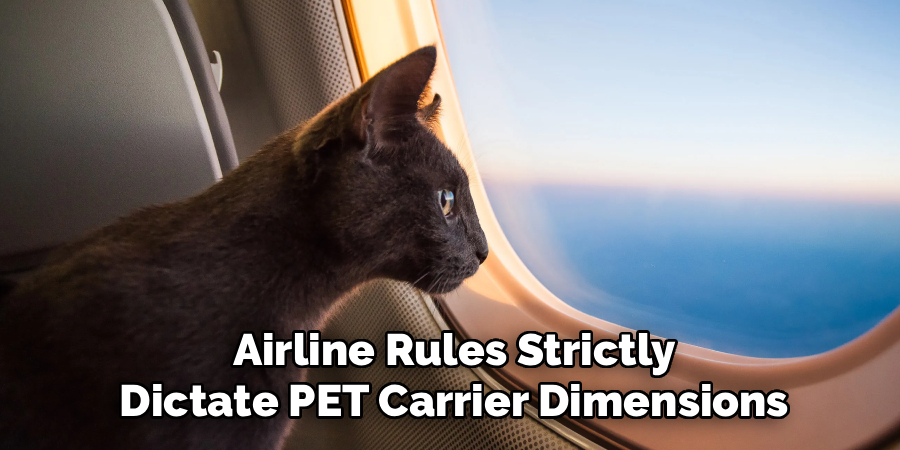
If you are planning an international journey, the regulations become significantly more complex. You will need to navigate strict import and export laws, potential quarantine requirements, and highly specific country regulations. These rules vary drastically depending on the airline and your final destination, so verifying them early is crucial.
Arriving at the airport with missing documents will likely result in immediate travel denial. Always verify the most current requirements directly with your chosen airline and the destination country’s embassy to guarantee smooth boarding.
Best Time / Weather Considerations
The absolute best time to fly largely depends on the specific climate and your destination’s seasonal conditions. Extreme heat or cold can be highly risky for pets, especially during transit to and from the terminal. We strongly suggest traveling during mild weather, with early morning or late evening flights being the preferred choices.
You should always try to avoid peak summer heat, severe winter storms, or any extreme weather conditions that might cause delays. Seasonal changes can directly affect cabin temperature, altering your pet’s overall comfort and safety during the flight. Checking the detailed weather forecast a few days before your departure is a vital planning step.
Simple safety advice includes prioritizing proper carrier ventilation and keeping hydration top of mind during those temperature shifts. A comfortable climate makes the entire transportation process substantially less stressful for your feline companion.
How to Prepare Before Travel
Starting your preparation a few weeks before your trip allows for incredibly smooth and stress-free planning. You should meticulously check all travel rules and carrier requirements for the specific airline you booked. Scheduling a timely visit to your vet is necessary for a comprehensive health check and acquiring mandatory travel documents.
Arrange your airline-approved carrier, sturdy harness, and proper safety equipment well in advance of packing day. You will need to gather essentials like familiar food, a collapsible water bowl, required medication, and soothing comfort items. Ensure your pet’s ID tags are fully updated and securely attached to their collar or harness.
Let your pet get totally familiar with the carrier by leaving it open in your living room to greatly reduce travel anxiety. Finally, confirm your flight bookings and keep emergency vet contacts readily available on your phone.
5 Essential Steps on How to Travel With a Cat on a Plane:
Step 1: Acclimate Your Pet to the Carrier
Introducing your feline to their travel carrier is the foundational step for any successful journey. You want to make this space feel like a safe, highly inviting sanctuary rather than a terrifying trap. Start by placing the open carrier in a favorite sunbeam with a familiar blanket and some high-value treats inside. Allow them to explore the space entirely on their own terms without forcing them inside and closing the door abruptly. Gradually increasing their time spent inside the zipped carrier will build massive confidence. This slow, steady acclimation process drastically reduces anxiety when the airport day finally arrives.
Step 2: Complete the Veterinary Health Requirements
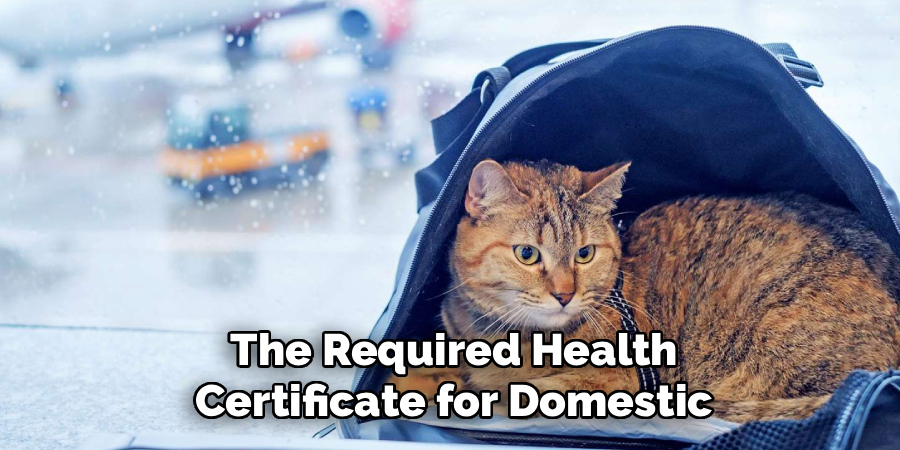
Securing the proper medical clearance is an absolutely mandatory part of the travel process. You must schedule an appointment with your veterinarian relatively close to your departure date to meet specific airline timeframes. The vet will conduct a thorough physical exam and issue the required health certificate for domestic or international transit. This is also the perfect time to discuss prescription anti-anxiety medications or natural calming supplements for highly nervous pets. Ensure all core vaccinations, especially rabies, are completely up to date and documented properly. Having these health records flawlessly organized prevents any devastating rejections at the ticket counter.
Step 3: Pack the Essential Travel Gear
Gathering the correct supplies ensures you are totally prepared for any situation during the transportation phase. You need to pack a streamlined bag that includes a collapsible silicone water bowl and a small portion of familiar dry food. Including an extra layer of absorbent pee pads inside the carrier is a brilliant strategy for unexpected accidents. Bring along a secure, well-fitting harness and a reliable leash for the mandatory TSA security screening process. Keeping a few of their absolute favorite treats readily accessible helps reward calm behavior in the loud terminal. Smart, highly intentional packing keeps the journey comfortable without weighing you down.
Step 4: Navigate the Airport Security Screening
Moving through the loud, bustling airport security checkpoint is often the most stressful part of the entire itinerary. You will be required to remove your pet from its carrier so the bag can confidently pass through the X-ray machine. Having your cat securely fastened in a snug harness and leash prevents any dangerous escapes in the crowded security area. Carry your pet firmly but gently in your arms as you walk through the standard metal detector together. Once you are safely on the other side, promptly return them to their cozy carrier and secure the zippers. Remaining calm and confident during this chaotic process helps your companion feel infinitely more secure.
Step 5: Manage Comfort During the Flight
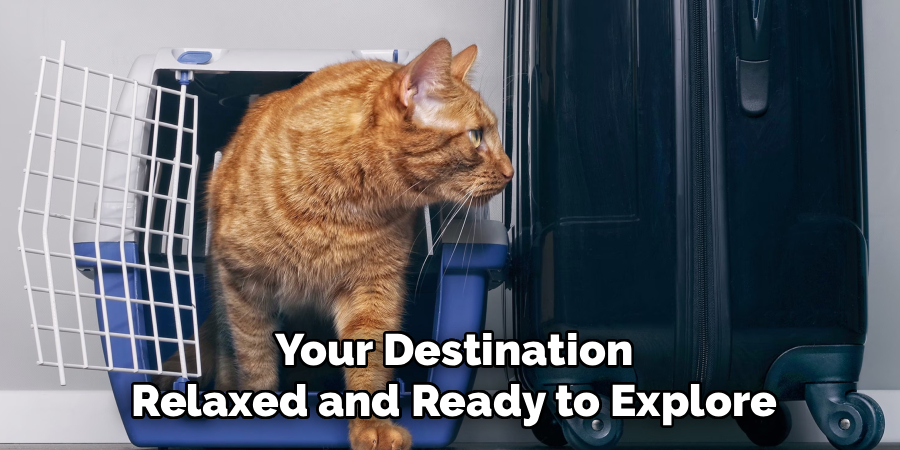
Keeping your pet calm and comfortable while airborne requires your dedicated attention and gentle reassurance. The carrier must remain completely stowed under the seat in front of you for the entire duration of the flight. You can occasionally drop a few treats through the top opening to reward quiet behavior and provide minor hydration. Speaking to them in a soft, exceptionally warm tone helps mask the frightening sounds of the jet engines. Avoid opening the carrier door fully, as a panicked feline can quickly dart into the cramped airplane aisle. Consistent, quiet companionship ensures you both arrive at your destination relaxed and ready to explore.
Comfort, Stress & Packing Tips
Comfort and stress management are undeniably the most important elements during any long travel day. Your pet should be kept in a highly secure, familiar, and exceptionally comfortable setup from start to finish. Utilizing a proper soft-sided carrier with plush bedding and excellent mesh ventilation maximizes their physical comfort.
We highly suggest keeping favorite items like an unwashed t-shirt or a beloved toy inside to drastically reduce stress. Smooth packing requires excellent space optimization, so focus on bringing highly functional items rather than bulky extras. Avoiding overpacking ensures you only carry the absolute essentials, making moving through the airport much easier.
Maintaining a totally calm environment during travel directly influences your pet’s mood and behavior. Prioritize hydration and perform regular visual checks during long journeys to ensure they remain relaxed and happy.
Safety & Emergency Tips
Keeping safety as the ultimate top priority during travel protects your pet from unexpected harm. You must use secure carriers and ensure zippers are fully locked, as cats are notorious escape artists. Advise yourself to keep emergency contact numbers and local vet details for your destination readily programmed into your phone.
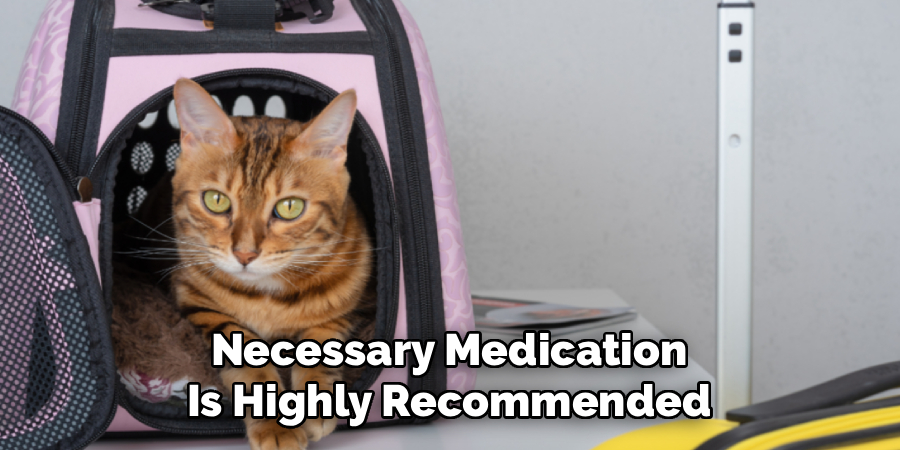
Monitor your pet regularly during the journey to catch any sudden signs of physical distress or overheating. Carrying basic emergency supplies like a pet first aid kit, extra water, and necessary medication is highly recommended. You must always be prepared for unexpected flight delays, abrupt weather changes, or sudden itinerary cancellations.
Staying completely calm and acting quickly if any problem occurs will keep the situation totally manageable. Practical preparation essentially acts as your best defense against any unforeseen travel emergencies.
Common Mistakes to Avoid
A massive mistake many travelers make is not checking specific airline rules well in advance. Ignoring mandatory health checks, required vaccinations, or specific documentation will absolutely ruin your itinerary. Attempting to use an unsafe, hard-sided crate that does not fit under an airplane seat is a critical error.
You should also fiercely warn against overfeeding or underfeeding your pet right before a long flight. Not preparing your companion for the carrier weeks in advance almost guarantees a highly stressful, vocal journey. Leaving out vital essentials like a travel water bowl or daily medication is a recipe for disaster.
Ignoring severe weather conditions or booking flights during peak heat can put your pet’s health at serious risk. Poor planning and last-minute booking issues are easily avoided by organizing your trip a month ahead.
Travel Essentials Checklist
A comprehensive checklist ensures you never leave key essential items behind on travel day. The most important item is an airline-approved, well-ventilated carrier or transport bag. You must also pack a small bag of their regular food, a water bottle, and collapsible feeding supplies for the journey.
Essential documents like their physical ID, signed health certificate, and any required international permits must be kept in a secure folder. Do not forget a basic medical kit or any specific daily medication your vet prescribed. Adding comfort items like a soft blanket or a familiar toy creates a soothing environment.
Including a few backup waste bags, extra pee pads, and pet-safe cleaning wipes is highly recommended for inevitable messes. Keep this checklist simple, highly practical, and easy to follow as your departure date approaches.
Frequently Asked Questions
Do all airlines allow pets in the cabin?
No, not all airlines permit pets to fly in the passenger cabin. Many budget airlines completely restrict pet travel, while others have strict limits on how many animals are allowed per flight. You must confirm the airline’s specific pet policy before purchasing your ticket.
Where can I find official rules on how to travel with a cat on a plane?
You can find the most accurate and up-to-date guidelines directly on your chosen airline’s official website. Additionally, checking with the TSA website provides exact details regarding the security screening process for pets. Always rely on official sources for safety.
Should I sedate my pet before flying?
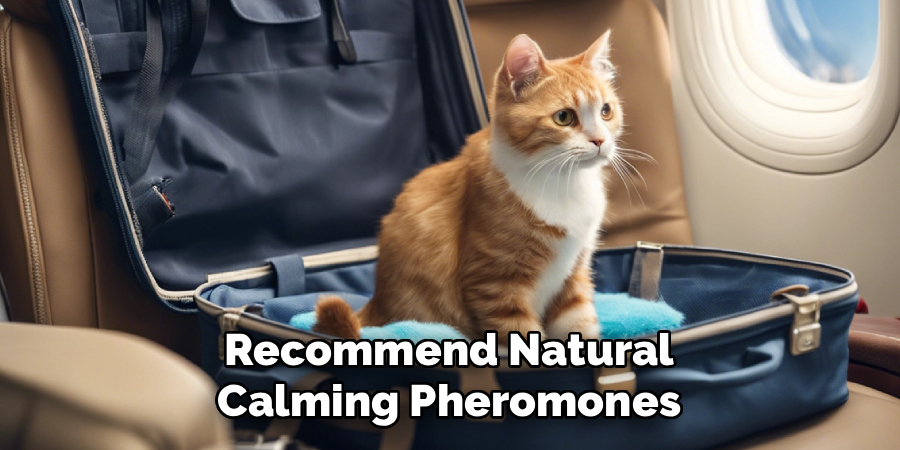
Veterinarians generally strongly advise against fully sedating pets for air travel due to unpredictable respiratory risks at high altitudes. Instead, many vets prescribe mild anti-anxiety medications or recommend natural calming pheromones. Always consult your vet for the safest option.
Conclusion
Learning how to travel with a cat on a plane requires a bit of patience and a lot of preparation. We have thoroughly covered the critical importance of early planning, gathering correct documentation, and mastering the airport security process. Safety, supreme comfort, and meticulously following airline rules are the pillars of a successful trip.
Different transportation methods definitely require distinct types of care, but a sturdy carrier remains universally important. We strongly encourage you to always double-check current regulations and prepare your supplies weeks in advance. Safe, incredibly enjoyable travel with your favorite feline is absolutely possible when you follow these right steps.

About
Ethan Brooks is a dedicated travel writer and tourism specialist with over a decade of experience exploring more than 150 countries. His professional focus centers on city routes and budget travel, where he combines real-world travel insights with efficient planning strategies.
Ethan is known for creating smart, well-structured travel systems that are practical, cost-effective, and easy to follow. As a core author at thetraveliy.com, he helps both first-time travelers and experienced explorers plan smooth, confident journeys.
Education
The University of Queensland (Australia) Bachelor’s Degree in Tourism Management
-
Focus: Global tourism systems, destination planning, and travel operations.
-
Specialization: Gained practical knowledge in travel logistics, itinerary development, and tourism industry structures.
Publications and Impact
At thetraveliy.com, Ethan Brooks publishes clear, structured, and experience-driven content focused on:
-
Transportation Logistics: Navigating complex transit systems with ease.
-
Itinerary Planning: Creating time-efficient schedules for any destination.
-
Budget-Friendly Solutions: Maximizing value without sacrificing the experience.
Ethan’s work simplifies complex travel decisions, making it easier for readers to plan efficient and affordable trips. By blending practical advice with real-world experience, he helps travelers create well-organized journeys while saving both time and money.