

Welcome to the beautiful southern region of Italy, known for its stunning coastline and charming villages. Understanding how to travel around Puglia is the key to unlocking a stress-free and unforgettable Italian vacation.
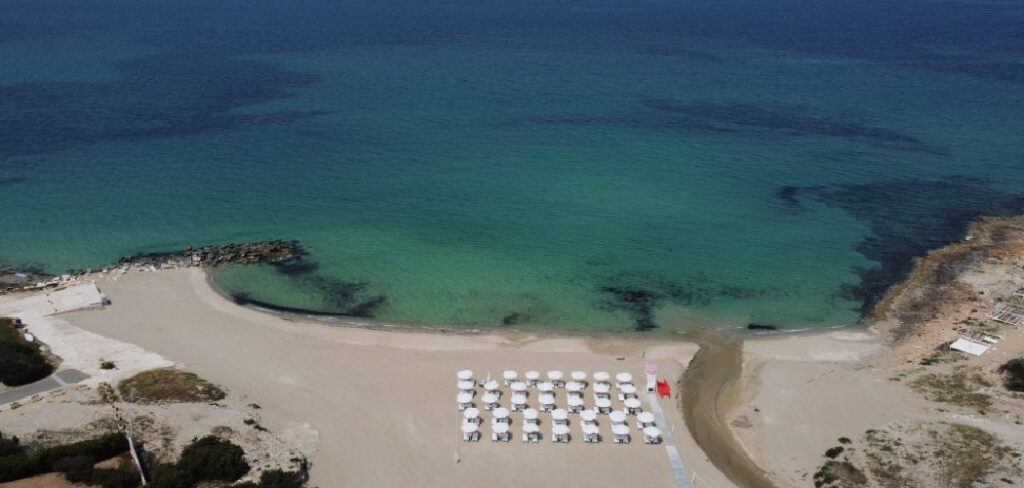
Proper travel planning saves you valuable time and keeps your budget on track. You avoid the confusion of navigating unfamiliar train schedules or local bus routes. In this guide, you will learn everything from transport options and costs to essential travel tips. Getting around locally usually involves a mix of regional trains, buses, and rental cars. Picture yourself cruising past endless olive groves with absolute confidence.
Best Time to Visit & Seasonal Weather
The best months to explore this beautiful region are May, June, September, and October. During these shoulder seasons, the weather is wonderfully warm without the intense heat of mid-summer. Summer brings high temperatures, plenty of sunshine, and peak tourist crowds to the beaches. Winter is quite mild but can be rainy, meaning fewer crowds and lower prices. Budget travelers might prefer the late autumn or early spring for the best accommodation deals. Sightseers will enjoy the pleasant spring temperatures, while adventure seekers love the summer water sports. You might even catch lively local food festivals if you visit during the autumn harvest season.
Visa & Entry Requirements for Tourists
Italy is part of the Schengen Area, which means many tourists can enjoy visa-free entry for short stays. Citizens from the USA, Canada, Australia, and the UK can visit visa-free for up to 90 days. You must ensure your passport is valid for at least six months beyond your planned departure date. Border officials may ask to see a return ticket and proof of your hotel booking. You might also need to show proof of sufficient funds for your stay. The immigration check process is generally quick and straightforward at major Italian airports. Always check for any updated special rules or electronic travel authorization requirements before your trip.
Travel Requirements
Carrying your physical passport and a valid ID is always essential when moving between Italian cities. Health requirements are currently standard, but checking for any updated vaccination guidelines is a smart move. Purchasing comprehensive travel insurance is highly recommended to cover any unexpected medical emergencies or trip cancellations. You should always have your onward or return ticket easily accessible on your phone or printed out. Having printed proof of your accommodation helps smooth out the check-in process at local hotels. Keep a mix of cash and credit cards as financial proof and for daily convenience. Make sure to review standard European customs rules regarding luggage restrictions and restricted items.
How to Get There
Most international travelers arrive through either Bari Karol Wojtyła Airport or Brindisi Airport. You can easily reach this region by taking a connecting flight from major hubs like Rome or Milan. High-speed rail lines also connect Rome and Naples directly to major Apulian cities. The train journey from Rome to Bari takes roughly four hours and offers scenic views. Long-distance buses are available, though they take significantly longer than flying or taking the train. Ferries regularly arrive in Bari and Brindisi from Greece and other Mediterranean ports. A glance at a digital map will show how seamlessly these entry points connect to the rest of the region.
6 Simple Steps to How to Travel Around Puglia
Step 1: Arrive and Assess Your Route
Your journey begins the moment you land at the airport or arrive at the central train station. Take a few minutes to review your itinerary and decide on your primary mode of transportation. Regional trains connect major cities, while buses reach smaller, rural villages. Average costs for airport transfers range from budget-friendly bus tickets to mid-range taxi fares. This step is best for travelers who want to orient themselves before rushing to their hotel. Taking a moment to breathe and check your map sets a calm tone for the trip.
Step 2: Utilize the Regional Train Network
Trenitalia operates an extensive and reliable regional train network across the eastern coastline. This is a highly comfortable and scenic way to move between major hubs like Bari, Lecce, and Monopoli. Travel times are generally short, with most intercity journeys taking less than two hours. Tickets are incredibly budget-friendly, often costing only a few euros for shorter distances. Trains run frequently throughout the day, making this option highly flexible for spontaneous explorers. This option is perfect for travelers who want comfort without spending a fortune on private transfers. Remember to validate your physical paper ticket at the platform machines before boarding.
Step 3: Rent a Car for Rural Exploration
Renting a car offers the ultimate freedom to explore hidden beaches and inland olive farms. You can pick up a rental vehicle directly from the airports in Bari or Brindisi. Travel time is entirely up to you, though driving between rural towns usually takes under an hour. Costs fall into the mid-range to high category, especially when factoring in fuel and parking. The comfort level is very high, as you control the air conditioning and your schedule. This step is best for confident drivers and families wanting to visit off-the-beaten-path locations. Always check if your accommodation offers dedicated parking, as street parking in historic centers is restricted.
Step 4: Ride the Local Buses
Local and regional buses fill the gaps where the train network does not reach. Companies like Ferrovie del Sud Est provide essential links to smaller inland villages like Alberobello. The travel time is longer than driving, as buses make frequent stops along the route. However, the cost is extremely low, making it the top choice for strict budget travelers. Comfort levels are medium, as buses can get crowded during the peak summer months. Schedules can be limited on Sundays and public holidays, so planning is required. Buying tickets at local tobacco shops before boarding will save you time and hassle.
Step 5: Hire a Private Transfer or Taxi
Private transfers offer a stress-free, door-to-door service between airports, hotels, and tourist sites. You can pre-book these services online or arrange them through your hotel concierge. Travel time is very efficient, as drivers know the quickest local routes and avoid heavy traffic. This is a higher-cost option, best suited for luxury travelers or larger groups splitting the fare. The comfort level is exceptional, often featuring spacious vehicles with premium air conditioning. Availability is highly flexible, provided you book your ride a day or two in advance. This is the ideal choice if you are carrying heavy luggage and want absolute convenience.
Step 6: Explore Coastal Towns by Ferry or Boat
Taking a boat tour or local ferry is a fantastic way to view the dramatic coastline. While not a primary mode of point-to-point transit, it is perfect for daytime sightseeing. Travel time varies from one-hour quick trips to full-day excursions along the Adriatic Sea. Costs range from mid-range shared tours to expensive private yacht charters. The comfort level is generally high, offering fresh sea breezes and spectacular panoramic views. This option is best for couples and sightseers wanting a unique perspective of the seaside cliffs. Always bring plenty of sunscreen and a light jacket, as the sea breeze can be surprisingly cool.
Pros and Cons of Each Travel Option
Every transportation method in this region has its own advantages and disadvantages. Trains offer incredible speed, convenience, and affordability, but they do not reach every small town. Renting a car provides unmatched flexibility and comfort, but driving in historic centers can be stressful and parking is expensive. Buses are fantastic for budget travelers, yet their limited Sunday schedules can cause frustrating delays. Private transfers deliver luxury and reliability, though they cost significantly more than public transit. Reviewing these factors helps you choose the method that best matches your personal travel style.
Best Way to Travel
The absolute best overall travel option is renting a car for the duration of your trip. Having a vehicle strikes the perfect balance of time efficiency, comfort, and ultimate freedom. You can reliably visit remote beaches and countryside farmhouses that public transit simply cannot reach. While trains are great for city-hopping, a car accommodates the average traveler’s desire to explore hidden gems. The convenience of keeping your luggage secure in the trunk while you sightsee is a major benefit. It takes the stress out of matching your schedule to limited rural bus timetables.
Top Attractions & Must-Visit Places
- Alberobello: Famous for its unique, cone-shaped Trulli houses that look like a fairytale village.
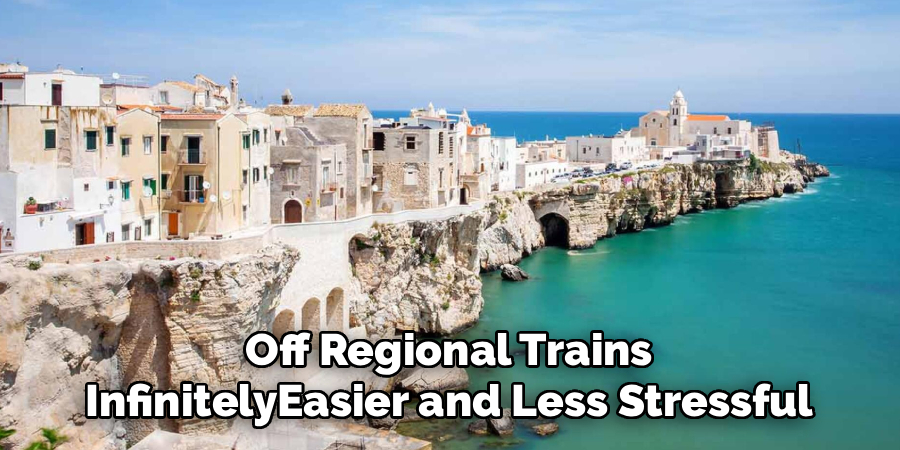
- Polignano a Mare: A spectacular coastal town featuring houses perched on dramatic limestone cliffs.
- Lecce: Often called the Florence of the South, this city is renowned for its stunning Baroque architecture.
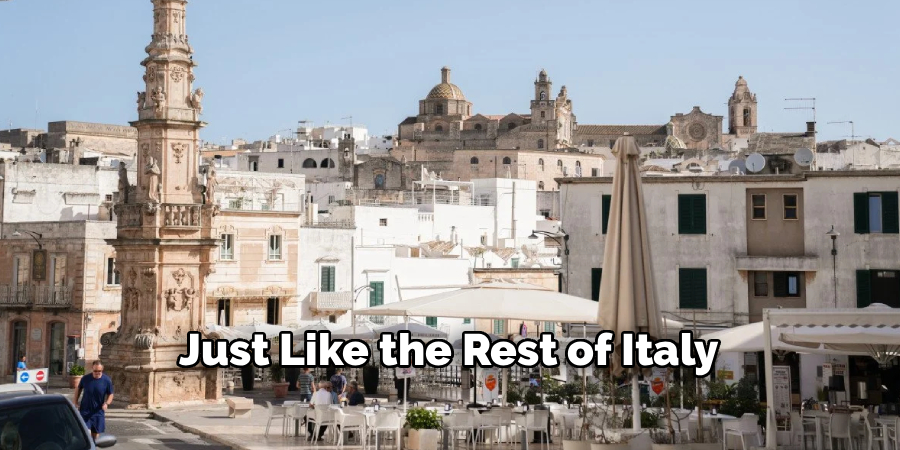
- Ostuni: Known as the White City, it offers a maze of charming alleys and sweeping ocean views.
- Gargano National Park: A beautiful nature reserve perfect for hiking, camping, and exploring lush forests.
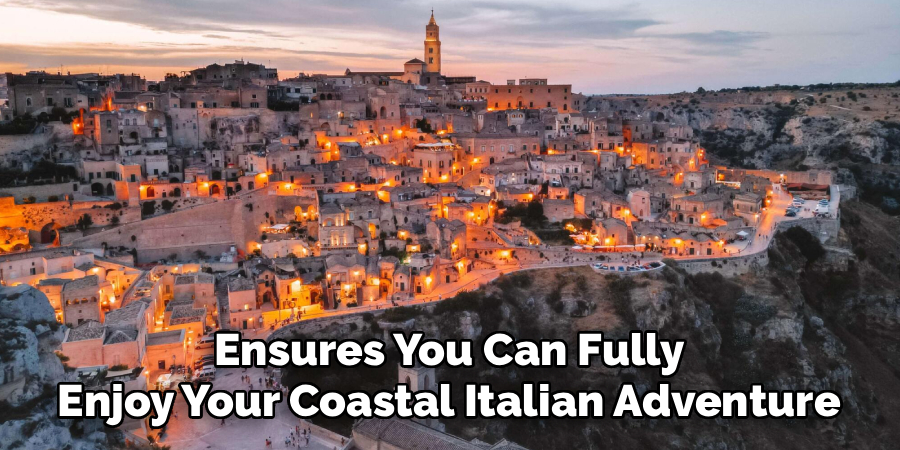
- Matera: Though technically just outside the region, these ancient cave dwellings are a must-see detour.
Best Areas to Stay / Accommodation
Bari is a highly convenient base for first-time visitors, offering great transport links and a vibrant old town. For a luxury coastal experience, Polignano a Mare provides high-end boutique hotels with stunning sea views. Budget travelers and backpackers will find excellent, affordable hostels and guesthouses scattered throughout Lecce. Staying in a traditional masseria (fortified farmhouse) near Ostuni offers a peaceful, mid-range countryside retreat. Families often prefer the quiet beach resorts located further south in the Salento area. Ensure your chosen neighborhood has easy access to train stations or secure parking if you are driving.
Food & Local Cuisine
The local cuisine is a celebration of fresh, rustic ingredients and incredible seafood. First-time visitors absolutely must try orecchiette, the famous ear-shaped pasta traditionally served with broccoli rabe. Street food lovers should grab a panzerotto, a delicious fried dough pocket stuffed with tomato and mozzarella. The flavors are bright and simple, relying heavily on the region’s world-class olive oil. A typical meal in a local trattoria is very reasonably priced and fits perfectly into a mid-range budget. Vegetarians will find plenty of amazing options, as the local diet is naturally rich in fresh vegetables.
Travel Cost & Time
Traveling here is generally more affordable than visiting northern Italian hotspots like Rome or Venice. A budget traveler can expect to spend around fifty to seventy euros per day on hostels and street food. Mid-range travelers will spend closer to one hundred and fifty euros for nice hotels and sit-down dinners. Taking the train between major cities like Bari and Lecce usually takes under two hours and costs very little. Driving takes a similar amount of time but adds the daily cost of a rental car and fuel. Traveling during the peak summer months will significantly increase both your accommodation costs and travel times due to traffic.
Estimated Budget & Money-Saving Tips
A comfortable one-week trip usually requires an estimated budget of roughly eight hundred to one thousand euros per person. You should allocate the largest portions of this budget to your accommodation and your rental car. To save money, consider traveling during the shoulder season when hotel prices drastically drop. Utilizing the regional train network instead of hiring private drivers will keep your transport costs very low. You can also save on food by buying fresh produce at local markets for lunch. Look into regional tourist passes if you plan on visiting multiple museums and historical sites.
Currency & Money Management
The official local currency is the Euro, just like the rest of Italy. Having a basic understanding of the current exchange rate will help you track your daily spending. Credit and debit cards are widely accepted in most hotels, restaurants, and larger retail stores. However, you should always carry a small amount of cash for purchasing items at rural markets or small cafes. ATMs are easily accessible in all major towns and cities. To avoid excessive bank fees, use a travel card that offers zero foreign transaction charges and decline dynamic currency conversion at the terminal.
Connectivity: SIM Cards & Essential Travel Apps
You can easily purchase a local prepaid SIM card at the airport or in dedicated telecom shops in major cities. Major providers like TIM, Vodafone, and WindTre offer excellent coverage across the entire region. These data plans are usually very affordable and provide plenty of high-speed data for a month of travel. If your phone supports it, downloading an eSIM before you arrive is the most convenient option. You will need to show your passport to register a physical SIM card in-store. Be sure to download offline maps and translation apps to help navigate areas with weak rural signals.
Language & Local Etiquette
Italian is the primary language spoken everywhere, with various unique regional dialects heard in smaller villages. Basic English is commonly understood in major tourist areas, hotels, and popular restaurants. Learning a few polite phrases like “buongiorno” (good morning) and “grazie” (thank you) goes a long way with the locals. Italians appreciate a neat appearance, so avoid wearing beachwear when walking through town centers. When visiting churches, ensure your shoulders and knees are respectfully covered. Tipping is not strictly required, but leaving a few extra euros for excellent service is always appreciated.
Travel Tips
Knowing how to travel around Puglia efficiently requires just a little bit of preparation. Booking your rental car and coastal accommodations well in advance is crucial for summer trips. Always plan to arrive at train stations a few minutes early to figure out the platform layouts. Keep your passport and travel insurance documents safely tucked away in a secure day bag. Packing light makes hopping on and off regional trains infinitely easier and less stressful. Always check the local weather forecast before heading out for a day of rural sightseeing.
Travel Safety, Common Scams & Mistakes to Avoid
This area is generally very safe, but maintaining standard travel awareness is always highly recommended. Be mindful of common tourist scams like overly expensive unofficial taxis or confusing ticket assistance at train stations. Always verify your transport services by using official taxi stands or ride-booking apps. You can easily identify suspicious situations if someone is overly aggressive in offering unwanted help with your luggage. Keep your smartphone and wallet secure in a zipped cross-body bag while walking in crowded markets. Never leave any valuables visible in your parked rental car when visiting rural beaches.
Safety & Health Precautions
Staying healthy on the road ensures you can fully enjoy your coastal Italian adventure. The tap water is perfectly safe to drink, helping you stay hydrated during the hot summer months. Be cautious of strong sun exposure and always wear sunscreen when exploring outdoor ruins. Carrying a small first-aid kit with basic pain relievers and blister pads is a very smart precaution. Food safety is exceptionally high, but always ensure your seafood is served fresh from reputable restaurants. Keep a digital list of local emergency contacts and your hotel’s address saved on your phone.
Frequently Asked Questions
What is the best way to travel around Puglia on a budget?
The best way to save money is by using the extensive regional train network. It connects all major coastal cities quickly, and tickets are incredibly affordable for budget travelers.
How many days do you need to explore the region?
Most visitors find that seven to ten days provides the perfect amount of time. This allows you to comfortably explore the coast, inland villages, and enjoy local dining.
Are rental cars necessary for how to travel around Puglia?
While trains are great for major cities, a rental car is highly recommended for exploring. It gives you the freedom to reach remote beaches and rural farmhouses efficiently.
Conclusion
Understanding how to travel around Puglia ensures your Italian getaway is nothing short of spectacular. This region offers an incredibly safe, welcoming, and vibrant environment for all types of travelers. Proper preparation with your transport and accommodation bookings guarantees a beautifully smooth journey. From the stunning coastal cliffs to the peaceful olive groves, your adventure awaits. Remember to pack a healthy appetite and an open mind for your unforgettable trip.

About
Ethan Brooks is a dedicated travel writer and tourism specialist with over a decade of experience exploring more than 150 countries. His professional focus centers on city routes and budget travel, where he combines real-world travel insights with efficient planning strategies.
Ethan is known for creating smart, well-structured travel systems that are practical, cost-effective, and easy to follow. As a core author at thetraveliy.com, he helps both first-time travelers and experienced explorers plan smooth, confident journeys.
Education
The University of Queensland (Australia) Bachelor’s Degree in Tourism Management
-
Focus: Global tourism systems, destination planning, and travel operations.
-
Specialization: Gained practical knowledge in travel logistics, itinerary development, and tourism industry structures.
Publications and Impact
At thetraveliy.com, Ethan Brooks publishes clear, structured, and experience-driven content focused on:
-
Transportation Logistics: Navigating complex transit systems with ease.
-
Itinerary Planning: Creating time-efficient schedules for any destination.
-
Budget-Friendly Solutions: Maximizing value without sacrificing the experience.
Ethan’s work simplifies complex travel decisions, making it easier for readers to plan efficient and affordable trips. By blending practical advice with real-world experience, he helps travelers create well-organized journeys while saving both time and money.