

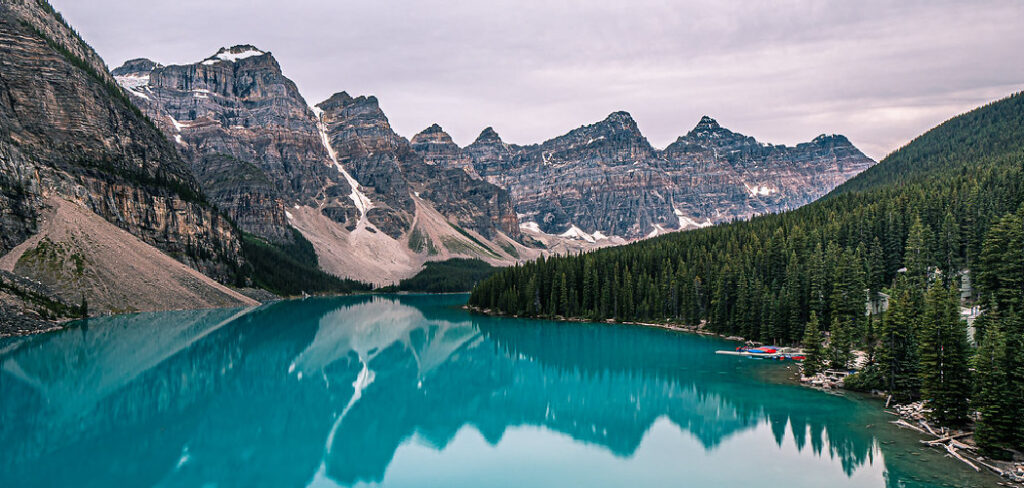
If you have ever wondered exactly how to travel to Banff, you are certainly in the right place. This stunning destination in the heart of the Canadian Rockies is famous for its bright turquoise lakes and towering mountain peaks.
Proper travel planning is highly recommended because it saves you time, cuts down on unexpected costs, and helps you avoid unnecessary confusion. Getting things organized early allows you to focus purely on the breathtaking nature and exciting outdoor activities available.
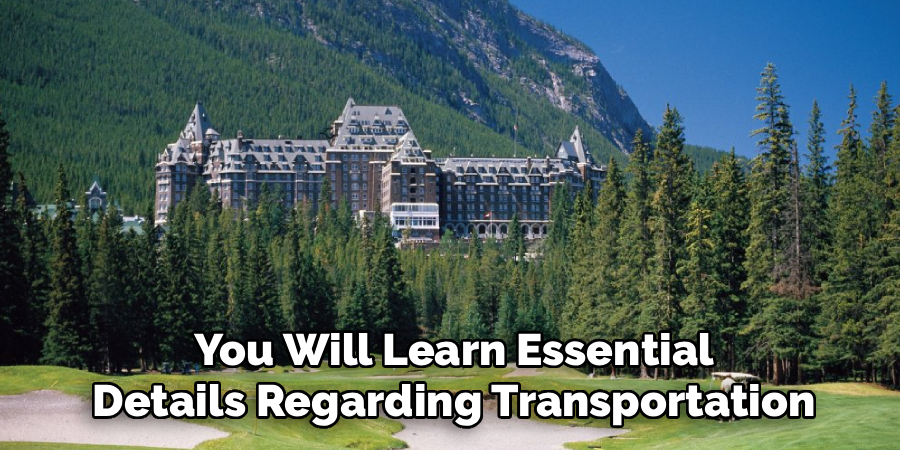
Throughout this guide, you will learn essential details regarding transportation, local costs, and practical travel essentials. We will also provide a short overview of how to get around once you arrive. Exploring this beautiful region is easier than you might think.
Best Time to Visit & Seasonal Weather
The absolute best months to visit this mountain town largely depend on what kind of outdoor activities you prefer. Summer usually runs from June through August, offering warm weather, minimal rainfall, and incredibly clear hiking trails.
Winter brings heavy snow from December to March, making it an absolute paradise for skiing and snowboarding enthusiasts. The peak season occurs during the summer months, which means larger crowds and slightly higher accommodation costs.
For budget-conscious travelers seeking fewer crowds, the shoulder seasons of May and October provide a wonderful balance of reasonable prices and crisp weather. Keep in mind that mountain weather can be highly unpredictable, so layering is always a smart choice.
Visa & Entry Requirements for Tourists
International visitors must ensure they meet the proper entry requirements before planning their journey to Canada. Many tourists from countries like the United States and parts of Europe can enter visa-free, but will need an Electronic Travel Authorization (eTA) if arriving by air.
If you are not eligible for an eTA, you will need to apply for a standard visitor visa before your departure. Your passport must be valid for at least six months beyond your planned date of return.
Immigration officials may also ask to see a return ticket, proof of hotel bookings, and evidence of sufficient funds for your stay. The entry process at the airport is generally straightforward, and most tourist visas allow stays of up to six months.
Travel Requirements
Gathering your essential documents early is a crucial part of organizing a smooth and stress-free vacation. You must always carry a valid passport, along with any required identification cards and your approved visa or eTA.
While specific health forms and vaccination mandates have largely been relaxed, checking the latest government advisories before departure is always wise. Purchasing comprehensive travel insurance is highly recommended to protect against unexpected medical emergencies or trip cancellations.
You should also keep printed or easily accessible digital copies of your return flight tickets and accommodation details. Having proof of financial stability, such as a recent bank statement or a major credit card, can sometimes be requested at border control.
How to Get There
The most common and convenient way to reach the area is by flying into Calgary International Airport. This bustling major transit hub welcomes daily flights from numerous international locations and major North American cities.
From the airport, the journey to the mountains usually takes about ninety minutes by road via the Trans-Canada Highway. Travelers typically rent a car, book a seat on a direct shuttle bus, or arrange a private transfer service.
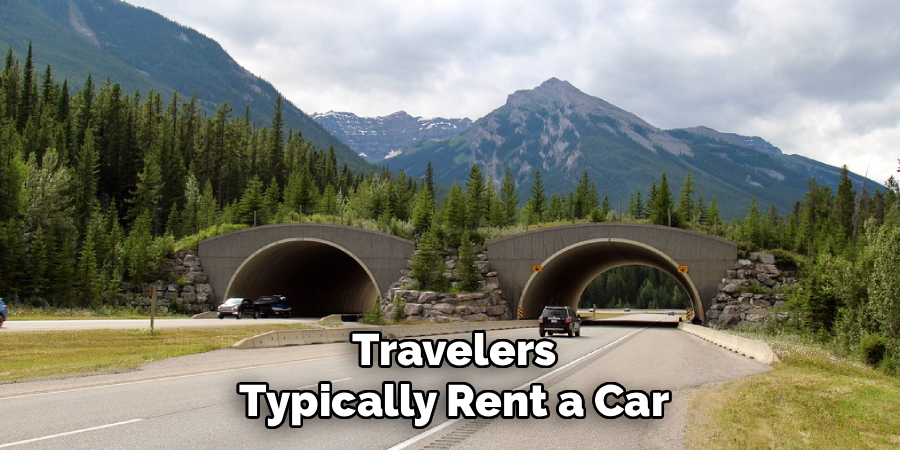
There are no direct train routes or commercial airports located immediately within the national park itself. A glance at a digital map will show a very simple, direct westward route from Calgary straight into the heart of the Rockies.
6 Simple Steps to Get to Banff
Step 1: Choose Your Transport
The first major decision you need to make is selecting your preferred method of transportation from your hometown. You can choose between flying into the nearest major city, taking a scenic cross-country train, or driving your own vehicle.
Flying is generally the fastest and most popular option for international or out-of-state visitors. Driving is often preferred by regional travelers who want the ultimate flexibility of having their own vehicle.
This step is best for helping you balance your available vacation time with your total travel budget. Consider how much luggage you plan to bring before making your final transportation choice.
Step 2: Book Your Flight to Calgary
If you decide that flying is the best option, you should start searching for flights directly to Calgary International Airport. Booking your flight several months in advance usually guarantees the most affordable mid-range pricing.
There are multiple daily flights available from major global hubs, making it highly accessible for most international tourists. The flight duration will naturally vary based on your starting location, but the booking process remains universally simple.
This option is perfect for travelers who prioritize speed and want to maximize their time exploring the mountains. A helpful tip is to set up airfare alerts so you can secure the best possible ticket prices.
Step 3: Arrange Ground Transportation
Once you land at the airport, you must figure out how to cover the remaining distance to the national park. You have the option of renting a car at the arrivals terminal or booking a seat on a commercial shuttle bus.
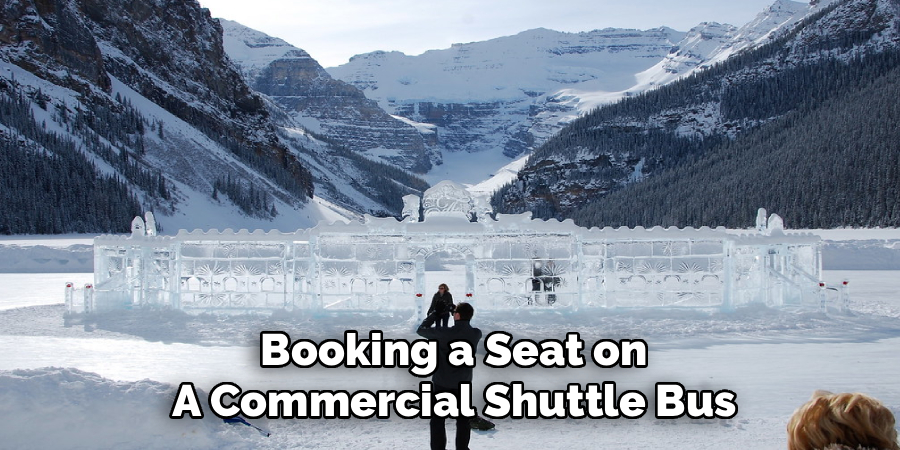
The shuttle buses run multiple times a day and offer a very high comfort level for a reasonable mid-range cost. Renting a car provides excellent flexibility but comes with the added responsibility of navigating mountain roads and paying for fuel.
This step is essential for everyone, whether you are a budget backpacker or a traveler seeking luxury convenience. Securing your ground transport ahead of time prevents long waits at the airport after a tiring flight.
Step 4: Secure Your Park Pass
Every single visitor entering the national park is legally required to purchase a valid entry pass. You can buy these passes easily online before your trip or in person at the park gates upon arrival.
The cost varies depending on whether you need a daily pass or an annual pass for an extended stay. Obtaining the pass early is highly recommended for those traveling during the busy summer months.
Having your pass ready saves you from waiting in long lines at the highway toll booths. It is a mandatory requirement for anyone planning to stop and enjoy the spectacular scenery within the park boundaries.
Step 5: Finalize Accommodations
Securing a comfortable place to stay is incredibly important because local hotels tend to fill up rapidly during peak tourist seasons. You can choose from luxurious mountain resorts, cozy mid-range lodges, or budget-friendly hostels, depending on your financial plan.
Booking early guarantees that you have a warm, comfortable bed waiting for you after a long day of travel. The availability of rooms drops significantly around major holidays and the peak summer window.
This step is vital for comfort-seekers and budget travelers alike who want to secure the best possible rates. A smart tip is to look for accommodations that offer free parking if you plan on renting a vehicle.
Step 6: Pack for the Mountains
The final step in your journey preparation involves packing the right clothing and gear for an unpredictable alpine environment. You should focus on bringing versatile layers, including a waterproof jacket, sturdy walking shoes, and warm sweaters.
Even if you visit during the summer, evening temperatures can drop significantly once the sun goes down. Packing smartly ensures a high level of daily comfort while you hike, sightsee, or explore the local town.
This preparation is necessary for everyone, regardless of their planned activities or fitness levels. Remember to leave a little extra space in your luggage for local souvenirs and gifts.
Pros and Cons of Each Travel Option
Every transportation method comes with its own unique set of advantages and disadvantages. Flying is incredibly fast and convenient, but it can be quite expensive and requires you to arrange secondary ground transport.
Renting a car offers unmatched flexibility for exploring hidden spots, though fuel costs and potential winter driving hazards are notable drawbacks. Taking a shuttle bus is cost-effective and relaxing, yet it limits your ability to stop and take photos along the highway.
Choosing the scenic train route provides breathtaking views and luxury, but it is often the most time-consuming and costly option available. Weighing these simple factors helps you choose the method that best fits your schedule and budget.
Best Way to Travel
The best overall way to reach the area for the average traveler is a combination of flying into Calgary and taking a shuttle bus. This approach offers a fantastic balance of speed, reasonable cost, and high comfort.
Shuttle buses run frequently, meaning you rarely have to wait long after your flight lands. You get the convenience of being dropped off directly at your hotel without the stress of navigating unfamiliar mountain roads.
While renting a car is a close second for those prioritizing independence, the shuttle is infinitely more reliable during snowy conditions. This hassle-free method lets you start enjoying your vacation the moment you step out of the airport terminal.
Top Attractions & Must-Visit Places
- Lake Louise: A world-famous glacier-fed lake known for its striking turquoise waters and incredible surrounding hiking trails.
- Moraine Lake: A breathtakingly beautiful alpine lake situated in the Valley of the Ten Peaks, perfect for photography and canoeing.
- Sulphur Mountain: Ride the scenic gondola to the summit for panoramic views of the entire valley and town below.
- Johnston Canyon: A highly accessible natural attraction featuring catwalks built into the canyon walls and spectacular rushing waterfalls.
- Cave and Basin National Historic Site: The historic birthplace of Canada’s national park system, featuring fascinating thermal springs and educational exhibits.
Best Areas to Stay / Accommodation
The main downtown area is easily the best place to stay for first-time visitors who want convenient access to restaurants and shops. You will find a wide variety of accommodations here, ranging from premium luxury hotels to affordable backpacker hostels.
Staying in the nearby village of Lake Louise is perfect for travelers seeking a quieter, more secluded nature experience. This area is slightly more expensive but offers unbeatable proximity to the most famous alpine lakes.
If you are traveling on a strict budget, consider booking a room in the neighboring town of Canmore just outside the park gates. It provides a relaxed vibe, excellent safety, and very quick access to the main attractions via public transit.
Food & Local Cuisine
The local culinary scene is incredibly diverse, offering everything from hearty mountain comfort food to elegant fine dining. First-time visitors absolutely must try regional specialties like tender bison steaks, wild salmon, and classic Canadian poutine.
You can easily find budget-friendly street food options and casual pubs lining the main downtown avenue. A typical mid-range dinner will provide generous portions of locally sourced ingredients that perfectly satisfy a post-hike appetite.
There are plenty of fantastic dining spots that easily accommodate vegetarian, vegan, and gluten-free dietary requirements. Exploring the local bakeries for fresh pastries and warm coffee is a wonderful way to start your chilly mornings.
Travel Cost & Time
Your total travel cost and time commitment will vary significantly depending on your starting location and personal comfort preferences. Budget travelers can expect to spend around $100 to $150 per day by utilizing hostels, public transit, and grocery stores.
Mid-range tourists typically spend between $250 and $400 daily to cover comfortable hotels, nice restaurant meals, and guided activities. The drive from the nearest airport takes about ninety minutes under normal, dry weather conditions.
However, travel times can easily double during severe winter snowstorms or heavy summer weekend traffic. Flying saves you days of travel compared to driving cross-country, but local accommodation during peak season drives up the overall expense.
Estimated Budget & Money-Saving Tips
A realistic estimated budget for a comfortable week-long mid-range trip usually falls between $1,500 and $2,500 per person. This generally covers your ground transportation, nightly accommodation, standard meals, and basic attraction entry fees.
You can save a significant amount of money by booking your flights and hotels several months in advance. Traveling during the shoulder seasons of May or October also drastically reduces your overall accommodation costs.
Using the highly efficient local public bus system is much cheaper than renting a car or paying for daily parking. Packing your own daily lunches and utilizing refillable water bottles are excellent ways to keep small expenses strictly controlled.
Currency & Money Management
The local currency used throughout the region is the Canadian Dollar. Most international travelers will find that the exchange rate generally offers favorable purchasing power for their trip.
Credit and debit cards are widely accepted at almost all hotels, restaurants, and retail shops. Contactless payment methods via smartphones are also incredibly common and convenient for small, quick purchases.
It is always a good idea to carry a small amount of local cash for tipping or purchasing items at remote trailside kiosks. Using bank ATMs is the best way to avoid the high currency conversion fees typically charged by airport exchange counters.
Connectivity: SIM Cards & Essential Travel Apps
Staying connected is relatively easy, as major telecom providers offer excellent coverage throughout the main town and highways. You can purchase a local prepaid SIM card directly at the airport or at various electronic shops downtown.
Travelers with modern smartphones should look into downloading an eSIM prior to arrival for instant data access upon landing. You will usually need to show your passport to register a physical SIM card at local retail stores.
Essential travel apps like Google Maps and local weather trackers are incredibly helpful for daily planning. It is highly recommended to download offline maps because cell service frequently drops completely on remote mountain hiking trails.
Language & Local Etiquette
English is the primary language spoken by almost everyone in the region, making communication incredibly straightforward for most international tourists. You might also hear some French, as it is Canada’s other official language, but English is perfectly sufficient for your entire stay.
The local culture is famously polite, so using common phrases like “please” and “thank you” goes a very long way. Tipping is a standard cultural practice, with fifteen to twenty percent being the expected norm in restaurants and for taxi services.
Dress codes are exceptionally casual, focusing heavily on practical outdoor gear rather than formal evening wear. Always respect the natural environment by picking up your trash and strictly keeping your distance from any wild animals.
Travel Tips
Understanding exactly how to travel to Banff makes your entire journey far more relaxing. Always try to plan your daily itinerary and book your attraction tickets well in advance to avoid disappointment.
Arriving early at popular spots like Lake Louise is the best way to secure parking and beat the massive mid-day crowds. Keep all your important travel documents organized in a secure, waterproof folder within your day bag.
Pack your luggage as lightly as possible, but always include smart, adaptable layers for sudden weather changes. Checking the daily weather forecast before heading out ensures you are never caught unprepared on a long hiking trail.
Travel Safety, Common Scams & Mistakes to Avoid
This destination is widely considered to be extremely safe, but general travel awareness is always highly recommended. Violent crime is exceptionally rare, though petty theft like opportunistic pickpocketing, can occasionally happen in heavily crowded tourist spots.
Always use official, clearly marked transportation services rather than accepting rides from unverified individuals at the airport. You should also be cautious of heavily discounted online attraction tickets sold by unverified third-party websites.
Keep your wallet, phone, and camera securely zipped away when walking through busy downtown markets. Avoid leaving any valuables clearly visible inside your rental car while it is parked at remote trailheads.
Safety & Health Precautions
Staying healthy and safe in an alpine environment requires a bit of practical common sense. The high elevation can sometimes cause mild altitude sickness, so drinking plenty of water upon arrival is essential.
Tap water is completely safe to drink, meaning you can easily refill your bottles without any health concerns. It is highly advisable to pack a small first-aid kit containing basic bandages, pain relievers, and blister pads for long hikes.
Always check local trail reports for wildlife warnings and strictly adhere to all posted safety signs. Remaining cautious and responsible ensures that your mountain adventure stays entirely positive and injury-free.
Frequently Asked Questions
What is the cheapest way to reach the park?
The most budget-friendly option is to fly into the nearest major airport and take a commercial shuttle bus. Sharing the cost of a rental car with a group of friends can also be very economical.
What is the best method for how to travel to Banff?
Taking a direct airport shuttle is the most convenient and stress-free option available. It perfectly balances total travel time, reasonable cost, and excellent comfort for the average visitor.
Do I need a car while visiting?
You do not strictly need a personal vehicle because the local public transit system is excellent and affordable. However, having a car provides extra freedom to explore remote locations at your own pace.
Conclusion
Learning how to travel to Banff is the first step toward an unforgettable Canadian Rockies adventure. Proper preparation allows you to navigate the logistics smoothly, ensuring a completely safe and highly enjoyable trip.
By understanding your transport options, organizing your budget, and securing accommodations early, you remove the stress from your vacation. Use this helpful guide to start packing your bags and preparing for the breathtaking mountain views that await you.

About
Ethan Brooks is a dedicated travel writer and tourism specialist with over a decade of experience exploring more than 150 countries. His professional focus centers on city routes and budget travel, where he combines real-world travel insights with efficient planning strategies.
Ethan is known for creating smart, well-structured travel systems that are practical, cost-effective, and easy to follow. As a core author at thetraveliy.com, he helps both first-time travelers and experienced explorers plan smooth, confident journeys.
Education
The University of Queensland (Australia) Bachelor’s Degree in Tourism Management
-
Focus: Global tourism systems, destination planning, and travel operations.
-
Specialization: Gained practical knowledge in travel logistics, itinerary development, and tourism industry structures.
Publications and Impact
At thetraveliy.com, Ethan Brooks publishes clear, structured, and experience-driven content focused on:
-
Transportation Logistics: Navigating complex transit systems with ease.
-
Itinerary Planning: Creating time-efficient schedules for any destination.
-
Budget-Friendly Solutions: Maximizing value without sacrificing the experience.
Ethan’s work simplifies complex travel decisions, making it easier for readers to plan efficient and affordable trips. By blending practical advice with real-world experience, he helps travelers create well-organized journeys while saving both time and money.