

Figuring out how to travel with a suit garment bag can save you from arriving at your destination with a wrinkled, unwearable outfit. This specialized piece of luggage is designed to keep formal wear crisp, clean, and ready for your big event. Proper packing prevents frustrating damage and eliminates the need for emergency dry cleaning.
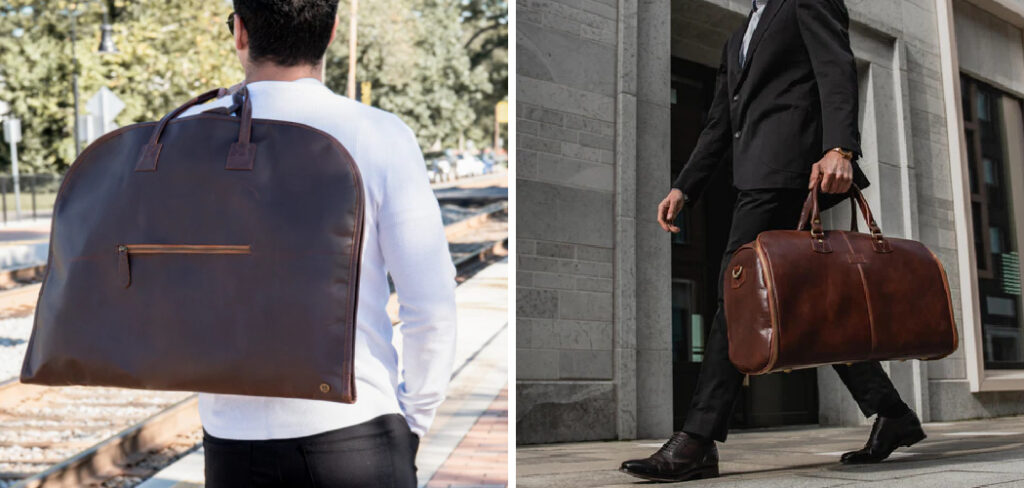
Reading this guide will help you save valuable time and reduce travel stress. You will learn a step-by-step packing method, discover the best storage techniques, and avoid common mistakes that ruin expensive fabrics. We will also cover essential travel tips, safety precautions, and a quick checklist for your itinerary.
Whether you are heading to a summer wedding or a winter business conference, protecting your tailored pieces is crucial. My first business trip taught me that throwing a suit in a standard suitcase is a recipe for disaster. Let us make sure your journey is smooth, and your clothes stay pristine.
Why Proper Packing Matters
Improperly packing your formal wear invites a host of risks, from severe creasing to permanent fabric damage. Without structural support, heavy items in your luggage can crush delicate lapels or snap fragile buttons. A well-organized bag protects against unexpected spills and weather elements during your journey.
Taking the time to pack correctly saves you from last-minute ironing sessions in cramped hotel rooms. It also helps you avoid overweight baggage fees by distributing items efficiently. Travelers often face stressful situations when liquids leak onto their silk ties or wool trousers.
Proper preparation makes navigating airport security and multiple transit transfers completely seamless. When your clothing is secure, you can focus on your trip rather than worrying about your wardrobe. A little upfront effort guarantees you step off the plane looking sharp and professional.
Can You Travel With a Suit Garment Bag? (Rules & Restrictions)
You can easily take this type of luggage on airplanes, trains, cars, and boats with minimal hassle. Most major airlines allow these bags as a standard carry-on item, provided they meet specific dimension requirements. It is always wise to check your specific carrier’s rules before heading to the airport.
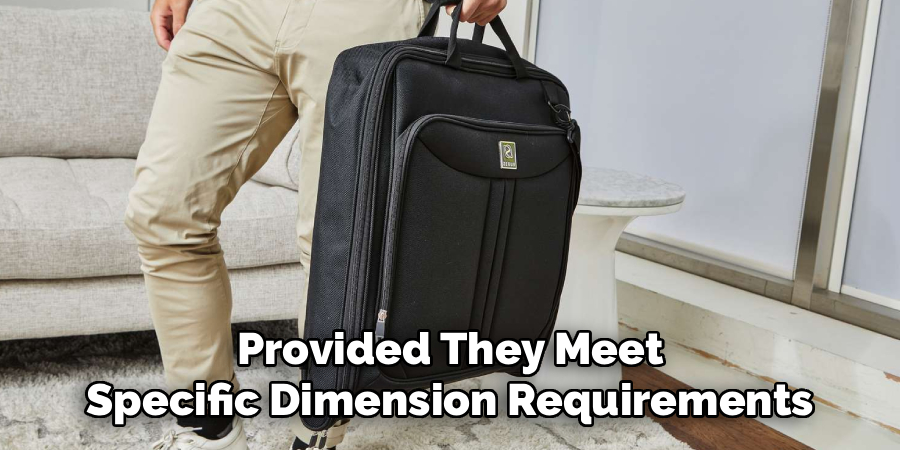
Some smaller regional flights might require you to check larger bags or gate-check them due to limited overhead space. Amtrak and most bus services are incredibly accommodating, offering ample hanging space or overhead storage for formal wear. Knowing these regulations in advance prevents stressful gate alterations and unexpected fees.
When passing through security, you will typically need to lay the bag flat on the X-ray belt. Keep any packed liquids or metal accessories easily accessible to speed up the screening process. A smooth security check keeps your itinerary on track and your stress levels low.
6 Essential Steps on How to Travel With a Suit Garment Bag
This section breaks down the most effective way to secure your formal wear for transit. There are a few different ways to approach this depending on your specific mode of transportation and travel style. However, following a structured method ensures everything stays protected and organized.
Step 1: Prepare Your Suit and Accessories
Start by ensuring your clothing is freshly dry-cleaned and completely free of wrinkles or lint. Empty all the pockets to prevent heavy items from stretching the fabric or causing unsightly bulges. Fasten all the buttons and zip up the trousers to maintain the garment’s natural shape.
Use a high-quality, broad-shouldered wooden or velvet hanger instead of a flimsy wire one. This provides vital structural support for the jacket shoulders during long flights or drives. Proper preparation is the foundation of arriving with a crisp, wearable outfit.
Step 2: Secure the Suit Inside the Bag
Carefully slide your jacket and trousers into the main compartment while keeping the hanger hooked at the top. Ensure the fabric lies completely flat against the backing without any bunched-up areas. Most bags have an internal strap or tie-down system to keep the clothing from shifting.
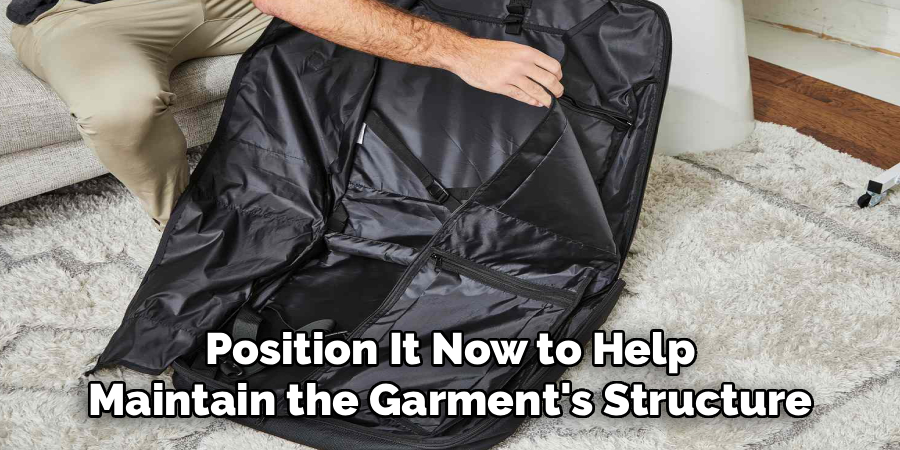
Gently tighten these interior straps across the midsection of your clothing to lock it in place. If your luggage has a built-in folding board, position it now to help maintain the garment’s structure. Keeping everything secure prevents friction that leads to stubborn wrinkles.
Step 3: Utilize Internal Pockets for Small Items
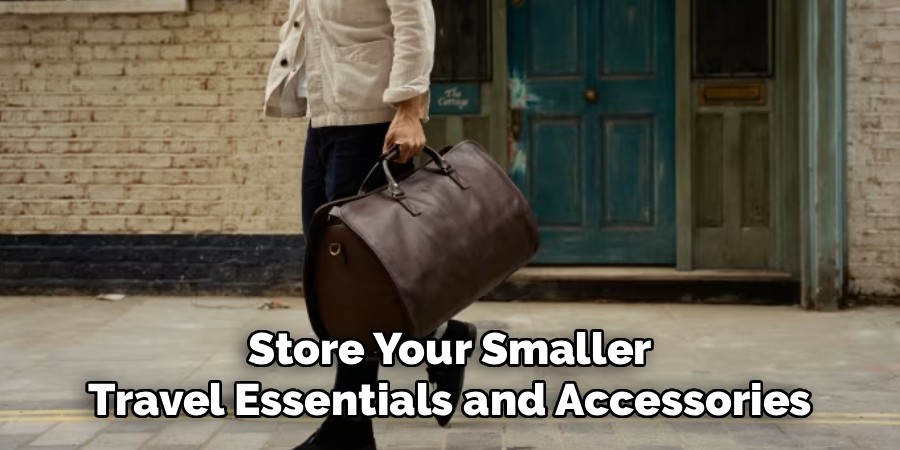
Take advantage of the built-in zippered compartments to store your smaller travel essentials and accessories. Keep your ties, pocket squares, belts, and cufflinks neatly tucked away in these designated spaces. Keeping accessories separate prevents sharp metal edges from snagging your delicate wool or silk fabrics.
If you are packing shoes, place them in individual dust bags to keep dirt away from your clean clothes. Position heavy items at the bottom of the bag so they do not crush your jacket when hanging. Proper organization makes getting dressed at your destination incredibly easy.
Step 4: Fold or Roll the Bag Correctly
Once everything is securely inside, carefully zip the main compartment entirely closed. Depending on your specific model, you will either fold the luggage in half or roll it into a duffel shape. Follow the natural crease lines designed by the manufacturer to avoid stressing the internal fabrics.
Secure the exterior clasps or zippers to lock the folded shape firmly into place. If you are using a rolling model, ensure the edges are tucked neatly so nothing catches during transit. A tight, secure fold is essential for navigating crowded airport terminals safely.
Step 5: Protect the Exterior of the Garment Bag
Attach a sturdy luggage tag with your current contact information to the primary exterior handle. If you are checking the bag, consider wrapping it in a protective plastic cover to guard against rain and dirt. Airport tarmac conditions can be unforgiving, so an extra layer of defense is always a smart move.
Double-check that all external zippers are fully closed and potentially secured with TSA-approved locks. Tuck away any loose carrying straps so they do not get caught in conveyor belts. Protecting the outside guarantees the inside remains completely untouched.
Step 6: Final Inspection and Labeling
Give your packed luggage a gentle shake to ensure nothing loose is rattling around inside. Verify the weight on a home scale to ensure you comply with your airline’s specific limits. This final review prevents frantic repacking at the crowded check-in counter.
Attach a brightly colored ribbon to the handle if you plan to check the item into the cargo hold. This makes identifying your belongings on the baggage carousel much faster and easier. You are now fully prepared for a smooth and stress-free journey.
Best Packing Methods / Tips
Choosing the right packing strategy depends heavily on the type of luggage you own and the length of your trip. The traditional folding method works beautifully for standard bi-fold designs, keeping creases exactly where they belong. If you use a modern roll-up model, wrapping the clothing around a central cylindrical compartment minimizes sharp folds.
Layering is a fantastic space-saving technique that maximizes your available storage capacity. Place your heaviest items, like shoes and toiletry kits, at the very bottom near the wheels or base. Layer your shirts and lightweight garments over the structured jacket to create a protective cushion.
Always place liquids in sealed zip-lock bags before storing them in the outer pockets. Altitude changes in airplane cabins can cause bottles to expand and leak, which would ruin your formal wear. Keeping liquids entirely separate from the main compartment is a non-negotiable safety measure.
For highly delicate fabrics like linen or silk, consider adding a layer of dry-cleaning plastic over the clothing. This creates a slippery barrier that dramatically reduces friction and prevents wrinkles from setting in. A little extra padding goes a long way in preserving your professional appearance.
Common Mistakes to Avoid
Overpacking is the most frequent error travelers make when preparing their formal wear for transit. Jamming extra sweaters or bulky jeans into the same compartment will inevitably crush your delicate lapels. It is much better to pack heavy casual wear in a separate suitcase entirely.
Ignoring airline carry-on dimensions is another mistake that leads to forced gate-checking. A bag that feels light might still be too wide for smaller overhead bins. Always verify your specific aircraft type a few days before departure.
Forgetting to lock the hangers in place allows your clothing to bunch up at the bottom of the bag. This creates permanent creases that a simple hotel iron cannot fix. Taking five extra seconds to secure internal straps prevents a massive headache later.
Travel Tips (Carry-on vs Checked, Safety, etc.)
Carrying your formal wear onto the plane is always the safest option for preventing loss or severe damage. You can carefully lay it flat on top of other bags in the overhead bin. If the flight is not full, flight attendants will sometimes hang it in the first-class coat closet for you.
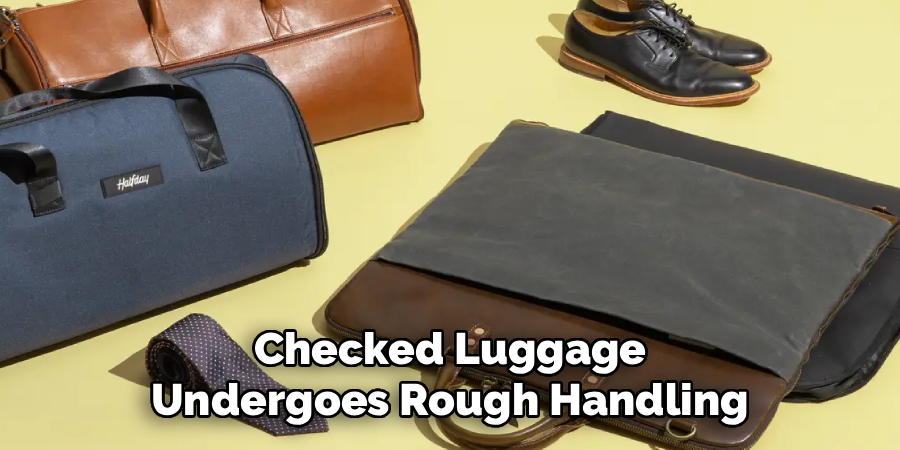
If you must check the item, ensure it has a rigid exterior or heavy-duty ballistic nylon construction. Checked luggage undergoes rough handling, so fragile components need robust protection. Always remove sensitive electronics or expensive jewelry before handing it over to the baggage agents.
Keep your itinerary and boarding passes in an easily accessible outer pocket for quick retrieval. Navigating busy terminals is much smoother when you are not fumbling through deep compartments. Staying organized keeps you moving efficiently through security and customs checkpoints.
Estimated Budget / Cost Tips
Investing in quality packing gear does not have to drain your travel budget completely. A reliable entry-level model typically costs between fifty and one hundred dollars. High-end ballistic nylon or leather options can easily run several hundred dollars, but they offer superior longevity.
You can save money by repurposing items you already own, such as dry-cleaning bags for friction reduction. Multipurpose packing cubes are inexpensive and fit perfectly inside the accessory pockets. Borrowing a high-quality bag from a friend or colleague is a great zero-cost option for infrequent travelers.
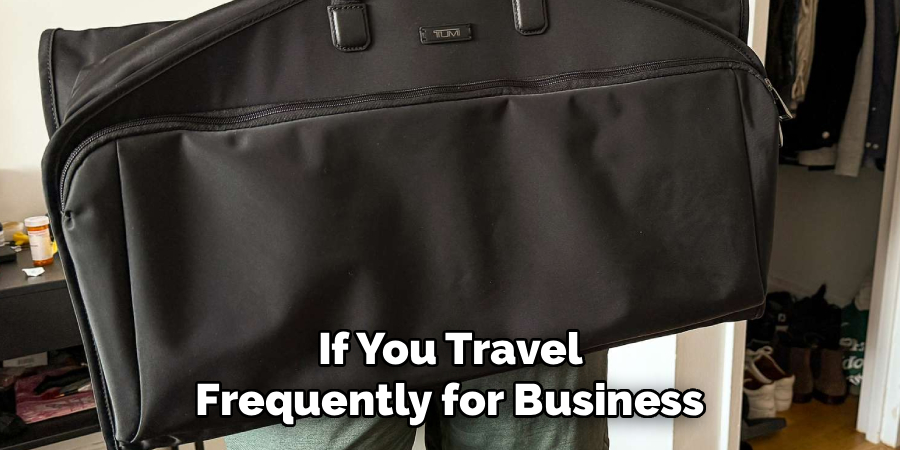
If you travel frequently for business, spending a bit more on a durable model pays for itself by reducing dry-cleaning bills. Compare prices online and look for seasonal luggage sales before your trip. Smart investments early on protect your expensive clothing investments in the long run.
Maintenance & Storage Tips
Keeping your luggage in pristine condition ensures it will protect your clothing for years to come. Wipe down the exterior fabric with a damp cloth and mild soap after every major trip. Allow the material to air dry completely before putting it away in a dark closet.
Never store your formal wear inside the travel bag for extended periods of time. Wool and silk need to breathe, and prolonged storage in tight spaces can invite mildew or odors. Hang the empty bag in a dry, temperature-controlled environment away from direct sunlight.
Periodically check the zippers and hinges for dirt or debris that could cause them to jam. Applying a tiny amount of zipper lubricant keeps the tracks running smoothly. Proper maintenance guarantees your gear is ready to go the moment you book your next flight.
Travel Scenario Tips
Different modes of transportation require slightly different handling techniques for your formal wear. During road trips, lay the luggage flat across the backseat rather than cramming it in a hot, crowded trunk. This prevents heavy suitcases from crushing the internal structure of your jacket.
Train journeys often offer dedicated hanging racks near the entrance of the passenger car. Utilize these spaces, but keep an eye on your belongings at major station stops to prevent theft. If you are navigating a crowded ferry, hold the item closely by your side to avoid bumping into other passengers.
Long layovers can be exhausting when dragging heavy luggage around a massive terminal. Utilize airport locker services if you have several hours to kill between flights. This allows you to grab a meal or stretch your legs without hauling your formal wear everywhere.
Quick Packing Checklist (Bullet Points)
This brief checklist covers all the essential items needed for a successful packing experience:
- Freshly dry-cleaned suit or formal wear
- Sturdy wooden or velvet broad-shoulder hanger
- Plastic dry-cleaning bags to reduce fabric friction
- Matching tie, belt, and pocket square
- Dress shoes are stored inside individual fabric dust bags
- Sealed zip-lock bags for toiletries or liquids
- Sturdy luggage tag with updated contact information
- TSA-approved locks for exterior zippers
Safety Precautions / Handling Tips
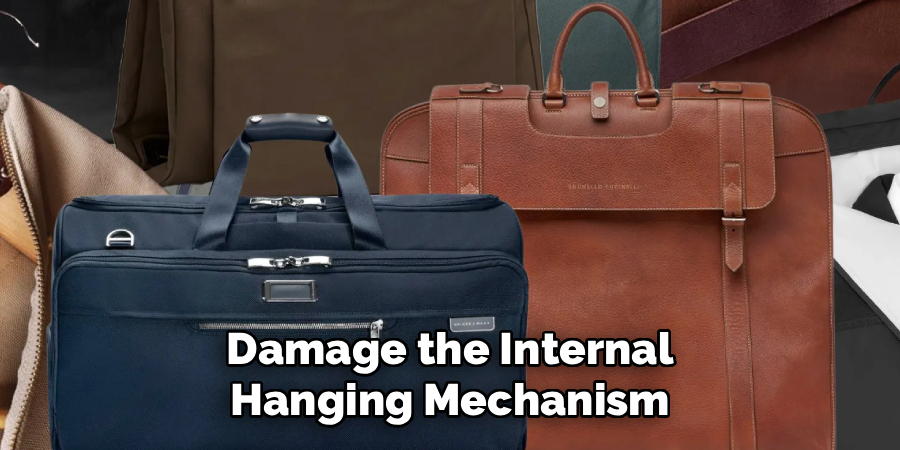
Protecting your delicate clothing requires careful handling from the moment you leave your house. Always lift the bag by the primary padded handles rather than yanking on the shoulder strap. Sudden jerks can tear the fabric or damage the internal hanging mechanism.
Be extremely cautious when rolling or carrying the item through rain or snowy conditions. Even water-resistant materials can absorb moisture if exposed to heavy downpours for too long. If you get caught in bad weather, wipe the exterior completely dry before opening the compartments.
Place the luggage flat in the trunk of your taxi or rideshare to prevent it from sliding around during transit. Do not stack heavy boxes or hard-shell suitcases directly on top of it. Gentle handling preserves both the luggage and the expensive garments hidden inside.
Frequently Asked Questions
Can I bring my formal wear as a carry-on item?
Yes, most major airlines allow these bags as standard carry-on luggage. You can typically lay them flat in the overhead bin. Always check your specific carrier’s dimensions to avoid unexpected gate-checking fees.
Does rolling my clothing prevent creases better than folding?
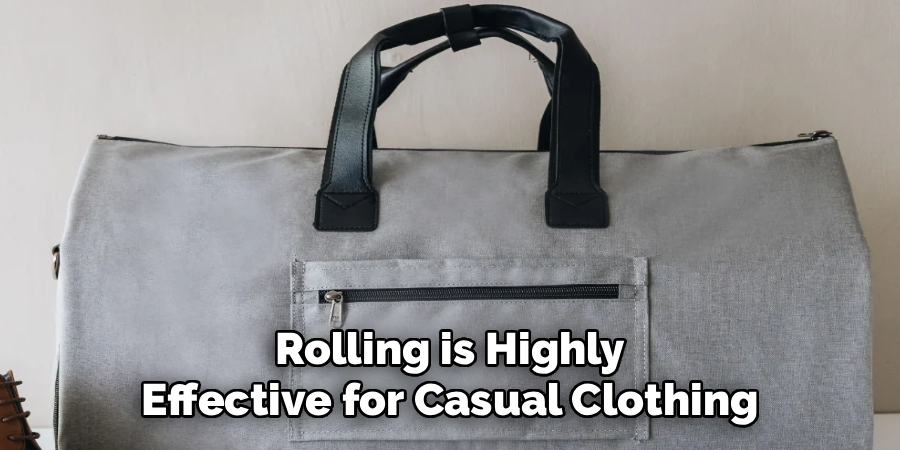
Rolling is highly effective for casual clothing, but structured jackets usually benefit from traditional folding. Specialized roll-up luggage designs offer a great hybrid approach. This method saves space while minimizing sharp, permanent fabric creases.
How to travel with a suit garment bag on a plane?
Carry it on board and ask the flight attendant if there is space in the coat closet. If not, carefully lay it perfectly flat on top of the other suitcases in the overhead bin.
Conclusion
Knowing exactly how to travel with a suit garment bag takes the stress out of attending formal events out of town. Following the systematic packing steps ensures your clothing remains secure, crisp, and ready to wear. Proper preparation protects your valuable wardrobe from devastating spills, crushing impacts, and set-in wrinkles.
Implementing these easy travel tips will save you time and money on your next journey. Whether you are flying across the country or taking a scenic train ride, your formal wear will arrive safely. Pack with confidence and enjoy a smooth, stylish trip.

About
Ethan Brooks is a dedicated travel writer and tourism specialist with over a decade of experience exploring more than 150 countries. His professional focus centers on city routes and budget travel, where he combines real-world travel insights with efficient planning strategies.
Ethan is known for creating smart, well-structured travel systems that are practical, cost-effective, and easy to follow. As a core author at thetraveliy.com, he helps both first-time travelers and experienced explorers plan smooth, confident journeys.
Education
The University of Queensland (Australia) Bachelor’s Degree in Tourism Management
-
Focus: Global tourism systems, destination planning, and travel operations.
-
Specialization: Gained practical knowledge in travel logistics, itinerary development, and tourism industry structures.
Publications and Impact
At thetraveliy.com, Ethan Brooks publishes clear, structured, and experience-driven content focused on:
-
Transportation Logistics: Navigating complex transit systems with ease.
-
Itinerary Planning: Creating time-efficient schedules for any destination.
-
Budget-Friendly Solutions: Maximizing value without sacrificing the experience.
Ethan’s work simplifies complex travel decisions, making it easier for readers to plan efficient and affordable trips. By blending practical advice with real-world experience, he helps travelers create well-organized journeys while saving both time and money.