
Planning a trip to ancient Greece is an exciting adventure for any history lover. The route connecting the bustling capital to the legendary home of the Oracle is incredibly popular among tourists and history enthusiasts.
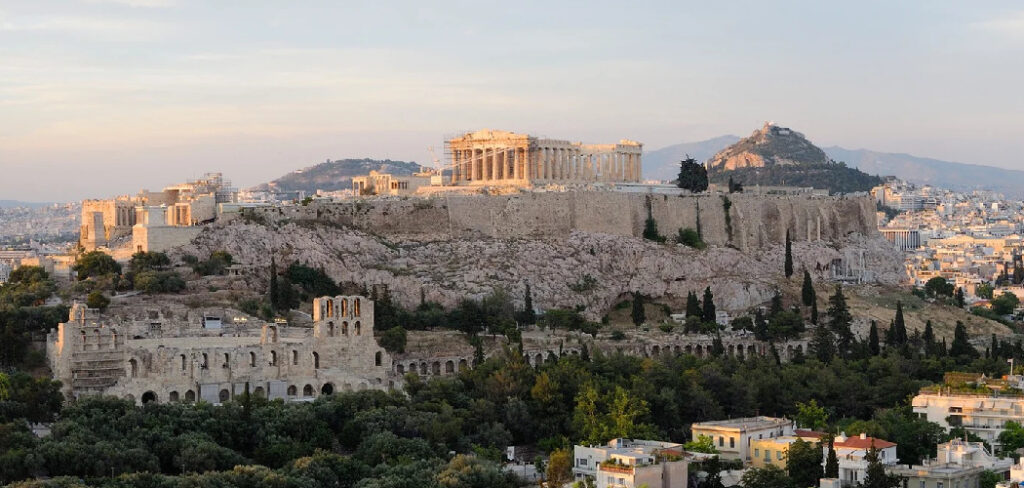
People make this journey every day to experience the breathtaking mountain scenery and ancient ruins. Knowing exactly how to Travel From Athens to Delphi will save you time, reduce your costs, and eliminate unnecessary travel stress.
You will soon learn about the best travel methods, expected costs, travel times, and highly useful tips for a smooth ride. Options range from affordable public buses to convenient rental cars and guided tours.
Taking the time to plan your journey ensures a memorable and relaxing experience.
How to Get There
Most international visitors will first arrive at Athens International Airport (Eleftherios Venizelos). From the airport, you must reach the city center or a specific bus terminal to begin your journey north.
The most common ways to reach the ancient sanctuary involve the road network, as there are no direct flights or train routes available. The total travel duration usually ranges from two and a half to three hours, depending on your chosen transport.
Buses depart multiple times a day from the KTEL Liosion station in the capital. Renting a car provides a highly direct route via the E75 and EO48 highways.
A quick look at a digital map will show a straightforward path heading northwest toward Mount Parnassus. The drive is famously scenic and quite easy to navigate for beginners.
6 Easy Steps on How to Travel From Athens to Delphi
This section breaks down your main travel options into easy-to-follow steps. There are multiple ways to travel, so reviewing these options helps you find the perfect fit.
Step 1: Choose Your Transport
Your first step is deciding which mode of transportation best fits your schedule and budget. The primary options include the public bus, renting a car, or booking a guided tour.
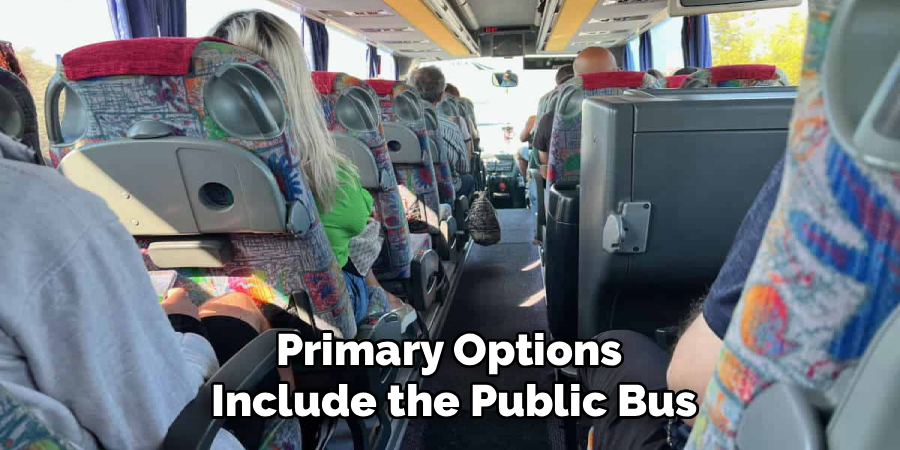
Travel time is generally around three hours for all road-based options. Costs can range widely from low-budget bus tickets to premium private transfers.
Comfort levels vary, but road conditions are generally excellent. Determine your priorities to make the right choice.
Step 2: Taking the KTEL Bus
The public bus network is the most affordable way to make this trip. Buses depart daily from the KTEL Liosion bus station in the capital.
The journey takes about three hours and includes a brief rest stop along the way. Tickets are incredibly budget-friendly, typically costing around fifteen to twenty euros one way.
Comfort is surprisingly high, as coaches are modern and air-conditioned. This option is ideal for budget travelers seeking a reliable and straightforward journey.
Step 3: Renting a Car for Scenic Freedom
Renting a vehicle gives you ultimate flexibility and freedom to explore at your own pace. The drive takes about two and a half hours without stops.
Rental prices vary, but expect mid-range costs when factoring in fuel and highway tolls. Comfort is high since you control the climate and the itinerary.
This is the perfect choice for independent travelers or families wanting to stop at nearby picturesque villages. A helpful tip is to book your automatic transmission vehicle well in advance.
Step 4: Booking a Guided Day Tour
A guided tour removes all the stress of planning and navigation. These tours usually depart early in the morning from central hotels or designated meeting points.
The travel time includes a few hours of driving mixed with educational commentary from a local expert. Prices fall in the mid-to-high range since they often include transportation, entrance fees, and sometimes lunch.
Comfort is excellent, and this is best for travelers who prefer a structured, informative experience. It is a highly convenient way to see the ruins without worrying about logistics.
Step 5: Hiring a Private Taxi or Transfer
Booking a private driver is a premium option for ultimate comfort. The trip takes about two and a half hours directly from your hotel door.

This is the most expensive option, but it offers a luxurious, stress-free experience. Comfort is extremely high, and departures are completely flexible to your schedule.
It is best for groups, families, or travelers prioritizing convenience over budget. Always agree on a fixed rate before starting the journey to avoid surprises.
Step 6: Finalizing Your Itinerary
Once you select your transportation, it is time to finalize your travel dates and times. Check the operating hours of the archaeological site to align with your arrival.
Make sure to book your tickets or rental car ahead of time during the peak summer months. Travel times can fluctuate slightly with heavy traffic leaving the capital.
Double-check your departure points and ensure you have all digital confirmations saved. A little preparation guarantees a smooth and wonderful trip.
Pros and Cons of Each Travel Option
Every transportation method comes with its own specific advantages and disadvantages. Public buses are highly affordable and reliable, but they stick to a rigid schedule that limits your freedom.
Renting a car offers incredible flexibility and scenic detours, though you must navigate foreign roads and pay for fuel. Guided tours provide fantastic educational value and convenience, but they can feel rushed and are generally more expensive.
Private transfers are incredibly comfortable and fast, yet they come with a premium price tag. Comparing these factors helps you balance your budget against your desire for comfort.
Take a moment to weigh these pros and cons based on your personal travel style.
Best Way to Travel
Renting a car is highly recommended as the best overall way to experience this specific route. The balance of comfort, manageable costs, and sheer freedom makes it an unbeatable choice.
You can leave the city whenever you wish and stop at beautiful mountain towns like Arachova along the way. The roads are well-maintained, making the driving experience safe and enjoyable.

It perfectly serves the needs of the average traveler wanting a mix of adventure and convenience. Public transport is great, but a rental vehicle truly unlocks the magic of the Greek countryside.
Cheapest Way to Travel
The KTEL public bus is undoubtedly the most budget-friendly option available. A one-way ticket typically costs well under twenty-five euros.
The savings are significant because you avoid paying for rental fees, fuel, and highway tolls. The only real trade-off is the strict departure schedule and a slightly longer journey time due to scheduled stops.
Buses run regularly every day, making it easy to plan your trip affordably. Booking your tickets online a few days early guarantees your seat during busy seasons.
Fastest Way to Travel
Hiring a private transfer or driving a rental car is the fastest way to reach the sanctuary. The direct drive takes roughly two and a half hours from door to door.
You save valuable time by skipping bus station waiting times and multiple passenger pick-ups. The highway route is highly direct with minimal interruptions once you clear the city traffic.
This speed comes at the expense of higher costs compared to public transportation. It is the perfect choice for those on a tight schedule wanting to maximize their sightseeing time.
Travel Documents You Must Carry
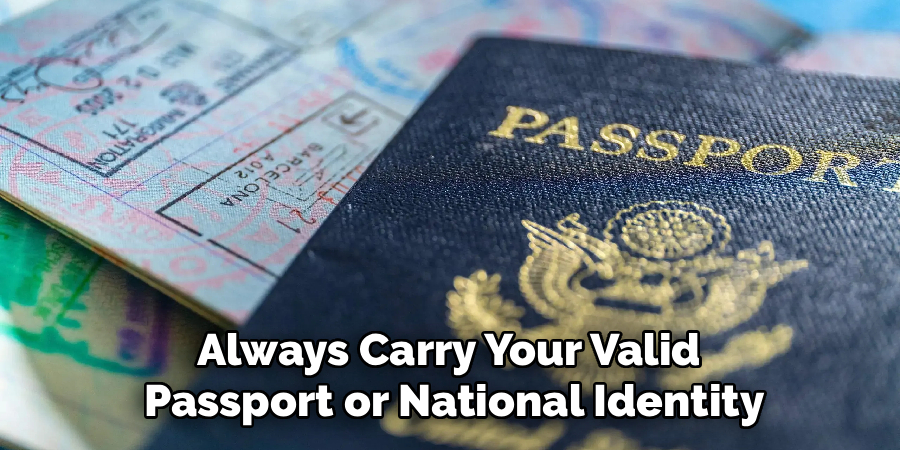
Always carry your valid passport or national identity card while traveling. A visa is necessary if your home country does not have a visa-free agreement with the destination.
Keep digital and printed copies of your bus tickets or car rental agreements. Having your hotel booking confirmation readily available speeds up the check-in process.
Travel insurance documents are highly recommended in case of unexpected delays or emergencies. A valid driver’s license is mandatory if you plan on renting a vehicle.
Keep all these items secure in a dedicated travel folder.
Estimated Budget & Money-Saving Tips
An average daily budget for this trip can range between fifty and one hundred euros per person. This covers transportation, entrance fees, and a nice meal at a local taverna.
Using the public bus significantly lowers your overall transport costs. Booking your accommodation and transport well in advance usually secures the best possible rates.
Consider traveling during the shoulder season in spring or autumn to find cheaper deals. Packing your own snacks and water for the journey is a simple way to save extra cash.
These practical tips help you stretch your vacation funds further.
Currency & Money Management
The local currency used throughout the country is the Euro. It is highly beneficial to understand the basic exchange rate before you arrive.
Credit and debit cards are widely accepted at hotels, rental agencies, and large restaurants. Contactless payments are standard practice in most establishments.

However, you should always carry a small amount of cash for minor purchases at rural stops or tiny cafes. Avoid exchanging money at the airport if possible, as the rates are usually poor.
Keep your cash and cards in separate, secure locations while traveling.
Internet & WiFi Availability
Public WiFi is widely available at airports, major bus stations, and local cafes. The internet speed is generally fast and reliable in urban centers and popular tourist areas.
Most hotels and guesthouses offer free, high-quality WiFi to their guests. Coverage remains fairly strong along the main highways, though it may dip slightly in the mountains.
Purchasing a local SIM card or an eSIM provides excellent mobile data backup. Always avoid accessing sensitive financial information on unsecured public networks.
Staying connected on this route is incredibly easy and convenient.
Travel Tips
Planning and booking your arrangements in advance is the key to a smooth journey. Always arrive at the bus station or meeting point at least thirty minutes early.
Keeping your important documents organized saves you from unnecessary stress. Pack light, comfortable clothing, and wear sturdy walking shoes for exploring the ancient ruins.
Checking the local weather forecast helps you prepare for intense sun or unexpected mountain rain. Downloading an offline navigation app ensures you never lose your way on the road.
A positive attitude and a little preparation go a long way.
Travel Safety, Common Scams & Mistakes to Avoid
General travel safety in this region is very high. It is always wise to stay alert and keep your belongings secure in crowded tourist areas.
A common mistake is failing to agree on a taxi fare before starting a private trip. Always use official transport services and verify your booking details.
Keep your wallet, phone, and passport zipped safely inside a cross-body bag. Avoid engaging with overly aggressive street vendors or individuals offering unsolicited tours.
Staying cautious and informed prevents minor issues from ruining your day.
Safety & Health Precautions
Staying hydrated is absolutely crucial, especially during the hot summer months. Always carry a refillable water bottle and drink plenty of fluids throughout the day.

The local tap water is safe to drink, but bottled water is cheap and widely available. Sun protection is vital, so wear a hat and apply sunscreen generously.
Carrying a small first-aid kit with basic pain relievers and bandages is a smart habit. Be mindful of uneven terrain when walking around the archaeological sites.
Responsible and cautious behavior ensures a healthy and enjoyable vacation.
Emergency Contacts & Useful Links
Knowing the local emergency numbers is a vital part of travel preparation. Dialing 112 connects you to the general European emergency hotline for police, fire, and ambulance services.
It is highly recommended to save the contact information for your country’s embassy or consulate. Keep the customer service number for your rental car agency or bus company saved in your phone.
Familiarizing yourself with the official national tourism website provides reliable updates. Having these details stored offline guarantees peace of mind during your trip.
You will likely never need them, but preparation is essential.
Frequently Asked Questions
Are there any direct trains available for this route?
There are no direct train routes that connect these two destinations. The railway network does not reach the mountain site directly. You must rely on buses, cars, or guided tours.
What is the most scenic option for how to Travel From Athens to Delphi?
Renting a car is the most scenic method for traveling from Athens to Delphi. It allows you to pause at breathtaking mountain viewpoints. You can also explore charming villages like Arachova at your own pace.
Do I need an international driver’s permit to rent a car?
Yes, non-European Union citizens usually need an international driving permit. You must present it alongside your standard driver’s license. Check with your specific rental agency beforehand to confirm their requirements.
Conclusion
Knowing how to Travel From Athens to Delphi ensures your trip is organized, safe, and highly enjoyable. The journey is straightforward, whether you choose a budget-friendly bus or a flexible rental car.
Proper planning removes the stress of navigating foreign roads or confusing schedules. The destination is truly spectacular and well worth the travel time.
Start organizing your itinerary early and get ready to experience one of the most magical historic sites in the world.

About
Ethan Brooks is a dedicated travel writer and tourism specialist with over a decade of experience exploring more than 150 countries. His professional focus centers on city routes and budget travel, where he combines real-world travel insights with efficient planning strategies.
Ethan is known for creating smart, well-structured travel systems that are practical, cost-effective, and easy to follow. As a core author at thetraveliy.com, he helps both first-time travelers and experienced explorers plan smooth, confident journeys.
Education
The University of Queensland (Australia) Bachelor’s Degree in Tourism Management
-
Focus: Global tourism systems, destination planning, and travel operations.
-
Specialization: Gained practical knowledge in travel logistics, itinerary development, and tourism industry structures.
Publications and Impact
At thetraveliy.com, Ethan Brooks publishes clear, structured, and experience-driven content focused on:
-
Transportation Logistics: Navigating complex transit systems with ease.
-
Itinerary Planning: Creating time-efficient schedules for any destination.
-
Budget-Friendly Solutions: Maximizing value without sacrificing the experience.
Ethan’s work simplifies complex travel decisions, making it easier for readers to plan efficient and affordable trips. By blending practical advice with real-world experience, he helps travelers create well-organized journeys while saving both time and money.