
Planning a trip can be overwhelming, especially when you need to figure out how to transport your furry best friend safely. Many pet owners worry about keeping their rabbits calm and secure during a journey. Whether you are heading across town or embarking on a long cross-country trip, knowing the right way to manage transportation is crucial.
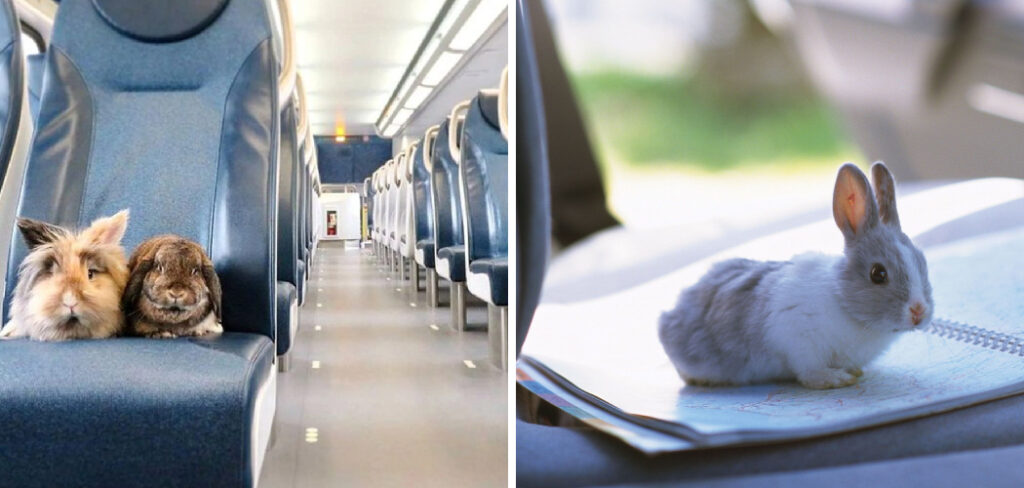
This guide is designed to help you navigate the process of how to travel with a bunny in the car. We will cover essential travel methods, including road trips, airline rules, and public transport considerations. Your pet’s safety, comfort, and proper preparation are our top priorities here.
By the end of this article, you will learn the exact steps, expert tips, transport rules, and a complete checklist for a stress-free itinerary. Traveling with a sensitive pet requires care, but with the right approach, it can be a smooth and enjoyable experience for everyone involved.
Is It Safe to Travel With a Bunny?
Yes, it can be safe to hit the road with your rabbit, provided you take the right precautions and understand the specific conditions required. Safety heavily depends on the type of pet you have, their temperament, and the travel method you choose. Rabbits are naturally prey animals, meaning they can easily be frightened by loud noises, vibrations, and sudden movements.
There are certain risks to keep in mind, such as travel stress, potential injury from sudden stops, dangerous temperature changes, or unexpected delays. Proper preparation and meticulous planning are the keys to avoiding these hazards. You must utilize a proper carrier, ensure access to food and water, and create a cozy comfort setup.
Following basic airline rules or transport guidelines always improves overall safety, even if you are just driving. Rest assured, safe travel is entirely possible when you follow the correct steps. Your furry companion can handle the journey beautifully if their environment is kept stable and secure.
Rules & Regulations
When planning your journey, understanding the transportation rules is incredibly important. If you plan to fly at any point, airline rules dictate specific pet carrier sizes, strict weight limits, and booking requirements. Most carriers require a health certificate and up-to-date vaccination records provided by a licensed vet within ten days of travel.
For road trips, car travel rules emphasize the use of a proper, sturdy carrier. This carrier must be secured with a safety restraint or seat belt, and the vehicle must have excellent ventilation. International travel rules are even more complex, involving strict import and export laws, potential quarantine requirements, and destination-specific regulations.
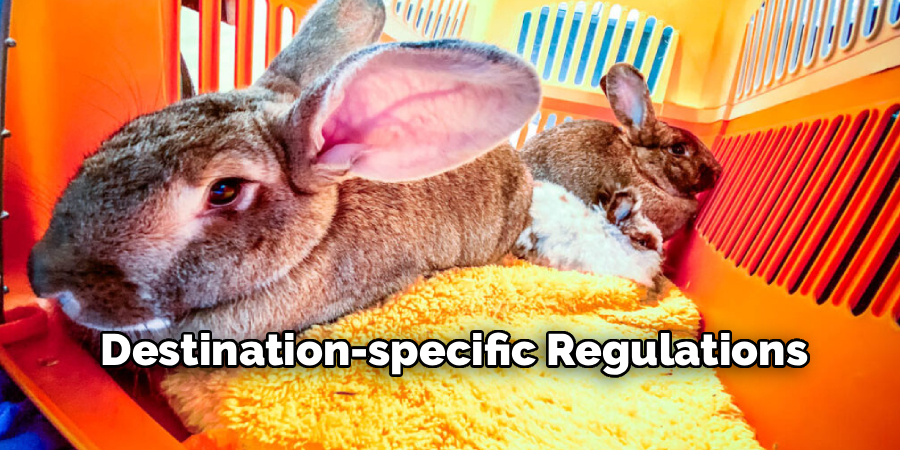
These rules can vary dramatically depending on the specific airline, transport company, and final destination. You should always check the exact policies well in advance of your departure date. Missing vital documents may result in immediate travel denial, disrupting your entire itinerary. Always verify requirements with airlines and local authorities before your journey begins.
Best Time / Weather Considerations
The best time for transportation largely depends on the current climate and the specific weather conditions at your destination. Rabbits are highly sensitive to their environment, and extreme heat or cold can be incredibly risky for their delicate systems. It is highly recommended to schedule your journey during periods of mild weather, making early morning or late evening the preferred times.
You should actively avoid driving during peak heat hours, intense storms, or any extreme weather conditions. Seasonal changes can severely affect your pet’s comfort and overall safety inside the vehicle. Checking the detailed weather forecast before you start the engine is a vital step in your travel essentials prep.
Keep basic safety advice at the forefront of your mind, especially regarding consistent hydration and proper air circulation. Ensure the air conditioning is reaching the back seat without blowing directly into the carrier. Maintaining a stable, comfortable temperature is essential for a peaceful trip.
How to Prepare Before Travel
You should start your preparation a few days before the journey to ensure smooth and stress-free planning. Begin by checking all relevant travel rules and transport requirements, whether you are following airline guidelines or car safety standards. Visit a licensed vet for a thorough health check and to gather all necessary travel documents.
Arrange a proper carrier, crate, or safety equipment well in advance so it is ready to go. Pack all travel essentials, including fresh food, clean water, any required medication, and soothing comfort items. Ensure all ID tags, microchip information, and travel documents are fully updated and easily accessible in your bag.
Let your pet get completely familiar with the carrier by leaving it open in their play area for a few days. This simple step greatly helps to reduce anxiety and travel stress. Finally, confirm any hotel or transport bookings and keep your emergency vet contacts saved in your phone.
5 Essential Steps on How to Travel With a Bunny in the Car
This section serves as your main practical step-by-step travel guide for a safe and successful journey. These multiple steps cover the entire travel process, taking you smoothly from initial preparation all the way to your final arrival. While these steps focus heavily on road trips, they also adapt well to other transport types like planes or public transport. We will cover the full journey flow: preparation, packing, travel, and arrival.
Step 1: Set Up the Carrier Properly
The very first step is ensuring your pet’s carrier is perfectly set up for the upcoming journey. Place absorbent pee pads at the bottom of a hard-sided, well-ventilated crate. Add a generous layer of fresh hay, which provides both comfort and an essential food source during transportation. Make sure the carrier is secure and cannot easily tip over.
Step 2: Secure the Carrier in the Vehicle
Once the carrier is prepared, carefully place it in a safe spot inside your vehicle. Use a seat belt or proper safety restraints to lock the crate firmly into place on the back seat. Never place the carrier in an enclosed trunk or an area without direct climate control. Ensure the carrier is level to prevent your pet from sliding around during turns.
Step 3: Manage the Climate and Environment
Maintaining a calm and cool environment is crucial for your pet’s well-being on the road. Keep the vehicle’s air conditioning running to maintain a comfortable temperature, but avoid pointing vents directly at the carrier. Keep the car stereo at a low, soothing volume and avoid rolling down the windows, as loud traffic noises can cause intense panic.
Step 4: Monitor and Provide Hydration
During the drive, you must monitor your pet regularly to ensure they are calm and safe. Stop every few hours to offer fresh water from a bowl or a familiar water bottle. It is better to offer water during rest stops rather than leaving a dripping bottle inside the carrier while the vehicle is moving. Check their breathing and overall demeanor during these pauses.

Step 5: Arrive and Settle In Safely
Upon reaching your final destination, carefully transport the carrier indoors before opening the door. Set up their temporary living space immediately with familiar toys, a litter box, fresh hay, and water. Allow them to exit the carrier at their own pace without forcing them out. Give them a quiet, secure space to decompress and recover from the journey.
Comfort, Stress & Packing Tips
Comfort and stress management are absolutely critical when organizing any kind of animal transportation. Your pet should always be kept in a safe, familiar, and highly comfortable setup to minimize their anxiety. Utilize a proper, sturdy carrier equipped with soft bedding, excellent ventilation, and plenty of room to turn around.
We highly suggest keeping a few of their favorite items, like a beloved chew toy or an unwashed blanket, inside the crate to provide a comforting scent. When considering your travel essentials, focus on smooth packing and maximizing your available vehicle space. Avoid overpacking unnecessary gear, keeping only the true essentials easily accessible in your main travel bag.
Maintaining a quiet, calm environment inside the vehicle will dramatically reduce travel stress. Focus on consistent hydration and make time for regular, quiet checks during long cross-country journeys. Keeping your approach simple, practical, and supportive will make a massive difference in your pet’s comfort.
Safety & Emergency Tips
It is imperative to emphasize the importance of keeping safety as your absolute top priority during any journey. Always use secure, hard-sided carriers, seat belts, or proper heavy-duty restraints, depending on your chosen method of transport. Never let your pet roam freely inside a moving vehicle, as this is incredibly dangerous for both of you.
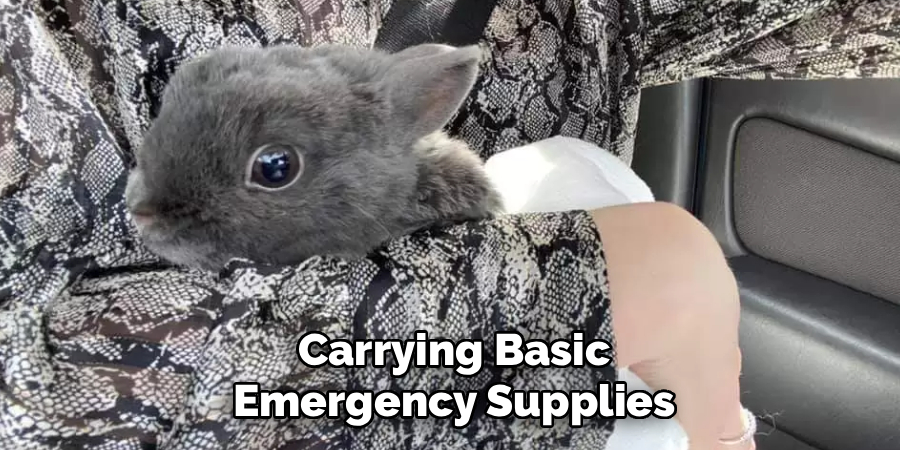
Advise yourself to keep a list of emergency contact numbers, including your primary vet and an emergency animal hospital at your destination, readily available. Highlight the need to monitor your pet regularly during the itinerary for any signs of distress, overheating, or physical issues. Carrying basic emergency supplies, such as a specialized first aid kit, extra bottled water, and any prescribed medication, is highly recommended.
You must be completely prepared for sudden delays, severe weather changes, or unexpected roadside situations. If a problem does occur, advise yourself to stay calm, pull over safely, and act quickly. A practical and reassuring approach to emergencies will keep both you and your pet secure.
Common Mistakes to Avoid
One of the most frequent mistakes is not checking airline, car, or international travel rules well in advance. Ignoring necessary health checks, updated vaccinations, or specific required documents can completely derail your itinerary. Using an unsafe, flimsy, or incorrectly sized carrier is another massive mistake that compromises safety.
You must also warn against overfeeding or severely underfeeding your pet immediately before the journey begins. Failing to prepare your pet for travel by skipping carrier training almost always causes severe, preventable stress. Leaving out critical travel essentials like fresh water, familiar food, or vital medication is a recipe for disaster.
Advise yourself strongly against ignoring local weather conditions or poorly timing your travel hours. The profound risks of poor planning and last-minute booking issues cannot be overstated. By staying simple, helpful, and cautious in your planning, you can avoid these stressful pitfalls.
Travel Essentials Checklist
Having a dedicated checklist of key essential items is needed for safe, smooth, and responsible travel. First and foremost, you must include a high-quality carrier, crate, or proper transport bag designed for sensitive pets. You will also need a generous supply of their usual food, fresh water, and specific feeding supplies for the journey.
Do not forget to add essential documents like identification details, an official health certificate, or any required travel permits. You should include a basic medical kit tailored for your pet, alongside any specific required medication they might need. Comfort items like a soft, familiar blanket or a favorite chew toy are incredibly helpful for reducing stress.
Lastly, be sure to pack plenty of waste bags, extra pee pads, and pet-safe cleaning supplies for inevitable messes. Keep this checklist simple, highly practical, and easy to follow. A well-packed travel bag is the foundation of a successful and worry-free itinerary.
Frequently Asked Questions
What is the best way to travel with a bunny in the car?
The safest and best option is securing a hard-sided, well-ventilated carrier in the back seat with a seat belt. Keep the car cool, provide fresh hay, and avoid loud music. This ensures a stress-free environment for the journey.
How often should we stop during a long road trip?
You should aim to stop every two to three hours during your journey. Use this time to check their temperature, offer fresh water, and ensure they are eating their hay. Short, frequent breaks help manage travel stress effectively.
Do I need a health certificate for crossing state lines?
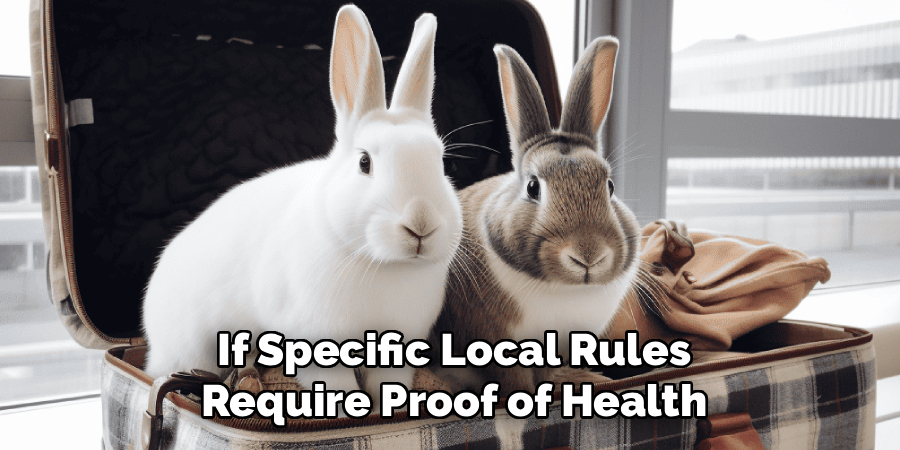
While driving across state lines rarely requires document checks, it is highly recommended to carry a recent health certificate. Having updated vet records is essential in case of a medical emergency or if specific local rules require proof of health.
Conclusion
How to travel with a bunny in the car is much easier when you follow this comprehensive guide and prioritize their well-being. We have reinforced the immense importance of proper planning, early preparation, and understanding your pet’s specific needs. Keeping safety, comfort, and a strict adherence to travel rules at the forefront will guarantee a better experience.
Always remember that different transport methods, whether it is a private vehicle, an airplane, or public transport, require uniquely tailored care. We strongly encourage you to always check current regulations and prepare your travel essentials well in advance. Safe, stress-free travel is entirely possible with the right steps, giving you peace of mind on your next big adventure.

About
Ethan Brooks is a dedicated travel writer and tourism specialist with over a decade of experience exploring more than 150 countries. His professional focus centers on city routes and budget travel, where he combines real-world travel insights with efficient planning strategies.
Ethan is known for creating smart, well-structured travel systems that are practical, cost-effective, and easy to follow. As a core author at thetraveliy.com, he helps both first-time travelers and experienced explorers plan smooth, confident journeys.
Education
The University of Queensland (Australia) Bachelor’s Degree in Tourism Management
-
Focus: Global tourism systems, destination planning, and travel operations.
-
Specialization: Gained practical knowledge in travel logistics, itinerary development, and tourism industry structures.
Publications and Impact
At thetraveliy.com, Ethan Brooks publishes clear, structured, and experience-driven content focused on:
-
Transportation Logistics: Navigating complex transit systems with ease.
-
Itinerary Planning: Creating time-efficient schedules for any destination.
-
Budget-Friendly Solutions: Maximizing value without sacrificing the experience.
Ethan’s work simplifies complex travel decisions, making it easier for readers to plan efficient and affordable trips. By blending practical advice with real-world experience, he helps travelers create well-organized journeys while saving both time and money.