
Figuring out how to travel to Niagara Falls From New York is easier than you might think. This journey connects the bustling streets of Manhattan to one of the world’s most spectacular natural wonders. Millions make this trip annually for tourism, weekend getaways, and scenic beauty.

Planning this itinerary properly saves you money, time, and unnecessary stress. You will learn the best methods, travel times, and practical advice for a flawless trip. Options range from quick flights and scenic train rides to budget-friendly buses and classic road trips. Whether you seek speed or adventure, there is a perfect route for you. My family took the train last fall, and the upstate scenery was absolutely breathtaking.
How to Get There
Travelers typically start their journey from major NYC hubs like Penn Station, Port Authority, or local airports (JFK, LaGuardia, Newark). The nearest major airports for your arrival are Buffalo Niagara International Airport and Niagara Falls International Airport.
From these starting points, you can fly, ride the rail, take a bus, or drive up state. The overall travel duration ranges from a quick 90-minute flight to a leisurely 7-to-9-hour drive or train ride. Transport availability is excellent, with daily flights, multiple bus departures, and regular Amtrak services running year-round. A simple look at Google Maps shows a direct northwestern path through beautiful Upstate New York. Details on each specific method will follow shortly.

6 Simple Steps on How to Travel to Niagara Falls From New York
Planning your journey is completely manageable when broken down into manageable phases. You have multiple ways to travel, and this breakdown covers all the major transport options.
Step 1: Choose Your Transport
The first phase is deciding whether you want to fly, drive, take the train, or ride a bus. Flights take about an hour and a half in the air, while buses and trains take up to nine hours. Prices vary wildly, with budget buses starting around forty dollars and flights reaching over two hundred dollars. Comfort levels differ, with trains offering spacious seating and buses providing basic, economical transit. This step is best for travelers who need to align their budget with their timeline. Pick the method that matches your personal comfort and schedule requirements.
Step 2: Book Your Tickets Early
Once you choose your transport, securing your tickets well in advance is highly recommended. Train and flight prices tend to surge as your departure date approaches. Booking early usually guarantees the best seats and lowest fares, especially during the busy summer tourist season. Daily availability means you have flexible options, but weekends sell out quickly. This step is crucial for budget travelers wanting to maximize their savings. A smart practical tip is to set price alerts on travel apps a few months before your trip.
Step 3: Pack Travel Essentials
Preparing your luggage properly ensures a comfortable journey regardless of your transport method. A light daypack is ideal for carrying snacks, water, and entertainment for the long bus or train ride. If you are flying, keeping your luggage to a carry-on saves time at the airport carousels. Pack an extra layer of clothing, as Upstate New York can be significantly cooler than the city. This preparation is essential for anyone wanting high comfort during transit. Always keep your essential travel documents in a secure, easily accessible pocket.
Step 4: Navigate to Your Departure Point
Arriving at your specific terminal or station without rushing sets a positive tone for the trip. If you are taking Amtrak, head to Moynihan Train Hall at Penn Station at least forty-five minutes early. Bus travelers should locate their specific gate at Port Authority or the designated curbside pickup well in advance. Flyers need to factor in NYC traffic when heading to JFK, LaGuardia, or Newark. This step is best for ensuring you do not miss your scheduled departure due to unexpected city delays. Giving yourself extra time reduces anxiety and makes the start of your trip enjoyable.

Step 5: Enjoy the Scenic Journey
The actual transit time is a wonderful opportunity to relax and enjoy the changing landscapes. The Amtrak Empire Service offers a highly comfortable, medium-cost ride with stunning views of the Hudson River Valley. Driving yourself provides high flexibility, allowing you to stop at cute towns along the way. Flights offer the lowest transit time but skip the ground-level scenery entirely. This part of the itinerary is perfect for travelers who love watching the transition from urban sprawl to lush nature. Bring a good book or download a podcast to pass the time pleasantly.
Step 6: Arrive and Explore the Falls
Your final step involves getting from your arrival terminal to the actual state park. If you fly into Buffalo, you will need a quick taxi, ride-share, or local shuttle to reach the falls. Train and bus travelers arrive much closer to the downtown area, often within walking distance of the main attractions. The transition from travel to sightseeing is immediate and highly rewarding. This step finalizes your journey, rewarding you with the roar of the cascading water. Drop your bags at your hotel and head straight to the observation decks.
Pros and Cons of Each Travel Option
Every transportation method has distinct advantages and disadvantages that cater to different needs. Flying offers unmatched speed and convenience, but it is often the most expensive choice. Taking the train provides excellent legroom and scenic views, though it takes a full day of travel.
Buses are incredibly wallet-friendly but can suffer from traffic delays and limited space. Driving gives you total freedom to explore, but fuel costs and navigating long distances can be exhausting. Comparing these factors helps you make an informed, stress-free decision.
Best Way to Travel
The Amtrak train is widely considered the best overall travel option for this route. It perfectly balances cost, comfort, and the overall travel experience.
You avoid the stress of driving and the hassle of airport security while enjoying spacious seating and cafe cars. It is highly reliable, runs daily, and caters to the needs of the average traveler perfectly. While flying is faster and buses are cheaper, the train offers the most pleasant journey.

Cheapest Way to Travel
Taking a long-distance coach bus is undeniably the lowest-cost travel option available. Approximate prices range from forty to seventy dollars each way, depending on when you book.
It is the cheapest because you are sharing the fuel and transit costs with dozens of other passengers. The trade-off is a longer travel time and less overall comfort compared to a train or flight. Regular daily schedules make it highly accessible for flexible travelers. Booking during off-peak days will save you even more money.
Fastest Way to Travel
Flying from a NYC airport to Buffalo Niagara International Airport is the absolute fastest travel option. The door-to-door travel time, including airport transit, is usually around four to five hours.
The flight itself takes less than ninety minutes, utilizing a direct route with no stops. You must factor in extra time for TSA security checks and the shuttle ride from Buffalo to the falls. This convenience trades higher financial cost for massive time savings. Multiple daily direct flights make this highly accessible.
Travel Documents You Must Carry
Always carry a valid Passport or National ID, especially if you plan to cross the nearby Canadian border. A visa is required for international visitors crossing into Canada, so check your eligibility beforehand.
Keep digital and printed copies of your flight, train, or bus tickets handy. Bring your hotel booking confirmation and a copy of your travel insurance policy. Carry your driver’s license if you plan on renting a car, along with your debit or credit cards. Keep these items organized in a secure travel folder for peace of mind.
Estimated Budget & Money-Saving Tips
An overall estimated budget for a three-day trip typically ranges from four hundred to eight hundred dollars per person. This breaks down into transport, accommodation, food, and local attraction expenses.
Budget travelers can stay on the lower end by choosing hostels and taking the bus. Mid-range spenders might opt for a direct flight and a nice hotel overlooking the river. Book early and travel during the shoulder seasons of spring or fall to find significant discounts. Using local public transport like the WEGO bus system will also save you money on taxis.
Currency & Money Management
The US Dollar is the local currency used in both New York City and Niagara Falls, New York. If you cross into the Canadian side, the Canadian Dollar is used, though many tourist spots accept US currency.
Credit and debit cards, along with contactless payments, are accepted almost everywhere. ATMs are highly accessible in hotels, convenience stores, and near major attractions. Carrying a small amount of cash is useful for tipping or buying small souvenirs. Use a travel card with no foreign transaction fees if you plan to cross the border.
Internet & WiFi Availability
Public WiFi is widely available at airports, train stations, and major cafes along your route. General internet speed is highly reliable in both NYC and the Niagara region.
Most hotels and accommodations offer excellent, free WiFi for their guests. Coverage is fantastic in urban centers but may drop slightly if you drive through very rural upstate areas. Using your mobile data plan is a great backup when moving between locations. Always avoid accessing sensitive bank information on unsecured public networks.
Travel Tips
Planning and booking your itinerary in advance is the best way to ensure a smooth journey. Always arrive early at your departure station or airport to avoid unnecessary panic.
Keeping your important documents organized in one place speeds up any check-in process. Pack light and smart so you are not dragging heavy suitcases through crowded terminals. Always check the upstate weather before travel, as it differs greatly from the city. Download transit apps for real-time navigation and schedule updates.
Travel Safety, Common Scams & Mistakes to Avoid
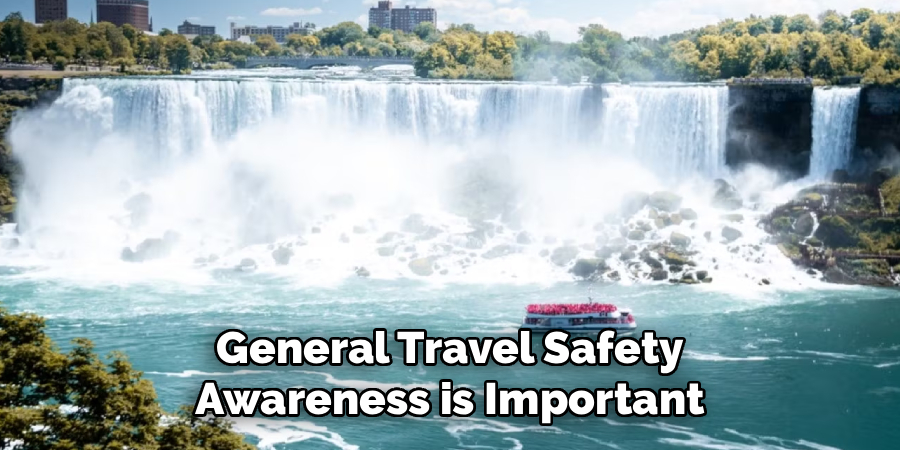
General travel safety awareness is important, even in highly trafficked tourist destinations. Watch out for common scams like fake taxis or unlicensed tour guides offering suspicious discounts.
Stay alert and only verify services through official hotel concierges or recognized tourism boards. Suspicious situations usually involve overly aggressive street vendors demanding upfront cash. Use official transport and ride-share apps to guarantee secure pricing. Keep your valuables secure in zipped bags and stay vigilant in crowded viewing areas.
Safety & Health Precautions
Combining basic health tips with general safety keeps your trip highly enjoyable. Stay hydrated, practice good hygiene, and choose reputable restaurants for food safety.
Common travel risks here mostly involve slipping on wet observation decks near the water. Carrying basic medicines or a small first-aid kit is always a smart precaution. Drink clean bottled water and avoid extreme crowds if you are feeling unwell. Keep emergency contacts accessible in your phone at all times.
Emergency Contacts & Useful Links
Dial 911 for all immediate police, ambulance, or fire emergencies. This local emergency contact system works flawlessly across the entire state.
International travelers should keep their specific embassy or consulate contact details saved. Save the helplines for your airline, Amtrak, or bus service in case of sudden delays. General tourist information is readily available on state government tourism websites. Save all these contacts offline in your phone just in case you lose service.
Frequently Asked Questions
How long does it take to travel to Niagara Falls from New York?
Flights take about four hours door-to-door, including airport security. Driving or taking the bus generally takes seven to nine hours depending on traffic. The train takes about nine hours but offers a highly relaxing experience.
What is the cheapest way to travel to Niagara Falls from New York?
Taking a long-distance bus is the most budget-friendly method available. Tickets can cost as little as forty dollars if booked well in advance. It is slower, but it saves a significant amount of money.
How to travel to Niagara Falls from New York most comfortably?
The most comfortable method is booking a business class seat on the Amtrak train. You get massive legroom, the ability to walk around, and stunning scenic views. It provides a highly relaxing and stress-free journey.

Conclusion
Understanding how to travel to Niagara Falls From New York guarantees a spectacular and memorable getaway. This summary of the journey proves that there is a transport method for every budget and timeline. The trip is incredibly easy, safe, and highly rewarding for all ages. Proper planning and preparation are the keys to a stress-free experience. As a final tip, pack a waterproof jacket so you can comfortably enjoy the misty boat tours.

About
Ethan Brooks is a dedicated travel writer and tourism specialist with over a decade of experience exploring more than 150 countries. His professional focus centers on city routes and budget travel, where he combines real-world travel insights with efficient planning strategies.
Ethan is known for creating smart, well-structured travel systems that are practical, cost-effective, and easy to follow. As a core author at thetraveliy.com, he helps both first-time travelers and experienced explorers plan smooth, confident journeys.
Education
The University of Queensland (Australia) Bachelor’s Degree in Tourism Management
-
Focus: Global tourism systems, destination planning, and travel operations.
-
Specialization: Gained practical knowledge in travel logistics, itinerary development, and tourism industry structures.
Publications and Impact
At thetraveliy.com, Ethan Brooks publishes clear, structured, and experience-driven content focused on:
-
Transportation Logistics: Navigating complex transit systems with ease.
-
Itinerary Planning: Creating time-efficient schedules for any destination.
-
Budget-Friendly Solutions: Maximizing value without sacrificing the experience.
Ethan’s work simplifies complex travel decisions, making it easier for readers to plan efficient and affordable trips. By blending practical advice with real-world experience, he helps travelers create well-organized journeys while saving both time and money.