
Quick answer: The most efficient way to travel between these two popular Greek islands is by taking a direct high-speed ferry, which usually takes about two to three hours. During the off-season, you may need to book a connecting flight through Athens, as direct ferries typically only operate from March to November.
Introduction
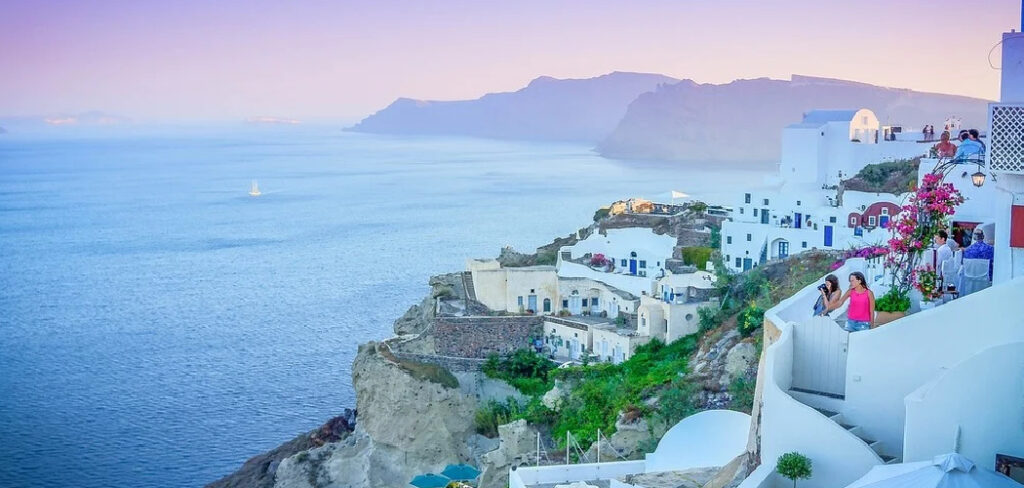
Learning exactly how to Travel from Mykonos to Santorini is the first step toward the ultimate Greek island-hopping adventure. This specific route is incredibly popular because it seamlessly connects two of the most iconic and visually stunning destinations in the Cyclades.
Planning this A to B journey properly ensures you maximize your vacation time instead of stressing over last-minute logistics. It is a very straightforward trip once you understand the seasonal transit schedules and local transportation hubs.
Travelers typically rely on high-speed ferries, conventional boats, or connecting flights to make the jump between islands. Knowing these options ahead of time guarantees a seamless transition from the vibrant beach clubs to the breathtaking caldera views.
How to Get There
Most maritime journeys start at the New Port of Tourlos in Mykonos and end at the busy Athinios Port in Santorini. If you choose to fly instead, you will depart from Mykonos International Airport and eventually arrive at Santorini Airport.
The physical distance between these two famous islands is roughly 64 nautical miles, which translates to about 118 kilometers. Your exact transit time will heavily depend on the specific transportation method and vessel you select.
Direct ferries generally take between two and three and a half hours to cross the beautiful Aegean Sea. Flights, on the other hand, require a mandatory layover in Athens, which can stretch the total travel time to four or five hours.
6 Essential Steps on How to Travel from Mykonos to Santorini
Step 1: Research Your Travel Dates
Before you book anything, you need to firmly establish your intended travel dates. Ferry schedules in Greece are highly seasonal, with the most frequent direct routes running strictly between late May and early September.
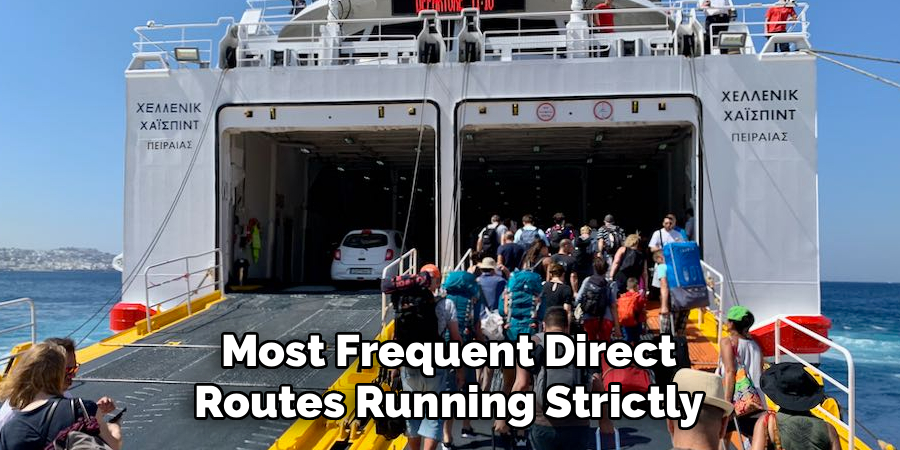
During the off-season, transportation options drop significantly, and direct ferries may not operate at all. Knowing exactly when you plan to travel will help you determine if a direct boat is even available.
Always check official schedules a few months in advance using reliable maritime booking platforms. This proactive approach prevents last-minute scrambling and ensures you secure a spot on your preferred travel date.
Step 2: Choose Your Preferred Transport Mode
Once your dates are set, decide whether you want to sail or fly across the beautiful Cyclades. High-speed ferries operated by companies like Seajets are the most popular choice for their incredible efficiency and direct routes.
If you suffer from severe seasickness, a larger, conventional ferry might offer a much smoother, albeit slower, ride. Those traveling outside the peak summer months will likely need to rely entirely on the Greek aviation network.
Keep in mind that flying requires a layover in Athens, as there are no direct commercial flights between the two islands. Weigh the pros and cons of each method to find the best fit for your unique itinerary.
Step 3: Book Your Ferry or Flight Tickets
After selecting your ideal transportation mode, secure your tickets as early as possible. Summer ferries sell out very quickly, especially the fast boats that run during the highly desirable morning hours.
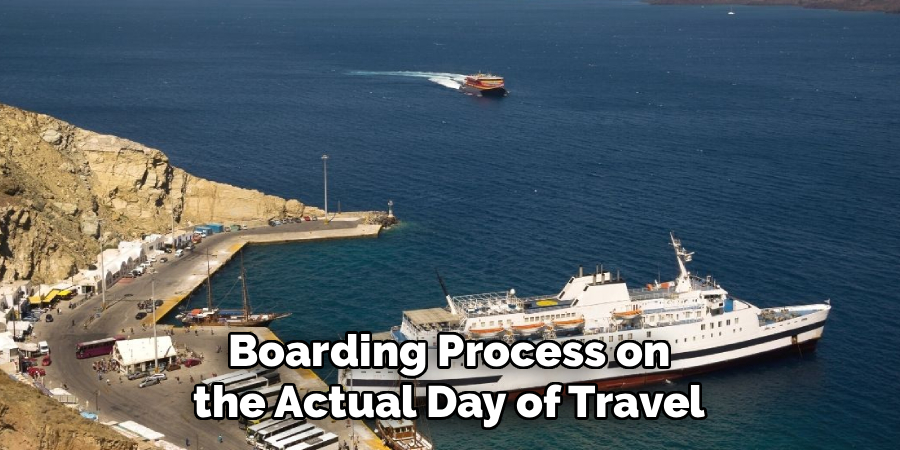
Use trusted online portals to compare prices across different operators like Golden Star Ferries and Seajets. Booking online allows you to receive digital tickets, which heavily streamlines the boarding process on the actual day of travel.
If you are flying via Aegean Airlines or Olympic Air, grab your seats months in advance to avoid exorbitant last-minute fares. Early booking is truly the ultimate key to keeping your vacation budget safely under control.
Step 4: Arrange Port or Airport Transfers
Figuring out how you will get to the departure point is just as important as the journey itself. The New Port of Tourlos in Mykonos is located a couple of kilometers away from the winding streets of the main town.
You can easily catch a Sea Bus, a local KTEL bus, or a pre-arranged taxi to reach the ferry terminal. Be sure to book your ground transportation ahead of time, as local taxis are notoriously limited in number.
Similarly, plan your onward transfer for when you eventually arrive at your destination. Having a driver waiting at Athinios Port will save you from the chaotic taxi lines that inevitably form when massive ferries dock.
Step 5: Check-in and Boarding Procedures
On the day of your departure, aim to arrive at the port or airport with plenty of time to spare. For ferries, getting to the terminal 45 to 60 minutes early is highly recommended during the busy summer season.
If you have a digital ferry ticket saved to your phone, you can usually bypass the ticketing kiosk and head straight to your designated boarding gate. Listen closely to the port authority announcements, as dock assignments can change rapidly.
Boarding a Greek ferry can be a fast and frenetic experience. Have your ticket ready, leave your heavy luggage on the lower vehicle deck, and head upstairs to your assigned passenger seat.
Step 6: Arrive and Explore Santorini
When your ferry finally approaches the island, you will be treated to absolutely incredible views of the volcanic caldera. Passengers are usually asked to head down to the luggage deck about fifteen minutes before the boat officially docks.

Once the massive ramp lowers at Athinios Port, carefully disembark and locate your pre-arranged transfer or the local public bus. The road up the cliffside is very steep and winding, but the journey to your hotel is incredibly scenic.
After successfully checking into your accommodation, you are finally ready to relax. Step out, grab a glass of local wine, and enjoy the legendary sunset over the shimmering Aegean Sea.
Pros, Best & Cheapest Ways to Travel
Taking a conventional ferry is generally the cheapest option, with standard economy tickets starting at around 50-60 euros. These larger boats are much more stable in windy conditions, but they naturally take longer to reach the destination.
High-speed catamarans are the best overall option for maximizing your precious vacation time in the islands. They cost slightly more—usually between 80 and 90 euros—but they shave hours off the total transit time.
Flying is typically the most expensive and time-consuming option due to the mandatory layover in Athens. However, aviation remains a highly reliable fallback if strong winds temporarily halt commercial maritime traffic.
Fastest Way to Travel
The absolute fastest way to make this trip is by booking a high-speed catamaran, such as the Supercat Jet or a similar vessel. These powerful, modern boats can complete the Aegean crossing in just over two hours under ideal weather conditions.
Because there are no direct flights, taking a fast ferry is significantly quicker door-to-door than dealing with airport security and a layover. You simply board the boat, grab a quick coffee, and arrive shortly after.
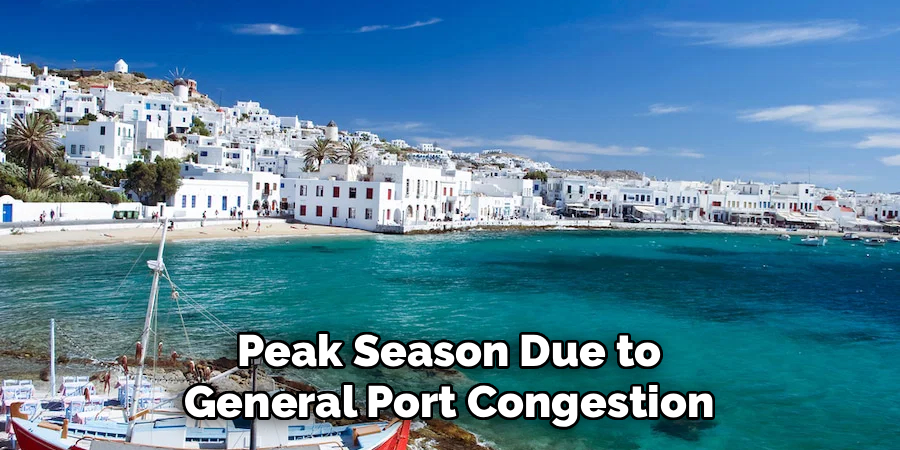
Keep in mind that high-speed ferries can experience minor delays during peak season due to general port congestion. Additionally, the seasonal Meltemi winds in August can sometimes slow down smaller vessels to ensure a smooth, comfortable ride.
Travel Essentials, Budget & Money Guide
Budgeting for this journey requires factoring in both your main ticket and your local port transfers. Ferry tickets will run you about 60 to 90 euros, while private port transfers can add another 20 to 40 euros depending on your hotel location.
While card payments are widely accepted on ferries and at airports, you should definitely carry some physical euro notes. Small cash denominations are crucial for tipping baggage handlers, buying water at the port, or paying for the local bus.
ATMs are readily available in both Mykonos Town and Fira, but they are relatively scarce directly at the ferry ports. To save a little extra money, pack your own snacks and drinks rather than purchasing them at the premium onboard cafeterias.
Travel Documents You Must Carry
Always carry your physical passport or a valid national ID card when hopping between the Greek islands. Even on domestic ferry routes, port authorities or crew members may randomly ask to verify your official identification.
Make sure you have offline copies of your digital boarding passes saved directly to your smartphone. Cell service at crowded ports can be incredibly spotty, making it very difficult to load emails at the last minute.
It is also wise to keep your hotel booking confirmations and emergency contacts easily accessible in your day bag. Finally, carrying proof of your travel insurance ensures peace of mind just in case of unexpected delays or weather cancellations.
Travel Tips for a Smooth Journey
Booking your tickets months in advance is the ultimate secret to a stress-free island transfer. Summer availability vanishes quickly, and booking last-minute fares can take a massive bite out of your overall travel budget.
Pack as lightly as possible, as dragging heavy suitcases up steep ferry ramps and cobbled island streets is physically exhausting. Consider using travel backpacks or high-quality spinner luggage to make navigating the busy summer crowds much easier.
Always check the local maritime weather forecast a day or two before your scheduled departure. If strong winds are predicted, arrive at the port early and prepare for a potentially bumpy ride across the open water.
Travel Safety, Health & Common Mistakes
When researching exactly how to travel from Mykonos to Santorini, prioritizing your personal safety and health is absolutely vital. The Aegean Sea can get very choppy, so take motion sickness medication an hour before boarding if you are prone to nausea.
A common mistake travelers make is trusting unofficial taxi drivers loitering around the exit points of the ports. Always use pre-booked transfers, official taxi ranks, or the local KTEL buses to avoid falling victim to tourist price gouging.
Keep a close eye on your belongings while waiting in crowded terminal lines, as pickpockets occasionally target distracted tourists. Maintain situational awareness, stay hydrated in the intense summer heat, and always follow the strict safety instructions of the ferry crew during boarding.
Frequently Asked Questions & Emergency Information
Is there a direct flight between the islands?
No, there are currently no direct commercial flights connecting these two destinations. You will need to book a flight that includes a short layover at the Athens International Airport.
Can I bring my rental car on the ferry?
Yes, many of the larger conventional ferries and some high-speed catamarans have spacious vehicle decks. However, you must explicitly book a vehicle ticket in advance and verify that your rental agency permits island hopping.
What happens if my ferry is canceled?
If severe weather conditions force a cancellation, the ferry company will typically offer you a seat on the next available boat or provide a full refund. You should contact your travel insurance provider to cover any unexpected hotel or meal costs.
In the highly unlikely event of a serious health or safety issue, dial 112 for the general European emergency line. You can also reach the local Greek police directly at 100, or call 166 to request immediate ambulance services to your location.
Conclusion
Knowing precisely how to travel from Mykonos to Santorini completely transforms an otherwise daunting transit day into an exciting Aegean voyage. The journey is remarkably straightforward once you understand the seasonal ferry schedules and prepare your port transfers well in advance.
Whether you choose the unmatched speed of a catamaran or the smooth stability of a larger vessel, the trip is a quintessential part of the Greek vacation experience. Proper planning guarantees you will spend less time stressing in terminal lines and much more time enjoying the spectacular coastal views.
Book your tickets early, pack your motion sickness precautions, and fully embrace the beautiful maritime journey. Your unforgettable caldera sunset is just a short, highly scenic boat ride away.

About
Ethan Brooks is a dedicated travel writer and tourism specialist with over a decade of experience exploring more than 150 countries. His professional focus centers on city routes and budget travel, where he combines real-world travel insights with efficient planning strategies.
Ethan is known for creating smart, well-structured travel systems that are practical, cost-effective, and easy to follow. As a core author at thetraveliy.com, he helps both first-time travelers and experienced explorers plan smooth, confident journeys.
Education
The University of Queensland (Australia) Bachelor’s Degree in Tourism Management
-
Focus: Global tourism systems, destination planning, and travel operations.
-
Specialization: Gained practical knowledge in travel logistics, itinerary development, and tourism industry structures.
Publications and Impact
At thetraveliy.com, Ethan Brooks publishes clear, structured, and experience-driven content focused on:
-
Transportation Logistics: Navigating complex transit systems with ease.
-
Itinerary Planning: Creating time-efficient schedules for any destination.
-
Budget-Friendly Solutions: Maximizing value without sacrificing the experience.
Ethan’s work simplifies complex travel decisions, making it easier for readers to plan efficient and affordable trips. By blending practical advice with real-world experience, he helps travelers create well-organized journeys while saving both time and money.