
Planning your Portuguese itinerary is always an exciting experience. Figuring out how to travel to Porto from Lisbon is an important part of organizing that perfect trip.

This specific route connects the country’s two most iconic cities, taking you from the vibrant capital to the historic northern hub. It is incredibly popular for tourism, business, and simply enjoying the scenic beauty of the coast.
Properly planning this trip saves you valuable time, reduces travel costs, and helps you avoid unnecessary stress. You will learn about the best travel methods, average costs, journey times, and helpful local insights.
There are plenty of convenient options to choose from. You can easily take a quick flight, board a comfortable high-speed train, catch a budget-friendly bus, or drive a rental car.
How to Get There
Both cities are well-connected by major transportation hubs. Lisbon features Humberto Delgado Airport, while Francisco Sá Carneiro Airport serves arrivals in the north.
Most travelers reach their starting point by using local metro lines or taxis directly to the central train or bus stations. The major routes include direct railways, well-paved highways for road trips, and frequent short-haul domestic flights.
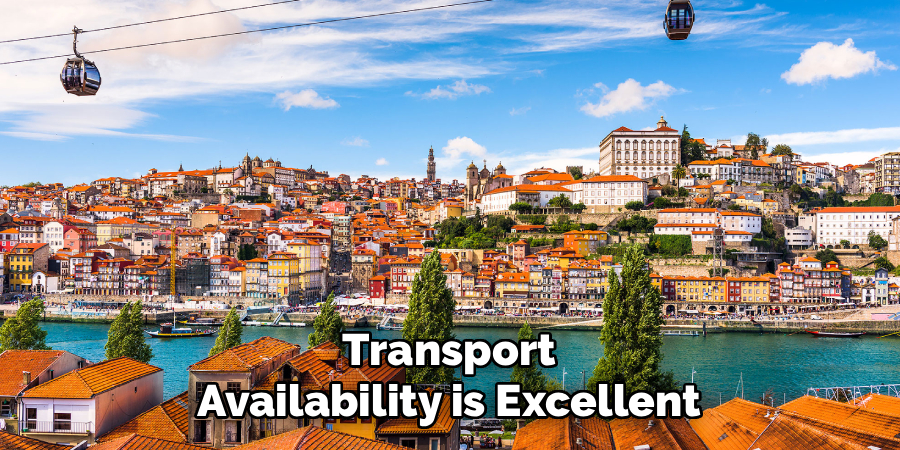
Depending on your chosen method, the general travel duration ranges from one hour by air to roughly three or four hours by land. Transport availability is excellent, with dozens of daily departures scheduled year-round.
The route overview is quite straightforward, heading almost entirely straight up the western coastline. A quick glance at Google Maps shows a direct northern trajectory on the A1 highway or the main railway line.
6 Simple Steps for the Journey to Porto From Lisbon
This section breaks down the entire transportation process into a manageable guide. There are multiple ways to make this journey, and selecting the right one depends on your schedule. Flight, train, bus, and car options are all covered across these stages to help you prepare.
Step 1: Choose Your Transport
Selecting your preferred method of transportation is the very first stage of planning. You can choose a high-speed train, a comfortable express bus, a rental car, or a short domestic flight.
The travel time varies greatly, ranging from one hour in the air to about three and a half hours on the road. Average costs typically range from twenty to forty dollars for buses and trains, while flights and car rentals are generally higher.
Comfort levels are generally high across the board, especially on the premium Alfa Pendular trains. This step is perfect for budget travelers seeking buses, or comfort-seekers looking at flights and premium rail.
Step 2: Book Your Tickets in Advance
Securing your tickets early guarantees your spot and often provides much better pricing. Trains and buses run daily with high frequency, but they still sell out during peak summer tourist seasons.
Reserving a seat online takes only a few minutes and ensures you get the exact departure time you want. Early booking costs remain on the lower end of the budget spectrum, maximizing your vacation funds.
The comfort of knowing your itinerary is set provides great peace of mind before you even pack. This step is essential for everyone, particularly families or large groups wanting to sit together.

Step 3: Pack Your Travel Essentials
Getting your luggage ready ensures a smooth transition between these two major destinations. Keep in mind that different transport methods have varying baggage allowances and restrictions.
Trains and buses offer a high level of comfort with generous, flexible luggage policies at no extra cost. Budget flights, however, often charge steep fees for checked bags and have strict carry-on size limits.
Preparing a small day bag with water, snacks, and electronics makes the three-hour journey much more pleasant. This approach is best for travelers who want to remain mobile and avoid heavy lifting at stations.
Step 4: Arrive at the Departure Point
Getting to your specific station or terminal on time is crucial for a stress-free travel day. Lisbon has several major departure points, including Santa Apolónia train station, Oriente station, and Sete Rios bus terminal.
You should plan your local transit to arrive at least thirty minutes early for trains and buses. If you are catching a domestic flight, arriving roughly two hours before departure is standard practice.
The cost of a local metro or taxi ride to these hubs is very low and highly convenient. Giving yourself a time buffer is a practical tip that works perfectly for cautious travelers.
Step 5: Enjoy the Scenic Journey
Once you are on board, you can finally relax and watch the beautiful Portuguese countryside roll by. The overland routes offer a medium to high comfort level, complete with air conditioning and often free onboard internet.
The train ride provides particularly lovely views of coastal towns, lush green valleys, and traditional architecture. Total travel time feels remarkably short when you are enjoying the passing scenery or reading a good book.
Snack bars are frequently available on premium trains, while bus riders might enjoy a quick scheduled rest stop. This relaxing phase of the trip is wonderful for tourists wanting to see more of the country’s landscape.
Step 6: Navigate Your Arrival in Porto
Arriving in the northern capital requires a brief orientation to reach your final accommodation safely. Most trains pull into Campanhã station, where you can easily transfer to the central São Bento station.

Bus terminals are generally located very close to the central downtown area and public transit links. Taxis, ride-shares, and an excellent metro system are all readily available right outside the transit hubs.
The cost for this final local transfer is just a few dollars, and it only takes a few minutes. Knowing your final local transit route in advance is a great tip for tired travelers carrying heavy bags.
Pros and Cons of Each Travel Option
Every available transportation method has its own advantages and potential disadvantages. Flights are incredibly fast in the air, but airport security and transfers add significant time and hassle.
Trains offer an excellent balance of speed, high comfort, and the convenience of city-center departures. However, train tickets can become somewhat expensive if you wait until the last minute to purchase them.
Buses are highly flexible and very cost-effective, though they can occasionally face traffic delays on the highway. Renting a car provides total freedom to explore small villages, but dealing with parking and toll roads is a definite drawback.
Best Way to Travel
Taking the high-speed Alfa Pendular train is generally considered the best overall choice for this journey. It offers an exceptional balance of reasonable costs, fast travel times, and spacious seating.
The convenience of traveling directly from one city center to another eliminates the need for lengthy airport transfers. Reliability is a major benefit, as the railway system runs smoothly and avoids highway traffic congestion.
This option perfectly suits the average traveler who wants comfort without paying premium luxury prices. It is simply more relaxing than flying and noticeably faster than taking a long-distance bus.
Cheapest Way to Travel
The long-distance express bus is undeniably the most budget-friendly way to move between the two cities. Average prices usually hover between ten and twenty dollars, depending on how early you secure your seat.
It is the cheapest choice because multiple operators run frequent, highly competitive shared transport services every day. The main trade-off is a slightly longer journey time and a bit less legroom compared to the train.
Buses run regularly from early morning until late at night, offering great flexibility for your itinerary. Booking a few weeks in advance is a smart tip to lock in the absolute lowest fares.
Fastest Way to Travel
Flying is technically the fastest method, with the actual time in the air taking just under an hour. Direct routes between the two major airports are incredibly brief and feature no intermediate stops.
However, you must factor in the extra time needed for airport security, baggage claim, and traveling outside the city centers. When adding these elements, the total door-to-door travel time is often similar to that of the high-speed rail.
The convenience of a quick flight is sometimes overshadowed by the strict schedules of air travel. Direct connecting flights remain widely available for those who prefer to travel exclusively by air.
Travel Documents You Must Carry
Keeping your official paperwork organized is essential for a smooth and uninterrupted vacation. You must carry a valid Passport or National ID card, and a visa if your specific nationality requires one.
Digital and printed copies of your train, bus, or flight tickets should be kept easily accessible. It is also wise to have your hotel booking confirmation and a copy of your travel insurance on hand.
If you plan on renting a car, a valid driver’s license and an international driving permit might be needed. Keep all your debit cards and photocopies safely stored in a secure travel folder.

Estimated Budget & Money-Saving Tips
Creating a realistic estimated budget helps you enjoy your trip without financial worries. A mid-range transit budget for this route is typically around thirty to forty dollars per person for a train ticket.
Additional costs like a quick local metro ride and a station sandwich will add about ten dollars to your total. You can save money easily by booking tickets well in advance and traveling during off-peak weekday hours.
Using public transportation to reach the stations instead of private taxis is another great way to cut costs. Always check for youth, senior, or group discounts if you are booking tickets directly through the official transit websites.
Currency & Money Management
Portugal uses the Euro as its official local currency across the entire country. Having a basic understanding of the current exchange rate helps you track your daily spending accurately.
Contactless payments and international credit or debit cards are widely accepted at stations and local businesses. ATMs are easily accessible inside the transit hubs if you need to withdraw funds upon arrival.
It is always a good idea to carry a small amount of cash for minor purchases like a coffee or a local bus fare. Keep your money in separate secure places to avoid losing your funds and watch out for unnecessary ATM conversion fees.
Internet & WiFi Availability
Staying connected while on the move is very easy thanks to excellent local infrastructure. Public WiFi is widely available at airports, major train stations, bus terminals, and local cafes.
The internet speed is generally fast and reliable in urban areas and along the main travel corridors. Free onboard WiFi is provided on premium trains and many express buses, though mobile data serves as a great backup.
Always use caution and consider a VPN when connecting to unsecured free public networks. You can also expect high-quality internet access once you arrive at your hotel or accommodation.

Travel Tips
Following a few simple guidelines guarantees a smooth and highly enjoyable journey. When considering how to travel to Porto from Lisbon, planning and booking your tickets well in advance is highly recommended.
Arriving early at the airport or transit station keeps your stress levels low and gives you time to find your platform. Keeping your important documents organized and packing light makes moving through crowded areas much easier.
Always check the local weather forecast before you depart so you can dress appropriately for the journey. Using navigation apps on your smartphone is a fantastic way to stay updated on transit schedules and local directions.
Travel Safety, Common Scams & Mistakes to Avoid
Maintaining general travel safety awareness ensures a positive and secure vacation experience. While the country is very safe, travelers should watch out for common scams like fake taxis or heavily overpriced tourist services.
Stay alert and always verify that you are using official, licensed transportation providers at the stations. You can easily identify suspicious situations by avoiding overly aggressive vendors who approach you directly with unsolicited offers.
Keep your valuable items like phones, wallets, and passports secure in zipped bags close to your body. Avoid sharing your personal accommodation details with strangers and remain vigilant when navigating through crowded tourist areas.
Safety & Health Precautions
Combining standard safety practices with basic health precautions keeps you feeling great on the road. Simple health habits like staying hydrated, practicing good hand hygiene, and eating properly stored food go a long way.
Common travel risks mostly involve navigating densely crowded spaces or accidentally wandering into unfamiliar, poorly lit areas at night. Carrying a small first-aid kit with basic medicines for headaches or motion sickness is always a sensible idea.
Tap water is perfectly safe to drink, helping you avoid illness while staying hydrated on a budget. Keep a list of emergency contacts accessible and always practice responsible, cautious behavior in new environments.
Emergency Contacts & Useful Links
Having access to crucial contact information provides a vital safety net during your trip. The national emergency number for police, ambulance, and fire services is 112.
It is highly recommended to keep your specific embassy or consulate contact details saved in your phone. You should also save the customer service helplines for your chosen airline, railway, or bus operator in case of delays.
Official government tourism websites provide excellent general guidance for international visitors. Saving these important contacts offline ensures you can reach help even if you lose your internet connection.
Frequently Asked Questions
What is the fastest way to travel from Lisbon to Porto?
Flying is technically the quickest method in terms of direct travel time. However, taking the high-speed Alfa Pendular train is often faster overall when you factor in early airport arrivals and security lines.

Is there a budget-friendly option for How to Travel to Porto From Lisbon?
Yes, taking a long-distance express bus is incredibly affordable for budget-conscious travelers. Tickets can cost as little as ten dollars if you book them a few weeks in advance of your departure date.
How often do trains run between these two cities?
Trains operate on a highly frequent schedule every single day of the week. There are dozens of daily departures from early morning until late evening, making it very easy to fit into your itinerary.
Conclusion
Learning how to travel to Porto from Lisbon is the first step toward an unforgettable European adventure. The journey connecting these two incredible destinations is entirely straightforward, highly efficient, and wonderfully scenic.
You can rest easy knowing that the local transportation network is modern, safe, and heavily tailored to international visitors. Taking the time to prepare your luggage, book tickets early, and understand the route makes everything seamless.
Remember to keep your belongings secure and simply enjoy the beautiful views out the window. Have a fantastic trip, and always double-check your departure platform as soon as you arrive at the station.

About
Ethan Brooks is a dedicated travel writer and tourism specialist with over a decade of experience exploring more than 150 countries. His professional focus centers on city routes and budget travel, where he combines real-world travel insights with efficient planning strategies.
Ethan is known for creating smart, well-structured travel systems that are practical, cost-effective, and easy to follow. As a core author at thetraveliy.com, he helps both first-time travelers and experienced explorers plan smooth, confident journeys.
Education
The University of Queensland (Australia) Bachelor’s Degree in Tourism Management
-
Focus: Global tourism systems, destination planning, and travel operations.
-
Specialization: Gained practical knowledge in travel logistics, itinerary development, and tourism industry structures.
Publications and Impact
At thetraveliy.com, Ethan Brooks publishes clear, structured, and experience-driven content focused on:
-
Transportation Logistics: Navigating complex transit systems with ease.
-
Itinerary Planning: Creating time-efficient schedules for any destination.
-
Budget-Friendly Solutions: Maximizing value without sacrificing the experience.
Ethan’s work simplifies complex travel decisions, making it easier for readers to plan efficient and affordable trips. By blending practical advice with real-world experience, he helps travelers create well-organized journeys while saving both time and money.