

Quick Answer: Traveling from Niagara Falls to Toronto is simple by train, bus, car, or guided transfer. Most trips take about 1.5 to 2.5 hours, depending on traffic and schedule. Planning helps you save money, avoid delays, and choose the most comfortable option for your itinerary.

Introduction
Planning how to Travel From Niagara Falls to Toronto is easier than many first-time visitors expect. This route is popular with travelers who want to pair the natural beauty of the falls with Toronto’s museums, neighborhoods, shopping, and food scene in one smooth trip.
The journey is important because it connects two of Ontario’s best-known destinations without much hassle. With a little planning, you can compare train service, bus routes, rental cars, taxis, and day tour options, then choose the one that fits your budget, schedule, and comfort level.
How to Get There
Niagara Falls and Toronto are about 80 to 85 miles apart, or roughly 130 kilometers, depending on your starting point and final stop. Most travelers leave from central Niagara Falls, Niagara Falls train station, or a local bus pickup point, then arrive at Toronto Union Station, a downtown bus terminal, or directly at a hotel by car or taxi.
You can travel by GO Train, intercity bus, rental car, private transfer, or organized tour. Travel time usually ranges from about 1.5 hours to 2.5 hours, though traffic can stretch that longer on weekends or holidays. In simple terms, you head northwest from Niagara Falls along the QEW corridor into the Greater Toronto Area.

6 Proven Steps on How to Travel from Niagara Falls to Toronto
Step 1: Choose the Best Transport for Your Schedule
Start by deciding what matters most on this journey: price, speed, comfort, or flexibility. If you want a relaxed ride, train service is a solid choice. If keeping costs low matters most, bus tickets are often the cheapest. Drivers may prefer a rental car for door-to-door freedom.
Think about where you are staying in both cities before you book. A downtown hotel near Union Station makes rail travel very easy, while a suburban stop may make a car or private transfer more practical.
Step 2: Check Timetables and Book Ahead
Once you choose your transportation, check the latest departure times and reserve your seat if needed. Train and bus schedules can change by season, weekday, or holiday, so it helps to confirm the exact timetable before travel day. Early booking also gives you better prices and fewer last-minute surprises.
If you are driving, this step still matters. Review traffic patterns, parking rates in Toronto, and the best arrival time. A little planning now can save both money and stress later.
Step 3: Get to Your Departure Point Early
Arrive at your station, stop, or pickup area a little early, especially if you are carrying luggage. For trains and buses, getting there 15 to 30 minutes ahead gives you time to find the platform, check signs, and settle in without rushing. It also helps if schedules shift.
If you are leaving by car, build in extra time for fueling, loading bags, and navigating out of Niagara Falls. A calm start often sets the tone for the rest of the day.
Step 4: Keep Tickets and Essentials Ready
Before boarding, make sure your ticket, phone, ID, wallet, and any hotel details are easy to reach. Digital tickets work well for most travelers, but a printed backup can still be useful if your battery runs low or mobile service becomes spotty. Keep your bag organized so you are not searching at the last minute.
Pack a few simple travel essentials, too. Water, a light snack, a charger, and a jacket can make the ride much more comfortable, especially if the weather changes.
Step 5: Board Smoothly and Follow the Route
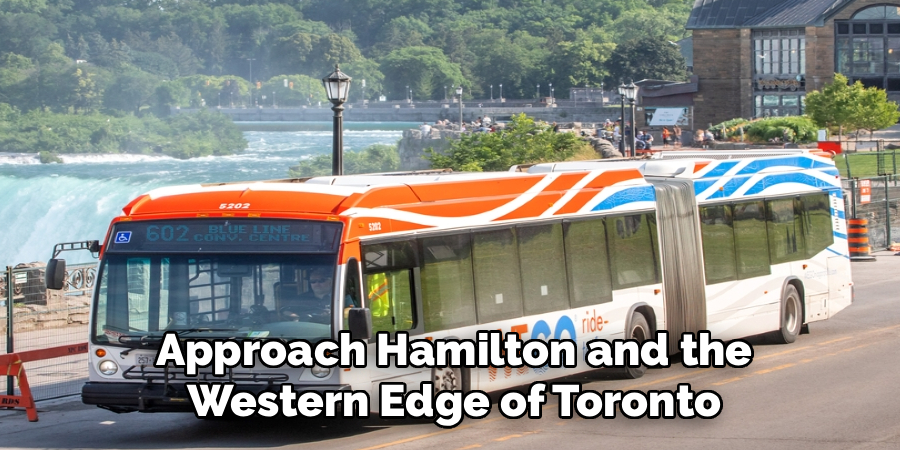
When boarding begins, follow the posted signs or staff instructions and take your seat without delay. Train travel usually offers a more spacious ride, while buses may make a few stops before reaching downtown Toronto. If you are driving, stay alert for traffic slowdowns as you approach Hamilton and the western edge of Toronto.
Most journeys are straightforward, but weekend congestion can add time. Staying flexible helps, especially if your arrival connects to another reservation, event, or hotel check-in.
Step 6: Plan Your Arrival in Toronto
The final part of the trip is getting from your arrival point to your hotel, attraction, or next connection. Union Station is ideal for downtown stays because it connects easily to taxis, rideshares, streetcars, and the TTC subway. Bus arrivals are also convenient, though your final transfer may vary by stop.
If you drive, confirm parking before you enter the city center. Toronto can feel busy at first, but with an address saved on your phone, the last stretch is usually simple.
Pros, Best & Cheapest Ways to Travel
Each option has clear strengths. Trains are comfortable, easy to navigate, and great for travelers who want a smooth ride without highway stress. Buses are usually the cheapest and work well for flexible budgets, though they can feel slower if traffic builds. Cars offer the most freedom and direct access, but fuel, toll-related route choices, and parking can raise the total cost.
For most people, the best overall option is train travel because it balances comfort, convenience, and predictable arrival. The cheapest option is usually the bus, while the best choice for families or travelers with many stops may be a car.

Fastest Way to Travel
The fastest way to make this trip is usually by car or private transfer when traffic is light. In ideal conditions, the drive can take around 1.5 hours, making it faster than some public transportation options that follow fixed schedules or make extra stops.
That said, door-to-door time matters more than raw driving time. Heavy traffic near Toronto can quickly erase that advantage. If your hotel is close to Union Station, the train may feel nearly as fast in real terms because you avoid parking, highway delays, and the final downtown drive.
Travel Essentials, Budget & Money Guide
This trip can be very affordable if you plan. Budget travelers may spend a modest amount on a one-way bus or train ticket, while private transfers and rental cars will cost more once you add fuel and parking. Food, coffee, and local transit in Toronto should also be part of your daily spending plan.
Cards are widely accepted in both Niagara Falls and Toronto, so you usually do not need much cash. Still, carrying a small amount for quick purchases can be helpful. ATMs are easy to find in both cities, including near stations and major tourist areas. To save money, book early, avoid peak times, and compare total door-to-door costs instead of just the base fare.
Travel Documents You Must Carry
For most travelers making this trip within Canada, a government-issued photo ID is the main document you should carry. If you are visiting from another country, keep your passport with you as well. International visitors should also make sure they understand their entry status and carry documents that match their accommodation and onward travel plans.
It is smart to keep digital and printed copies of your train or bus ticket, hotel confirmation, and travel insurance details. Save emergency contacts in your phone and write down a backup copy on paper. If you are crossing from the U.S. side before starting the trip, make sure your border documents are valid and easy to access.
Travel Tips for a Smooth Journey
Book your transport early if you are traveling on weekends, holidays, or during the summer tourist season. That simple step can improve your fare, your departure choices, and your seat selection. Try to arrive early at the station or pickup point so the day begins without stress.
Travel apps can help you track departure times, platform changes, and traffic conditions. Pack light if possible, check the weather before leaving, and avoid peak commuter hours when heading into Toronto. A small amount of planning makes this short trip feel even easier.

Travel Safety, Health & Common Mistakes
When planning how to Travel From Niagara Falls to Toronto, the smartest approach is to keep things simple and stay aware of your surroundings. Use official train services, licensed buses, marked taxis, or trusted rideshare apps. In busy stations and tourist zones, keep your wallet, phone, and passport secure and avoid leaving bags unattended.
One common mistake is underestimating Toronto traffic, especially on Friday afternoons, holiday weekends, and during major events. Another is booking the cheapest ticket without checking the arrival location or transfer needs. Dress for the weather, carry water, and leave extra time in your itinerary so minor delays do not disrupt the rest of your plans.
Frequently Asked Questions & Emergency Information
Is there a direct train from Niagara Falls to Toronto?
Yes, there are direct train options on some schedules, and they are one of the easiest ways to travel if you want a simple, comfortable ride into downtown Toronto.
Is the bus cheaper than the train?
Usually, yes. Bus fares are often lower, especially if you book early, but total travel time may be less predictable because highway traffic can slow the journey.
Can you do this trip as a day journey?
Yes, many travelers do. The route is short enough for a same-day return, though staying overnight in Toronto gives you more time to explore comfortably.
In Canada, 911 is the main emergency number for police, fire, and medical response. If you are an international visitor, keep your country’s embassy or consulate details saved in your phone, along with your hotel contact and transportation booking information.
Conclusion
How to Travel From Niagara Falls to Toronto is straightforward, flexible, and well-suited to first-time visitors. Whether you choose the train for comfort, the bus for savings, or a car for freedom, the route is easy to manage with a little planning. Compare schedules, think about your final arrival point, and keep your essentials close. Once those basics are covered, you can enjoy the journey and make the most of both destinations.

About
Ethan Brooks is a dedicated travel writer and tourism specialist with over a decade of experience exploring more than 150 countries. His professional focus centers on city routes and budget travel, where he combines real-world travel insights with efficient planning strategies.
Ethan is known for creating smart, well-structured travel systems that are practical, cost-effective, and easy to follow. As a core author at thetraveliy.com, he helps both first-time travelers and experienced explorers plan smooth, confident journeys.
Education
The University of Queensland (Australia) Bachelor’s Degree in Tourism Management
-
Focus: Global tourism systems, destination planning, and travel operations.
-
Specialization: Gained practical knowledge in travel logistics, itinerary development, and tourism industry structures.
Publications and Impact
At thetraveliy.com, Ethan Brooks publishes clear, structured, and experience-driven content focused on:
-
Transportation Logistics: Navigating complex transit systems with ease.
-
Itinerary Planning: Creating time-efficient schedules for any destination.
-
Budget-Friendly Solutions: Maximizing value without sacrificing the experience.
Ethan’s work simplifies complex travel decisions, making it easier for readers to plan efficient and affordable trips. By blending practical advice with real-world experience, he helps travelers create well-organized journeys while saving both time and money.