
Budget travel is a popular way to explore the world on a low budget without missing out on great experiences. Figuring out how to save money while travelling helps you enjoy your journey longer and visit more places. Flights, hotels, food, and transport can be expensive, so thorough planning is incredibly important.

Without careful budgeting, your travel costs can increase quickly and create unnecessary financial stress. This guide helps you manage your money effectively while still enjoying every moment of your trip. We will share simple planning techniques and smart money-saving strategies that anyone can use.
These practical tips work perfectly for solo adventurers, groups of friends, and families alike. By making a few adjustments to your itinerary, you keep your expenses low and your travel satisfaction high. You will learn to navigate the globe comfortably and affordably.
Why Budget Travel Matters
Budget travel helps you control expenses and avoid the financial stress that often comes with vacations. Smart spending lets you travel for longer periods and visit more places on a single trip. When you understand your financial limits, you can focus fully on enjoying your surroundings.
This approach improves your decision-making for transportation, overnight stays, and daily food expenses. It makes international and domestic travel possible for students, large families, and people of all income levels. Keeping costs down supports long-term explorations and allows for more frequent travel plans throughout the year.
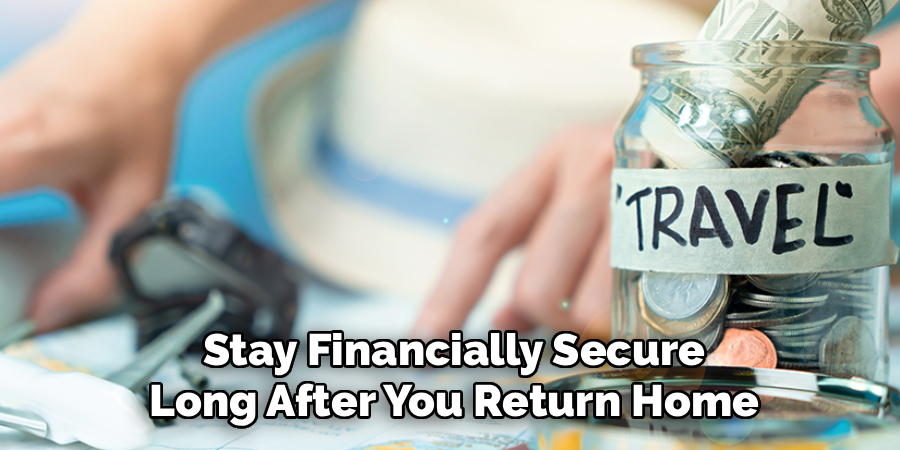
Learning to stretch your dollars means you never have to sacrifice the quality of your experiences. Overall, sensible spending helps you travel freely and stay financially secure long after you return home.
6 Proven Steps on How to Save Money While Travelling
This section provides a practical step-by-step guide to keep your finances in check during your journey. The process of saving funds varies depending on your specific situation, your chosen destination, or your personal travel style. This comprehensive guide will cover all major areas related to managing your funds effectively on the road.
Step 1: Start Planning Early to Secure Deals
Booking your flights and accommodations months in advance is the foundation of budget travel. Airlines and hotels usually offer their lowest prices to those who reserve their spots before the rush. You lock in great rates and avoid the sudden price hikes that happen closer to your departure date. This initial step of how to save money while travelling ensures you have more funds left for daily activities.
Step 2: Track Your Daily Spending Carefully
Keeping an eye on every dollar you spend prevents you from accidentally blowing your entire budget in a few days. You can use simple smartphone apps or a basic notebook to record your daily food, transport, and souvenir costs. Being aware of your spending patterns helps you adjust your habits immediately if you notice you are spending too much. Monitoring your expenses gives you the confidence to enjoy your trip without constant money worries.
Step 3: Choose Alternative Accommodation Options
Staying in standard hotels often consumes the largest portion of your overall vacation budget. Booking comfortable hostels, family-run guesthouses, or shared vacation rentals significantly drops your nightly expenses. These alternative stays frequently provide kitchen access, which allows you to cook your own meals and save even more money. Interacting with local hosts also gives you access to insider tips about affordable neighborhood attractions.
Step 4: Eat Like a Local Resident
Dining at restaurants located right next to major tourist landmarks usually guarantees inflated prices and average food quality. Wandering a few streets away from the main squares leads you to authentic eateries where the locals actually dine. Exploring neighborhood street food stalls and vibrant farmers markets provides delicious meals for a fraction of restaurant prices. Enjoying regional dishes this way immerses you in the local culture while protecting your wallet.
Step 5: Master Public Transportation Systems
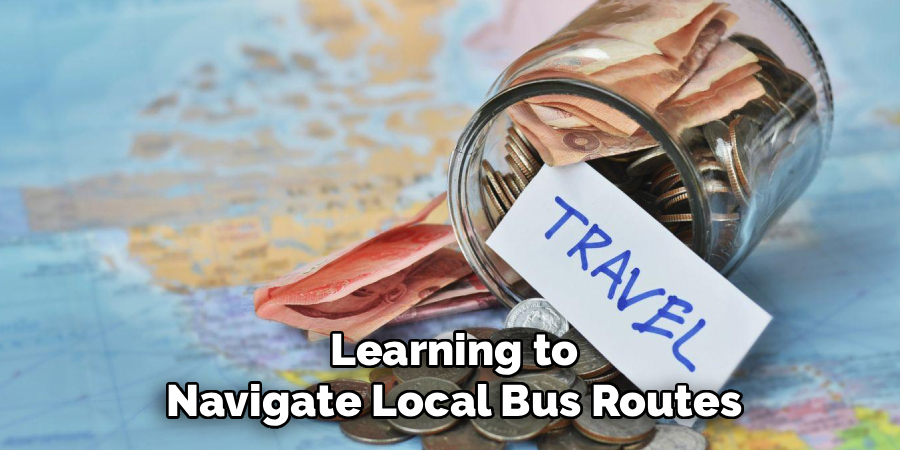
Relying on private taxis or ride-sharing apps quickly drains your daily travel allowance. Learning to navigate local bus routes, subway networks, and regional train systems offers a massive financial advantage. Purchasing multi-day transit passes or rechargeable city cards usually provides the most cost-effective way to get around town. Riding alongside residents also gives you a genuine feel for the daily rhythm of your destination.
Step 6: Find Free and Discounted Attractions
Many world-class museums, beautiful public parks, and historic neighborhoods cost absolutely nothing to explore and enjoy. Checking community calendars often reveals free festival days, complimentary walking tours, and discounted museum entry hours. Asking the staff at your accommodation for their favorite no-cost recommendations always uncovers hidden gems. Filling your itinerary with these zero-cost activities balances out the days when you pay for premium excursions.
Cheapest Ways to Travel
Finding the cheapest ways to travel often requires a bit of flexibility and a willingness to explore alternative routes. Using long-distance buses, regional trains, and low-cost regional airlines significantly helps you save money between destinations. If you know how to save money while travelling, you will naturally gravitate toward travelling on flexible dates to get cheaper flights. Shifting your departure by just a day or two often reveals massive discounts on airfare.
Booking early or grabbing last-minute deals provides excellent opportunities for deep discounts on otherwise expensive journeys. Taking overnight buses or sleeper trains serves a dual purpose by saving on both transportation and hotel costs. Using shared rides, reliable carpooling networks, or comprehensive transport passes keeps your daily transit budget incredibly low. Finally, planning your adventures during the off-season guarantees much lower overall prices for flights and lodging.
Accommodation, Transport & Money-Saving Tips
Choosing affordable accommodations like budget hotels, comfortable hostels, or shared homestays frees up cash for exciting experiences. Booking your rooms early or taking advantage of last-minute cancellation deals often results in significantly better prices. Staying just outside the main tourist areas greatly reduces your hotel costs while offering a quieter environment. A short commute into the city center is usually worth the substantial savings on your room rate.
Using public buses, municipal metros, or multi-day travel passes instead of expensive private taxis keeps transport costs manageable. Eating your meals at local neighborhood markets or cheap, authentic restaurants stretches your daily food budget considerably. Utilizing digital apps, promotional coupons, and student or senior discounts provides extra savings on everyday purchases. Small daily reductions in your spending add up to massive savings over the course of a long trip.
Travel Preparation, Documents & Budget Tips
Thorough preparation prevents costly mistakes that can quickly derail your carefully planned vacation budget. Always check your passport validity, necessary visas, personal ID, and printed tickets weeks before your actual travel date. Reviewing specific country entry rules and strict airline baggage policies early saves you from unexpected fees at the airport. Organizing these essential documents ensures a smooth transit process without any expensive emergency interventions.
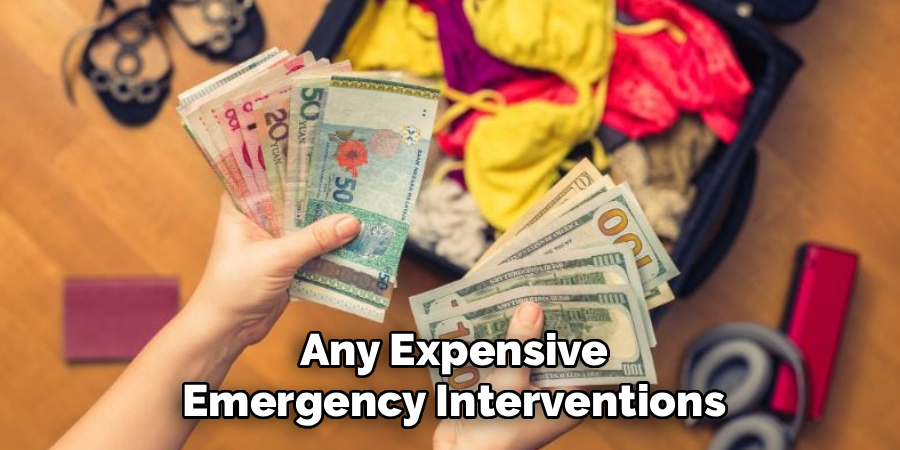
Booking your domestic flights and initial hotels early helps you lock in better prices before availability drops. Purchasing reliable travel insurance covers you for unexpected medical emergencies and expensive trip cancellations. Packing light in a single carry-on bag helps you avoid extra checked baggage fees that budget airlines heavily enforce. Arranging your internet access with a local SIM card, affordable roaming plan, or offline maps prevents massive cellular charges.
Travel Safety & Health Tips (Budget Travel)
Budget travel may sometimes include minor safety risks, so you must always stay alert in crowded or unfamiliar areas. Choosing safe, well-reviewed accommodation in secure neighborhoods reduces risks and ensures you stay comfortable throughout your journey. Researching the safety profile of a destination ahead of time prevents you from wandering into dangerous situations. Protecting your belongings allows you to enjoy the sights without constant anxiety.
Eating at clean, busy, and trusted places helps you avoid food-related illness while simultaneously saving you money. Make sure to drink safe, purified water and maintain basic hygiene habits like frequent handwashing throughout the day. Carrying basic medicines for unexpected fevers, stomach issues, or motion sickness prevents expensive visits to foreign pharmacies. Balancing the desire to save money with smart safety practices allows you to enjoy a healthy and stress-free trip.
Common Mistakes to Avoid
Last-minute booking often drastically increases your travel costs and severely reduces your access to good lodging options. Waiting too long to finalize plans usually forces you to pay premium prices for sub-par services. Ignoring hidden fees like checked baggage, airport transport, and city taxes can easily break your daily budget. Always read the fine print before clicking the final confirmation button on any travel purchase.
Not setting a clear, realistic budget almost always leads to massive overspending during the excitement of the trip. Choosing unsafe accommodation only to save a few dollars can cause serious risks and ruin your comfort. Overpacking increases annoying airline baggage fees and makes navigating public transportation much harder. Having no emergency backup money can create serious problems in unexpected situations like missed flights or medical issues.
Frequently Asked Questions
What is the best way to handle currency exchange?
The best option is usually withdrawing local currency directly from an ATM when you arrive at your destination. This method typically costs less and offers better exchange rates than airport kiosks. Avoid carrying excessive amounts of cash at once.
How to save money while travelling during peak seasons?
Booking your flights and rooms several months in advance is the most effective way to secure lower prices. Traveling mid-week instead of on weekends also cuts costs significantly. Seek out less popular, alternative destinations to avoid major crowds.
Is travel insurance really worth the extra cost?
Yes, travel insurance protects your finances from massive losses due to sudden cancellations or medical emergencies abroad. The small upfront cost saves you from potentially devastating expenses later. It provides essential peace of mind during your journey.
Conclusion
How to save money while travelling is easy when you plan your trip thoughtfully and control your expenses wisely. Making smart, deliberate choices in transportation, overnight stays, and daily spending helps you save significantly more money. Small financial decisions compound quickly, leaving you with extra funds for memorable experiences.
With proper preparation and consistent safety awareness, you can always enjoy a completely smooth and stress-free journey. Taking the time to research your options before you leave your house sets you up for financial success. Even on a very low budget, excellent planning lets you travel more frequently and experience the world much better.

About
Ethan Brooks is a dedicated travel writer and tourism specialist with over a decade of experience exploring more than 150 countries. His professional focus centers on city routes and budget travel, where he combines real-world travel insights with efficient planning strategies.
Ethan is known for creating smart, well-structured travel systems that are practical, cost-effective, and easy to follow. As a core author at thetraveliy.com, he helps both first-time travelers and experienced explorers plan smooth, confident journeys.
Education
The University of Queensland (Australia) Bachelor’s Degree in Tourism Management
-
Focus: Global tourism systems, destination planning, and travel operations.
-
Specialization: Gained practical knowledge in travel logistics, itinerary development, and tourism industry structures.
Publications and Impact
At thetraveliy.com, Ethan Brooks publishes clear, structured, and experience-driven content focused on:
-
Transportation Logistics: Navigating complex transit systems with ease.
-
Itinerary Planning: Creating time-efficient schedules for any destination.
-
Budget-Friendly Solutions: Maximizing value without sacrificing the experience.
Ethan’s work simplifies complex travel decisions, making it easier for readers to plan efficient and affordable trips. By blending practical advice with real-world experience, he helps travelers create well-organized journeys while saving both time and money.