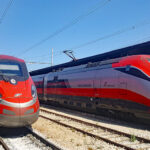

Quick Answer: The easiest way to go from Milan to Venice is by train, with direct high-speed services taking about 2.5 to 3 hours. You can also travel by bus, car, or private transfer, depending on your budget, schedule, and comfort preferences.
Introduction
If you are planning how to travel from Milan to Venice, you are choosing one of Italy’s most popular and rewarding city-to-city routes. This journey connects a fast-paced fashion capital with a timeless canal city, which makes it a favorite for first-time visitors, couples, and multi-city travelers.
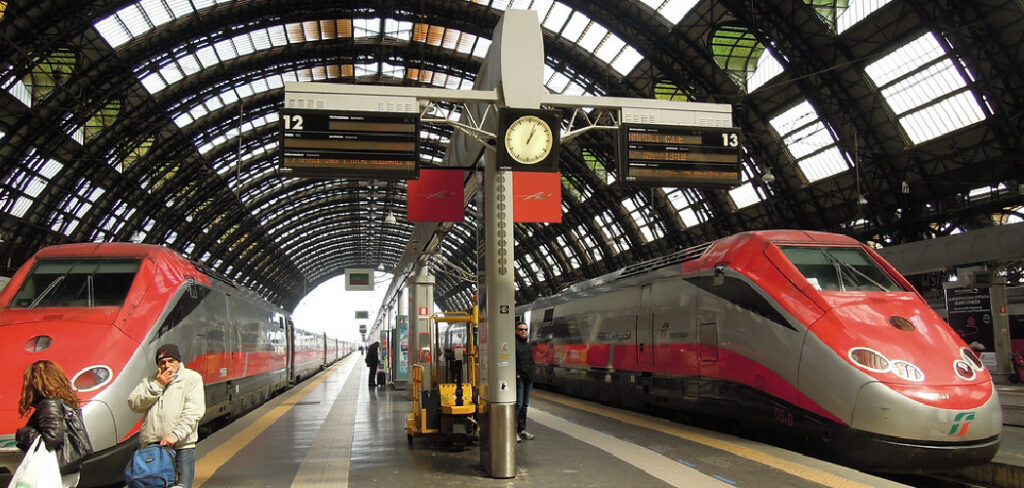
The good news is that the route is simple, well-connected, and flexible. With trains, buses, rental cars, and private transfers available, you can pick the option that fits your budget and travel style. A little planning helps you save money, avoid delays, and enjoy a smoother itinerary from departure to arrival.
How to Get There
Milan and Venice are about 165 to 170 miles apart, depending on your route. Most travelers start from Milano Centrale or Milano Porta Garibaldi and arrive at Venezia Santa Lucia, the main station on the Grand Canal. If you are flying in, Milan’s airports connect easily to the city center by shuttle, train, or taxi.
The most common transportation choice is the train because it is direct, comfortable, and fast. Buses are usually cheaper but take longer, while driving gives you more freedom if you want to stop in places like Verona or Padua. In general, travel time ranges from around 2.5 hours by high-speed rail to 4 or more hours by bus or car, depending on traffic and connections.
6 Simple Steps on How to Travel from Milan to Venice
Step 1: Choose the Right Transport Option
Start by deciding what matters most to you: speed, price, comfort, or flexibility. High-speed trains are usually the best fit for most travelers because they are efficient and easy to book. Regional trains cost less but take longer and may involve more stops.
If you are on a tight budget, check long-distance buses. They often have lower fares, especially if you book early. A rental car works well if Venice is one stop on a longer road trip, but it is less convenient if Venice is your final destination.

Step 2: Book Your Tickets Early
Once you know your transport type, book as early as you can. Train fares in Italy often rise as seats fill up, especially on popular morning and weekend departures. Early booking usually gives you better prices and more choices for seat class and departure time.
Keep a copy of your ticket on your phone and, if possible, save an offline version too. If you prefer extra peace of mind, print it as a backup. For buses and private transfers, confirm luggage rules, pickup points, and cancellation terms before payment.
Step 3: Reach the Departure Point on Time
On travel day, give yourself enough time to get to the station or pickup area without stress. Milano Centrale is large and busy, so arriving at least 20 to 30 minutes early is a smart move. That gives you time to check the departure board, find your platform, and buy snacks or water.
If you are leaving from the airport area instead of central Milan, plan the transfer. Airport shuttles, taxis, and local trains can take longer during rush hour. A simple buffer can make the whole journey feel easier.
Step 4: Board and Settle In
Before boarding, check your train number, coach number, and seat assignment if one is included. Some Italian train services require validation rules or boarding checks, while others use digital scans on board. Read your ticket carefully so there are no surprises.
Once on board, store larger bags in the luggage racks and keep valuables close to you. Trains usually have a calm, comfortable setup for reading, resting, or watching the scenery. On a bus, keep essentials like your wallet, charger, and passport in a small day bag.

Step 5: Enjoy the Journey Across Northern Italy
The ride from Milan to Venice is straightforward and pleasant. On high-speed rail, the trip often takes around 2 hours and 30 minutes to 3 hours and may pass through cities such as Brescia, Verona, or Padua. Regional trains take longer but can offer a slower, more local experience.
This is a good time to review your arrival plan. If you are staying near the Grand Canal, arriving at Venezia Santa Lucia is especially convenient. If your hotel is farther out, look up the nearest vaporetto stop or walking route before you arrive.
Step 6: Arrive in Venice and Reach Your Final Stop
Most visitors arrive at Venezia Santa Lucia, which places you right at the edge of historic Venice. From there, you can walk, take a vaporetto water bus, or use a water taxi, depending on your hotel location and budget. Venice is beautiful, but it can be confusing at first, so having your directions ready helps.
If you are driving, you cannot take your car into the historic center. You will need to park in Piazzale Roma or Tronchetto and continue on foot or by water transport. Pack light if possible, since bridges and narrow lanes can make heavy luggage harder to manage.
Pros, Best & Cheapest Ways to Travel
The train is the best overall option for most travelers because it balances speed, comfort, and convenience. High-speed rail is fast, reliable, and drops you directly in central Venice without the stress of parking. It usually costs more than the cheapest bus ticket, but the time savings are worth it for many people.

Buses are often the cheapest choice and can work well for flexible travelers with light luggage. The downside is a longer ride and less space. Driving offers freedom and scenic stops, but fuel, tolls, and parking add up quickly. For a simple and smooth journey, the train usually wins.
Fastest Way to Travel
The fastest way between these two cities is the high-speed train. Direct services can take as little as about 2 hours and 25 minutes, though many trips fall closer to 2.5 or 3 hours, depending on the departure and operator. That makes rail the quickest practical option for most travelers.
A car may look competitive on paper, but real travel time often grows with traffic, toll booths, parking, and the final transfer into Venice. Flights are rarely worth considering because airport security, transfers, and waiting time make the total trip much longer. Door to door, the train is usually the fastest and easiest choice.
Travel Essentials, Budget & Money Guide
Your total budget depends on how you travel and how much flexibility you want. A budget bus ticket may cost much less than a last-minute high-speed rail fare, while a private transfer will sit at the high end. Food, station snacks, and local transportation in Venice should also be part of your planning.
As a rough guide, train tickets can range widely based on booking time and class, while buses are often the low-cost option. Add a little extra for vaporetto fares, coffee, and luggage storage if needed. Cards are widely accepted in both cities, but carrying a small amount of cash is useful for smaller purchases. ATMs are easy to find in Milan and Venice, especially near stations and tourist areas.
Travel Documents You Must Carry
For this trip, keep your essential travel documents easy to reach but secure. You should carry your passport or a valid photo ID, plus any visa documents if they apply to your nationality and travel status. Even on a simple domestic route within Italy, identity checks can still happen during transportation.
It is also wise to keep your ticket in digital form and, if possible, as a printed copy. Have your hotel confirmation, travel insurance details, and a short list of emergency contacts saved on your phone. Backup copies stored in email or cloud storage can be helpful if your device battery dies or you lose a paper copy during the journey.

Travel Tips for a Smooth Journey
A smooth trip usually comes down to timing and preparation. Book early if you want lower fares and better departure choices, especially in spring, summer, and around holidays. Try to arrive at the station a bit early so you can find your platform without rushing.
Travel apps can help with schedules, delays, and platform updates in real time. Pack light if you can, because Venice involves bridges, walking, and water transport. It also helps to check the weather before departure and avoid the busiest travel windows, especially Friday evenings and Sunday returns.
Travel Safety, Health & Common Mistakes
When planning How to Travel from Milan to Venice, the main safety goal is simple: stay aware without feeling anxious. Busy stations and crowded tourist areas can attract pickpockets, so keep your wallet, phone, and passport in a secure place and avoid leaving bags unattended. Use official taxis, licensed transfers, and recognized train or bus services rather than informal offers.
A common mistake is underestimating how much walking Venice requires, especially with heavy luggage. Wear comfortable shoes, keep water with you, and give yourself extra time to find your hotel. Another common issue is booking the cheapest option without checking travel time, station location, or baggage rules. A slightly better ticket can often make the whole journey smoother and more comfortable.
Frequently Asked Questions & Emergency Information
Is the train the best way to travel between Milan and Venice?
For most travelers, yes. It is usually the best mix of speed, comfort, and convenience, with direct arrivals into central Venice and no need to deal with parking.
Can I do this trip as a day trip?

Yes, you can. Early departures and evening returns make a day trip possible, but staying overnight gives you more time to enjoy Venice at a slower pace.
Do I need cash for this journey?
Not much, but a little helps. Cards are widely accepted, though small cafés, kiosks, or local purchases may be easier with some cash on hand.
In Italy, the general emergency number is 112. If you need consular support, contact your country’s embassy or consulate in Italy and keep the number saved before you travel.
Conclusion
how to travel from Milan to Venice is easier than many first-time visitors expect. With direct trains, budget buses, and flexible car options, you can choose a route that fits your timing, comfort level, and spending plan. For most people, the train remains the simplest and most efficient choice from city center to city center.
Plan your departure, keep your documents organized, and think through your arrival in Venice before you leave Milan. That small bit of preparation makes the whole journey feel lighter. If you want the smoothest experience, book an early direct train and sort out your final vaporetto or walking route in advance.

About
Ethan Brooks is a dedicated travel writer and tourism specialist with over a decade of experience exploring more than 150 countries. His professional focus centers on city routes and budget travel, where he combines real-world travel insights with efficient planning strategies.
Ethan is known for creating smart, well-structured travel systems that are practical, cost-effective, and easy to follow. As a core author at thetraveliy.com, he helps both first-time travelers and experienced explorers plan smooth, confident journeys.
Education
The University of Queensland (Australia) Bachelor’s Degree in Tourism Management
-
Focus: Global tourism systems, destination planning, and travel operations.
-
Specialization: Gained practical knowledge in travel logistics, itinerary development, and tourism industry structures.
Publications and Impact
At thetraveliy.com, Ethan Brooks publishes clear, structured, and experience-driven content focused on:
-
Transportation Logistics: Navigating complex transit systems with ease.
-
Itinerary Planning: Creating time-efficient schedules for any destination.
-
Budget-Friendly Solutions: Maximizing value without sacrificing the experience.
Ethan’s work simplifies complex travel decisions, making it easier for readers to plan efficient and affordable trips. By blending practical advice with real-world experience, he helps travelers create well-organized journeys while saving both time and money.