
Quick Answer: The easiest way to go from Rome to Venice is by high-speed train, which is fast, comfortable, and simple for first-time visitors. You can also travel by bus, car, or plane, depending on your budget, schedule, and preferred style of trip.
Introduction
Planning how to Travel From Rome to Venice is easier than many first-time visitors expect. This popular Italy route connects two of the country’s most famous cities, making it a favorite for vacationers, couples, and solo travelers alike. With good rail service, road access, and flight options, the journey is flexible and straightforward.
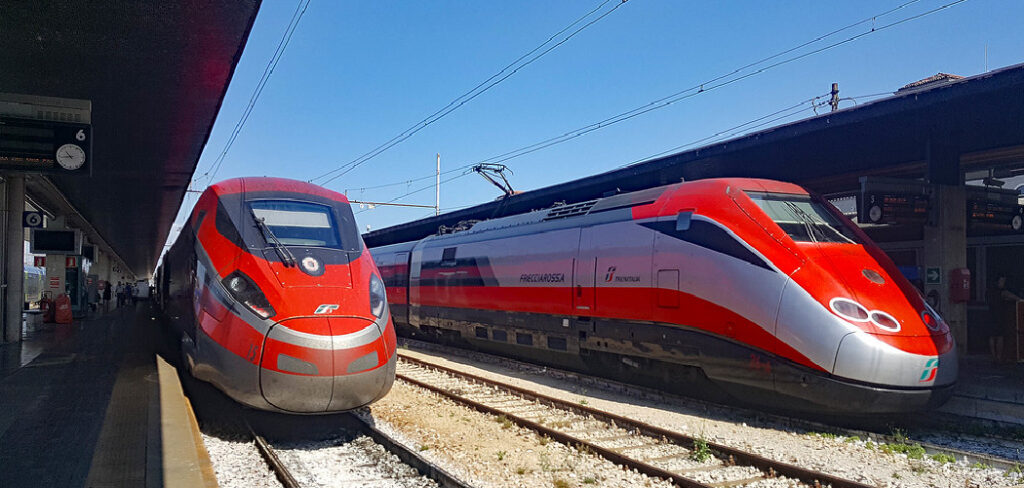
A little planning helps you save time, avoid stress, and choose the right transportation for your budget. Whether you prefer a fast train, a cheaper bus, a rental car, or a short flight, there is an option that fits your itinerary.
How to Get There
Rome and Venice are about 325 miles apart, or roughly 525 kilometers, depending on your route. Most travelers begin in central Rome at Roma Termini or Roma Tiburtina and arrive at Venezia Santa Lucia, the main train station on the Grand Canal. If you fly, you will likely leave from Rome Fiumicino Airport or Ciampino and land at Venice Marco Polo Airport.
The most common transportation choices are train, bus, plane, and rental car. Travel time ranges from about 3 hours and 45 minutes by high-speed train to 7 hours or more by bus or car. In simple terms, you leave Rome from a major station or airport and arrive close to Venice’s historic center.
6 Simple Steps on How to Travel from Rome to Venice
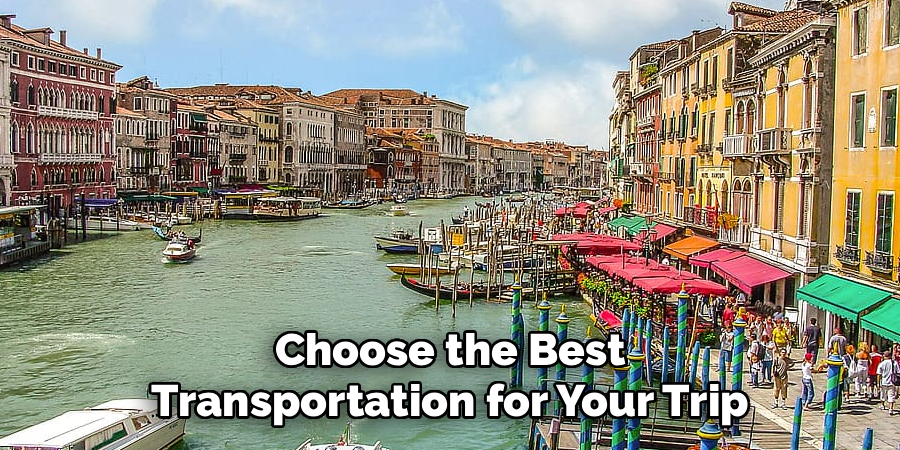
Step 1: Choose the Best Transportation for Your Trip
Start by deciding what matters most to you: speed, price, comfort, or flexibility. High-speed trains are usually the most balanced choice because they are fast, reliable, and arrive right in Venice. Buses often cost less, while flights may seem quick but usually involve more waiting time.
If you want to explore small towns along the way, a rental car may work well. For most travelers, though, rail service offers the easiest overall journey with fewer transfers and less hassle.
Step 2: Book Your Tickets Early
Once you pick your transportation, book as early as you can. Train and flight prices often rise closer to departure, while bus tickets can also become limited during busy seasons. Early booking gives you better fares, more seat choices, and a smoother travel day.
When reserving, double-check departure times, station names, baggage rules, and ticket conditions. Keep a digital copy on your phone and, if possible, a printed backup. That small step can save time if your battery runs low or the app does not load.
Step 3: Head to the Right Departure Point
On travel day, make sure you go to the correct station or airport. In Rome, most train passengers leave from Roma Termini, though some services also depart from Roma Tiburtina. If you are flying, allow extra time for check-in, security, and boarding.
Arriving early helps you settle in, find your platform, and avoid rushing through a crowded terminal. Stations in Rome are busy, especially during mornings and holidays, so giving yourself a comfortable time buffer is always a smart idea.
Step 4: Board Smoothly and Settle In
Before boarding, check the departure board carefully for your platform number, coach, and seat assignment. Train tickets may list a carriage and seat, while buses usually have simpler boarding lines. If you are flying, listen for gate updates and boarding groups.
Once on board, store your luggage neatly and keep your valuables close. High-speed trains usually have overhead racks and larger storage areas near the coach entrance. A small day bag with your phone, wallet, water, and tickets makes the ride much more comfortable.

Step 5: Enjoy the Journey and Watch the Timing
The train trip from Rome to Venice usually takes about 3 hours and 45 minutes to 4 hours and 15 minutes, depending on the service. Bus rides are longer, often 6 to 8 hours, and driving times can vary with traffic, toll stops, and rest breaks.
During the ride, keep an eye on arrival announcements and station names, especially if your service makes intermediate stops. This is also a good time to review your hotel check-in details and your plan for getting from the arrival point to your accommodation.
Step 6: Arrive in Venice and Reach Your Final Stop
If you take the train, you will likely arrive at Venezia Santa Lucia, one of the most convenient entry points into Venice. Step outside, and you are already near the canals, water buses, and walking routes into the city. That is one reason train travel is so popular on this route.
From the station, you can continue by vaporetto, water taxi, or on foot, depending on where you are staying. If you arrive by plane, you will need an extra transfer from Venice Marco Polo Airport to the city center.
Pros, Best & Cheapest Ways to Travel
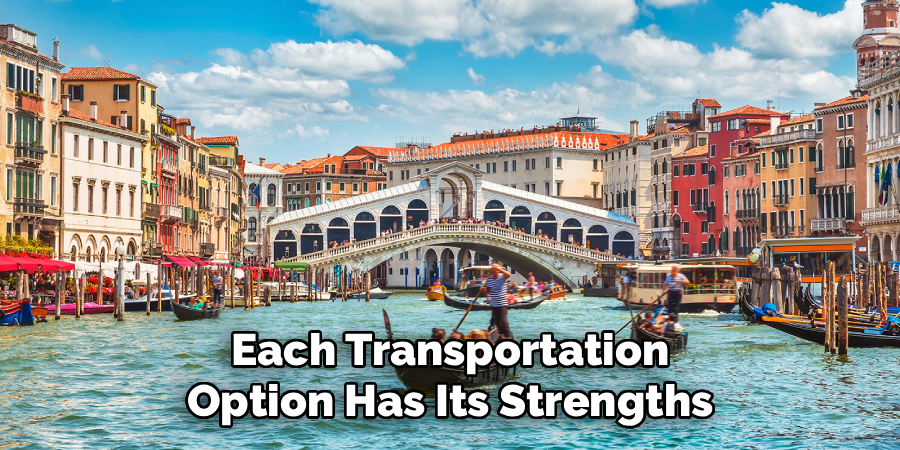
Each transportation option has its strengths. High-speed trains are fast, comfortable, and convenient because they connect city center to city center. Buses are usually the cheapest option, but they take much longer and may feel less comfortable on a full-day trip.
Flights can work if you already need airport access, but total door-to-door time is often longer than rail once security and transfers are included. Rental cars offer freedom, yet parking near Venice can be expensive and inconvenient. Overall, the best choice for most travelers is the high-speed train, while buses are the cheapest for tighter budgets.
Fastest Way to Travel
The fastest practical way to make this journey is usually the high-speed train. Direct rail services can take under 4 hours, and they avoid long security lines, airport transfers, and check-in windows. You also arrive directly in Venice, which saves even more time.
A flight may look shorter on paper, but door-to-door travel often takes longer once you factor in airport travel, waiting time, and the transfer from Venice Marco Polo Airport into the city. For speed and ease together, the train usually wins.
Travel Essentials, Budget & Money Guide
Your budget will depend on when you book and how you choose to travel. A high-speed train ticket may range from about $30 to $100 or more, while bus fares are often lower. Flights vary widely, and rental car costs can rise quickly with fuel, tolls, and parking.
Set aside extra money for snacks, station coffee, local transportation in Venice, and possible baggage fees. Credit and debit cards are widely accepted in both cities, but carrying a little cash is still useful for small purchases. ATMs are easy to find, and booking early is one of the simplest ways to keep costs down.
Travel Documents You Must Carry
Bring a valid passport if you are visiting from outside Italy, or a government-issued ID if you are traveling within the country and your transport provider accepts it. Check visa rules before your trip if they apply to your nationality. Keep your train, bus, or flight tickets handy in digital form and, if possible, as a printed copy too.
It also helps to carry your hotel confirmation, travel insurance details, and a short list of emergency contacts. Store backup copies of key documents in your email or secure cloud storage. That way, you can still access important information if your phone is lost or your bag is delayed.
Travel Tips for a Smooth Journey
Book early if you want the best prices and preferred departure times. This is especially important during summer, weekends, and holiday periods, when seats on popular trains can fill up quickly. Try to arrive at your station or airport with enough time to move calmly.
Pack light if you can, because Venice is easier to navigate with a smaller bag. Use travel apps for schedules, platform updates, and ticket access. It also helps to check the weather before you leave and avoid peak commuting hours when terminals are most crowded.
Travel Safety, Health & Common Mistakes
When planning how to Travel From Rome to Venice, basic awareness goes a long way. Keep wallets, passports, and phones secure in busy stations, and be careful around crowds where pickpocketing can happen. Use official taxis, trusted transport providers, and clearly marked ticket counters rather than informal offers.
A common mistake is leaving too little time to find the right platform or departure gate. Another is carrying heavy luggage through Venice’s bridges and walkways. Stay hydrated, wear comfortable shoes, and keep any daily medications in your personal bag instead of packed luggage. Simple choices like these can make the journey feel much smoother and more relaxed.

Frequently Asked Questions & Emergency Information
Is the train the best option for most travelers?
Yes, for most people, the train offers the best mix of speed, comfort, and convenience. It connects central Rome with central Venice and usually saves time overall.
Can I do this trip in one day?
Yes, a same-day trip is possible, especially by high-speed train. Still, many travelers enjoy the route more when they spend at least one night in Venice.
Do I need cash for this journey?
You can use cards for most major expenses, but carrying a small amount of cash is helpful for snacks, small shops, or local transit purchases.
In Italy, the general emergency number is 112. If you need consular help, contact your embassy or consulate in Italy and keep those details saved before departure.
Conclusion
How to Travel From Rome to Venice is simple once you choose the transportation that matches your budget, comfort level, and schedule. For most travelers, the high-speed train is the easiest and most efficient option, while buses, flights, and rental cars still offer useful alternatives depending on your plans.
With early booking, light packing, and a clear arrival plan, this classic Italian journey can feel smooth from start to finish. Take a little time to prepare, and you will be free to enjoy both the ride and the beauty waiting for you in Venice.

About
Ethan Brooks is a dedicated travel writer and tourism specialist with over a decade of experience exploring more than 150 countries. His professional focus centers on city routes and budget travel, where he combines real-world travel insights with efficient planning strategies.
Ethan is known for creating smart, well-structured travel systems that are practical, cost-effective, and easy to follow. As a core author at thetraveliy.com, he helps both first-time travelers and experienced explorers plan smooth, confident journeys.
Education
The University of Queensland (Australia) Bachelor’s Degree in Tourism Management
-
Focus: Global tourism systems, destination planning, and travel operations.
-
Specialization: Gained practical knowledge in travel logistics, itinerary development, and tourism industry structures.
Publications and Impact
At thetraveliy.com, Ethan Brooks publishes clear, structured, and experience-driven content focused on:
-
Transportation Logistics: Navigating complex transit systems with ease.
-
Itinerary Planning: Creating time-efficient schedules for any destination.
-
Budget-Friendly Solutions: Maximizing value without sacrificing the experience.
Ethan’s work simplifies complex travel decisions, making it easier for readers to plan efficient and affordable trips. By blending practical advice with real-world experience, he helps travelers create well-organized journeys while saving both time and money.