
If you are wondering how to travel to Galapagos Islands, you have come to the right place for clear, reliable guidance. This stunning archipelago off the coast of Ecuador is a world-famous destination renowned for its incredible wildlife and pristine natural beauty.
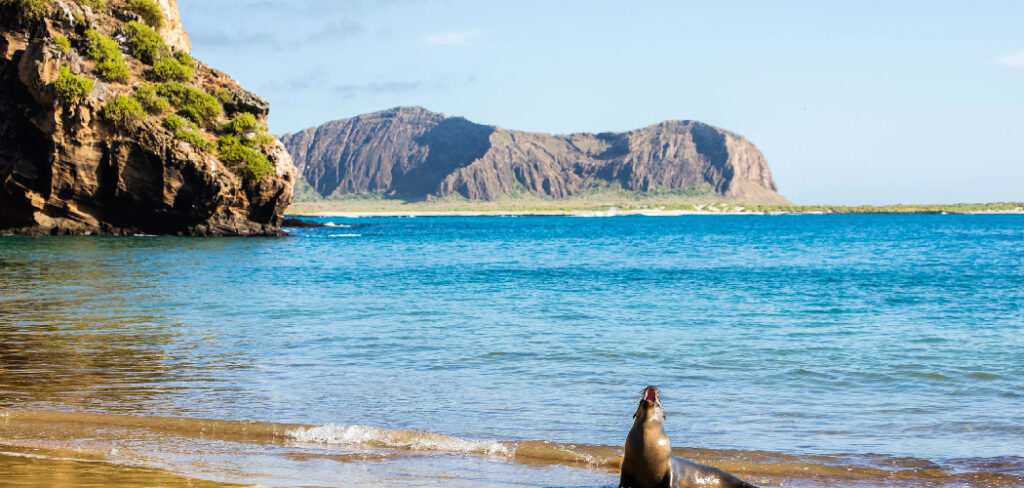
Visitors flock here to experience unique ecosystems, fascinating local culture, and unforgettable outdoor activities like snorkeling with sea lions. However, planning this journey properly is absolutely essential to save time, reduce costs, and avoid stressful confusion.
In this guide, you will learn everything about transport options, estimated costs, essential travel requirements, and handy local tips. We will also provide a helpful overview of your transportation choices, making it easy to navigate between the mainland and the islands.
Booking the right flights and island-hopping ferries can feel overwhelming at first. Rest assured, this guide will break down the process so you can focus entirely on your upcoming adventure.
Best Time to Visit & Seasonal Weather
The best months to visit the islands depend entirely on what kind of wildlife and weather you want to experience. The warm, wet season runs from December to May, bringing warmer ocean temperatures ideal for snorkeling and swimming.
During this time, you can expect daily sunshine interrupted by short, heavy afternoon showers. The cool, dry season spans from June to November, which brings nutrient-rich waters that attract marine life like penguins and whales.
While the dry season is cooler and slightly more humid, the seas can be choppy, making boat rides a bit bumpy. Peak tourist seasons align with major holidays, meaning higher costs and larger crowds during July, August, and December.
Budget travelers often prefer the shoulder months like May or September for a great balance of decent weather and lower prices.

Visa & Entry Requirements for Tourists
Most international tourists enjoy visa-free entry into Ecuador for stays of up to 90 days. Citizens from the United States, Canada, the UK, and most European countries do not need to apply for a visa in advance.
However, your passport must be valid for at least six months from your planned date of entry. Upon arrival at immigration, officials may ask to see a return ticket and proof of sufficient funds for your stay.
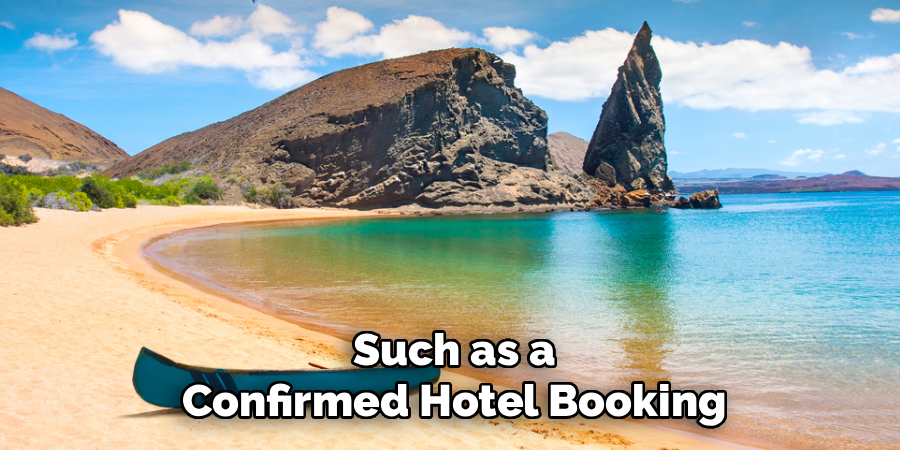
You might also be asked to provide your hotel booking confirmation before they stamp your passport. For the islands specifically, you are permitted to stay for up to 60 days as a tourist.
Always check for any updated government restrictions or special rules before booking your flight.
Travel Requirements
Before heading to the airport, make sure you have all your essential documents securely packed. You will absolutely need your valid passport, a government-issued ID, and your airline tickets.
While no specific vaccinations are legally required for entry, basic travel health precautions like a typhoid or hepatitis A vaccine are widely recommended. Purchasing comprehensive travel insurance is strongly advised to cover unexpected medical emergencies or trip cancellations.
Officials will routinely check for an onward or return ticket to ensure you plan on leaving the country. You must also carry printed or digital proof of your accommodation, such as a confirmed hotel booking.
Finally, be aware of strict customs rules designed to protect the local biodiversity, meaning no fresh fruits, seeds, or animal products can be brought in.
How to Get There
There are no direct international flights to this remote archipelago, so your journey must start on the mainland of Ecuador. You will need to fly into either Mariscal Sucre International Airport in Quito or José Joaquín de Olmedo International Airport in Guayaquil.
From these major cities, travelers take a domestic flight to reach the islands, which is the only practical way to cross the ocean. These domestic flights operate daily, making it very convenient to connect from your international arrival.
The flight duration from Quito is roughly two and a half hours, while flying from Guayaquil takes just under two hours. Most flights land at Baltra Island Airport or San Cristobal Airport, which serve as the main entry points for all visitors.
Checking Google Maps beforehand will give you a great visual understanding of how this route connects the mainland to the Pacific.
6 Simple Steps to How to Travel to Galapagos Islands
Planning your transit is much easier when you break it down into manageable phases. There are multiple ways to travel once you arrive, but the initial journey follows a very standard procedure.
Step 1: Book Your International Flight to Ecuador
Your first major task is booking an international flight to either Quito or Guayaquil on the Ecuadorian mainland. Travel time varies greatly depending on your starting location, but direct flights from the US typically take around four to six hours.
Costs for this leg usually range from medium to high, depending on the airline and the season you choose to fly. This step is comfortable and widely available, with multiple major airlines offering daily service to Ecuador.
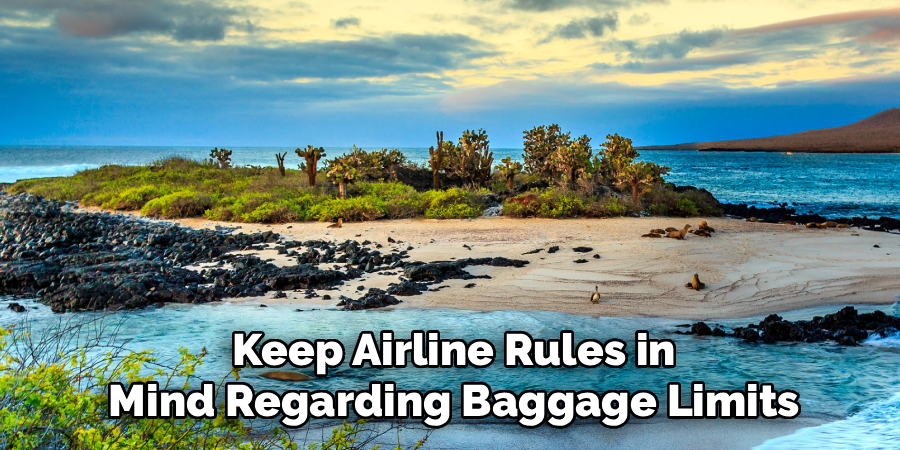
Budget travelers can often save money by setting up fare alerts well in advance. Keep airline rules in mind regarding baggage limits, as domestic flights later on will have strict weight restrictions.
Step 2: Arrange Your Domestic Flight to the Islands
Once in Ecuador, you must book a separate domestic flight to either Baltra or San Cristobal. This flight takes about two hours, offering a highly comfortable and scenic ride over the Pacific Ocean.
Round-trip domestic tickets generally cost between $400 and $550, which falls into a mid-range travel budget. Flights depart daily, primarily in the morning, so you will likely need to spend at least one night on the mainland first.
This option is mandatory for everyone, as there are no commercial passenger ferries connecting the mainland to the archipelago. A smart travel tip is to fly into one island and out of the other to maximize your sightseeing itinerary.
Step 3: Purchase the Transit Control Card
Before checking in for your domestic flight, you must stop at the Governing Council kiosk at the mainland airport. Here, you will pay a $20 fee in cash to obtain your Transit Control Card (TCC).
This mandatory process usually takes about twenty minutes, though lines can be longer during peak morning departure times. This card tracks who is entering and leaving to protect the fragile environment from overpopulation.
It is a low-cost, low-stress step, provided you arrive at the airport with plenty of extra time. Everyone must complete this, regardless of whether you are a budget backpacker or a luxury cruise passenger.
Make sure to keep this small card safe with your passport, as you will need to return it when you leave.
Step 4: Complete the Island Arrival and National Park Fee Process
Upon landing at the island airport, you will immediately go through a special environmental customs check. Officials will scan your bags to ensure no prohibited organic items are accidentally introduced to the ecosystem.
After baggage claim, you must pay the National Park entrance fee, which is currently around $200 per adult. This fee must be paid in cash, so having crisp, exact bills is highly recommended.
The process takes about thirty minutes, depending on how many passengers are on your flight. This fee directly funds conservation efforts, making it a necessary and meaningful part of your journey.
Step 5: Take the Airport Shuttle and Ferry to the Main Towns
If you land in Baltra, your journey to the main town of Puerto Ayora requires a few short transfers. First, you will take a quick, five-minute airport shuttle bus down to the Itabaca Channel.
Next, you will board a small public ferry for a short, ten-minute water crossing to Santa Cruz Island. Finally, you can take a bus or a taxi for a forty-five-minute drive into the main town.
This entire transfer sequence costs roughly $10 to $30 and is very easy to navigate. It is a slightly bumpy but highly authentic way to start your adventure.
Step 6: Choose Your Inter-Island Transportation Method
Once settled, you will need to decide how to travel between the different inhabited islands. The most common method for independent travelers is taking a public speedboat ferry, which takes about two hours per crossing.
These speedboats cost around $30 to $40 per person and run twice daily between major ports. While affordable, they can be very bumpy, so motion sickness medication is a great idea for those sensitive to rough water.
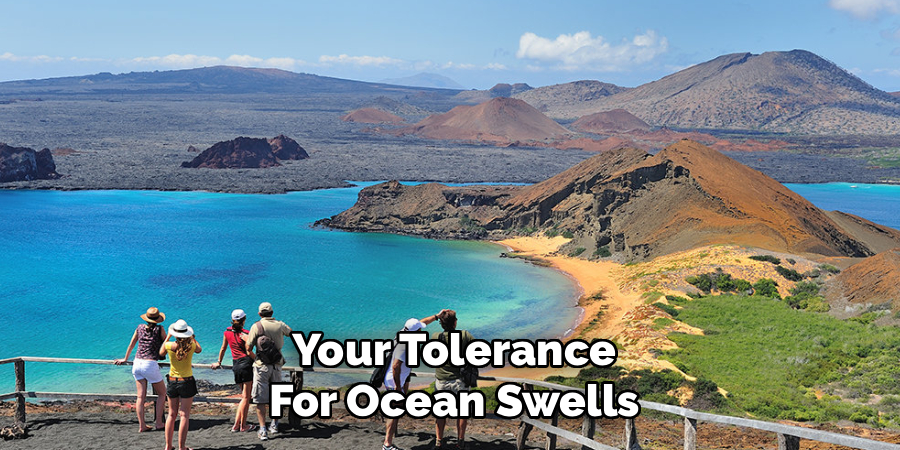
Alternatively, you can book short inter-island flights, which offer high comfort and speed but cost significantly more. Choosing between boats and planes ultimately depends on your personal budget and your tolerance for ocean swells.
Pros and Cons of Each Travel Option
Every transportation method in this region comes with its own unique set of advantages and disadvantages. Domestic flights are incredibly fast and comfortable, but they are undeniably the most expensive way to get around.
Public speedboats are very budget-friendly and offer flexible daily schedules for island hoppers. However, these boat rides can be quite uncomfortable, and unexpected weather delays are common.
Booking a liveaboard cruise offers ultimate convenience because your transport, food, and lodging are all packaged together. The major drawback to cruising is the high upfront cost and the rigid, inflexible daily schedule.
Best Way to Travel
For most visitors, the absolute best way to travel is by booking a multi-day guided cruise. A cruise provides the perfect balance of comfort, reliable transportation, and access to remote areas that day-trippers cannot reach.
You wake up in a new location every morning, eliminating the hassle of public ferry schedules. This option is highly reliable and takes the stress out of daily planning.
If a cruise exceeds your budget, land-based island hopping is a fantastic alternative that offers more flexibility. Just remember that island hopping requires more logistical effort when managing your own boat tickets and hotel bookings.
Top Attractions & Must-Visit Places
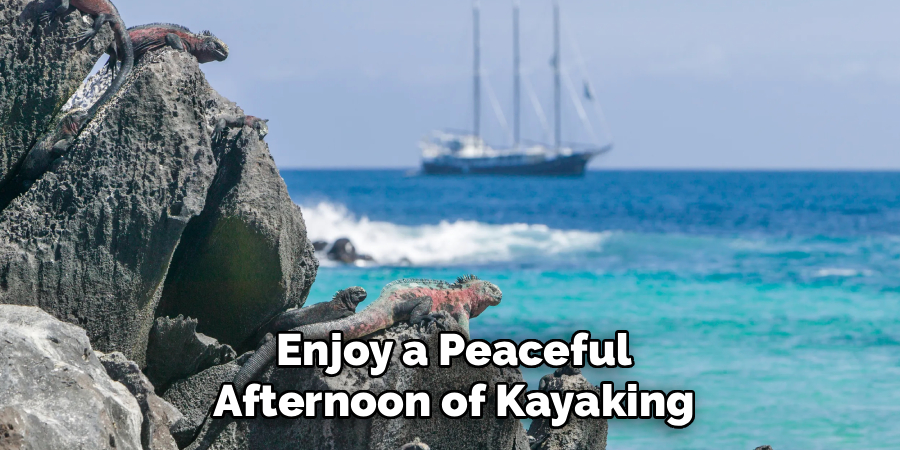
Tortuga Bay on Santa Cruz Island is arguably the most famous and pristine white-sand beach in the region. It is the perfect spot to relax alongside marine iguanas and enjoy a peaceful afternoon of kayaking.
The Charles Darwin Research Station is a must-visit cultural site where you can learn about giant tortoise breeding programs. Over on San Cristobal, Kicker Rock offers some of the most thrilling deep-water snorkeling and diving in the world.
First-time visitors should also prioritize Los Tuneles on Isabela Island to swim through stunning volcanic lava formations. Most of these nature spots are free to enter, though some require hiring a certified local guide.
Best Areas to Stay / Accommodation
Puerto Ayora on Santa Cruz Island is the most popular and convenient hub for tourists. It offers a massive variety of accommodations ranging from budget-friendly backpacker hostels to luxurious boutique hotels.
Puerto Baquerizo Moreno on San Cristobal has a more relaxed, laid-back vibe and beautiful waterfront properties. Both of these main towns offer excellent proximity to restaurants, tour agencies, and public docks.
Isabela Island is perfect for travelers wanting a quiet, sandy-street atmosphere, though accommodations here are slightly more rustic. For first-time visitors, splitting your time between Santa Cruz and San Cristobal is highly recommended for convenience and safety.
Food & Local Cuisine
The local cuisine here relies heavily on incredibly fresh seafood caught daily by local fishermen. You absolutely must try the coastal ceviche, which is typically made with fish, shrimp, or octopus marinated in lime juice.
Another popular dish is encocado, a rich and savory fish stew cooked in a delicious coconut sauce. Budget travelers can easily find hearty, two-course lunches known as “almuerzos” for just a few dollars.
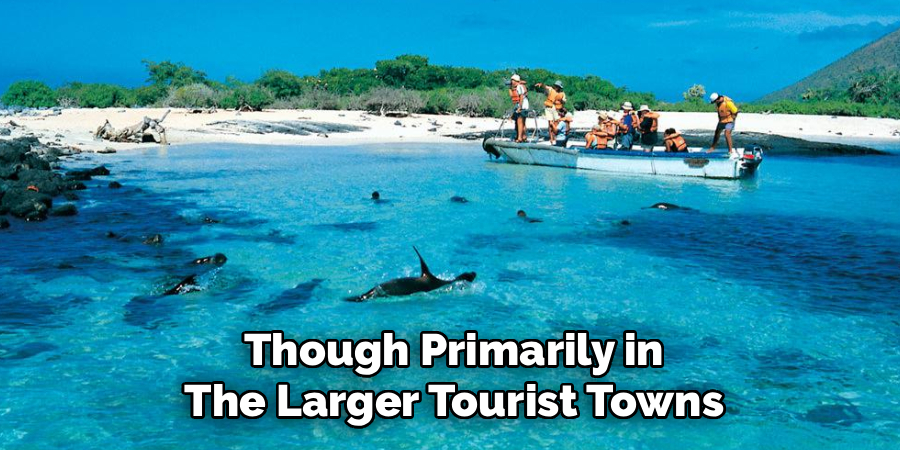
For dinner, the famous Los Kioskos street food market in Puerto Ayora offers fantastic, mid-range dining under the stars. Vegetarian and vegan options are becoming much more common, though primarily in the larger tourist towns.
Travel Cost & Time
Your overall travel cost and time will depend heavily on your chosen travel style and itinerary. Budget travelers can expect to spend around $100 to $150 per day by staying in hostels and eating locally.
Mid-range travelers who prefer private hotels and daily guided excursions will likely spend closer to $250 to $400 daily. Getting from the mainland airport to your island hotel generally takes half a day due to the necessary flight and transfers.
Public ferry rides between islands consistently take about two to three hours, depending on the ocean currents. Traveling during the peak summer months will significantly increase both your accommodation costs and your time spent in crowded lines.
Estimated Budget & Money-Saving Tips
A comfortable one-week trip usually requires an estimated budget of $1,500 to $3,000 per person, excluding international flights. This breaks down into domestic flights, national park fees, daily meals, accommodation, and guided excursions.
To keep expenses closer to a budget level, focus on free land-based activities like hiking and visiting public beaches. Booking your flights and hotels several months early is one of the best money-saving tips available.
Traveling during the off-season will also yield much better deals on last-minute boat tours. Finally, eating at local markets instead of waterfront tourist restaurants will save you a considerable amount of cash.
Currency & Money Management
The official local currency used throughout Ecuador and its islands is the US Dollar. This makes basic exchange rate awareness incredibly easy for American tourists, as no mental math is required.

While larger hotels and dive shops accept major credit cards, cash is absolutely king in these remote towns. ATMs are available in Puerto Ayora and Puerto Baquerizo Moreno, but they frequently run out of cash or go offline.
It is highly recommended to bring plenty of small bills from the mainland to pay for taxis, small meals, and tips. Always keep your cash secured in separate places on your person to avoid losing your entire budget at once.
Connectivity: SIM Cards & Essential Travel Apps
If you need mobile data, it is best to buy a Claro or Movistar SIM card at the mainland airports before flying over. These two telecom providers offer the most reliable coverage, though you should still expect very slow speeds.
Data plans are relatively cheap, but do not expect them to work while you are out at sea or on remote beaches. Download essential travel apps like Google Maps and Google Translate for offline use before you leave home.
Many hotels and cafes offer Wi-Fi, but the bandwidth is typically only strong enough for basic text messaging. Embrace the spotty service as a wonderful opportunity to disconnect and immerse yourself in nature.
Language & Local Etiquette
Spanish is the primary language spoken by locals throughout the archipelago and the mainland. While tour guides and hotel staff speak basic English, downloading an offline translation app is very helpful for reading menus.
Learning a few polite phrases like “hola” (hello) and “gracias” (thank you) will go a long way with the locals. Environmental etiquette is incredibly strict here; you must always stay on marked trails and never touch the wildlife.
When dining or taking guided tours, a small tip of ten percent is appreciated but not strictly required. Dress codes are extremely casual, focusing entirely on comfortable, sun-protective outdoor wear.
Travel Tips
Knowing exactly how to travel to Galapagos Islands with a solid itinerary will make your journey seamless. Always pack light and smart, as lugging heavy suitcases onto small public ferries is notoriously difficult.
Check the weather forecast regularly so you can pack the appropriate rain gear or sun protection. Make a habit of arriving early for all your boat transfers, as the boarding process can be a bit chaotic.
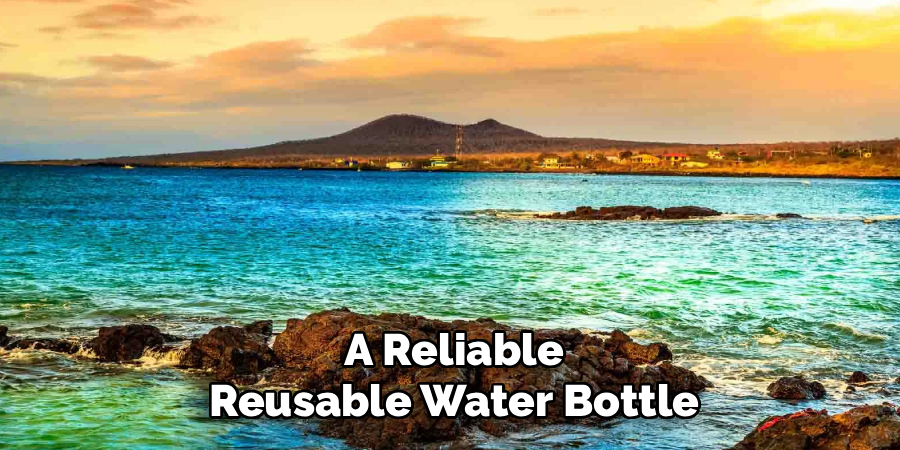
Keep your passport, transit cards, and cash organized in a waterproof pouch to protect them from ocean spray. Lastly, your travel essentials should include strong, reef-safe sunscreen and a reliable reusable water bottle.
Travel Safety, Common Scams & Mistakes to Avoid
This region is exceptionally safe, with violent crime being practically non-existent on the islands. However, general travel safety awareness is still important when handling your luggage in busy port areas.
Common scams are rare, but always confirm the price of a water taxi before getting on board. Avoid the mistake of booking incredibly cheap, unverified street tours, as the quality and safety standards may be lacking.
Keep your phones and wallets secure in a zippered bag while walking through crowded local markets. Maintain a calm, alert mindset, and stick to official transport services to ensure a stress-free trip.
Safety & Health Precautions
Your biggest health risks here are intense sunburns, dehydration, and severe seasickness. Always wear a hat and apply sunscreen generously, as the sun near the equator is incredibly powerful.
Drink plenty of purified bottled water, as the local tap water is not considered safe for consumption. Pack a small first-aid kit containing motion sickness pills, basic painkillers, and bandages for minor scrapes.
When exploring rocky volcanic terrain, wear sturdy walking shoes to prevent accidental ankle twists. Keep a digital list of emergency contacts on your phone, and always listen closely to your certified nature guides.
Frequently Asked Questions
What is the cheapest way for how to travel to Galapagos Islands?
The most budget-friendly option is to fly into Baltra, stay in affordable local hostels, and use public speedboats for transport. You can save money by eating street food and focusing on free public beaches rather than expensive guided cruises.
How many days should I plan for my trip?
You should plan for a minimum of seven to ten days to truly appreciate the region. This timeframe allows you to comfortably visit two or three different islands without feeling rushed by the slow transport schedules.
Do I need to book tours in advance?
During peak seasons like July and December, booking tours and ferries well in advance is absolutely crucial. If you travel during the off-season, you can often safely book last-minute day trips directly from local agencies upon arrival.
Conclusion
Understanding how to travel to Galapagos Islands is the first step toward an unforgettable adventure. With the right preparation, navigating the flights, national park fees, and inter-island boats is incredibly safe and straightforward.
Taking the time to plan your transport and budget early will save you endless headaches upon arrival. For your final tip, always carry plenty of cash and a sense of patience, and the islands will reward you beautifully.

About
Ethan Brooks is a dedicated travel writer and tourism specialist with over a decade of experience exploring more than 150 countries. His professional focus centers on city routes and budget travel, where he combines real-world travel insights with efficient planning strategies.
Ethan is known for creating smart, well-structured travel systems that are practical, cost-effective, and easy to follow. As a core author at thetraveliy.com, he helps both first-time travelers and experienced explorers plan smooth, confident journeys.
Education
The University of Queensland (Australia) Bachelor’s Degree in Tourism Management
-
Focus: Global tourism systems, destination planning, and travel operations.
-
Specialization: Gained practical knowledge in travel logistics, itinerary development, and tourism industry structures.
Publications and Impact
At thetraveliy.com, Ethan Brooks publishes clear, structured, and experience-driven content focused on:
-
Transportation Logistics: Navigating complex transit systems with ease.
-
Itinerary Planning: Creating time-efficient schedules for any destination.
-
Budget-Friendly Solutions: Maximizing value without sacrificing the experience.
Ethan’s work simplifies complex travel decisions, making it easier for readers to plan efficient and affordable trips. By blending practical advice with real-world experience, he helps travelers create well-organized journeys while saving both time and money.