
Preparing for a long journey requires careful planning, especially when it comes to your luggage. Learning how to pack a rucksack for travelling properly can completely transform your entire experience on the road. A well-packed bag distributes weight evenly, saving your back from unnecessary strain during long transit days.
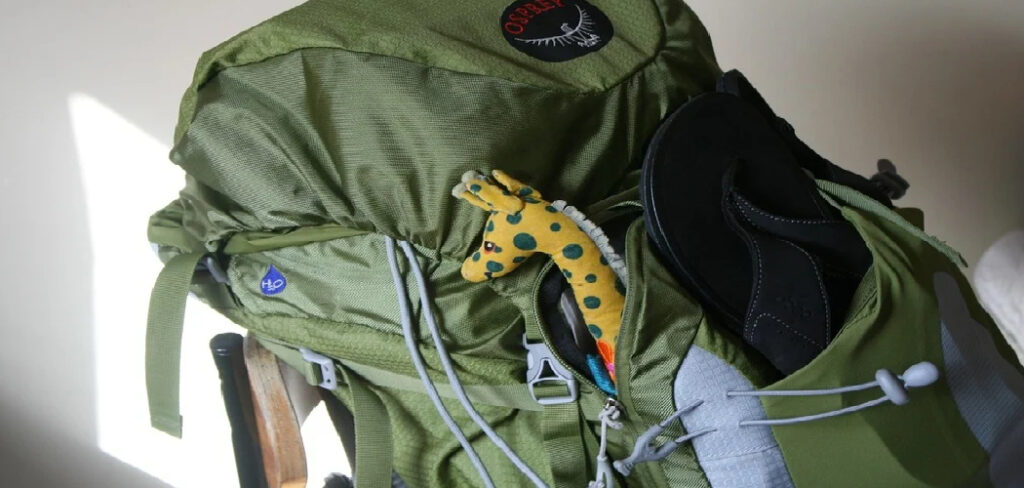
Proper packing ensures that your travel essentials remain protected from damage and are easy to access when needed. The benefit of reading this guide is that it saves you valuable time and significantly reduces pre-trip stress. You will learn a clear, step-by-step packing guide, the best organizational methods, and practical budget tips.
This post will cover everything from essential safety precautions to a helpful quick checklist for your itinerary. I remember my first backpacking trip, where a poorly balanced bag almost ruined my first day of walking. By following these simple strategies, you can avoid those rookie mistakes and travel with total confidence.
Why Proper Packing Matters
Understanding the mechanics of your luggage is crucial before hitting the road. Improper packing often leads to damaged gear, spilled liquids, and unnecessary back pain during your transportation legs. When you distribute weight correctly, your backpack feels lighter and your posture remains aligned.
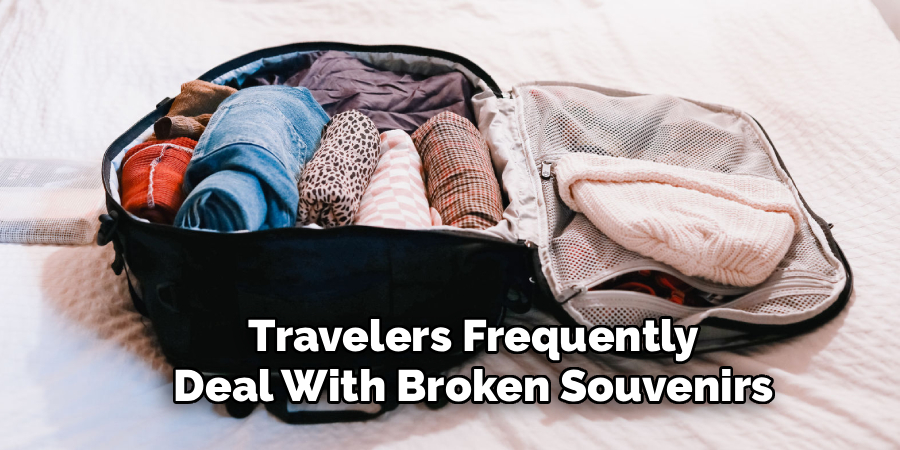
Proper packing saves time at security checkpoints and reduces the constant stress of digging for lost items. Without a solid strategy, travelers frequently deal with broken souvenirs, leaking shampoo bottles, and overweight baggage fees. A well-organized bag makes hopping on and off trains or navigating crowded cobblestone streets much easier.
Imagine arriving at your hostel late at night and knowing exactly where your toothbrush is located. Taking a few extra minutes to organize your bag translates into a far smoother and more enjoyable travel experience.
Can You Travel With A Rucksack? (Rules & Restrictions)
Taking a backpack on your journey is generally universally accepted across all major modes of transportation. However, whether your bag qualifies as carry-on or checked luggage depends entirely on its size and weight. Always check specific airline rules before your departure to avoid surprise fees at the boarding gate.
Most budget airlines have strict dimensional limits, meaning an overstuffed bag might be flagged during boarding. Items like trekking poles, camping knives, or oversized liquid containers will require you to check the bag completely. Preparing your bag according to these specific regulations saves you money and prevents security delays.
If you are carrying fragile gear, knowing the rules in advance ensures you can keep sensitive items safely in the cabin. A well-prepared traveler never has to frantically repack their bag on the airport floor.
6 Essential Steps on How to Pack a Rucksack for Travelling
Organizing your bag might seem overwhelming, but breaking it down makes the process incredibly straightforward. There are multiple ways to approach this, depending heavily on your personal travel style and planned transportation. These steps cover all major considerations, from protecting fragile components to maximizing your available space.
Step 1: Gather and Group Your Gear
Begin by laying every single item out on your bed or floor before anything goes into the bag. Group your items by category, such as clothing, toiletries, electronics, and important travel documents. This visual overview helps you quickly identify if you are overpacking or missing crucial travel essentials.
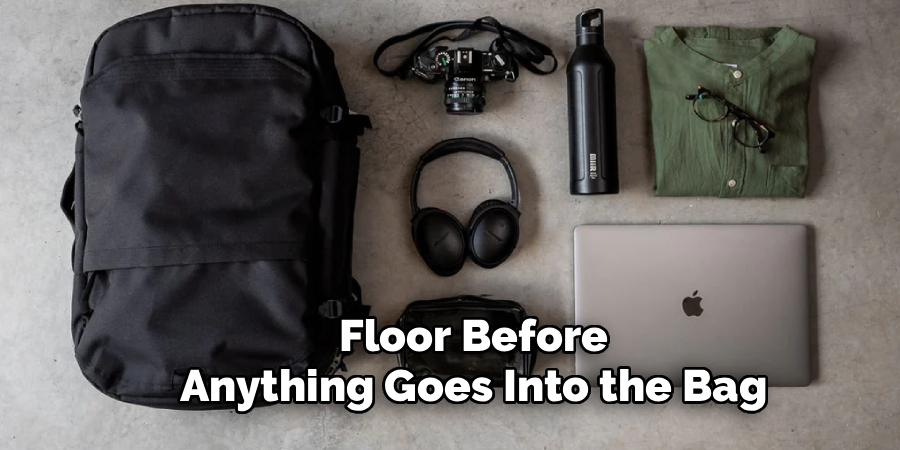
It is much easier to edit your packing list when you can see everything at a single glance. By organizing items into distinct piles, you set a clear foundation for an efficient packing process.
Step 2: Pack the Bottom Section
The bottom of your bag is the ideal place for items you will not need until you reach your accommodation. This is where your sleeping bag, extra shoes, or heavy spare clothing should always be placed. Packing these bulky items at the bottom creates a solid, stable base for the rest of your gear.
A stable base allows the bag to stand upright when placed on the ground, which is surprisingly convenient. This strategic placement also keeps the center of gravity low, making the bag more comfortable to carry.
Step 3: Load the Heavy Core
The middle section of your bag should house the heaviest items to keep the weight close to your spine. Place items like your toiletry bag, heavy electronics, or cooking gear right against the back panel. Keeping heavy items centered prevents the bag from pulling you backward as you walk.
Surround these heavier objects with soft items like rolled t-shirts to prevent them from shifting during transit. This packing method is crucial for maintaining your balance on uneven terrain or crowded public transport.
Step 4: Fill the Top Section
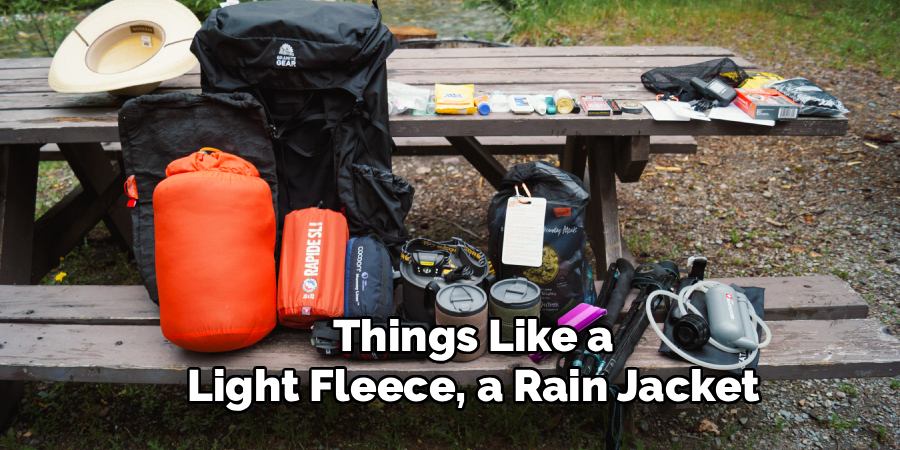
The top portion of the main compartment is reserved for bulky items you might need quickly. Things like a light fleece, a rain jacket, or your travel towel fit perfectly into this space. Having warm layers easily accessible is incredibly helpful when navigating heavily air-conditioned airports or sudden weather changes.
Avoid putting anything overly heavy at the very top, as this will make the bag feel top-heavy and unstable. This section acts as your quick-access buffer for changing environmental conditions during your journey.
Step 5: Utilize Exterior and Lid Pockets
Your backpack’s exterior pockets and top lid are meant for items you need constantly throughout the day. Store your sunglasses, snacks, lip balm, and a small first-aid kit in these easily reachable compartments. This eliminates the need to unpack your entire bag just to find a quick snack or a bandage.
If your bag has a hip belt with pockets, use those for your phone, cash, and transport tickets. Strategic use of external pockets makes navigating busy transit hubs smooth and completely stress-free.
Step 6: Secure and Compress
Once everything is inside, use the internal and external compression straps to tighten the entire load. Cinching these straps pulls the weight closer to your body, dramatically improving your overall balance. It also eliminates empty spaces inside the bag, stopping your gear from shifting while you walk.
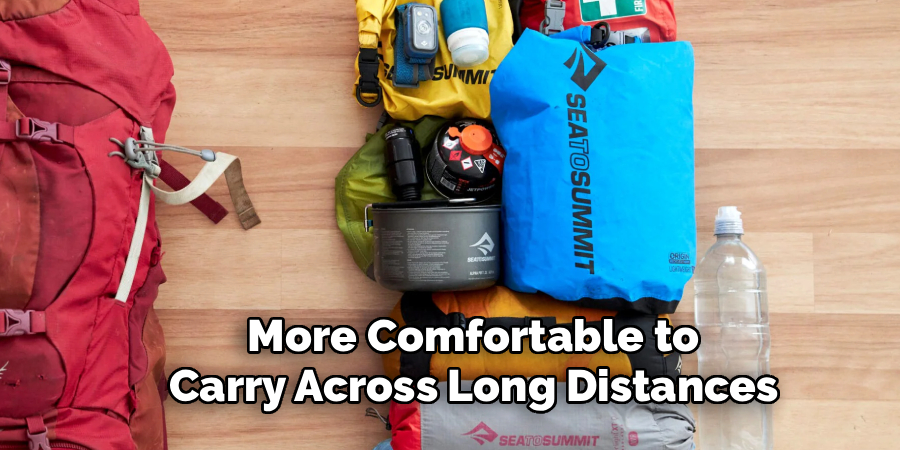
Ensure no loose items are dangling from the outside of your bag, as these can easily snag on conveyor belts or train doors. A tight, streamlined bag is always safer and more comfortable to carry across long distances.
Best Packing Methods / Tips
Finding the perfect balance between accessibility and space utilization is the ultimate goal when mastering how to pack a Rucksack for Travelling. Using practical packing methods makes living out of a bag a much more pleasant and organized experience. The rolling method is highly recommended for clothing because it prevents deep wrinkles and saves an incredible amount of space.
Instead of folding shirts and pants in traditional squares, roll them tightly into compact cylinders. These little fabric tubes can be easily stacked or stuffed into the awkward empty spaces around your heavier gear. For maximum efficiency, many travelers swear by combining the rolling method with high-quality packing cubes.
Packing cubes act like portable drawers for your bag, allowing you to separate tops, bottoms, and undergarments effortlessly. If airport security asks to search your bag, packing cubes prevent your personal items from spilling out everywhere. Another excellent method for bulky items is the use of compression sacks, which squeeze the air out of thick sweaters or jackets.
When packing fragile items, always layer them carefully between thick clothing to create a shock-absorbing buffer. Your camera lenses or delicate souvenirs should be wrapped in a fleece jacket and placed near the center of the bag. Never place fragile items near the very bottom or the outer edges, where the bag is most likely to impact the ground.
For liquids, double-bagging in sturdy zip-lock bags is a non-negotiable rule to prevent disastrous shampoo explosions. Temperature-sensitive items, like certain medications, should be kept in an insulated pouch near the center of your bag where the temperature remains stable. Utilizing small organizational pouches for charging cables and electronics stops them from becoming a tangled mess at the bottom of your bag.
If you are traveling to wet climates, always line the inside of your bag with a heavy-duty trash bag or a waterproof dry sack. Even if your bag has a built-in rain cover, this internal waterproof layer guarantees your spare clothes remain completely dry. Always zip your compartments fully and tuck the zipper pulls away to deter opportunistic pickpockets in crowded tourist areas.
Learning to pack modularly means you can pull out exactly what you need without disturbing the rest of your carefully packed gear. By applying these specific methods, your bag transforms from a chaotic black hole into a highly functional mobile closet. This level of organization gives you more time to actually enjoy your trip instead of constantly fighting with your luggage.
Common Mistakes to Avoid
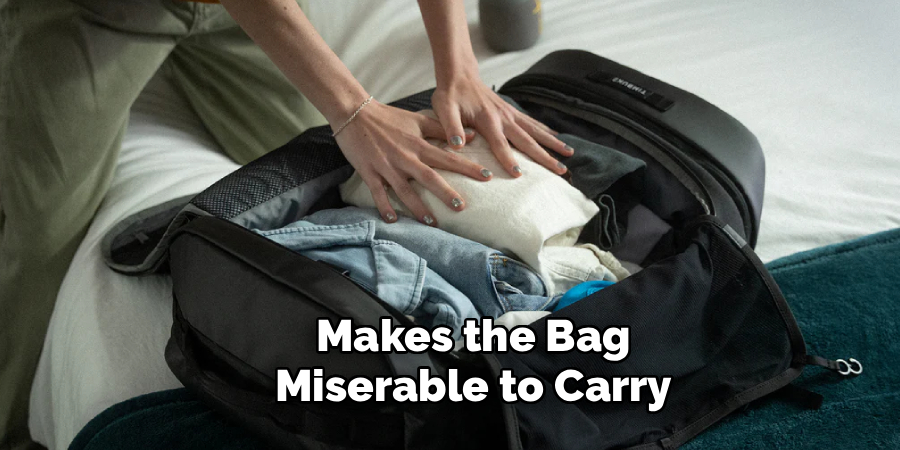
Improper packing often leads to frustrating delays, damaged equipment, or entirely avoidable physical discomfort. The most common error travelers make is overpacking, bringing items for “just in case” scenarios that rarely happen. Overstuffing your bag puts dangerous tension on the zippers and makes the bag miserable to carry.
Another frequent mistake is keeping liquids in thin plastic bottles without any secondary protective barrier. Ignoring airline rules regarding carry-on weight limits is a fast way to incur heavy fines at the boarding gate. To prevent these issues, stick strictly to your planned itinerary needs and invest in reliable, leak-proof toiletry containers.
Travel Tips
Deciding whether to carry your bag on or check it depends heavily on your specific airline and itinerary. Carrying your bag onto the plane ensures your luggage never gets lost and saves time at the baggage carousel. However, if your bag is over 40 liters, you will likely need to check it to comply with standard airline rules.
If checking your bag, always ensure all straps are buckled and tightened to prevent them from catching in airport machinery. Keep all vital travel essentials, like passports and expensive electronics, in a smaller daypack that stays with you. Organizing your belongings in this two-bag system guarantees you always have your most important items safely within reach.
Estimated Budget
Preparing your luggage effectively does not require a massive financial investment if you shop smartly. A good set of packing cubes will typically cost between twenty and forty dollars, making them a very affordable organizational upgrade. You can easily save money by purchasing multipurpose liquid containers from a local pharmacy instead of buying expensive travel-branded bottles.
Using high-quality resealable kitchen bags is a highly effective, low-cost alternative to expensive waterproof dry sacks. If you only travel occasionally, consider borrowing specialized gear or protective cases from friends rather than buying them new. Comparing prices online for TSA-approved locks and luggage covers can easily save you a significant amount of your travel budget.
Maintenance & Storage Tips
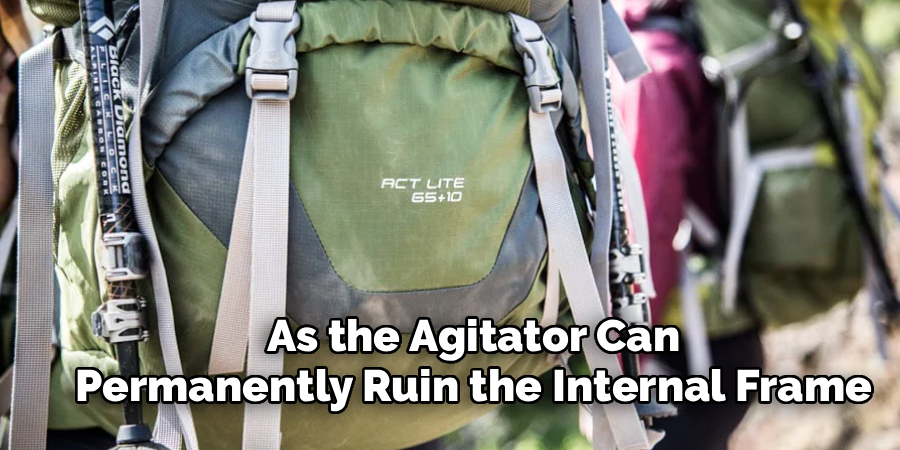
Taking care of your bag extends its lifespan significantly, saving you the cost of frequent replacements. After a long trip, empty the bag and wipe down the interior with a mild, soapy sponge. Never put a structured trekking bag in a washing machine, as the agitator can permanently ruin the internal frame.
Allow the bag to air dry completely in a shaded area to prevent mold or foul odors from developing inside the fabric. Store the bag in a cool, dry closet rather than a damp basement or a hot attic to protect the sensitive waterproof coatings. When storing the bag long-term, stuff it loosely with old towels to help it maintain its proper shape.
Travel Scenario Tips
Different environments require slight adjustments to your standard packing and carrying strategies. For air travel, keeping your liquid bag near the top zipper ensures you glide through security checks without delays. On crowded train journeys or buses, wearing your bag on your front prevents you from accidentally hitting other passengers when turning around.
If you are embarking on a long ferry ride, ensure your bag is placed off the wet deck and secured away from the sea spray. In humid or tropical environments, placing moisture-absorbing silica gel packets inside your electronics pouch prevents harmful condensation. These small contextual adaptations make navigating varied transportation methods significantly less stressful.
Quick Packing Checklist
This quick checklist ensures you have all the necessary components for a safe and organized journey.
- Durable packing cubes for clothing organization
- Sturdy zip-lock bags for toiletries and liquids
- TSA-approved padlock for main compartment security
- Waterproof rain cover or internal dry bags
- Reusable silicone bottles for travel-sized liquids
- Small first-aid kit and essential medications
- Cushioned sleeve for a laptop or tablet
- Microfiber travel towel for quick drying
- Compact tech pouch for cables and chargers
Safety Precautions
Ensuring your belongings stay secure requires a proactive approach to handling your bag in public spaces. Always handle your bag by the designated grab handles rather than yanking it forcefully by the shoulder straps. Yanking a fully loaded bag by a single strap can cause the stitching to tear over time.
If you are carrying fragile components like camera gear, never drop your bag heavily onto concrete floors or hard surfaces. Using a brightly colored rain cover in crowded transit hubs makes your bag highly visible and deters potential thieves. When placing your bag in an overhead bin, position the straps facing inward so they do not dangle into the aisle.
Frequently Asked Questions
What is the secret to packing a Rucksack for travelling efficiently?
The secret to packing efficiently is rolling your clothes and using packing cubes to compartmentalize your gear. Keep heavy items close to your back to maintain balance. This approach saves significant time and maximizes internal space.
How do I prevent my liquids from spilling during a flight?
Prevent leaks by slightly unscrewing the cap, placing a small piece of plastic wrap over the opening, and resealing it tightly. Always store your bottles inside a high-quality, waterproof zip-lock bag.
Is a backpack better than a suitcase for international trips?
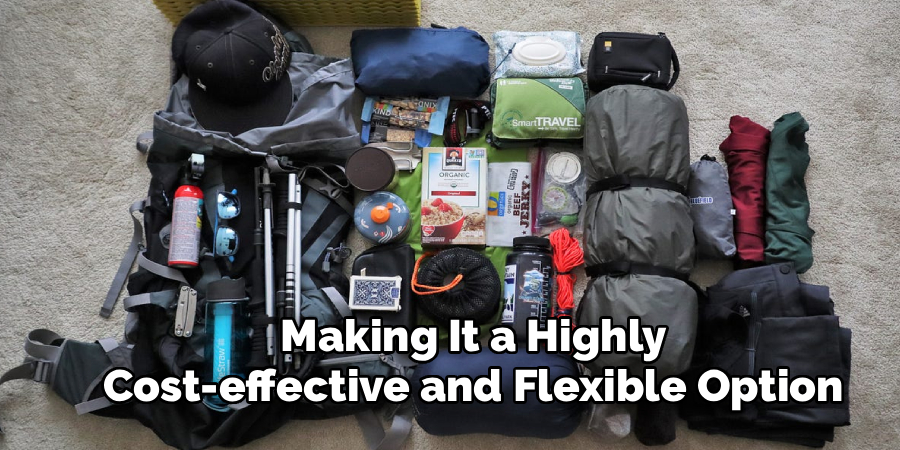
A backpack is generally better if your itinerary involves cobblestone streets, multiple train transfers, or stairs. It leaves your hands free and reduces transport stress, making it a highly cost-effective and flexible option.
Conclusion
Figuring out how to pack a Rucksack for Travelling does not have to be a stressful or overly complicated experience. By following the structured methods covered in this guide, you can maximize your luggage space and protect your most valuable items. We have highlighted how proper weight distribution and the use of packing cubes can completely change your transit experience.
Following these exact step-by-step instructions ensures greater safety, personal convenience, and travel efficiency on your upcoming journey. I highly encourage you to lay out your gear today and practice organizing your bag before your departure date. Taking the time to prepare properly leaves you confident, organized, and ready to embrace the adventure ahead.

About
Ethan Brooks is a dedicated travel writer and tourism specialist with over a decade of experience exploring more than 150 countries. His professional focus centers on city routes and budget travel, where he combines real-world travel insights with efficient planning strategies.
Ethan is known for creating smart, well-structured travel systems that are practical, cost-effective, and easy to follow. As a core author at thetraveliy.com, he helps both first-time travelers and experienced explorers plan smooth, confident journeys.
Education
The University of Queensland (Australia) Bachelor’s Degree in Tourism Management
-
Focus: Global tourism systems, destination planning, and travel operations.
-
Specialization: Gained practical knowledge in travel logistics, itinerary development, and tourism industry structures.
Publications and Impact
At thetraveliy.com, Ethan Brooks publishes clear, structured, and experience-driven content focused on:
-
Transportation Logistics: Navigating complex transit systems with ease.
-
Itinerary Planning: Creating time-efficient schedules for any destination.
-
Budget-Friendly Solutions: Maximizing value without sacrificing the experience.
Ethan’s work simplifies complex travel decisions, making it easier for readers to plan efficient and affordable trips. By blending practical advice with real-world experience, he helps travelers create well-organized journeys while saving both time and money.