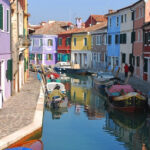

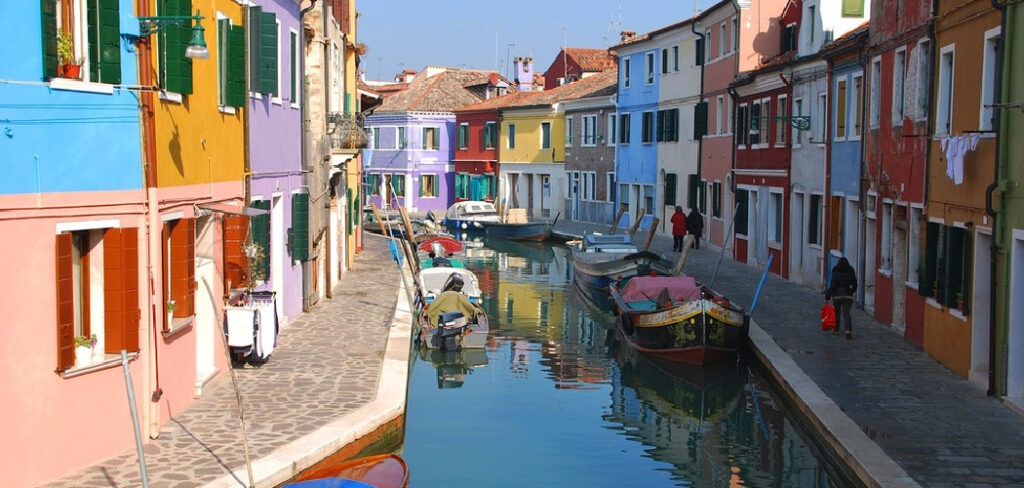
Learning How to Visit Murano and Burano From Venice is essential for anyone traveling to this famous Italian lagoon. These beautiful islands stand out as highly popular travel destinations for art lovers and culture enthusiasts. Murano is world-renowned for its exquisite glassmaking history, while Burano charms visitors with its brightly colored fishermen houses and delicate lace craftsmanship.
Proper travel planning is highly important to ensure a smooth journey. Knowing your transport options will save you significant time and cost, helping you avoid confusion at the busy ferry docks. In this guide, you will learn everything about local transport, estimated costs, practical tips, and essential travel requirements. Getting around relies entirely on the local water network, which consists of public ferries and private boats.
Best Time to Visit & Seasonal Weather
The absolute best months to visit these colorful islands are April, May, September, and October. During these pleasant periods, you can enjoy mild weather without dealing with overwhelming crowds at the ferry terminals.
Summer brings peak tourist season, high humidity, and very warm temperatures. While winter offers a quiet and peaceful atmosphere, it can be quite cold and rainy, leading to occasional high water events.
Budget travelers often prefer the cooler off-season when accommodation rates drop significantly. However, sightseeing enthusiasts should aim for late spring or early autumn for the most comfortable walking conditions.
Visa & Entry Requirements for Tourists
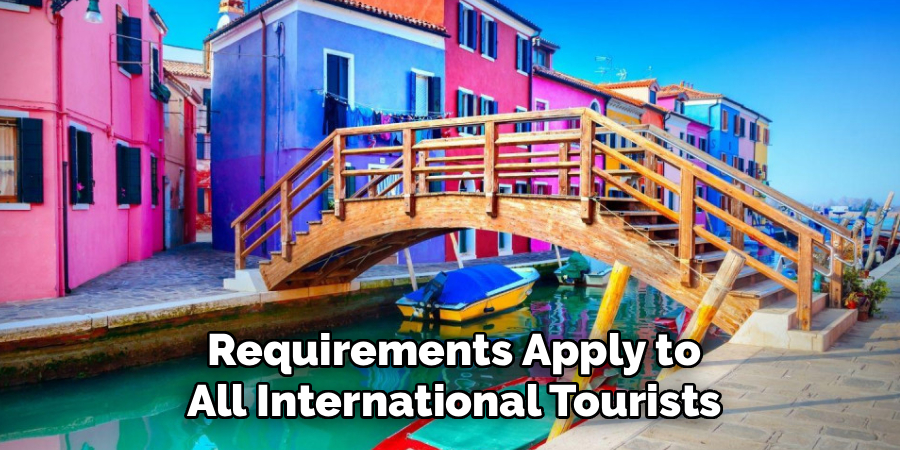
Because these islands are part of Italy, standard Schengen Area entry requirements apply to all international tourists. Citizens from visa-free countries, including the United States, Canada, and Australia, can enter for short tourist stays up to ninety days.
Always ensure your passport remains valid for at least six months beyond your planned departure date. At the immigration check, border officials might ask for a confirmed return ticket and proof of adequate funds.
Starting soon, travelers from visa-exempt countries will need to complete the ETIAS authorization online before their trip. Make sure to check the latest consular updates prior to booking your flights to avoid any unexpected delays.
Travel Requirements
Carrying the correct travel documents is vital for a stress-free vacation in Italy. You must always have your original passport, any required visas, and a valid ID securely stored in your day bag.
While health forms and specific vaccinations are generally not required for entry, comprehensive travel insurance is strongly recommended. This insurance protects you against unexpected medical emergencies or sudden trip cancellations.
Authorities may also request proof of your onward ticket and a confirmed hotel booking during your initial arrival in the country. Always review local customs rules, as there are strict regulations regarding bringing certain foods or large amounts of cash across borders.
How to Get There
The nearest major arrival point for international travelers is Marco Polo Airport on the mainland. Travelers typically reach the historic city center by taking an airport shuttle bus or a dedicated water taxi.
Once you arrive in the main city, the primary routes to the surrounding islands are entirely by water. The general travel duration from the northern ferry terminals to the glassmaking island takes roughly twenty minutes.
Public water buses operate daily with frequent departures, making island hopping incredibly accessible for tourists. By looking at a digital map, you can easily visualize the straightforward route connecting the main terminal directly to the lagoon communities.
6 Simple Steps to How to Visit Murano and Burano From Venice
Step 1: Choose the Public Vaporetto Water Bus
Taking the public vaporetto is the most common and accessible transportation option for tourists. You will need to locate the Fondamente Nove stop, which serves as the primary departure terminal for the lagoon routes. The travel time to the first island is generally around twenty minutes, depending on the specific boat schedule.
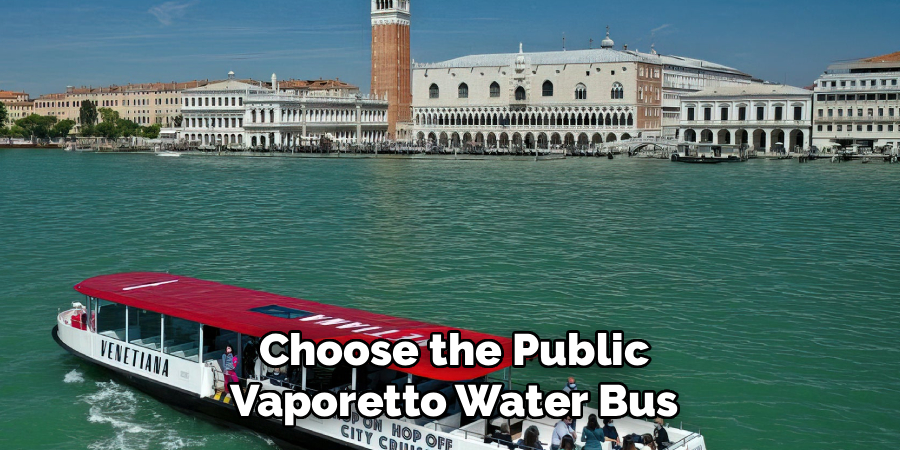
The average cost is quite affordable if you purchase a standard single-fare ticket at the kiosk. Comfort levels are medium, as these boats can get extremely crowded during peak morning hours. This option is best for budget travelers who want a reliable and frequent daily service.
Step 2: Purchase a Multi-Day Travel Card
Buying a multi-day public transport pass is a highly practical move for extended itineraries. You can acquire this pass at major transit hubs or via official mobile applications before you even board a boat. The travel time remains the same as standard ferries, but you skip the lengthy ticketing lines.
The overall cost presents excellent value if you plan to make multiple boat trips within a single day. Comfort is standard, but the convenience factor is very high since you simply tap your card to board. This approach is ideal for active explorers who want maximum flexibility and unlimited daily rides.
Step 3: Book a Guided Group Boat Tour
Joining a structured group excursion removes all the stress of navigating public transit schedules yourself. You will depart from a central location near St. Mark Square and travel directly to the famous glass factories. The total travel time spans roughly four to six hours, including generous stops at each unique destination.
The average cost falls into the mid-range category, offering decent value for the guided commentary provided. Comfort levels are generally high because these vessels are less crowded than public ferries. This choice perfectly suits first-time visitors who prefer a structured schedule without any planning hassle.
Step 4: Hire a Private Water Taxi
Renting a private water taxi offers the ultimate luxury and convenience for your lagoon journey. You can arrange for the captain to pick you up directly from your hotel dock or the nearest convenient pier. The travel time is significantly faster, whisking you across the water without any frequent public stops.
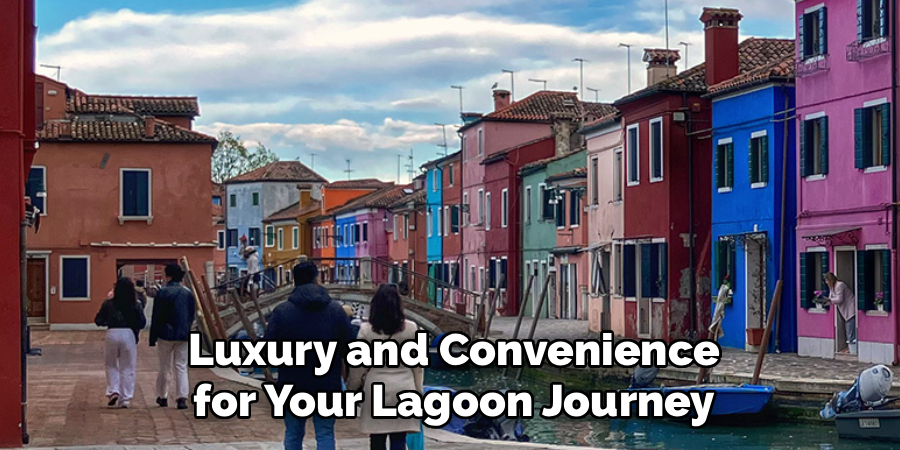
The cost is undeniably high, representing a premium investment for a truly exclusive travel experience. The comfort level is exceptional, featuring plush seating and completely private surroundings for your group. This luxurious option caters to travelers seeking speed, privacy, and an unforgettable entrance to the islands.
Step 5: Plan the Complete Island Hopping Route
Structuring your itinerary sequentially ensures you maximize your daylight hours while exploring the area. Most visitors travel to the glassmaking island first, then catch the connecting ferry to the lace-making village. This secondary leg of the journey takes approximately thirty additional minutes on the water.
Your expenses remain low if you are already utilizing the daily transport pass mentioned earlier. Comfort varies depending on the time of day, as mid-afternoon boats tend to have more available seating. This logical sequencing is best for independent travelers who want to see everything at their own leisurely pace.
Step 6: Return to the Main City Comfortably
Navigating the return journey requires a bit of awareness regarding the evening transit schedules. You will board the public ferry from the colorful fishermen village for the extended forty-five-minute ride back to town. Fares are fully covered if your day pass is still actively valid within its designated time window.
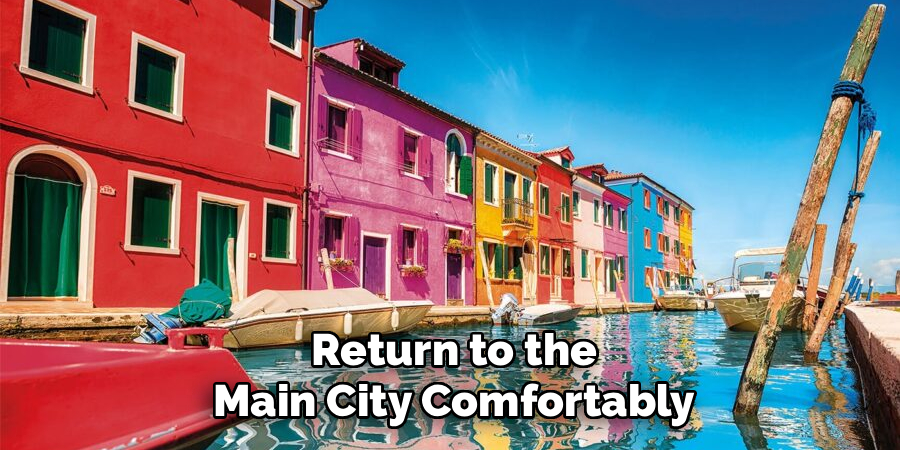
Comfort can be lower during sunset hours, as massive crowds simultaneously attempt to leave the island. This final leg of the journey caters to everyone, but requires patience during the busy boarding process. A helpful tip is to leave slightly before sunset to secure a good seat on the boat.
Pros and Cons of Each Travel Option
Every single travel option offers specific advantages and disadvantages depending on your vacation priorities. Public ferries provide excellent cost savings and run frequently, but they often suffer from extreme overcrowding and limited seating.
Guided group tours offer fantastic convenience and educational commentary, though they restrict your flexibility and enforce strict time limits. Private water taxis deliver unmatched speed and luxurious comfort, yet they come with a hefty price tag that breaks tight budgets. Comparing these methods carefully ensures you select the transport type that perfectly matches your personal needs and available funds.
Best Way to Travel
The absolute best overall travel option is purchasing a multi-day public ferry pass and exploring independently. This method strikes the perfect balance between manageable costs, reliable availability, and complete schedule flexibility.
You gain the convenience of unlimited rides, allowing you to bypass individual ticket queues and hop between stops freely. It caters beautifully to the average traveler who wants to experience authentic local transit without paying luxury prices. While guided excursions are certainly easier, independent transit allows you to linger at the sights that interest you the most.
Top Attractions & Must-Visit Places
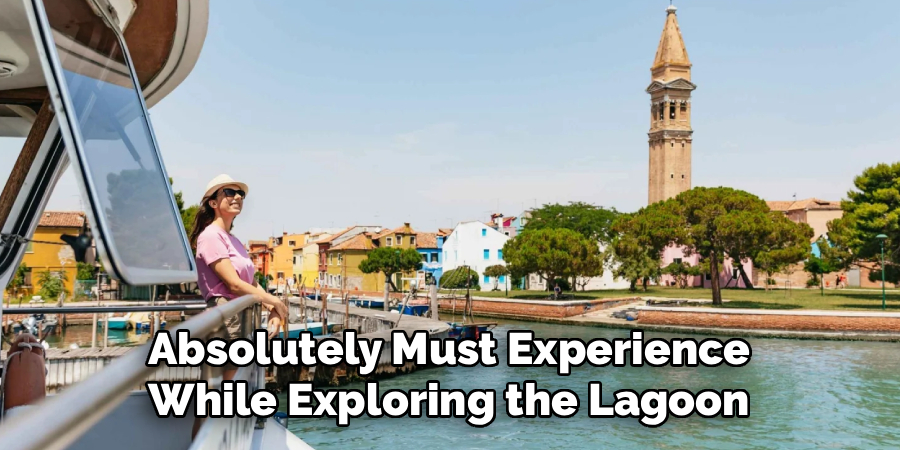
There are several incredible landmarks you absolutely must experience while exploring the lagoon. These vibrant locations offer a beautiful mix of historic architecture, local crafts, and stunning waterfront views.
- The Glass Museum: Discover centuries of intricate glassblowing history and admire ancient artistic masterpieces.
- Church of Santa Maria e San Donato: A historic basilica featuring magnificent twelfth-century Byzantine floor mosaics.
- The Lace Museum: Learn about the delicate, traditional needlework that made the colorful fishermen village famous.
- Bepi’s House: The most vividly painted and photographed building on the island, featuring striking geometric patterns.
Best Areas to Stay / Accommodation
Choosing the right neighborhood significantly impacts your daily convenience and overall enjoyment. The Cannaregio district is an excellent choice for budget and mid-range travelers due to its proximity to the northern ferry terminals.
Staying near St. Mark Square offers luxury resort options, though it places you further from the direct lagoon transit lines. You can also find peaceful boutique hotels and charming Airbnbs directly on the outer islands for a quiet evening vibe. First-time visitors generally prefer staying near the main train station for effortless arrival and departure logistics.
Food & Local Cuisine
The local cuisine heavily features fresh seafood caught directly from the surrounding waters. You absolutely must try the traditional risotto de gò, a deeply flavorful dish made with a specific lagoon fish.
Street food lovers should grab a quick cone of fried calamari and shrimp from the casual waterfront vendors. A typical mid-range meal at a canal-side restaurant offers wonderful ambiance, though prices are generally higher than on the mainland. Vegetarians will find plenty of delicious options, particularly traditional pasta dishes and fresh seasonal vegetable sides.
Travel Cost & Time
Understanding the financial and temporal aspects of your trip ensures you remain within your designated budget. A standard budget traveler might spend around fifty to seventy euros daily on transit and casual dining.
A mid-range experience, including a nice sit-down seafood lunch and museum tickets, easily exceeds one hundred euros. The average travel time from the northern docks to the furthest island is about forty-five minutes each way.
During the peak summer season, you must account for significant delays due to massive crowds waiting at the ferry terminals. Private taxis reduce this travel time drastically but exponentially increase your overall daily expenditure.
Estimated Budget & Money-Saving Tips with Currency
A comfortable estimated budget for a day trip is around sixty euros, covering a transport pass, casual lunch, and small expenses. To save money, definitely book your multi-day transit passes online early and consider visiting during the quieter off-season.
The local currency is the Euro (EUR), and current exchange rates sit roughly around 1 USD to 0.90 EUR. While major restaurants and shops readily accept credit and contactless payments, carrying small cash is highly recommended for tiny bakeries. Avoid expensive ATM conversion fees by withdrawing cash from official bank machines rather than independent tourist kiosks.
Connectivity: SIM Cards & Essential Travel Apps
Staying connected is easy, as local telecom providers like TIM and Vodafone have kiosks directly at the airport. Their prepaid tourist data plans offer excellent speeds and generous data allowances for relatively affordable prices.

If your smartphone supports it, purchasing a digital eSIM before your flight is a highly convenient alternative. Make sure you have your passport ready, as Italian law requires official identification to register any physical SIM card. You should also download essential travel apps like Google Maps and the official transit application for real-time boat schedules.
Language & Local Etiquette
Italian is the primary language spoken across all the lagoon communities and mainland districts. However, basic English is widely understood by hotel staff, restaurant waiters, and transit operators due to heavy tourism.
Learning a few simple local phrases, such as “buongiorno” (good morning) and “grazie” (thank you), will earn you friendly smiles. Regarding etiquette, always wear respectable clothing covering your shoulders and knees when entering any historic churches. Remember that tipping is not strictly required, as a service charge is typically included on your final dining bill.
Travel Tips
Knowing How to Visit Murano and Burano From Venice properly requires a bit of strategic foresight. You should definitely plan your route and purchase your transit tickets well in advance to avoid morning stress.
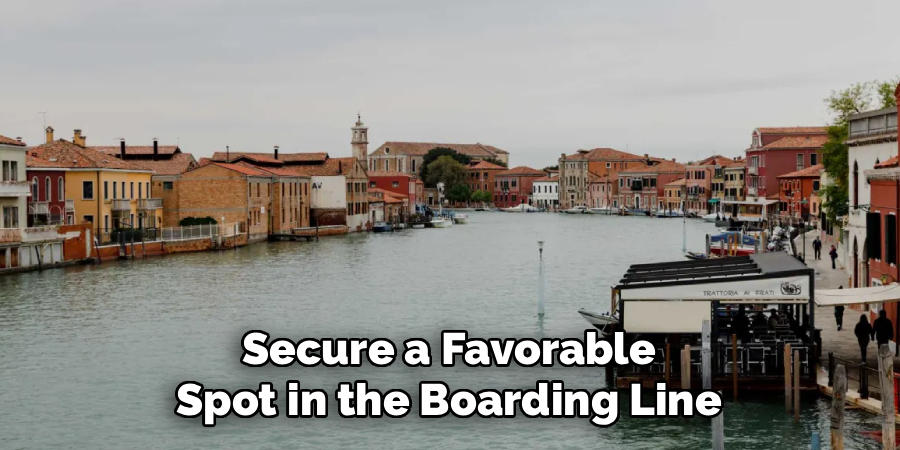
Arrive at the Fondamente Nove departure terminal early to secure a favorable spot in the boarding line. Keep your passport and travel passes organized in a secure, zippered cross-body bag. Pack as light as possible, and always check the local weather forecast before heading out on the water. Using offline maps will keep you oriented while wandering the winding, colorful residential streets.
Travel Safety, Common Scams & Mistakes to Avoid
Maintaining general travel safety awareness is crucial in any busy tourist destination. Be highly alert for common scams, such as unauthorized individuals offering heavily overpriced “private” boat tours near the public docks.
You can identify suspicious situations by noting if someone aggressively pressures you to follow them away from official ticket booths. Always use verified transit services and completely avoid sharing your accommodation details with overly inquisitive strangers. Keep your valuables secured against your chest, especially when standing shoulder-to-shoulder on crowded public ferries.
Safety & Health Precautions
Taking basic health precautions ensures your vacation remains comfortable and completely illness-free. Staying hydrated is vital during the sweltering summer months, so always carry a refillable water bottle with you.
The narrow cobblestone streets and crowded bridges pose minor trip hazards, so wear supportive and comfortable walking shoes. Consider packing a small first-aid kit containing basic pain relievers, blister pads, and any personal prescription medicines. Maintain good hygiene by washing your hands frequently and choosing well-reviewed restaurants that practice excellent food safety standards.
Frequently Asked Questions
What is the cheapest way regarding How to Visit Murano and Burano From Venice?
The cheapest method is purchasing a multi-day public vaporetto pass. It offers unlimited rides for a flat fee, allowing you to explore both locations without buying expensive individual tickets for every leg of the trip.
How much time should I allocate for this day trip?
You should plan for a minimum of five to six hours. This timeframe comfortably covers the boat transit, a leisurely lunch, and enough time to explore the glass factories and lace shops.
Are these island destinations wheelchair accessible?
Yes, the primary public ferries accommodate wheelchairs easily. However, some smaller residential bridges lack ramps, which might slightly restrict your ability to explore the deepest, narrowest alleyways.
Conclusion
How to Visit Murano and Burano From Venice is a process made remarkably easy with a little bit of preparation. The vibrant glass factories and brightly colored fishermen houses offer a truly unforgettable cultural experience that perfectly complements your mainland itinerary.
You can rest assured that navigating the lagoon is safe, efficient, and highly rewarding for all types of travelers. Focus on planning your transit early and choosing the transport method that best fits your personal budget. Ultimately, start your day early to beat the crowds and enjoy the peaceful morning atmosphere on the water.

About
Ethan Brooks is a dedicated travel writer and tourism specialist with over a decade of experience exploring more than 150 countries. His professional focus centers on city routes and budget travel, where he combines real-world travel insights with efficient planning strategies.
Ethan is known for creating smart, well-structured travel systems that are practical, cost-effective, and easy to follow. As a core author at thetraveliy.com, he helps both first-time travelers and experienced explorers plan smooth, confident journeys.
Education
The University of Queensland (Australia) Bachelor’s Degree in Tourism Management
-
Focus: Global tourism systems, destination planning, and travel operations.
-
Specialization: Gained practical knowledge in travel logistics, itinerary development, and tourism industry structures.
Publications and Impact
At thetraveliy.com, Ethan Brooks publishes clear, structured, and experience-driven content focused on:
-
Transportation Logistics: Navigating complex transit systems with ease.
-
Itinerary Planning: Creating time-efficient schedules for any destination.
-
Budget-Friendly Solutions: Maximizing value without sacrificing the experience.
Ethan’s work simplifies complex travel decisions, making it easier for readers to plan efficient and affordable trips. By blending practical advice with real-world experience, he helps travelers create well-organized journeys while saving both time and money.