
Learning how to fold a Hoodie for Travel makes packing for your next journey significantly easier. Hoodies are comfortable, versatile, and provide warmth on chilly airplanes or cool evenings outdoors. However, they are naturally bulky and can take up precious space in your luggage if not handled correctly. Proper packing prevents your favorite sweatshirt from becoming wrinkled, stretched, or unnecessarily cumbersome.
Reading this guide will save you time, reduce packing stress, and keep your garments looking fresh. You will learn a step-by-step packing method, discover common mistakes to avoid, and pick up valuable budget and maintenance tips. We will cover safety precautions, travel scenarios, and provide a quick packing checklist to streamline your itinerary. By the end of this post, organizing your luggage will feel completely effortless.
Why Proper Packing Matters
Improperly packing bulky clothing often leads to frustrating situations when you finally arrive at your destination. Cramming a sweatshirt into a suitcase without a strategy can damage the fabric or misshape the hood. It also wastes valuable luggage space that you could use for other travel essentials.
Taking the time to pack neatly saves you from sitting on your suitcase trying to force the zipper shut. It reduces anxiety before your transportation arrives, knowing everything fits perfectly without exceeding airline rules. Proper organization also protects your fragile items, as neatly rolled clothing can act as padding for electronics or souvenirs.
Travelers often face weight distribution issues when bulky items are haphazardly thrown into a bag. Airport security checks become a hassle if you have to quickly unpack an overstuffed carry-on to remove a laptop. Organizing your garments strategically ensures you can access what you need without destroying your perfectly packed suitcase.

Can You Travel With A Hoodie? (Rules & Restrictions)
Bringing a sweatshirt on planes, trains, or buses is universally allowed and highly recommended. There are generally no specific airline rules prohibiting you from wearing or packing one in your carry-on or checked luggage. In fact, wearing your bulkiest clothing item during transportation is a smart way to bypass strict weight limits.
While the garment itself is not restricted, be mindful of what you keep in the pockets before heading through security. Ensure you empty all metal items, electronics, and liquids from your pockets to avoid delays at the scanner. Knowing these security protocols in advance saves you time and prevents unnecessary stress during your itinerary.
Customs and border agents rarely flag clothing unless it conceals prohibited agricultural items or restricted goods. If you are traveling internationally, simply keep your sweatshirt accessible in case you need to remove it for inspection. Planning and keeping your pockets clean ensures a smooth and successful transition through any security checkpoint.
6 Simple Steps on How to Fold a Hoodie for Travel
Organizing your bulky garments requires a systematic approach to save space and prevent wrinkles. There are multiple ways to pack your clothing depending on your travel style and transportation method. This breakdown will guide you through the most efficient rolling method for maximum luggage space.
Step 1: Lay the Hoodie Flat
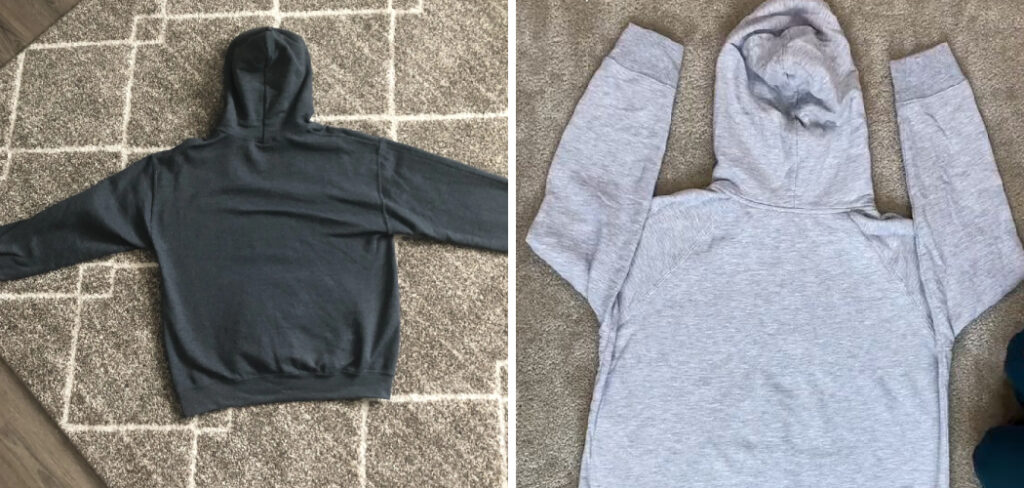
Start by finding a clean, flat surface like a bed, a clean floor, or a large table. Place the garment face down with the hood pointing toward you and the bottom hem facing away. Smooth out any wrinkles or bunched fabric with your hands to create a neat starting point.
Ensuring the fabric is completely flat prevents deep creases from forming while it sits in your checked luggage. Taking a few seconds to align the seams will make the rest of the process much smoother. This initial preparation is crucial for achieving a compact and organized final result.
Step 2: Fold the Sleeves
Take the left sleeve and fold it straight across the upper back of the garment. Do the same thing with the right sleeve, crossing it neatly over the first one. The sleeves should rest flat against the back without extending past the side seams.
If the sleeves are extra long, fold the cuffs back slightly so they remain within the rectangular shape. Keeping the sleeves contained ensures your final bundle will be tight and uniform for your journey. Smoothing the fabric after this step keeps the overall bulk to an absolute minimum.

Step 3: Fold the Body
Grab the left side of the garment and fold it toward the center, covering about one-third of the width. Repeat this motion with the right side, folding it over the left section to create a narrow rectangle. The width of this rectangle should perfectly match the width of the hood.
This overlapping technique drastically reduces the horizontal footprint of your bulky clothing. It is especially helpful when trying to meet strict airline rules for small personal item bags. Run your hands over the folded sections one more time to press out any trapped air.
Step 4: Roll from the Bottom
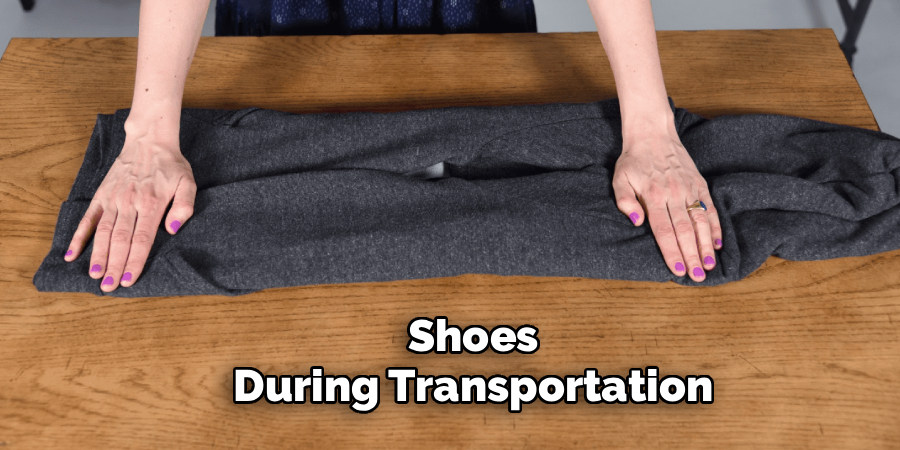
Begin at the bottom hem and tightly roll the fabric upward toward the hood. Keep the roll as dense and compact as possible, using both hands to apply even pressure. Ensure the side folds stay tucked in as you move upward to maintain a clean cylindrical shape.
Rolling rather than folding is a well-known space-saving technique among frequent flyers. It helps protect delicate items in your bag by providing soft, shock-absorbing padding. By the time you reach the neckline, you should have a tight, firm roll of fabric.
Step 5: Secure with the Hood
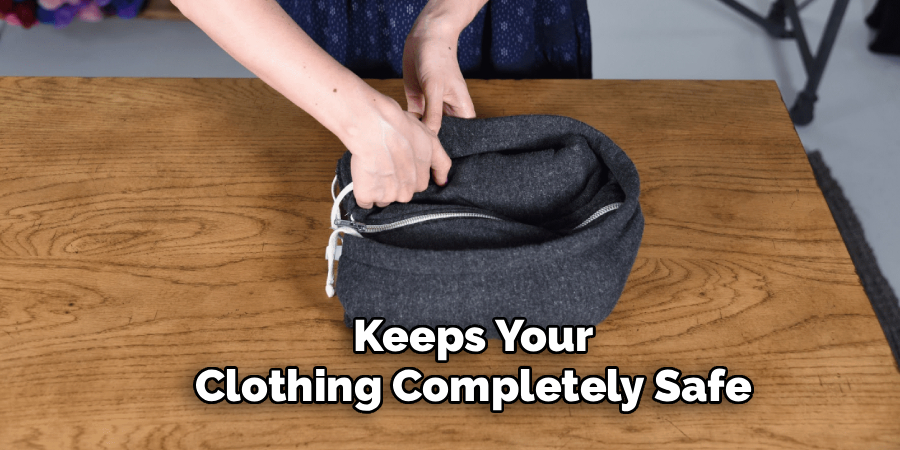
Once you have rolled all the way to the neckline, open the hood wide. Stretch the opening of the hood carefully over the entire rolled body of the sweatshirt. The hood essentially acts as a built-in protective pouch that holds the entire bundle together.
Tucking the garment into itself prevents it from unraveling while shifting around in transit. This method is incredibly convenient for long journeys where luggage gets tossed around frequently. Pull the drawstrings slightly if you want to secure the bundle even tighter.
Step 6: Final Adjustments
Inspect your freshly packed bundle to ensure no sleeves or loose fabric are hanging out of the pouch. Pat the pouch down to compress any remaining air and flatten the shape slightly. Your garment should now look like a small, compact pillow that is easy to stash anywhere.
You can now place this compact bundle into your carry-on, backpack, or checked suitcase. Its uniform shape makes it easy to stack alongside packing cubes or other travel essentials. This technique maximizes your luggage efficiency and keeps your clothing completely safe.
Best Packing Methods / Tips
Using the hood-rolling method is generally the best strategy for maximizing space in small bags. However, layering your sweatshirts flat might work better if you are using a large, hard-shell suitcase. Flat packing minimizes bulk across a wider surface area and is ideal for rigid luggage styles.
Using compression packing cubes is another excellent tip for managing bulky clothing on a long journey. These specialized cubes use double zippers to squeeze excess air out of your garments, instantly reducing their volume. They also keep your itinerary highly organized by separating your warm layers from your lightweight shirts.
If your sweatshirt has delicate components like a printed graphic or a fragile zipper, fold it inside out. This simple trick protects the exterior design from rubbing against rough zippers or shoes during transportation. Securing a rubber band around the rolled bundle can also provide extra stability for long-haul flights.
Common Mistakes to Avoid
One of the most frequent errors travelers make is leaving items in their pockets before packing. Leaving keys, pens, or lip balm in your pocket can permanently damage the fabric under pressure. Always double-check your pockets to prevent unpleasant surprises when you unpack at your destination.
Overpacking your suitcase to the point where garments are crushed is another common issue. Forcing a zipper shut over a bulky sweatshirt can damage both the bag and the clothing inside. Check airline rules regarding weight limits to ensure your overstuffed bag does not incur extra fees.
Failing to protect the garment from liquid spills is a surprisingly common oversight. Storing a sweatshirt directly next to unsealed toiletries is a recipe for disaster if cabin pressure causes a leak. Always place liquids in a sealed zip-lock bag away from your absorbent clothing.
Travel Tips
Deciding whether to place your sweatshirt in a carry-on or checked bag depends entirely on your travel climate. If you are flying to a cold destination, keeping it in your carry-on ensures immediate access upon arrival. Cabin temperatures often fluctuate, so having warm travel essentials nearby increases your comfort significantly.
If you choose to check the garment, place it near the top of your suitcase for extra padding. This helps absorb impacts if baggage handlers toss your suitcase during transportation. It also makes it easier to remove quickly if your bag happens to be slightly overweight at the check-in counter.
Always secure drawstrings by tying them in a loose knot before placing the garment in your bag. Loose strings can easily get caught in luggage zippers, causing tears or snags. Keeping your items neatly contained reduces travel stress and prevents accidental damage.
Estimated Budget
Packing your clothing efficiently rarely requires a large financial investment. Utilizing the built-in hood pouch method is completely free and requires zero extra equipment. You can easily achieve professional-level packing organization without spending any money on specialized gear.
If you prefer using packing cubes, a reliable set typically costs between twenty and forty dollars. These cubes are a worthy investment because they can be reused for every future journey. Buying multipurpose vacuum seal bags is an even cheaper alternative, often costing less than fifteen dollars for a multipack.
To save even more money, repurpose large zip-lock bags from your kitchen to compress bulky items. You can manually squeeze the air out of these bags before sealing them shut. Borrowing travel accessories from friends or family is another great way to keep your transportation budget low.
Maintenance & Storage Tips
Keeping your garments clean during a trip requires minor maintenance and mindful storage. If your sweatshirt gets damp from rain, hang it over a chair to dry completely before repacking it. Packing slightly damp fabric can cause mildew and unpleasant odors to spread throughout your luggage.
When you return home, wash the garment according to the manufacturer’s care label to remove travel dust. Air drying is usually best to prevent the fabric from shrinking or losing its soft texture. Ensure the item is entirely dry before folding it for long-term storage in your closet.

Store your winter clothing in breathable cotton bags during the off-season to protect against dust and pests. Avoid hanging heavy garments on thin wire hangers, as this can permanently stretch the shoulders out of shape. Flat storage is always the safest option for maintaining the structural integrity of heavy fabrics.
Travel Scenario Tips
Taking a road trip offers much more flexibility than dealing with strict airline rules. In a car, you can leave your sweatshirt unrolled on the backseat for quick access when the air conditioning gets too cold. This saves you from digging through the trunk during brief rest stops.
For crowded trains or buses, keeping your bulky clothing inside a backpack is the most efficient choice. The compact rolled method prevents your backpack from expanding into the personal space of other passengers. It also serves as a fantastic makeshift pillow if you need to sleep during a long journey.
If you are dealing with a long layover at an airport, wear your bulky items rather than carrying them. Wearing your heaviest clothing frees up space in your bag for souvenirs or duty-free purchases. This approach keeps your hands free and reduces the physical strain of carrying heavy bags.
Quick Packing Checklist (Bullet Points)
Review this simple checklist to ensure you have everything needed for safe transport:
- Clean, dry sweatshirt with empty pockets
- Flat surface for folding and rolling
- Compression packing cubes (optional)
- Large reusable zip-lock bags for waterproofing
- Rubber bands to secure loose rolls
- Sealed toiletry bags to prevent liquid damage
- Loose knot tied in the drawstrings
Safety Precautions
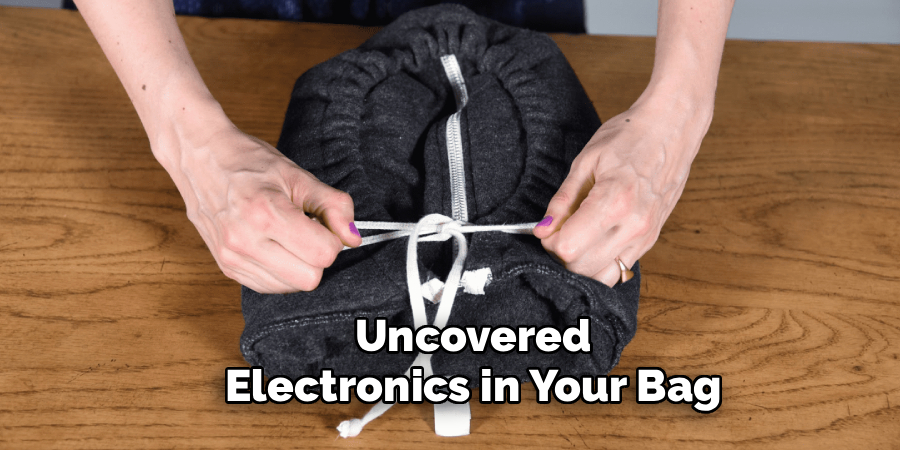
Protecting your garments from damage during transit requires a few basic safety precautions. Keep your rolled clothing away from sharp objects like razors, nail clippers, or uncovered electronics in your bag. A simple puncture can easily ruin the fabric and compromise your travel essentials.
If you are traveling with an expensive or delicate fabric, consider wrapping it in a thin plastic dry-cleaning bag. The plastic creates a frictionless barrier that prevents pilling and protects against unexpected liquid spills. This extra layer of security provides great peace of mind during turbulent transportation.
Always position your heaviest items, like shoes or toiletry bags, at the bottom of your suitcase near the wheels. Place your rolled clothing on top to ensure the fabric is not crushed by heavy weight. Strategic placement keeps your luggage balanced and prevents delicate items from breaking.
Frequently Asked Questions
What is the fastest method regarding How to Fold a Hoodie for Travel?
The fastest method is the hood-roll technique. You simply tuck the sleeves in, fold the body in half, roll tightly from the bottom hem, and wrap the hood over the bundle to secure it.
Does rolling clothes really save space in luggage?
Yes, rolling forces excess air out of the fabric and creates a compact, uniform shape. This technique allows you to stack items tightly together, maximizing every inch of your carry-on or checked bag.
Can I vacuum-seal my winter clothing for a flight?
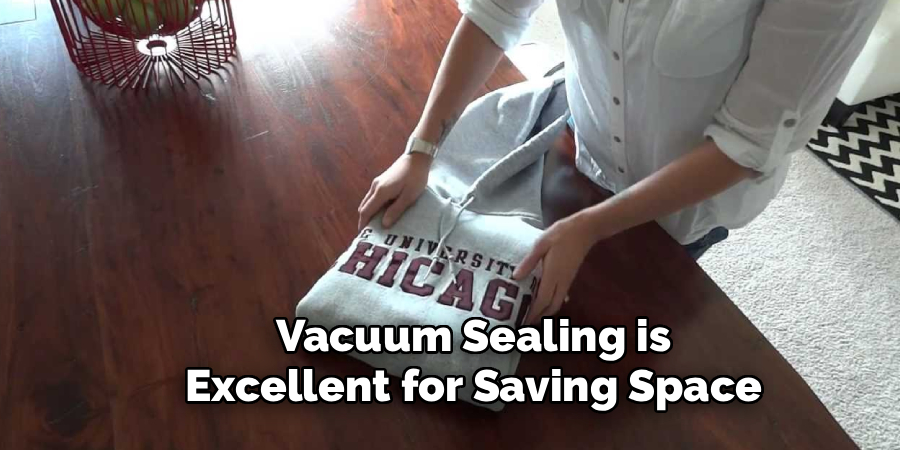
Vacuum sealing is excellent for saving space, but be aware of weight limits. While the volume decreases, the actual weight remains the same, which could result in overweight baggage fees at the airport.
Conclusion
Now that you understand how to fold a Hoodie for Travel, preparing for your next trip will be a breeze. The techniques covered in this guide provide practical solutions for saving space and protecting your favorite garments. Proper preparation ensures that your luggage remains organized, compliant with airline rules, and easy to manage.
Applying these step-by-step instructions will remove the frustration from packing bulky winter wear. Following the maintenance, budget, and safety tips ensures a smooth journey from start to finish. Take the time to practice these methods before your next adventure, and enjoy the convenience of a perfectly packed suitcase.

About
Ethan Brooks is a dedicated travel writer and tourism specialist with over a decade of experience exploring more than 150 countries. His professional focus centers on city routes and budget travel, where he combines real-world travel insights with efficient planning strategies.
Ethan is known for creating smart, well-structured travel systems that are practical, cost-effective, and easy to follow. As a core author at thetraveliy.com, he helps both first-time travelers and experienced explorers plan smooth, confident journeys.
Education
The University of Queensland (Australia) Bachelor’s Degree in Tourism Management
-
Focus: Global tourism systems, destination planning, and travel operations.
-
Specialization: Gained practical knowledge in travel logistics, itinerary development, and tourism industry structures.
Publications and Impact
At thetraveliy.com, Ethan Brooks publishes clear, structured, and experience-driven content focused on:
-
Transportation Logistics: Navigating complex transit systems with ease.
-
Itinerary Planning: Creating time-efficient schedules for any destination.
-
Budget-Friendly Solutions: Maximizing value without sacrificing the experience.
Ethan’s work simplifies complex travel decisions, making it easier for readers to plan efficient and affordable trips. By blending practical advice with real-world experience, he helps travelers create well-organized journeys while saving both time and money.