
Planning a trip to a remote and beautiful destination requires careful preparation and an understanding of local logistics. If you are wondering how to travel to the Nicobar Islands, you are stepping into a journey filled with pristine beaches and untouched nature. Proper travel planning is incredibly important for this specific region to save time, reduce costs, and avoid unexpected confusion upon arrival.
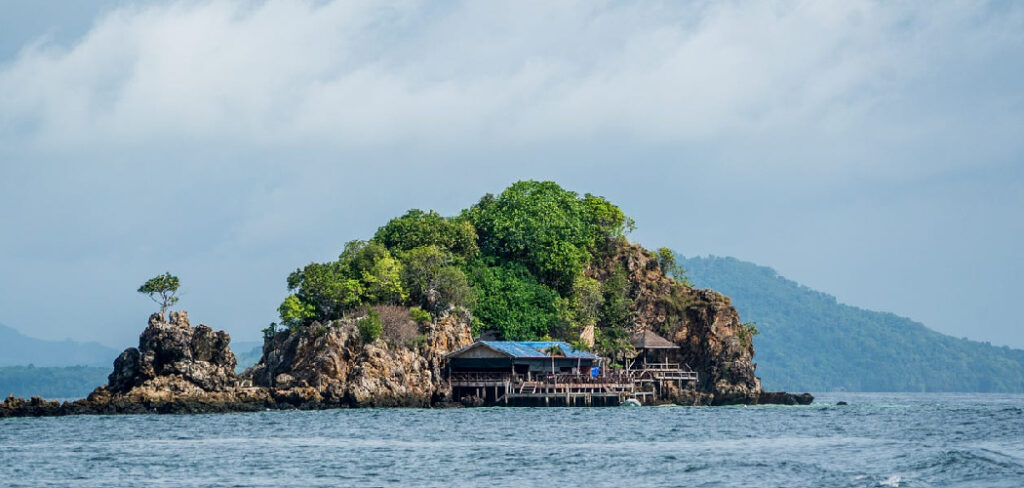
Readers will learn everything they need to know about transport, costs, local etiquette, and essential travel items. The region offers limited but highly scenic local transport options, mostly relying on ferries and government-operated vessels. Navigating this archipelago feels like stepping back in time to a much calmer era of exploration. With the right information, your journey will be completely stress-free and enjoyable.
Best Time to Visit & Seasonal Weather
The most favorable months to explore the archipelago are between October and May. During this period, the weather remains relatively dry and pleasant, making it the perfect season for sightseeing and outdoor activities. Summer brings warmer temperatures, while the rainy season from June to September introduces heavy downpours and rough seas.
Winter is widely considered the peak season, offering comfortable humidity levels and minimal rainfall. The off-season during the monsoon means fewer crowds and lower costs, but many ferry services become unpredictable due to the weather. Budget travelers might enjoy the shoulder months of October and May for a great balance of decent weather and affordability. Nature lovers will appreciate the vibrant green landscapes right after the monsoon passes.
Visa & Entry Requirements for Tourists
Foreign nationals face strict entry regulations when attempting to visit this highly protected region. Currently, non-Indian citizens are generally not permitted to enter the archipelago for tourism purposes due to indigenous tribal protections. Indian nationals do not require a passport or visa, but they must obtain a special Tribal Pass from the Deputy Commissioner in Port Blair.
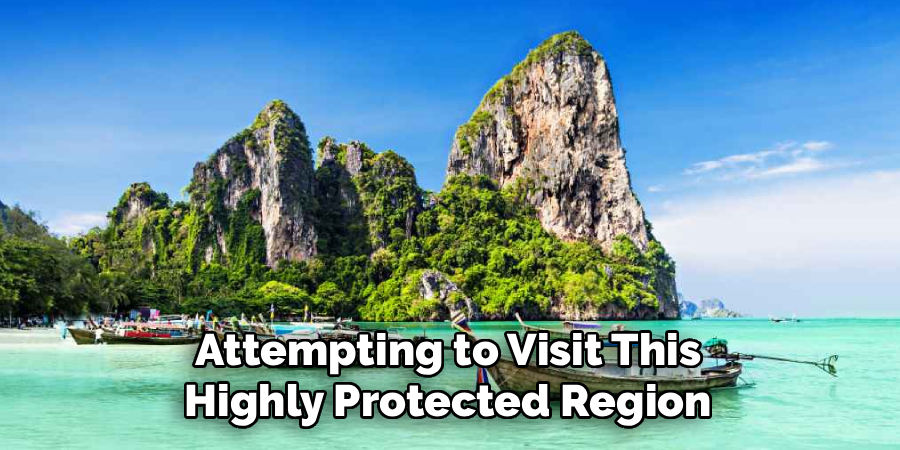
To apply for this pass, you will need valid identification, proof of accommodation, and a clear reason for your visit. The approval process can take time, and tourism is rarely accepted as a valid reason, even for Indian citizens. Passes are usually granted for research, government work, or visiting resident relatives. Always verify the latest government restrictions before booking any non-refundable tickets.
Travel Requirements
Securing the right documents is the very first step of your journey to these remote islands. Indian citizens must carry government-issued photo identification, such as an Aadhaar card or voter ID, at all times. The approved Tribal Pass must be kept safe and presented whenever requested by local authorities or ferry operators.
While specific health forms are not generally mandated, carrying a basic medical certificate and ensuring routine vaccinations are up to date is highly recommended. Proof of a return ticket and a confirmed place to stay are also necessary to demonstrate your itinerary. Travel insurance covering medical evacuations is an excellent idea due to the limited healthcare facilities available. Keep all your physical documents in a waterproof bag to protect them during boat rides.
How to Get There
The nearest major entry point for the region is Veer Savarkar International Airport, located in Port Blair on the neighboring Andaman Islands. Most travelers first fly into Port Blair from major mainland cities like Chennai, Kolkata, or Delhi. Once in Port Blair, the primary method of reaching the southern archipelago is by sea.
Government-operated passenger ships and ferries run scheduled routes between Port Blair and major islands like Car Nicobar or Campbell Bay. The journey by sea is quite long, often taking anywhere from 15 to 24 hours, depending on the vessel and weather conditions. Helicopter services operated by Pawan Hans are sometimes available for faster transit, but seats are highly restricted and prioritized for medical emergencies and government officials. Knowing your route ahead of time ensures a much smoother transit experience.
6 Simple Steps to Travel to Nicobar Islands
Step 1: Fly to Port Blair
Booking a flight to Port Blair is the mandatory first leg of your journey from the mainland. Multiple domestic airlines operate daily flights from major Indian cities, offering a comfortable and relatively fast travel experience. The flight usually takes around two to three hours from East Coast cities like Chennai or Kolkata.
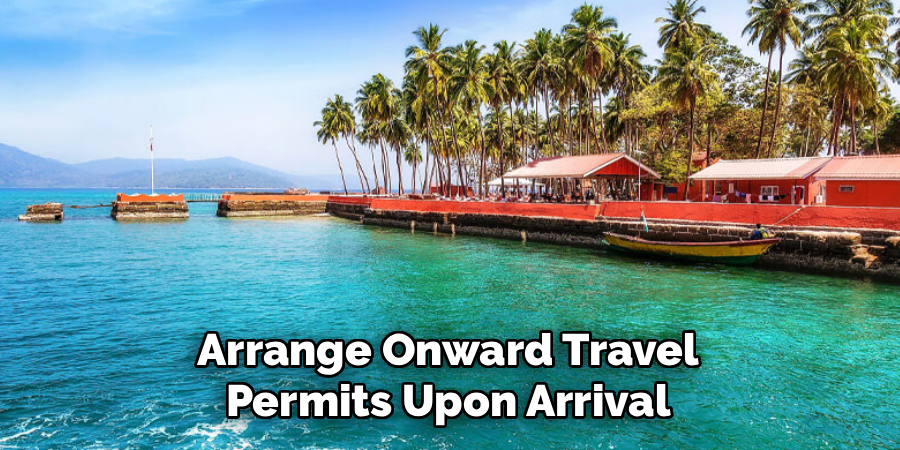
This option offers a high level of comfort and is ideal for travelers who want to minimize their initial transit time. Costs are generally in the mid-range category, especially if you book your tickets a few months in advance. Make sure to choose a morning flight so you have ample time to arrange onward travel permits upon arrival.
Step 2: Apply for the Tribal Pass
Once you arrive in Port Blair, you must physically apply for the required restricted area permits. Head to the Deputy Commissioner’s office with your valid ID, application forms, and supporting documents. The processing time can vary greatly, so patience is essential during this administrative step.
This step does not involve a transport cost, but it requires a significant time investment and a medium comfort level due to waiting in government offices. It is an unavoidable requirement for every single visitor aiming to head further south. Submitting your paperwork early in the day gives you the best chance of timely processing.

Step 3: Book Your Ferry Tickets
Securing a seat on a government-operated passenger ship is your next major task. Tickets are usually sold at the STARS counter in Port Blair and cannot always be booked easily online. The cost is quite budget-friendly, making it accessible for most approved travelers.
The ferries offer different classes of comfort, ranging from basic bunk beds to private cabins. Frequency is somewhat limited, with ships sailing only a few times a week based on the official schedule. This option is best for budget travelers and those who enjoy long, scenic ocean voyages.
Step 4: Prepare Travel Essentials
Before leaving Port Blair, take time to gather all necessary supplies for the remote islands. Stock up on essential medicines, adequate cash, and any specific snacks or dietary items you might need. The southern islands have very limited commercial infrastructure, so self-reliance is key.
This preparatory step takes only a few hours but drastically increases your comfort level for the rest of the trip. Spending a little extra on quality waterproof gear and a dependable power bank is a smart investment. It is ideal for anyone who wants to avoid the frustration of missing basic amenities later.
Step 5: Board the Passenger Ship
On the day of departure, arrive at the Haddo Wharf in Port Blair well ahead of schedule. The boarding process involves security checks and document verification, so having your Tribal Pass accessible is crucial. The ship journey can take anywhere from 15 to 24 hours, depending on your final island destination.
Comfort levels vary greatly depending on the class of ticket you managed to purchase. This long-haul sea journey is perfect for slow travelers who appreciate the rhythmic pace of ocean transit. Bring a good book and some anti-nausea medication to make the ride more enjoyable.

Step 6: Arrive and Register
Upon docking at your destination, such as Car Nicobar or Campbell Bay, you must immediately report to the local authorities. Present your Tribal Pass and identification to the police or administrative officials at the jetty. This strict registration process ensures that the government can keep track of all visitors for safety and conservation reasons.
The process is straightforward but requires compliance and respect for local protocols. After clearing this final check, you can proceed to your pre-arranged accommodation. This step officially marks the beginning of your time in this beautifully isolated archipelago.
Pros and Cons of Each Travel Option
Choosing your transport method comes with distinct advantages and disadvantages. Flights to Port Blair are incredibly fast and convenient, but they represent the most expensive part of the journey. Helicopter services from Port Blair offer unmatched speed and aerial views, yet they suffer from severe availability issues and frequent cancellations.
Government ferries are highly cost-effective and provide a unique maritime experience for adventurous souls. The downside of sea travel includes long transit times, potential seasickness, and delays caused by rough weather. Carefully weighing these pros and cons helps you align your travel choices with your budget and physical comfort levels.
Best Way to Travel
The most reliable and practical method to reach the archipelago is a combination of flying to Port Blair and taking the government passenger ship. This approach balances the speed of modern air travel with the necessary, budget-friendly maritime transport required for the final leg. It is the most realistic option since helicopter seats are rarely granted to standard visitors.
Choosing the ferry allows you to interact with locals and experience the vastness of the Andaman Sea. While it requires patience, the ship schedules are generally more predictable than the highly restricted helicopter flights. This hybrid method suits the average traveler seeking a dependable and structured itinerary.
Top Attractions & Must-Visit Places
- Campbell Bay: Located on Great Nicobar, this area is known for its lush greenery and is one of the few places accessible to permitted visitors.
- Indira Point: The southernmost tip of India’s territory offers a historic lighthouse and breathtaking views of the endless ocean.
- Galathea National Park: A highly protected sanctuary boasting unique flora and fauna, perfect for permitted wildlife researchers.
- Car Nicobar: The administrative headquarters of the region, featuring flat coral landscapes and traditional local settlements.
- Pigeon Island: A small, picturesque spot often admired from the water, known for its pristine natural beauty.
Best Areas to Stay / Accommodation
Finding a place to stay requires careful planning since commercial tourism infrastructure is virtually non-existent. The best area to secure lodging is typically around Campbell Bay, where government guest houses and very basic lodges operate. These budget to mid-range options provide simple amenities like a bed and fan, focusing purely on utility over luxury.
Staying near the administrative centers ensures you are close to the local police station, transport hubs, and small markets. There are no luxury resorts or commercial Airbnbs available here. First-time visitors should absolutely rely on government-approved accommodations and book them well in advance through official channels.

Food & Local Cuisine
The culinary landscape here is simple, hearty, and heavily influenced by South Indian and coastal flavors. Fresh seafood is a prominent staple, often prepared with coconut, curry leaves, and local spices. You will find small local eateries serving basic thalis, which include rice, dal, vegetables, and fish curry.
First-time visitors must try the freshly caught crab and the sweet, hydrating water of local king coconuts. Meal costs are very budget-friendly, reflecting the modest nature of the local economy. Visitors with strict dietary requirements, like vegans, should plan carefully and carry supplementary snacks from the mainland.
Travel Cost & Time
An expedition to this region is generally quite affordable once the mainland flights are covered. The average daily cost remains firmly in the budget category, as luxury expenditures simply do not exist here. Ferry tickets, basic meals, and simple guest house accommodations keep daily spending very low.
Travel time, however, is a massive investment due to the vast distances and slow maritime transport. Getting from the mainland to Port Blair takes a few hours, but the onward sea journey adds another full day of transit. Delays caused by monsoon weather can further extend your travel time significantly.
Estimated Budget & Money-Saving Tips with Currency
A daily budget of around 1,500 to 2,500 INR is usually sufficient to cover basic meals, local transport, and government guest house stays. Comparing this to mid-range travel elsewhere, you will find your expenses remain remarkably low due to the lack of commercialized tourism. The local currency is the Indian Rupee (INR), and exchange rates sit roughly around 1 USD to 83 INR.
Cash is the absolute king in these remote islands, as digital payments and card machines are extremely rare. You should withdraw all the cash you might need from ATMs in Port Blair before boarding the ferry. Keep your money divided into separate, secure, waterproof bags to prevent loss or damage during boat transfers.
Connectivity: SIM Cards & Essential Travel Apps
Staying connected in this extremely remote area requires setting appropriate expectations. The state-run BSNL network is the only telecom provider that offers any semblance of coverage here. You should purchase and activate a BSNL SIM card in Port Blair, using your passport or national ID for documentation.
Data speeds are incredibly slow, often limited to 2G, making heavy internet browsing impossible. You must download all essential travel apps, including offline maps and digital copies of your permits, before leaving Port Blair. Relying on offline tools is the smartest way to navigate without network frustration.
Language & Local Etiquette

The primary languages spoken across the islands are Nicobarese and Hindi, with English being understood by most government officials. Learning a few basic Hindi phrases, such as a polite greeting or a word of thanks, goes a long way. The local culture is deeply traditional, so visitors must maintain a highly respectful and unobtrusive demeanor.
Dress codes should be highly conservative, covering shoulders and knees to respect local sensitivities. Taking photographs of indigenous tribal members or their dwellings is strictly prohibited and illegal. Always ask for permission before photographing local infrastructure or government buildings to avoid severe penalties.
Travel Tips
Learning exactly how to travel to the Nicobar Islands requires focusing on preparation and patience. Always book your mainland flights and Port Blair accommodations well in advance to secure the best rates. Arrive at the ferry terminal at least two hours early, as boarding procedures can be slow and bureaucratic.
Keep all your permits, identification, and tickets organized in a waterproof folder. Packing light is essential, but make sure to include high-quality rain gear, a strong flashlight, and a comprehensive first-aid kit. Finally, check the maritime weather forecasts constantly, as sudden storms can halt all transportation instantly.
Travel Safety, Common Scams & Mistakes to Avoid
Safety in this region is primarily about respecting nature and strictly following government regulations. Commercial scams are practically nonexistent here, but travelers should still avoid unofficial transport offers in Port Blair. Always purchase your ferry tickets directly from the government STARS counter to ensure authenticity.

The biggest mistake a visitor can make is attempting to enter restricted tribal areas without explicit permission. Maintain constant awareness of your surroundings and secure your belongings during long ferry rides. Never share your specific travel itinerary with strangers, and stick to the areas approved by your permit.
Safety & Health Precautions
Maintaining your health is critical because advanced medical facilities are far away on the mainland. Drink only bottled or thoroughly boiled water to prevent common waterborne illnesses. Stick to freshly cooked, hot meals and avoid raw foods that may have been washed in local tap water.
Carry an ample supply of any prescription medications, along with remedies for seasickness, fever, and stomach issues. The tropical environment is prone to mosquitoes, so wearing long sleeves and using a strong repellent is mandatory. Stay calm and consult the local government dispensary immediately if you begin feeling unwell.
Frequently Asked Questions
What is the primary method for How to Travel to Nicobar Islands?
The most reliable method is flying into Port Blair and taking a government passenger ship. This journey balances affordability with structured scheduling. It offers the most consistent access for permitted visitors.
Do I need a special permit to visit?
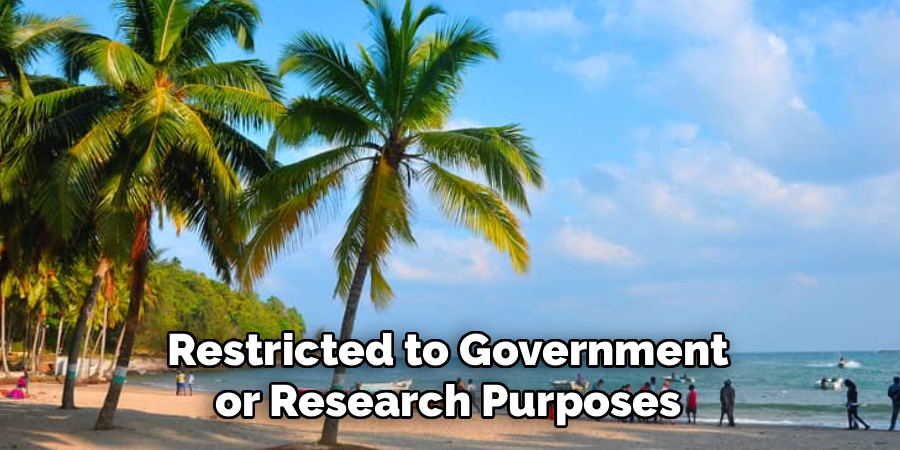
Yes, all visitors require a special Tribal Pass issued by the Deputy Commissioner in Port Blair. Foreign nationals are generally prohibited from entering for tourism. Approval is usually restricted to government or research purposes.
How much does the ferry cost?
Government ferry tickets are highly affordable, generally costing between 1,000 and 3,000 INR depending on the class. The journey is very budget-friendly. Tickets must be purchased locally in Port Blair.
Conclusion
Now that you know how to travel to Nicobar Islands, you understand the immense planning required for this unique destination. Navigating the permits, long ferry rides, and basic infrastructure is a challenging but rewarding endeavor. The untouched beauty of the region makes the rigorous journey completely worthwhile for those granted access. Ensure your paperwork is flawless, pack carefully for isolation, and approach the islands with the utmost respect. Stay patient with the travel schedules, and you will experience one of the most pristine environments left on earth.

About
Ethan Brooks is a dedicated travel writer and tourism specialist with over a decade of experience exploring more than 150 countries. His professional focus centers on city routes and budget travel, where he combines real-world travel insights with efficient planning strategies.
Ethan is known for creating smart, well-structured travel systems that are practical, cost-effective, and easy to follow. As a core author at thetraveliy.com, he helps both first-time travelers and experienced explorers plan smooth, confident journeys.
Education
The University of Queensland (Australia) Bachelor’s Degree in Tourism Management
-
Focus: Global tourism systems, destination planning, and travel operations.
-
Specialization: Gained practical knowledge in travel logistics, itinerary development, and tourism industry structures.
Publications and Impact
At thetraveliy.com, Ethan Brooks publishes clear, structured, and experience-driven content focused on:
-
Transportation Logistics: Navigating complex transit systems with ease.
-
Itinerary Planning: Creating time-efficient schedules for any destination.
-
Budget-Friendly Solutions: Maximizing value without sacrificing the experience.
Ethan’s work simplifies complex travel decisions, making it easier for readers to plan efficient and affordable trips. By blending practical advice with real-world experience, he helps travelers create well-organized journeys while saving both time and money.