
Are you wondering how to travel from Copenhagen to Helsinki for your next Nordic getaway? This journey connects two beautiful capitals across the Baltic Sea. Many people love this route for its scenic beauty, business opportunities, and rich tourism appeal.
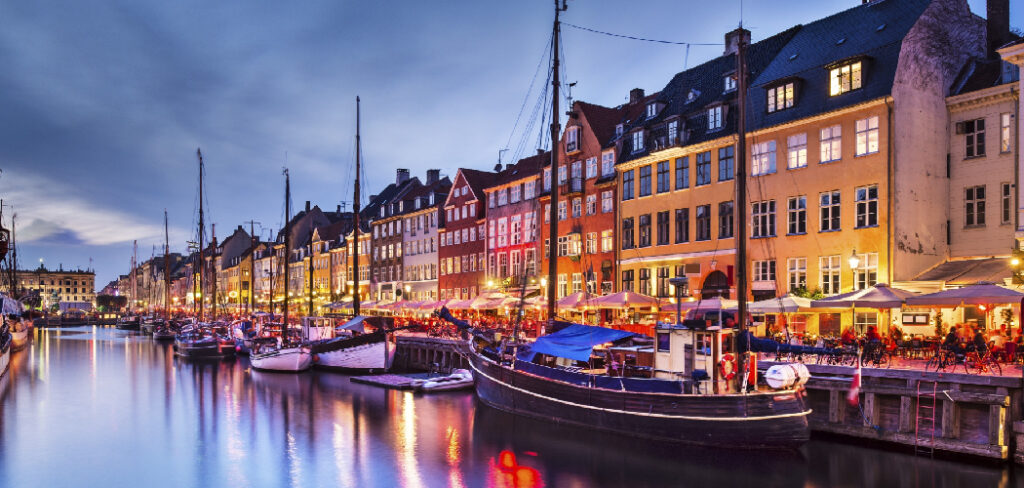
Planning your trip properly saves time, cuts costs, and helps you avoid unnecessary travel stress. You will learn the best ways to complete this journey, including costs, travel times, and helpful tips.
Options range from quick flights to scenic ferries and relaxing train rides. Knowing your choices makes all the difference when navigating Northern Europe.
How to Get There
Travelers usually begin at Copenhagen Airport or the city center train stations. You can easily reach these starting points using the local metro, buses, or taxis. Major routes include direct flights, combination rail journeys, and ferry crossings over the Baltic Sea.
Travel durations vary widely depending on your choice. A flight takes just under two hours, while a ferry and train combination spans over a day. Daily flights and regular ferry schedules ensure you always have options.
The journey connects Denmark to Finland, often routing through Sweden if you choose ground transport. Checking a simple map gives you a clear idea of the direction across the water.
6 Simple Steps on How to Travel From Copenhagen to Helsinki
This section breaks down the main travel options. There are multiple ways to travel, depending on your schedule and budget. The following steps cover flights, trains, ferries, buses, and driving.
Step 1: Fly Directly Between Capitals
Taking a direct flight is the most popular transport option. It requires about an hour and forty minutes of air time, plus wait times at the airport. You can expect an average cost ranging from fifty to one hundred fifty dollars.
This option offers a medium comfort level with standard airline seating. Daily flights are highly available, giving you great schedule flexibility. Fast travel seekers and business professionals find this option best. Arrive at the airport early to clear security smoothly.
Step 2: Take a Train to Stockholm
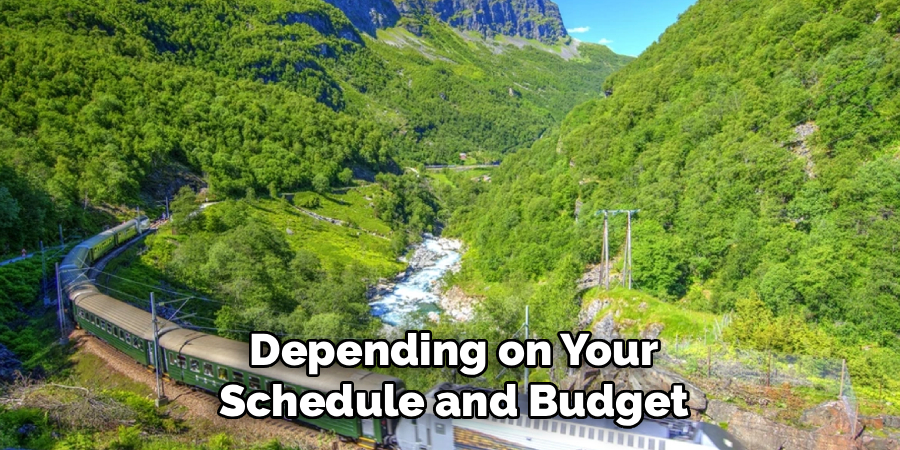
Traveling by train involves heading to Sweden first. You board a high-speed rail service, which takes around five to six hours to reach Stockholm. Costs generally fall between forty and ninety dollars.
The comfort level is high, offering spacious seats and scenic countryside views. Trains run daily with frequent departures. This step is perfect for travelers who prefer a relaxed pace and want to lower their carbon footprint. Book tickets early to secure the lowest fares.
Step 3: Board the Overnight Ferry
After reaching Stockholm, you can take a ferry across the Baltic Sea. The voyage takes about sixteen hours overnight. Cabin prices vary widely, usually costing between one hundred and two hundred dollars.
Comfort is very high, as you get a bed, dining options, and entertainment on board. Ferries depart daily in the late afternoon. Leisure travelers and families love this relaxing maritime experience. Enjoy the beautiful archipelago views from the deck during summer months.
Step 4: Travel by Long-Distance Bus
A bus journey provides an alternative ground route through Sweden. The trip to the ferry terminal takes around nine hours with scheduled rest stops. Prices are very affordable, often ranging from thirty to sixty dollars.
Comfort is medium, featuring reclining seats and onboard restrooms. Several companies offer daily services, including overnight options. Budget travelers and backpackers usually prefer this economical choice. Bring a neck pillow and snacks to make the long ride more enjoyable.
Step 5: Drive a Rental Car
Driving gives you complete control over your itinerary. You drive through southern Sweden to reach the ferry ports. Rental and fuel costs average around two hundred dollars, depending on the vehicle.
Comfort is high because you dictate the pace and stop whenever you want. Car rentals are flexible, though taking them on ferries costs extra. Road trip enthusiasts and groups find driving ideal. Ensure you understand international driving rules before hitting the road.
Step 6: Combine Modes for an Epic Route
Combining transport modes creates a memorable European adventure. You might take a quick train, catch a bus, and finish with a scenic ferry. Total costs hover around one hundred fifty dollars, balancing budget and experience.
Comfort shifts depending on the specific transit type you use at any moment. Timetables line up well since Nordic transit systems are highly coordinated. Explorers who want to see multiple cities benefit the most. Pack light bags to make moving between stations easier.
Pros and Cons of Each Travel Option
Every travel option has distinct advantages and disadvantages. Flights offer unmatched speed and convenience, but they can be costly and restrict your baggage. Trains provide high comfort and beautiful scenery, though they require more travel time.

Ferries are incredibly relaxing and act as a moving hotel, yet they are slow and subject to weather delays. Buses give you the cheapest fares, but you sacrifice legroom and spend hours seated. Driving ensures total flexibility, yet high fuel prices and rental fees can strain your budget.
Best Way to Travel
Flying remains the overall best travel option for most people. It balances your time perfectly, saving you entire days of transit. The convenience of a short, direct journey lets you start enjoying your destination sooner.
Airlines offer reliable, daily schedules that accommodate almost any itinerary. It suits the average traveler’s’s needs much better than spending twenty hours on trains and boats. While the scenic overland route is charming, flying is simply unmatched for practical, efficient travel across the Baltic Sea.
Cheapest Way to Travel
Taking a long-distance bus combined with a deck-class ferry ticket is the cheapest travel option. You can often complete the journey for roughly sixty to eighty dollars. It keeps costs low by sharing transport space with many passengers.
The main trade-offs are significantly longer travel times and lower comfort levels. You will face more stops and spend an entire night traveling. Services run daily but have fewer departure times than flights. Always book weeks in advance to secure the absolute lowest promotional fares.
Fastest Way to Travel
A direct flight easily claims the title as the fastest travel option. The total door-to-door travel time averages around four to five hours. The direct air route skips the massive geographical detour around the Baltic Sea.
You must account for extra time spent on airport check-in, security lines, and terminal transfers. However, the immense time savings easily outweigh the minor airport hassles. Multiple airlines offer direct and connecting availability every single day. This choice is incredibly convenient for tight schedules.
Travel Documents You Must Carry
You need a valid Passport or National ID to cross borders smoothly. A visa might be required depending on your home country. Keep your digital and printed flight, train, or bus tickets handy at all times.
Always carry your hotel booking confirmation and a copy of your travel insurance. Having emergency contact details written down is crucial. Bring your driver’s license if you plan to rent a vehicle. Keep your debit cards, credit cards, and organized document photocopies safe in a secure folder.
Estimated Budget & Money-Saving Tips
Your overall estimated budget will depend heavily on your travel style. Expect to spend between three hundred and six hundred dollars for transport, food, and basic local travel. Budget travelers can keep expenses lower, while mid-range spenders enjoy more comfortable meals and transit.
Book your tickets early and travel during the off-season to save serious money. Using public transport instead of taxis cuts your daily costs significantly. Look out for city transit passes or bundle deals to keep your wallet happy.
Currency & Money Management
Denmark uses the Danish Krone, while Finland uses the Euro. It helps to have an approximate understanding of the exchange rate before you arrive. Most places widely accept contactless payments, credit cards, and debit cards.
ATMs are highly accessible in both capitals and major transit hubs. Carrying a small amount of local cash is useful for tiny purchases. Use cards without foreign transaction fees to avoid currency conversion and ATM charges. Always keep your money stored securely in separate bags.
Internet & WiFi Availability
Public WiFi is highly available in airports, train stations, cafes, and hotels. The general internet speed across these Nordic countries is exceptionally fast and reliable. You will easily find free WiFi options, with premium paid networks rarely needed.
Urban areas feature flawless coverage, while rural transit routes might have slight drops. Using an international mobile data plan serves as an excellent backup. Avoid unsecured public networks to access the internet safely. Hotel WiFi is almost always high-quality and perfect for streaming or working.
Travel Tips
Planning and booking your tickets in advance ensures a much smoother journey. Always arrive early at stations and airports to avoid rushing. Keeping your important documents organized makes security checks a breeze.
Pack light and smart so you can manage your luggage easily on trains and ferries. Checking the weather before travel helps you dress appropriately for the chilly Nordic climate. Download official transit apps for real-time navigation and schedule updates. These simple steps keep your adventure stress-free and highly enjoyable.
Travel Safety, Common Scams & Mistakes to Avoid
Maintaining general travel safety awareness keeps you protected during your trip. Watch out for common scams like fake taxis, deliberate overcharging, and fraudulent ticket sales. Stay alert and verify services through official channels to prevent issues.
You can identify suspicious situations if someone aggressively pressures you to buy something. Stick to official transport networks and verified tour operators. Keep your valuables, bags, and phones secure in crowded areas. Never share personal travel details or your accommodation address with strangers.
Safety & Health Precautions
Following general safety and health precautions ensures a comfortable trip. Drink plenty of water, maintain good hygiene, and choose safe food options. Crowded transit hubs and unfamiliar areas present minor risks, so always stay aware of your surroundings.
Carrying basic medicines or a small first-aid kit is a smart precaution for minor headaches or motion sickness. Tap water is perfectly safe to drink in these regions. Keep your emergency contacts easily accessible on your phone and on paper. Being responsible and cautious guarantees a pleasant travel experience.
Emergency Contacts & Useful Links
You can reach the police, ambulance, or fire services by dialing the standard European emergency number. Keep the local embassy or consulate contact details saved just in case. Airlines, train operators, and bus services offer dedicated transport helplines for urgent issues.
Official government tourism websites provide reliable updates for travelers. Save all these important contacts offline in your phone before departing. Having quick access to help keeps your mind at ease.
Frequently Asked Questions
How long does it take to travel this route?
A direct flight takes under two hours. Ground and ferry combinations take between twenty and twenty-four hours. The fastest option saves time, while ferries offer a slow, scenic experience.
How to travel from Copenhagen to Helsinki?
It varies based on your choices. Flights booked early cost around eighty dollars. Ferries cost more but include a night of accommodation. Budget buses offer the absolute lowest overall travel expenses.
What is the best transport option overall?
Flying is the most efficient choice for balancing cost and speed. It offers excellent convenience and runs daily. Trains and ferries are fantastic if you want comfort and beautiful ocean views.
Conclusion
Knowing exactly how to travel from Copenhagen to Helsinki ensures your trip starts flawlessly. This journey offers everything from rapid flights to beautiful overnight sea voyages. Traveling through these Nordic regions is incredibly easy, safe, and highly efficient.
Proper planning and preparation guarantee you get the best prices and schedules. You can now choose the transport style that perfectly matches your budget and comfort needs. Always remember to pack a warm layer, as the Baltic winds can be quite brisk!

About
Ethan Brooks is a dedicated travel writer and tourism specialist with over a decade of experience exploring more than 150 countries. His professional focus centers on city routes and budget travel, where he combines real-world travel insights with efficient planning strategies.
Ethan is known for creating smart, well-structured travel systems that are practical, cost-effective, and easy to follow. As a core author at thetraveliy.com, he helps both first-time travelers and experienced explorers plan smooth, confident journeys.
Education
The University of Queensland (Australia) Bachelor’s Degree in Tourism Management
-
Focus: Global tourism systems, destination planning, and travel operations.
-
Specialization: Gained practical knowledge in travel logistics, itinerary development, and tourism industry structures.
Publications and Impact
At thetraveliy.com, Ethan Brooks publishes clear, structured, and experience-driven content focused on:
-
Transportation Logistics: Navigating complex transit systems with ease.
-
Itinerary Planning: Creating time-efficient schedules for any destination.
-
Budget-Friendly Solutions: Maximizing value without sacrificing the experience.
Ethan’s work simplifies complex travel decisions, making it easier for readers to plan efficient and affordable trips. By blending practical advice with real-world experience, he helps travelers create well-organized journeys while saving both time and money.