
Greece is easily one of the most popular travel destinations in the world. With its stunning turquoise waters, rich history, and vibrant culture, figuring out how to travel the Greek Islands can feel like a dream come true. Proper travel planning is incredibly important for this journey. Creating a solid itinerary saves time, reduces your overall cost, and helps you avoid confusion at ferry ports.
Readers will learn everything needed for a seamless trip, including transport methods, budgeting, travel essentials, and local tips. Getting around usually involves a mix of domestic flights and local ferries. A well-planned route ensures you spend more time relaxing on the beach and less time waiting in transit.
Best Time to Visit & Seasonal Weather
The best months to visit Greece are May, June, September, and October. During these shoulder seasons, the temperature is warm and the humidity remains relatively low. Summer brings hot, dry weather and peak crowds, while winter can be quite rainy and chilly.
Peak season means higher prices and crowded beaches, while off-season offers quiet charm but limited ferry schedules. Sightseers and budget travelers thrive in the shoulder season, whereas adventure seekers might prefer the bustling summer months. Major events like the August moon festivals are fantastic but require booking well in advance.
Visa & Entry Requirements for Tourists
Visa requirements for Greece depend largely on your nationality. Travelers from the US, UK, Canada, and Australia can typically enjoy visa-free entry for up to 90 days. Other countries might require a Schengen eVisa or a traditional tourist visa applied for in advance.
Your passport must follow the six-month validity rule, meaning it should be valid for at least six months beyond your planned departure date. Immigration officers may ask for a return ticket, proof of hotel bookings, and sometimes evidence of sufficient funds. The entry process is generally quick, especially if you have your documents organized.
Travel Requirements
Essential travel documents include a valid passport, applicable visa, and government-issued ID. While there are currently no strict health forms or mandatory vaccinations required, it is always wise to check official government guidelines shortly before your journey.

Travel insurance is highly recommended to cover unexpected medical emergencies or ferry cancellations. You should also carry your return or onward ticket, as airlines often check this before boarding. Proof of accommodation, like a hotel confirmation, and financial proof, such as a credit card or bank statement, ensure a smooth transit. Always review luggage restrictions if taking small domestic flights.
How to Get There
The most common arrival points are the international airports in Athens, Mykonos, and Santorini. Travelers typically fly into Athens from major global cities and then take a short domestic flight or ferry to their first island.
Major routes include daily flights and regular ferry services connecting the mainland to popular island chains like the Cyclades. Travel duration varies from a quick 45-minute flight to a scenic five-hour ferry ride. Transport frequency is high during summer, making connections relatively simple. Checking a digital route map helps you visualize the journey and understand how each destination links together.
6 Proven Steps for Your Island Journey
Step 1: Choose Your Arrival Hub
Selecting the right entry point sets the tone for your entire vacation. Most travelers fly directly into Athens, which offers the widest variety of international flight connections. The travel time from your home country varies, but arriving in Athens usually provides a comfortable, high-frequency starting point. This option is perfect for budget travelers and those wanting a mix of city exploration before hitting the sea. A quick tip is to spend one night in Athens to rest before heading to the busy port of Piraeus the next morning.
Step 2: Book Your Main Ferries
Ferries are the lifeblood of the Greek transportation system, connecting almost every populated island. You can choose between large, slow car ferries or high-speed catamarans, depending on your timeline. High-speed ferries drastically cut travel time but come at a higher cost and lower comfort level due to bumpy seas. Standard ferries are highly available in summer and offer a relaxing, medium-comfort experience. This method is best for flexible travelers who enjoy scenic ocean views. Always book your tickets online well in advance during the peak summer months.
Step 3: Secure Domestic Flights
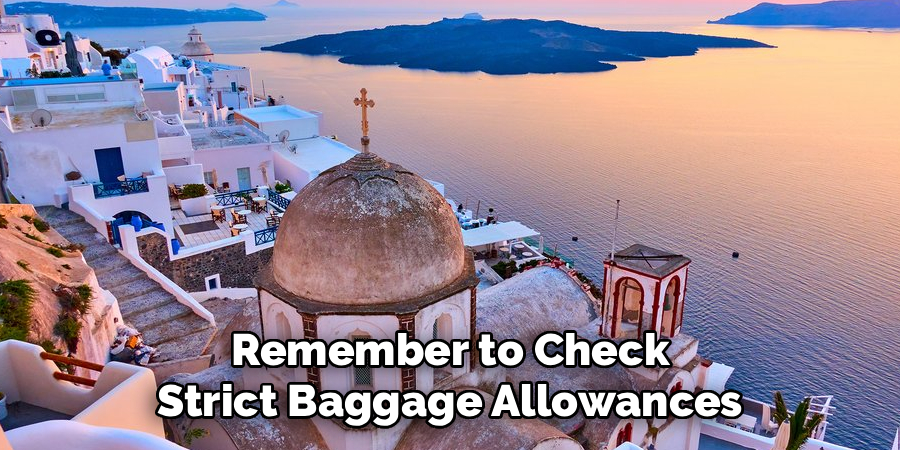
Domestic flights are fantastic for covering long distances, such as flying from Athens to Crete or Rhodes. These flights usually take under an hour, providing maximum speed and high comfort. The average cost ranges from mid-level to somewhat expensive, depending on how early you secure your ticket. Flights operate daily, though smaller islands have limited schedules. This option caters to fast-paced travelers or those with very limited vacation time. Remember to check strict baggage allowances, as small regional planes often have very low weight limits for checked bags.
Step 4: Arrange Local Ground Transport
Once you step off the ferry or plane, you need a reliable way to reach your accommodation. Local buses are highly affordable and run frequently between main ports and popular towns. Taxis and private transfers offer a high-comfort, mid-range to high-cost alternative. Renting a car or scooter is also popular for daily exploration, offering ultimate flexibility. Bus transport is best for budget travelers, while private transfers suit families or couples carrying heavy luggage. Always negotiate your taxi fare before getting in if the meter is not actively running.
Step 5: Plan Your Island Hopping Route
Creating a logical sequence for your stops prevents backtracking and wasted transit hours. Stick to one island group, like the Cyclades or the Ionian islands, to keep travel times under three hours per leg. This strategic planning keeps your budget manageable and your comfort level high. Ferry frequency within a single island group is excellent, making it easy to hop from Santorini to Naxos or Paros. This structured approach is ideal for organized travelers who want a stress-free itinerary. Double-check ferry schedules, as they occasionally change due to high winds.
Step 6: Organize Your Return Journey
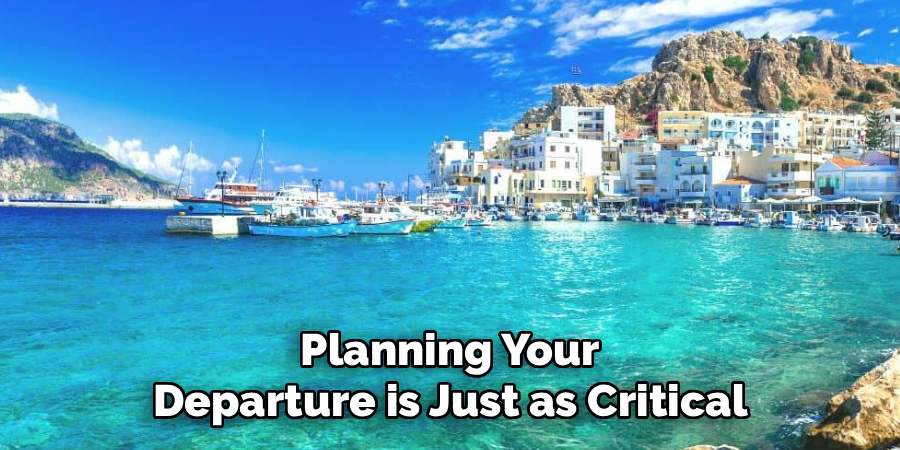
Planning your departure is just as critical as your arrival. Many travelers choose to fly out of an international airport on a major island, like Mykonos or Crete, to avoid returning to Athens. This saves an entire day of travel time and keeps your overall transportation budget optimized. These outbound flights are widely available and offer a highly comfortable end to your vacation. This step is perfect for anyone wanting to maximize their final moments on the beach. Allow plenty of buffer time between your final ferry and your flight home.
Pros and Cons of Each Travel Option
Every travel option has distinct advantages and disadvantages. Domestic flights are incredibly fast and convenient, but they can be expensive and have strict luggage limits. Large ferries offer flexibility, scenic views, and spacious seating, though they take much longer and are subject to weather delays.
High-speed catamarans save time but can be bumpy and costly. Local buses are budget-friendly but may involve long wait times and crowded conditions. Renting a car provides total freedom to explore hidden beaches, yet it introduces the challenge of narrow, winding roads and high fuel costs.
Best Way to Travel
The absolute best way to navigate this region is by combining a domestic flight with standard ferries. Flying into a major hub like Athens or Santorini saves significant time and energy. From there, using standard ferries to visit neighboring islands provides the perfect balance of cost, comfort, and reliability.
This hybrid approach benefits the average traveler by preventing fatigue while keeping the budget reasonable. It is far more convenient than relying solely on long, exhausting boat rides from the mainland, and much cheaper than booking flights for every single leg of the journey.
Top Attractions & Must-Visit Places
The Acropolis in Athens is a spectacular historical landmark that should not be missed. Santorini’s Oia village offers world-famous sunsets and iconic blue-domed churches. Mykonos boasts vibrant nightlife and the beautiful windmills of Little Venice.
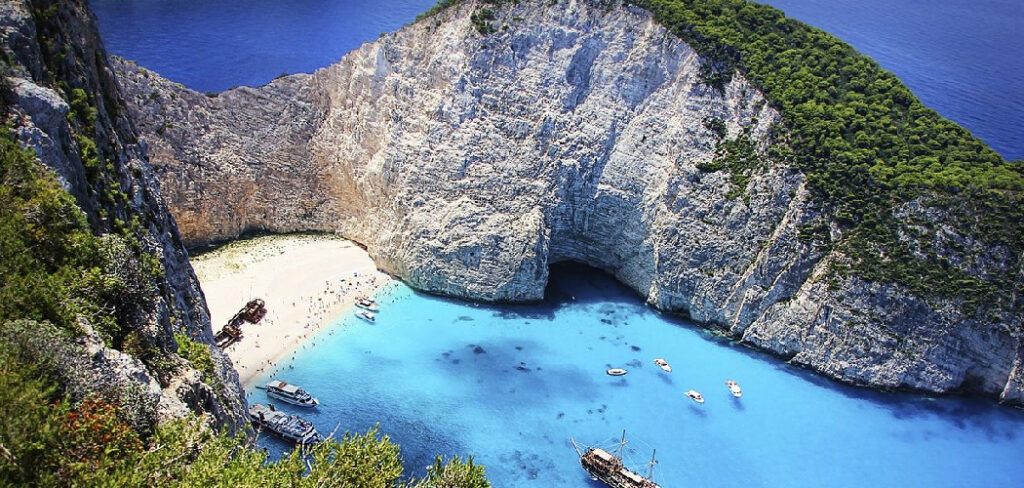
For nature lovers, the Samaria Gorge in Crete provides an unforgettable hiking experience. The Palace of Knossos offers a deep dive into ancient Minoan culture. First-time visitors should definitely prioritize the stunning Navagio Beach in Zakynthos. Try to visit these attractions early in the morning to avoid the intense midday heat and large tourist crowds.

Best Areas to Stay / Accommodation
Popular areas to stay range from bustling city centers to quiet, romantic cliffside villages. For luxury travelers, Oia in Santorini offers premium boutique hotels with infinity pools. Mid-range travelers will love Naxos town, providing great convenience, lively vibes, and easy beach access.
Budget travelers can find excellent hostels and affordable Airbnbs in Paros or Ios. Always look for accommodations near the main port or bus terminal if you plan on taking early morning ferries. Staying central ensures you are close to restaurants and transport, making it ideal for first-time visitors prioritizing safety and convenience.
Food & Local Cuisine
Greek cuisine is world-renowned for its fresh ingredients and vibrant flavors. Popular local dishes include moussaka, souvlaki, and fresh seafood drizzled with olive oil and lemon. First-time visitors must try a classic gyro from a lively street food stall.
Meals heavily feature feta cheese, tomatoes, and locally sourced herbs. A typical meal at a traditional taverna is highly affordable, fitting perfectly into a mid-range budget. Athens’ central market is a fantastic food area to explore authentic ingredients. Vegetarians and vegans will easily find delicious options like stuffed vine leaves and fresh Greek salads.
Travel Cost & Time
An overall idea of cost and time helps set realistic expectations for your trip. A budget traveler might spend around $70 per day, while mid-range trips average $150, and luxury stays can easily exceed $400 daily. Typical prices include $15 for a casual meal, $40 for ferry tickets, and $100 for a decent hotel.

Average travel time from the airport to the city center is usually 40 minutes. Ferries generally take two to four hours between nearby islands. Peak season increases both ticket costs and traffic delays, so factoring in extra transit time is essential.
Estimated Budget & Money-Saving Tips with Currency
A realistic estimated budget for a mid-range, ten-day trip is around $1,500, covering comfortable transport, great food, local travel, and small daily expenses. Simple money-saving tips include booking accommodations early, traveling during the shoulder season, and utilizing public buses instead of private taxis. Look out for multi-ride ferry passes if you plan extensive hopping.
The local currency is the Euro (EUR), with exchange rates varying globally. Credit and contactless debit cards are widely accepted at most restaurants and shops. However, keeping small cash on hand is helpful for minor purchases. Withdraw from official bank ATMs to avoid heavy conversion fees.
Connectivity: SIM Cards & Essential Travel Apps
Local SIM cards are easily available at major airports, ferry ports, and city kiosks. Major telecom providers like Cosmote and Vodafone offer excellent coverage across the islands. Data plans are generally affordable, offering fast speeds and 30-day validity.
Purchasing a physical SIM requires your passport, but digital eSIM options are highly recommended for modern smartphones. Essential travel apps include Google Maps for offline navigation, Ferryhopper for booking boat tickets, and Google Translate. Downloading offline maps and language packs ensures you stay connected even when exploring remote, signal-free beaches.
Language & Local Etiquette
The main language spoken is Greek, but basic English is widely understood in tourist areas, restaurants, and hotels. Learning a few useful local phrases, like “Yassas” (hello) and “Efharisto” (thank you), shows respect and is always appreciated by locals.
General cultural norms emphasize hospitality and politeness. Dress codes are relaxed on the beach, but modest clothing covering shoulders and knees is required when visiting churches and monasteries. Tipping around 10% in restaurants is standard etiquette. Always greet shop owners when entering and be mindful of your noise level in quiet residential neighborhoods.
Travel Tips
When figuring out how to travel the Greek Islands, a few general guidelines ensure a smooth journey. Always plan and book your ferries and accommodations well in advance, especially during the busy summer months. Arrive at ports and airports at least an hour early to navigate the crowds safely.

Keep important documents, like your passport and tickets, organized in a secure travel pouch. Packing light and smart makes hopping on and off ferries much easier. Check the weather regularly for high winds that might delay boat schedules, and use digital apps for real-time transit updates.
Travel Safety, Common Scams & Mistakes to Avoid
General travel safety awareness keeps your vacation relaxing and stress-free. Common scams include fake taxis refusing to use a meter, overcharging at tourist-trap restaurants, and unofficial tour ticket vendors. Stay alert and verify the menus and prices before ordering food.
Identify suspicious situations by trusting your instincts and booking through official websites or hotel concierges. Use verified transport services and official taxi ranks. Keep your valuables, such as phones and wallets, secure in a cross-body bag. Avoid sharing personal travel details with overly inquisitive strangers, and remain particularly alert in crowded ferry terminals.
Safety & Health Precautions
Basic health precautions are vital for an enjoyable trip. Stay hydrated under the hot Mediterranean sun, maintain good hand hygiene, and choose reputable tavernas for food safety. Common travel risks involve severe sunburns, heat exhaustion, and navigating steep, uneven cobblestone streets.
Carry a small first-aid kit stocked with band-aids, pain relievers, and motion sickness pills for bumpy boat rides. Tap water is safe on the mainland, but stick to bottled water on the islands to avoid stomach upset. Keep emergency contacts easily accessible on your phone and practice cautious, responsible behavior near cliff edges.
Frequently Asked Questions
What is the best route for How to Travel the Greek Islands?
The best route usually starts in Athens. From there, take a ferry to a popular island like Mykonos or Paros, continue to Santorini, and finish by flying directly back to your home country or Athens.
How much money do I need per day?
A mid-range traveler should budget roughly $120 to $150 per day. This covers comfortable accommodation, daily ferry travel, delicious local meals, and entry fees to historical attractions without feeling overly restricted.
Are the ferries reliable and on time?
Standard ferries are highly reliable during the summer months. However, high winds can occasionally cause unexpected delays or cancellations for smaller, high-speed catamarans. Always build a little flexibility into your travel schedule.

Conclusion
Understanding how to travel the Greek Islands properly makes for an unforgettable, stress-free journey. You can confidently navigate the beautiful Aegean Sea by organizing your transport, booking accommodations early, and packing smartly. Rest assured, exploring this region is highly safe, incredibly rewarding, and easier than it looks.
Detailed planning and preparation are the keys to avoiding transit fatigue and maximizing your relaxation time. Embrace the local culture, taste the incredible food, and enjoy the stunning landscapes. Always double-check your ferry departure gates upon arriving at the port to ensure a smooth boarding process.

About
Ethan Brooks is a dedicated travel writer and tourism specialist with over a decade of experience exploring more than 150 countries. His professional focus centers on city routes and budget travel, where he combines real-world travel insights with efficient planning strategies.
Ethan is known for creating smart, well-structured travel systems that are practical, cost-effective, and easy to follow. As a core author at thetraveliy.com, he helps both first-time travelers and experienced explorers plan smooth, confident journeys.
Education
The University of Queensland (Australia) Bachelor’s Degree in Tourism Management
-
Focus: Global tourism systems, destination planning, and travel operations.
-
Specialization: Gained practical knowledge in travel logistics, itinerary development, and tourism industry structures.
Publications and Impact
At thetraveliy.com, Ethan Brooks publishes clear, structured, and experience-driven content focused on:
-
Transportation Logistics: Navigating complex transit systems with ease.
-
Itinerary Planning: Creating time-efficient schedules for any destination.
-
Budget-Friendly Solutions: Maximizing value without sacrificing the experience.
Ethan’s work simplifies complex travel decisions, making it easier for readers to plan efficient and affordable trips. By blending practical advice with real-world experience, he helps travelers create well-organized journeys while saving both time and money.