
Figuring out how to visit Cinque Terre can feel overwhelming for first-time travelers. This stunning stretch of the Italian Riviera features five colorful, historic villages perched along dramatic coastal cliffs.
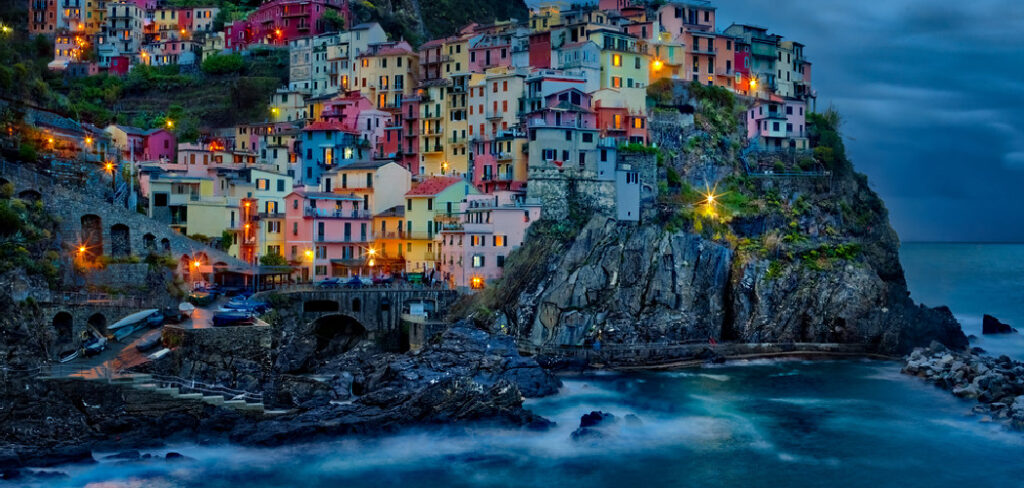
Its breathtaking natural beauty, vibrant local culture, and incredible hiking trails make it a dream travel destination. However, proper travel planning is essential to ensure a smooth journey.
Organizing your trip in advance saves money, prevents transit confusion, and helps you maximize your time. In this comprehensive guide, you will learn about transportation options, local costs, essential travel items, and helpful tips.
Whether you take regional trains or scenic ferries, getting around is an unforgettable experience.
Best Time to Visit & Seasonal Weather
The best months to explore this coastal paradise are May, September, and October. During these shoulder seasons, the weather remains pleasantly warm, but the heavy summer crowds have thinned out.
Summer brings peak tourist numbers, higher prices, and hot, humid days that can make hiking strenuous. Winter offers a much quieter atmosphere with lower costs, though rainfall increases and many local businesses close for the season.
Budget travelers often prefer late autumn or early spring for the best deals. If you want a perfect balance of good weather and manageable crowds, September is the ideal time for sightseeing.
Visa & Entry Requirements for Tourists
Because Italy is part of the Schengen Area, visa requirements depend entirely on your nationality. Citizens from visa-free nations, including the United States, Canada, and Australia, can enter for up to 90 days.
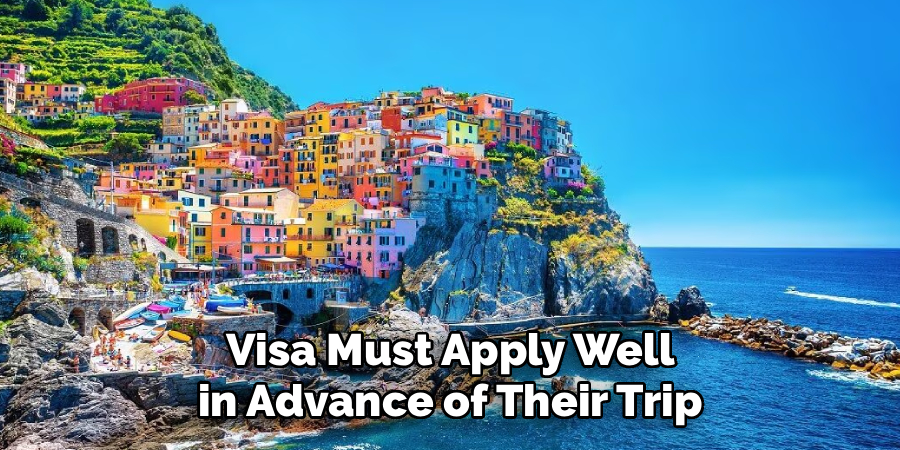
Your passport must remain valid for at least six months beyond your planned departure date. Travelers from countries requiring a Schengen visa must apply well in advance of their trip.
Immigration officers may ask to see a return flight ticket, proof of hotel bookings, and evidence of sufficient funds. Always check the official Italian consulate website for any updated entry rules before your departure.
Travel Requirements
Carrying the right documents is crucial for a stress-free international trip. You will need your physical passport, a valid visa if applicable, and a government-issued ID.
While health forms and specific vaccinations are rarely required for Italy, having comprehensive travel insurance is highly recommended. Your insurance should cover medical emergencies, trip cancellations, and lost luggage.
Authorities at the border might request proof of your onward travel, such as a return ticket. Having printed copies of your accommodation address and bank statements showing adequate funds can also speed up the entry process.
How to Get There
Reaching the beautiful Italian Riviera requires a combination of air travel and ground transportation. The nearest major airports are located in Pisa (Galileo Galilei Airport) and Genoa (Cristoforo Colombo Airport).
Most international travelers fly into these hubs, or larger cities like Rome and Milan, before making their way to the coast. The primary routes involve taking a direct intercity train to La Spezia or Levanto.
From these gateway towns, local transport connects directly to the five villages. Travel duration typically ranges from one to three hours, depending on your starting city. Frequent daily trains make the journey seamless, and navigating the route using digital maps is highly straightforward.
6 Simple Steps to How to Visit Cinque Terre
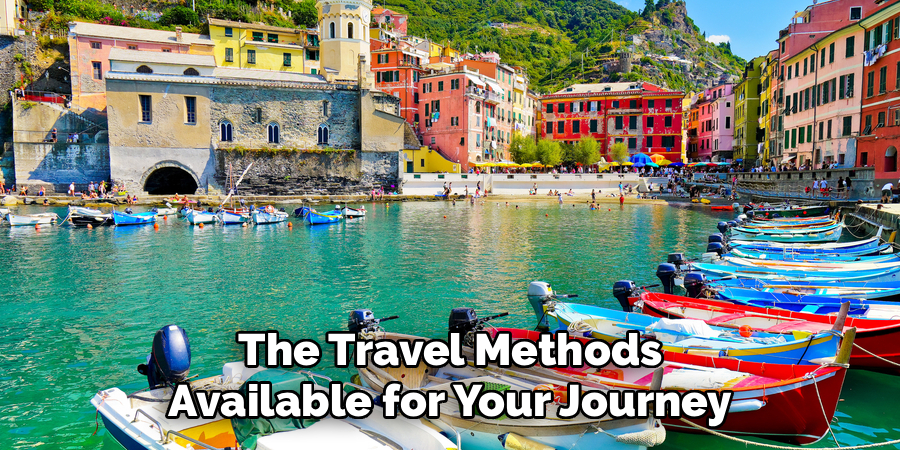
Planning your transportation requires understanding a few different logistical options. Here is a clear breakdown of the travel methods available for your journey.
Step 1: Choose Your Arrival Airport
Selecting the right arrival airport is the first essential step in your journey. Pisa and Genoa offer the closest runways, but flying into Milan or Florence might provide cheaper international fares. The travel time from the airport to the coast generally takes about two to three hours. Flight costs vary widely depending on your departure city and the season. This step is best for travelers wanting to optimize their budget by comparing multiple flight routes before booking ground transport. Always keep your passport handy upon arrival.
Step 2: Navigate the Regional Train System
The regional train network is the most efficient way to travel between the five coastal villages. The regional express runs constantly throughout the day, connecting La Spezia to Levanto with stops at every town. The journey between each village takes merely five to ten minutes. A single ticket is quite affordable, making this a fantastic option for budget-conscious travelers. Trains offer a high level of comfort and incredible convenience. Remember to validate your paper ticket at the station machines before boarding to avoid any unexpected fines.
Step 3: Experience the Scenic Ferry Routes
Traveling by ferry offers a breathtaking perspective of the vibrant cliffside villages from the water. Ferries operate daily from late March through early November, connecting four of the five towns. The travel time is longer than the train, usually taking about an hour to traverse the full coastline. While tickets are slightly more expensive, the medium comfort level and stunning views justify the extra cost. This option is perfect for travelers prioritizing beautiful photography and a relaxed pace. Keep in mind that ferries do not stop in Corniglia.

Step 4: Review the Local Bus Network
Local buses provide a practical alternative for navigating the steep hills within the individual villages. Each town operates its own small bus service, which primarily transports visitors from the train stations up to the higher village areas. Rides take only a few minutes and are very affordable. Buses run frequently during peak tourist season but have limited schedules in the winter months. This transportation method is best for travelers with heavy luggage or limited mobility. Purchasing a dedicated regional travel card often includes unlimited access to these buses.
Step 5: Hike the Coastal Trails
Walking between the villages is an incredibly rewarding way to experience the local landscape. The famous coastal trail connects the towns, though travel time varies from one to three hours per segment depending on your fitness level. You must purchase a trekking card to access the most popular paths, keeping the cost relatively low. Comfort levels are low to medium, as the paths can be steep and uneven. This option is ideal for active, adventurous travelers. Always check trail conditions locally, as sections sometimes close due to weather.
Step 6: Evaluate Renting a Car
Renting a car provides maximum flexibility for exploring the broader Italian countryside. However, driving directly into the five villages is highly discouraged due to extreme parking limitations and narrow, winding cliff roads. The travel time from major cities is reasonable, but the daily cost of rentals and parking fees is quite high. Comfort is high until you reach the coastal traffic. This option suits travelers planning extended road trips across Italy, rather than those solely visiting the coast. It is best to park in La Spezia and take the train.
Pros and Cons of Each Travel Option
Every transportation method comes with its own unique advantages and disadvantages. Trains offer incredible speed, convenience, and low costs, but they can become very crowded during the peak summer months.
Ferries provide unparalleled scenic views and a relaxing atmosphere, though they are subject to weather delays and cost slightly more. Hiking allows for ultimate flexibility and nature immersion, but it demands physical stamina and good weather.
Renting a car gives you independence across Italy, but the severe lack of parking makes it completely impractical for the villages themselves.
Best Way to Travel
The absolute best overall travel option is utilizing the regional train system. It provides the most reliable balance of time, cost, and overall convenience for the average visitor.
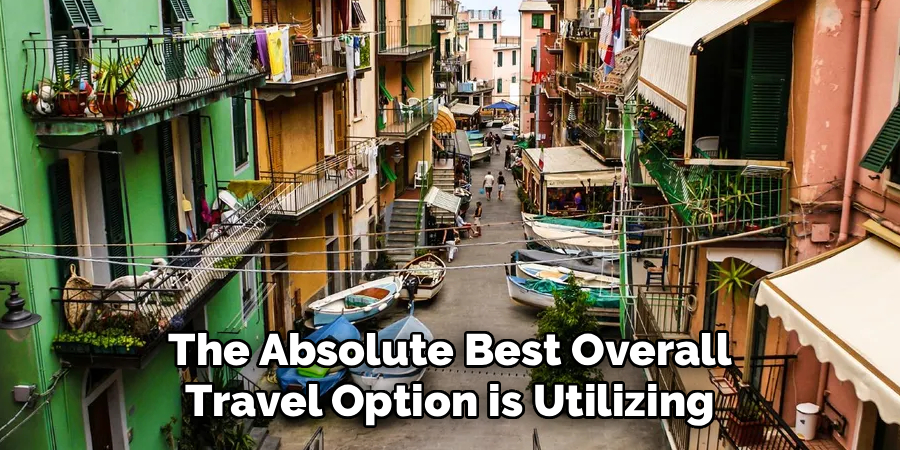
The trains run constantly throughout the day, ensuring you never have to wait long to reach the next village. It is highly affordable, especially if you purchase a multi-day transit card.
While ferries offer beautiful views, the train is much faster and operates regardless of ocean conditions. For efficiency and peace of mind, the railway network simply cannot be beaten.
Top Attractions & Must-Visit Places
This magnificent coastal region is packed with incredible landmarks and beautiful nature spots. Exploring these unique locations is essential for any first-time visitor.
- Vernazza Harbor: A picturesque waterfront area perfect for sunset photography.
- Manarola Viewpoint: Offers the most iconic, postcard-perfect view of colorful cliffside homes.
- Monterosso Beach: The largest sandy beach in the area, ideal for swimming and relaxing.
- Romantic Walking Path: A famous, paved trail offering stunning ocean vistas.
- Doria Castle: Ancient ruins in Vernazza that provide incredible panoramic views of the sea.
Best Areas to Stay / Accommodation
Choosing the right neighborhood greatly impacts your travel experience. Monterosso is the best area for families and first-time visitors, offering flat terrain, resorts, and a large beach.
Vernazza is highly popular for its vibrant, romantic vibe, featuring charming boutique hotels and guesthouses. Budget travelers often prefer staying in the nearby gateway city of La Spezia, which offers cheaper hostels and comfortable apartment rentals.
If you desire a quiet, peaceful retreat, the elevated village of Corniglia provides excellent mid-range accommodations away from the massive crowds. Always book well in advance for the best rates.
Food & Local Cuisine
The local culinary scene is famous for fresh, vibrant flavors and traditional recipes. You must try the region’s signature dish, trofie pasta mixed with freshly made basil pesto.
Seafood lovers will adore the mixed fried fish served in paper cones, a popular and affordable street food option. Meals at mid-range restaurants generally cost around twenty to thirty euros per person.
Focaccia bread, baked fresh daily, makes for a perfect budget-friendly lunch while exploring the markets. Many local cafes also happily accommodate vegetarian diets with fresh vegetable dishes.
Travel Cost & Time
Understanding the estimated cost and travel time helps you manage your trip effectively. A budget traveler can expect a daily cost of around eighty to one hundred euros, covering hostel stays, simple meals, and basic transit.
Mid-range travelers typically spend between one hundred and fifty to two hundred euros daily for comfortable hotels and restaurant dining. Travel times between the five villages are exceptionally short, usually taking just five to ten minutes by train.
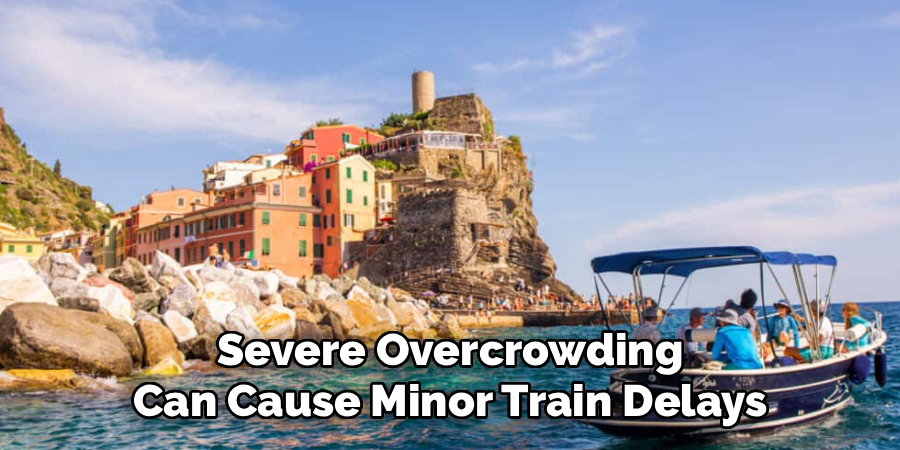
However, traveling from major airports like Pisa or Genoa will add two to three hours to your transit time. During peak summer season, prices for accommodation skyrocket, and severe overcrowding can cause minor train delays. Planning your daily itinerary carefully will help mitigate these seasonal inconveniences.
Estimated Budget & Money-Saving Tips with Currency
A well-planned mid-range budget usually requires about one hundred and fifty euros per day. To save money, consider traveling during the shoulder season and utilizing the regional transit card for unlimited train rides.
The local currency is the Euro, with approximate exchange rates easily verifiable online before your trip. Major hotels and restaurants accept credit and debit cards, utilizing standard contactless payment systems.
However, it is highly recommended to carry small amounts of cash for local street food vendors. To avoid excessive ATM charges, withdraw larger amounts at official bank machines rather than standalone tourist ATMs.
Connectivity: SIM Cards & Essential Travel Apps
Staying connected is easy with widely available local telecom providers like TIM, Vodafone, and WindTre. You can purchase a physical SIM card at the airport or in major gateway cities using your passport.
For modern smartphones, downloading a prepaid eSIM is a faster, more convenient option. Data plans are generally affordable, offering excellent speeds and multi-week validity.
Essential travel apps include Google Maps for navigation and local railway apps for checking accurate train schedules. Always download maps for offline use, as cellular service can occasionally drop while hiking remote coastal trails.
Language & Local Etiquette
The primary language spoken throughout the region is Italian. While English is widely understood in hotels, restaurants, and tourist shops, learning a few basic phrases is highly appreciated.
Simple greetings like “Buongiorno” (good morning) and “Grazie” (thank you) go a long way in establishing friendly interactions. Local etiquette dictates dressing modestly if you plan to enter any historical churches.
When dining, remember that tipping is not mandatory, though leaving a few small coins for excellent service is polite. Always validate your transport tickets and avoid shouting in quiet residential areas.
Travel Tips
Understanding how to visit Cinque Terre effectively involves a bit of smart preparation. Planning your daily itinerary and booking accommodations months in advance is critical.
Always arrive early at the train stations during the summer to secure a comfortable spot before the crowds descend. Keep your passport and important travel documents organized in a secure, hidden pouch.
Pack light, breathable clothing and extremely comfortable walking shoes to handle the steep cobblestone streets. Regularly check local weather apps before embarking on any long coastal hikes to ensure safe conditions.
Travel Safety, Common Scams & Mistakes to Avoid
Maintaining general travel safety awareness ensures a pleasant, stress-free vacation. The area is incredibly safe, but crowded train stations can sometimes attract opportunistic pickpockets.
Common scams involve strangers offering unsolicited help with luggage at the station and demanding a heavy tip. Stay alert and only use official transportation services and verified ticket machines.
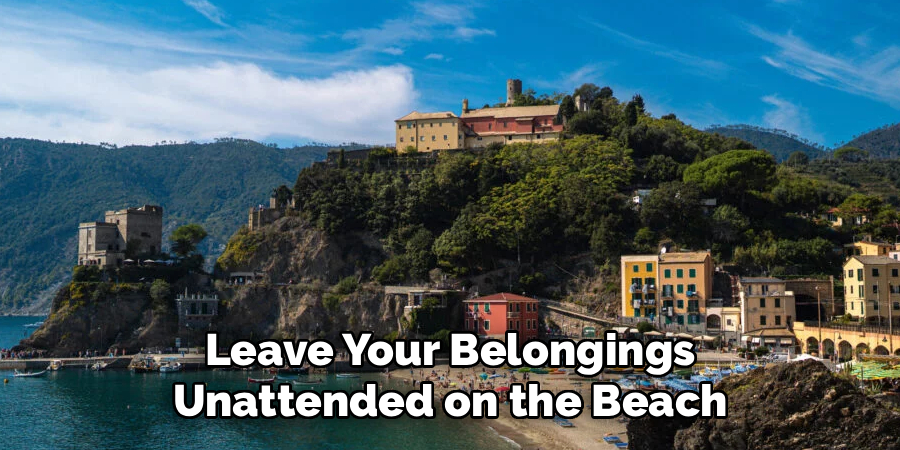
Keep your wallet, phone, and valuables safely zipped in a secure day bag. Never leave your belongings unattended on the beach, and avoid sharing your specific hotel details with overly inquisitive strangers.
Safety & Health Precautions
Taking basic health precautions keeps your journey comfortable and enjoyable. The most common travel risks involve dehydration and heat exhaustion from hiking during the intense summer midday sun.
Carry a reusable water bottle and fill it frequently at the safe, public drinking fountains found in every village. Pack a small first-aid kit containing bandages for blisters and basic pain relievers.
Wash your hands frequently and stick to reputable restaurants to ensure good food safety. Keep a digital list of emergency contacts, including your country’s local embassy, easily accessible on your phone.
Frequently Asked Questions
How many days do you need?
Most experts recommend spending at least two to three full days in the region. This timeframe allows you to comfortably explore the villages, enjoy the local cuisine, and complete a few scenic hikes without feeling rushed.
What is the best way to get around?
The regional train network is undeniably the most efficient way to travel locally. It is highly affordable, incredibly fast, and connects all five villages with frequent daily departures throughout the entire year.
Are there tips on how to visit Cinque Terre on a budget?
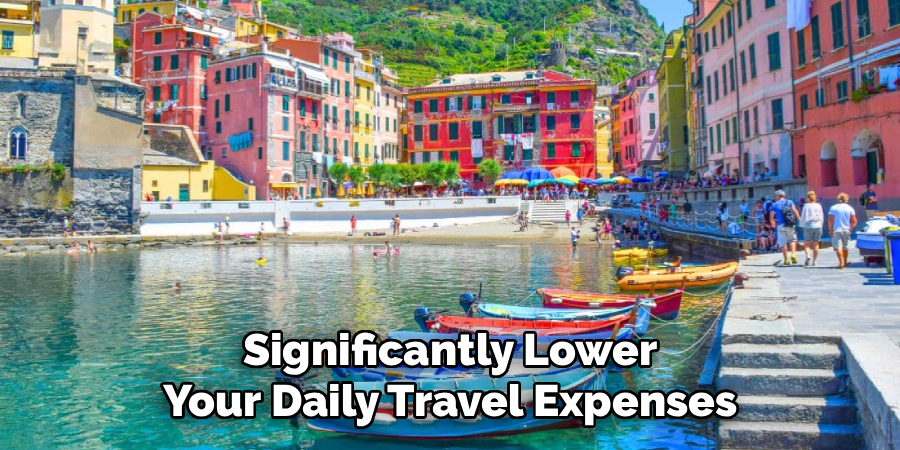
Yes, budget travelers should definitely visit during the off-peak shoulder seasons. Staying in gateway towns like La Spezia, eating local street food, and purchasing a regional transit card will significantly lower your daily travel expenses.
Conclusion
Now that you know how to visit Cinque Terre, you can confidently prepare for an unforgettable Italian getaway. This spectacular coastal region offers a brilliant mix of natural beauty, delicious food, and rich history.
By choosing the right transportation, understanding local costs, and packing smartly, you ensure a safe and seamless journey. Proper preparation eliminates travel anxiety, leaving you free to enjoy the stunning ocean views.
Start organizing your itinerary today, book your accommodations early, and get ready to experience the vibrant charm of the Italian Riviera firsthand.

About
Ethan Brooks is a dedicated travel writer and tourism specialist with over a decade of experience exploring more than 150 countries. His professional focus centers on city routes and budget travel, where he combines real-world travel insights with efficient planning strategies.
Ethan is known for creating smart, well-structured travel systems that are practical, cost-effective, and easy to follow. As a core author at thetraveliy.com, he helps both first-time travelers and experienced explorers plan smooth, confident journeys.
Education
The University of Queensland (Australia) Bachelor’s Degree in Tourism Management
-
Focus: Global tourism systems, destination planning, and travel operations.
-
Specialization: Gained practical knowledge in travel logistics, itinerary development, and tourism industry structures.
Publications and Impact
At thetraveliy.com, Ethan Brooks publishes clear, structured, and experience-driven content focused on:
-
Transportation Logistics: Navigating complex transit systems with ease.
-
Itinerary Planning: Creating time-efficient schedules for any destination.
-
Budget-Friendly Solutions: Maximizing value without sacrificing the experience.
Ethan’s work simplifies complex travel decisions, making it easier for readers to plan efficient and affordable trips. By blending practical advice with real-world experience, he helps travelers create well-organized journeys while saving both time and money.