

Quick Answer: Traveling with a big group on a ferry goes best when you book early, organize tickets in one place, arrive ahead of boarding time, and plan seating, luggage, and arrival transport in advance. A simple itinerary helps everyone stay on time, comfortable, and relaxed.
Introduction
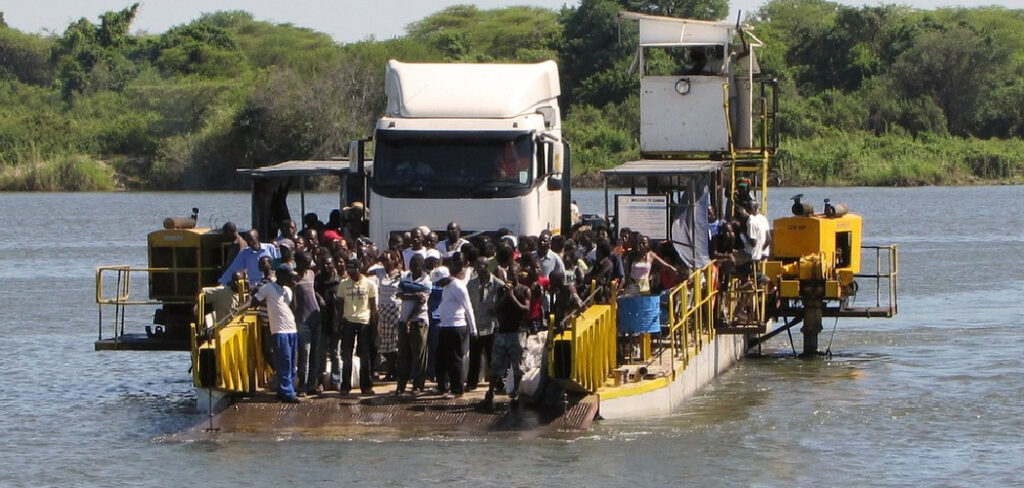
Planning how to Travel With a Large Group on a Ferry can feel like a lot at first, but it becomes much easier once you break the trip into simple steps. Whether your journey is from a city port to an island town or from one coastal terminal to another, ferries are a practical option for families, tour groups, school trips, and friends traveling together.
Many travelers choose this kind of route because it can be scenic, affordable, and less stressful than managing several separate cars. With the right plan, you can coordinate transportation to the port, keep your itinerary clear, and make boarding smoother for everyone.
How to Get There
Most group ferry trips start at a ferry terminal connected to a major city, regional station, or airport. In many cases, your group will travel from a downtown area, hotel district, or nearby transit hub to the departure port, then continue by ferry to the destination harbor. The total distance often ranges from a few miles to over 100, depending on the route.
You can usually reach the port by train, shuttle bus, taxi, rideshare, private coach, or rental car. Travel time varies, but many routes take 30 minutes to several hours when you include check-in and boarding. The easiest approach is to map the full route in advance, including local transfers at both ends.

6 Smart Steps on How to Travel from Starting Location to Destination
Step 1: Confirm Your Group Size and Travel Needs
Start by counting every traveler and noting key details like ages, mobility needs, luggage volume, and seating preferences. This gives you a realistic picture of what kind of ferry service and ticket type will work best. A group of ten day-trippers has very different needs from a school group, wedding party, or multi-family vacation.
Once you know your numbers, decide whether you need vehicle spaces, priority boarding, nearby seats, or cabin access. This first step saves time later and helps you compare schedules, prices, and port facilities with much better accuracy.
Step 2: Choose the Best Ferry Route and Schedule
Not every ferry route is equally convenient for a large party. Some routes offer direct service, while others involve transfers or longer waits at the terminal. Look at departure times, crossing length, onboard amenities, baggage policies, and how close the arrival port is to your final stop.
For groups, mid-morning or early afternoon departures often work well because they leave room for delays without forcing a very early start. If you are traveling in a busy season, compare several sailings before choosing one. Flexibility can make a big difference in cost and comfort.
Step 3: Book Tickets Together and Keep Records Organized
Group travel is much easier when one person manages the main booking and keeps all confirmations in one place. Reserve tickets as early as possible, especially if your group is traveling on a weekend, holiday, or popular vacation route. Early booking can also help you secure better fares and keep the group on the same sailing.
Store digital tickets in a shared phone folder and bring printed copies as a backup. Make a simple list with each traveler’s name, booking reference, departure time, and check-in details. Clear records reduce confusion at the port and speed up boarding.
Step 4: Plan Transportation to the Ferry Terminal
The ferry is only one part of the journey, so think through how your group will actually reach the port. For some travelers, a charter bus or shared van is the easiest option because it keeps everyone together. Smaller groups may prefer taxis, rideshares, or public transportation if the terminal is easy to access.

Build extra time into your schedule for traffic, parking, baggage unloading, and finding the correct entrance. If some travelers are arriving from an airport or train station, set one clear meeting point. That keeps the day calm and prevents last-minute scrambling.
Step 5: Arrive Early and Prepare for Boarding
Large groups should usually arrive earlier than solo travelers. That gives you time to check tickets, use restrooms, label bags, and gather everyone before boarding begins. It also helps if the terminal is crowded or if staff need to verify group bookings, vehicle details, or passenger counts.
Choose one group leader and one backup leader so people know who to follow. Before boarding, remind everyone of the ferry name, departure gate, and arrival port. A few simple check-ins can prevent missed announcements and make the boarding process feel much more organized.
Step 6: Settle In Onboard and Coordinate Arrival Plans
Once onboard, get your group settled quickly so the crossing feels easy from the start. Keep essentials like water, medications, chargers, snacks, and travel documents in a small personal bag instead of packed luggage. If the ferry has indoor lounges, decks, or food counters, agree on a meeting point in case people spread out.
Before arrival, remind everyone how they will leave the port and reach the final destination. That may mean walking to a hotel, taking a shuttle, meeting a driver, or boarding local transportation. A clear arrival plan helps the whole group move smoothly off the ferry.
Pros, Best & Cheapest Ways to Travel
Traveling by ferry has several strong advantages for large groups. It can be more enjoyable than a long drive, often gives everyone room to move around, and may cost less than booking multiple cars or last-minute flights. Ferry travel also keeps the group together, which makes coordination easier.
The downsides usually include weather-related schedule changes, limited sailing times, and extra planning around check-in. Public transit to the port may be the cheapest choice, while private vans offer more convenience. For most groups, the best overall option is a pre-booked ferry crossing paired with shared ground transportation to and from the terminal.
Fastest Way to Travel
The fastest option is usually a direct ferry route combined with a pre-arranged transfer to the port. A nonstop crossing saves time because your group avoids extra changes, repeated check-ins, and the delays that often come with piecing together separate bus or train segments.

That said, the quickest-looking route on paper is not always the fastest door to door. Heavy traffic, parking delays, baggage handling, and terminal queues can add time. For large groups, a direct ferry plus one organized vehicle transfer is often faster in real life than using several smaller transport options.
Travel Essentials, Budget & Money Guide
Group ferry budgets vary by season, route, and ticket type, but it helps to estimate costs in three parts: ferry tickets, port transportation, and food or snacks during the journey. You may also need to budget for baggage fees, parking, cabin upgrades, or local transit after arrival.
To save money, book early, travel on off-peak days, and compare group rates before choosing a sailing. Shared vans or carpools can lower transfer costs. Cards are widely accepted at many terminals and onboard services, but carrying a small amount of cash is still helpful for taxis, small shops, or quick purchases. ATMs are often available in major port areas, though not always right beside the boarding gate.
Travel Documents You Must Carry
Each traveler should carry a valid photo ID, and for international ferry routes, a passport may be required. Some trips may also involve visa rules depending on the departure point and destination. Even on domestic routes, it is smart to check operator policies before travel day so there are no surprises at check-in.
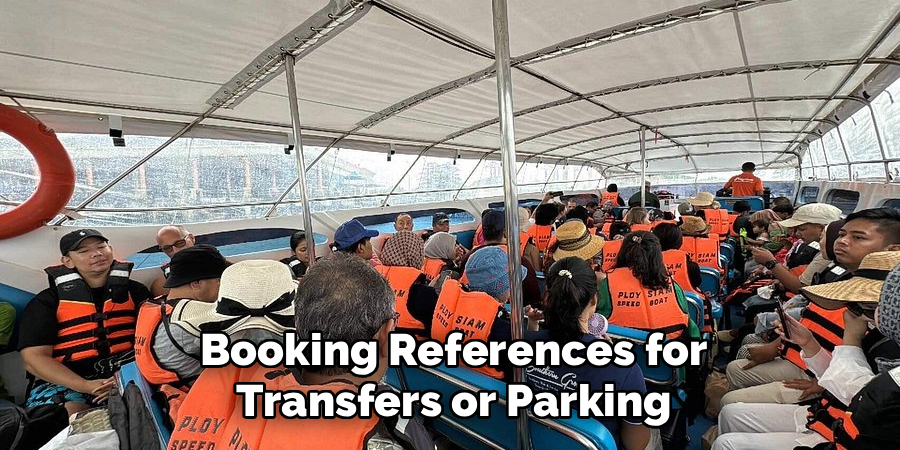
Keep digital tickets ready on your phone, but also bring printed copies for backup. It is wise to carry hotel confirmations, travel insurance details, emergency contacts, and any booking references for transfers or parking. Group leaders should hold a master list of travelers and keep copies of key documents in a separate bag or secure app folder.
Travel Tips for a Smooth Journey
Book as early as you can if you are traveling with a large party, especially during school breaks or holiday weekends. Popular sailings fill quickly, and early reservations make it easier to keep your group on the same booking and near each other onboard.
Plan to arrive at the departure point well ahead of time, and encourage everyone to pack light with only the essentials they need during the crossing. Travel apps can help track schedules and terminal updates. It also helps to check the weather, dress in layers, and avoid peak traffic hours when possible.
Travel Safety, Health & Common Mistakes
When planning How to Travel With a Large Group on a Ferry, safety is mostly about staying organized and paying attention to your surroundings. Use official transport providers to reach the port, keep valuables close, and avoid leaving bags unattended in waiting areas or onboard lounges. In busy terminals, pickpocket prevention is as simple as zipped bags, labeled luggage, and one person watching group belongings during check-in.
A few common mistakes include arriving too late, splitting the group without a meeting plan, and assuming everyone understands the schedule. Encourage travelers to stay hydrated, bring any personal medications, and wear comfortable shoes for boarding ramps and terminal walking. Clear communication is one of the best ways to avoid unnecessary stress.
Frequently Asked Questions & Emergency Information
Can a large group book ferry tickets together?
Yes, most ferry operators allow group bookings, and many offer better coordination for parties traveling on the same sailing. Booking together also makes check-in, seating, and schedule management much easier.
How early should a large group arrive at the terminal?
A large group should usually arrive at least 45 to 90 minutes early, depending on the route, season, and whether vehicles, baggage checks, or printed passes are involved.
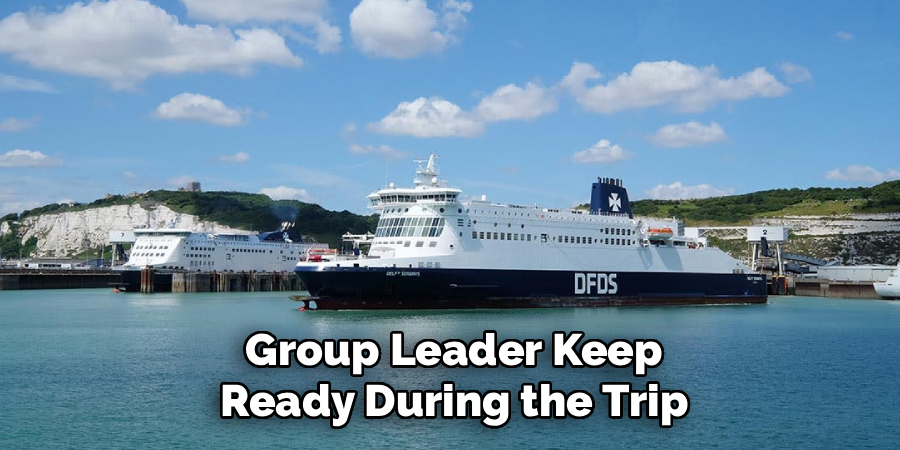
What should a group leader keep ready during the trip?
A group leader should keep tickets, IDs, booking references, emergency contacts, hotel details, and a full traveler list easy to access throughout the journey.
For emergency help, use the local emergency number for the country or region you are visiting and contact port staff for immediate guidance. If traveling internationally, keep your embassy or consulate contact details saved on your phone and written down in your travel folder.
Conclusion
How to Travel With a Large Group on a Ferry becomes much simpler when you plan the full journey in advance and keep everyone organized from departure to arrival. Ferries can be a comfortable, cost-friendly way to move a group, especially when you book early, choose the right route, and arrange local transportation ahead of time.
With clear tickets, simple communication, and a realistic schedule, your trip can feel smooth from the terminal to the final destination. A little planning goes a long way, and it helps your whole group enjoy the journey instead of rushing through it.

About
Ethan Brooks is a dedicated travel writer and tourism specialist with over a decade of experience exploring more than 150 countries. His professional focus centers on city routes and budget travel, where he combines real-world travel insights with efficient planning strategies.
Ethan is known for creating smart, well-structured travel systems that are practical, cost-effective, and easy to follow. As a core author at thetraveliy.com, he helps both first-time travelers and experienced explorers plan smooth, confident journeys.
Education
The University of Queensland (Australia) Bachelor’s Degree in Tourism Management
-
Focus: Global tourism systems, destination planning, and travel operations.
-
Specialization: Gained practical knowledge in travel logistics, itinerary development, and tourism industry structures.
Publications and Impact
At thetraveliy.com, Ethan Brooks publishes clear, structured, and experience-driven content focused on:
-
Transportation Logistics: Navigating complex transit systems with ease.
-
Itinerary Planning: Creating time-efficient schedules for any destination.
-
Budget-Friendly Solutions: Maximizing value without sacrificing the experience.
Ethan’s work simplifies complex travel decisions, making it easier for readers to plan efficient and affordable trips. By blending practical advice with real-world experience, he helps travelers create well-organized journeys while saving both time and money.