
Planning your journey to Jordan requires careful preparation to ensure a smooth and enjoyable trip. You are likely wondering how to travel to Petra without dealing with unnecessary delays or confusion.
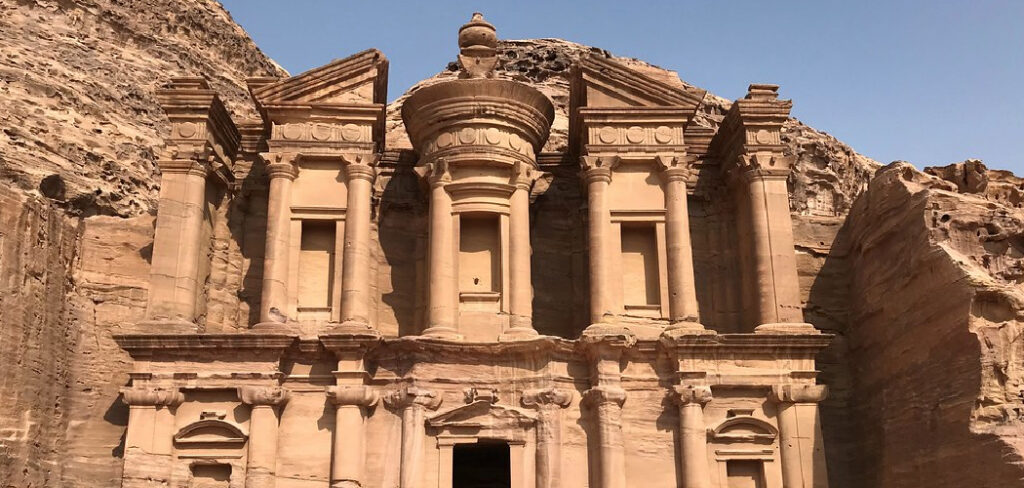
Petra stands out as a world-famous archaeological marvel carved directly into vibrant red sandstone cliffs. This ancient Nabataean city offers an incredible mix of rich history, unique culture, and stunning desert landscapes.
Proper travel planning helps you manage costs effectively while saving valuable time during your journey. You will learn everything you need to know about transportation options, daily expenses, and essential travel tips.
Getting around involves a mix of international flights, scenic bus rides, and local taxis. We are here to guide you through every detail so your adventure remains completely stress-free.
Best Time to Visit & Seasonal Weather
The ideal months to explore Petra are March through May and September through November. These spring and autumn seasons offer the most comfortable climate for long days of walking.
Summers in the Jordanian desert bring intense heat, while winters can be surprisingly cold with occasional rain. Temperatures during peak seasons generally hover around a pleasant 65 to 75 degrees Fahrenheit.
Peak tourist seasons naturally mean larger crowds and slightly higher accommodation costs. Budget travelers might prefer late winter, though sightseeing is undeniably best during the mild spring months.
Adventure seekers will appreciate the comfortable autumn weather for hiking the rugged trails around the ancient city. Keep an eye out for the magical Petra by Night event, which runs year-round depending on weather conditions.
Visa & Entry Requirements for Tourists
Most international visitors require a visa to enter Jordan and explore its historic sites. Many nationalities are eligible to purchase a visa on arrival at major airports and select border crossings.
You can also apply for an eVisa online before your trip to save time at immigration. Your passport must remain valid for at least six months from your date of entry.
Immigration officials will likely ask to see a return ticket and a confirmed hotel booking. They may also request basic proof of sufficient funds for your stay in the country.
The standard single-entry tourist visa typically allows you to stay in Jordan for up to 30 days. Be aware that the Jordan Pass often covers your visa fees if purchased before arrival.
Travel Requirements
You must carry your valid passport, a printed copy of your visa, and your primary identification. Keeping digital copies of these essential documents on your phone provides a great backup.
There are no mandatory health forms or required vaccinations for standard entry into Jordan. However, purchasing comprehensive travel insurance is highly recommended to cover any unexpected medical situations.
You will need a confirmed onward or return ticket to prove your planned departure. Showing a printed or digital hotel reservation satisfies the proof of accommodation requirement.
Carrying a major credit card and a small amount of cash serves as adequate financial proof. Make sure to review basic customs rules regarding electronics and restricted items before packing your luggage.
How to Get There
Queen Alia International Airport in Amman serves as the primary gateway for visitors flying into Jordan. King Hussein International Airport in Aqaba provides a closer, though less frequently used, southern alternative.
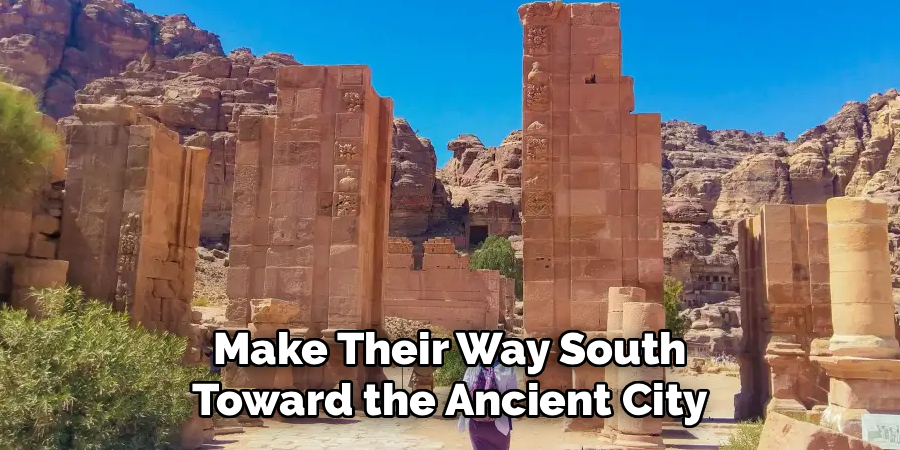
Travelers typically fly into Amman and then make their way south toward the ancient city. The journey down the Desert Highway or the scenic King’s Highway connects major routes seamlessly.
Driving from Amman usually takes about three to four hours by car or modern tourist bus. Daily flights arrive in Amman from major global hubs, making international connections very convenient.
Regular domestic bus services run daily, ensuring you always have reliable ground transportation. A glance at a digital map will help you understand the straightforward route heading south.
6 Essential Steps on How to Travel to Petra
Step 1: Book Your International Flight
Your journey begins by booking a flight into Queen Alia International Airport in Amman. Major airlines offer daily connections from Europe, North America, and various Middle Eastern hubs.
The flight duration depends entirely on your starting location, ranging from a few hours to a full day of travel. Flight prices fall comfortably into the mid-range category if you book a few months ahead.
Modern commercial flights provide a high comfort level with reliable onboard services and regular schedules. This option is mandatory for international visitors looking for the fastest way into the country.
Try using flight comparison tools to find the best balance of travel time and ticket costs.
Step 2: Choose Your Ground Transportation
Once you land in Amman, you must decide how to travel south to the archaeological site. You can choose between renting a private car, hiring a taxi, or booking a tourist bus.
Making this decision early determines your travel time, which generally takes three to four hours. Bus tickets offer a fantastic budget-friendly rate, while private taxis sit comfortably in the mid-range price tier.
A private car provides the highest comfort level, giving you total freedom over your schedule. The JETT bus service runs daily and remains the most popular choice for budget-conscious travelers.
Booking your bus tickets a day or two in advance guarantees your seat during busy seasons.
Step 3: Secure Your Accommodation in Wadi Musa
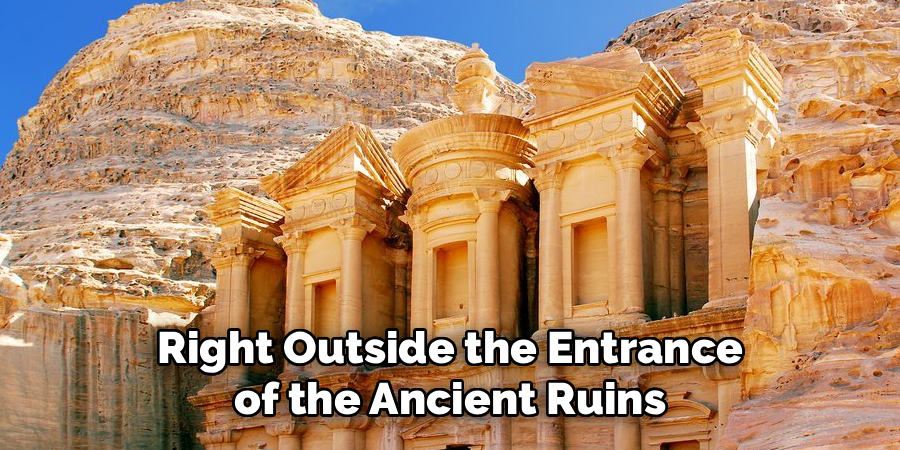
Wadi Musa is the gateway town located right outside the entrance of the ancient ruins. You need to secure a hotel or guesthouse here to ensure you have a comfortable base.
Booking your room takes only a few minutes online, but you should handle this well before your trip. Accommodation prices vary widely, offering everything from affordable backpacker hostels to luxurious mid-range resorts.
Staying close to the visitor center provides a high comfort level because you can walk to the gates. Rooms are widely available year-round, though premium spots fill up quickly during spring and autumn.
Securing a hotel within walking distance saves you the daily hassle of finding a morning taxi.
Step 4: Purchase the Jordan Pass
Buying the Jordan Pass online before you arrive is a brilliant move for any tourist. This digital pass waives your visa fees and includes prepaid entry to over forty national attractions.
The online purchasing process takes about ten minutes, and you receive the digital document instantly via email. The cost sits in the mid-range tier but ultimately saves you a significant amount of money.
Holding this pass provides a high comfort level at the airport because it drastically speeds up immigration. It remains available 24/7 online and perfectly suits travelers planning to visit multiple historic sites.
Make sure to select the pass tier that matches the number of consecutive days you want to spend exploring.
Step 5: Travel from Amman to Wadi Musa
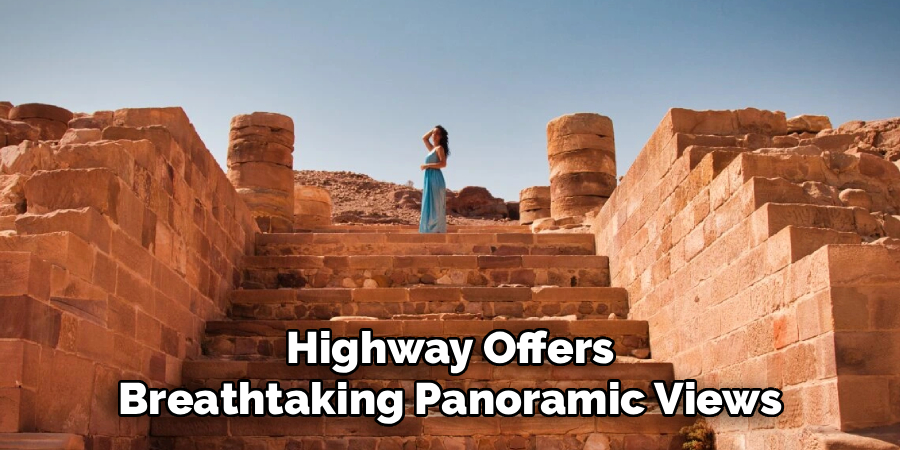
The actual journey south involves boarding your chosen transport and heading down the highway. The Desert Highway is the fastest route, while the King’s Highway offers breathtaking panoramic views.
This road trip will take approximately three to four hours depending on traffic and your chosen route. The cost matches the transportation method you selected earlier, with buses being the most affordable.
Riding in a modern, air-conditioned tourist bus provides a medium to high comfort level for the long drive. Services operate daily, making it incredibly easy to fit this transit into your schedule.
Keep a bottle of water and a small snack handy for the desert journey.
Step 6: Arrive and Access the Visitor Center
Your final step is arriving in Wadi Musa and walking to the main visitor center. This is where you will present your ticket or Jordan Pass to officially enter the site.
Walking from a nearby hotel takes less than fifteen minutes, putting you right at the entrance gates. There is no additional cost here if you have already purchased your entry pass in advance.
The visitor center boasts a high comfort level, featuring clean restrooms, helpful guides, and clear maps. The gates open daily at sunrise, allowing early birds to beat the heat and the crowds.
Arriving right when the gates open provides the best lighting for your morning photographs.
Pros and Cons of Each Travel Option
Every transportation method comes with its own unique advantages and manageable disadvantages. Renting a car gives you ultimate flexibility and speed, letting you stop for scenic photos anytime.
However, driving yourself can be expensive and requires navigating unfamiliar desert highways. Taking the tourist bus is incredibly cost-effective and completely removes the stress of driving.
The main downside of the bus is its rigid schedule, which leaves no room for impromptu stops. Hiring a private taxi offers supreme comfort and convenience but comes with the highest price tag.
Best Way to Travel
Taking the JETT tourist bus from Amman remains the best overall option for most visitors. It provides an excellent balance of affordable cost, reasonable travel time, and reliable comfort.
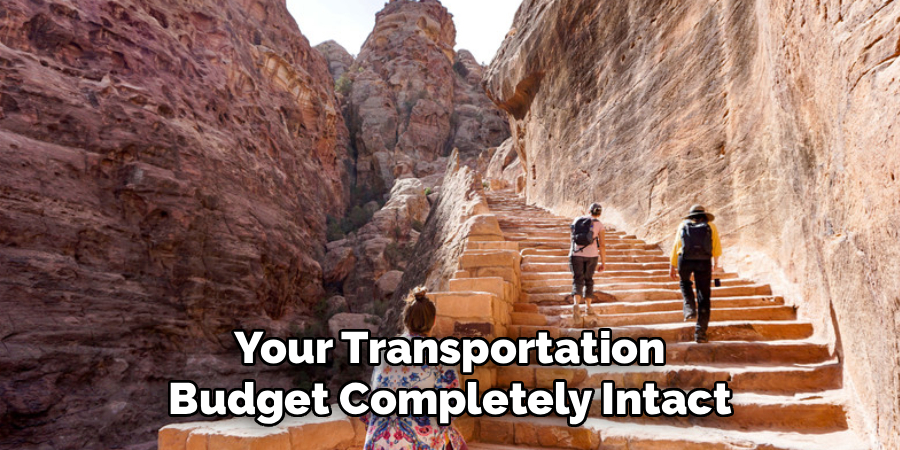
These modern buses feature air conditioning and comfortable seating tailored for long desert journeys. They eliminate the stress of navigating foreign roads while keeping your transportation budget completely intact.
Unlike renting a car, the bus allows you to relax and simply enjoy the passing scenery. This reliable service fits perfectly into the itinerary of any average traveler looking for convenience.
Top Attractions & Must-Visit Places
- The Siq: This narrow, towering gorge serves as the dramatic main entrance to the ancient city.
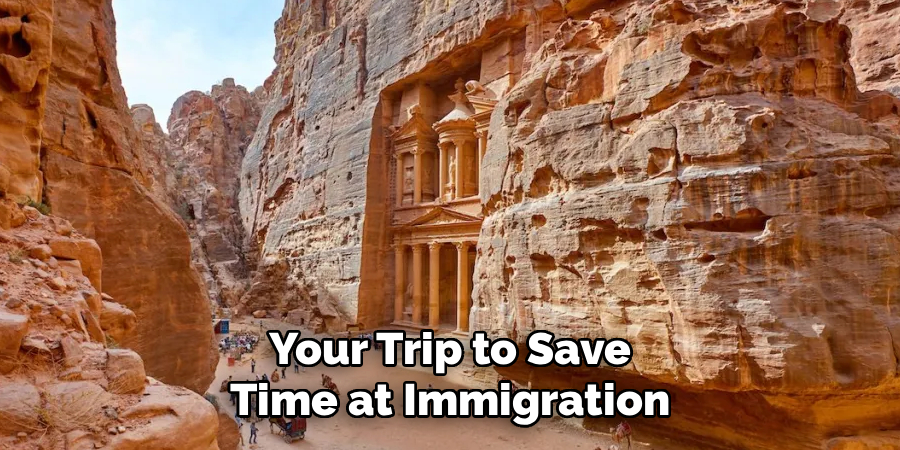
- The Treasury (Al-Khazneh): The iconic, intricately carved sandstone facade that greets you at the end of the Siq.
- The Monastery (Ad-Deir): A massive, stunning monument accessible via a challenging but rewarding climb of 850 steps.
- The Royal Tombs: A series of impressive, large-scale burial chambers carved into the rock face.
- The High Place of Sacrifice: An elevated altar area offering incredible panoramic views of the entire valley.
- Petra by Night: A magical evening experience where the Siq and Treasury are illuminated by thousands of candles.
Best Areas to Stay / Accommodation
Wadi Musa is the primary town where all visitors stay when exploring the region. The town center caters perfectly to budget travelers, offering affordable hostels and casual dining spots.
The Tourism Street area provides excellent mid-range hotels with easy access to shops and restaurants. If you want luxury, staying right near the main visitor center gates is your best option.
Proximity to the entrance is a massive convenience factor, saving you from steep uphill walks after a long day. Accommodations here are generally very safe, featuring welcoming hosts and comfortable amenities.
First-time visitors should absolutely book a hotel as close to the visitor center as their budget allows.
Food & Local Cuisine
Jordanian cuisine is incredibly flavorful and offers something delicious for every type of traveler. You must try Mansaf, a traditional dish made of tender lamb, rice, and a unique yogurt sauce.
First-time visitors will also love sampling fresh falafel, creamy hummus, and warm pita bread. Street food stalls and local restaurants in Wadi Musa serve authentic, hearty meals daily.
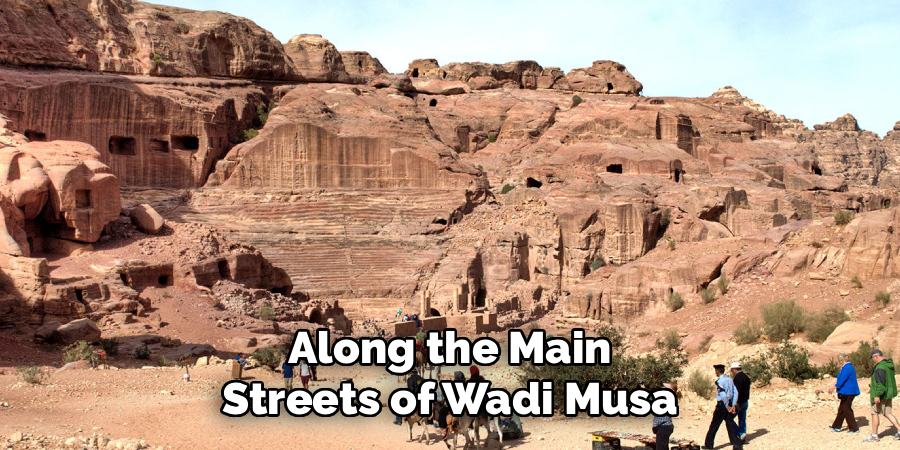
A typical meal in a local diner is very budget-friendly, while tourist restaurants charge mid-range prices. You will find excellent dining options concentrated along the main streets of Wadi Musa.
Vegetarian and vegan travelers will find plenty of fresh salads and plant-based mezze platters available everywhere.
Travel Cost & Time
Your overall travel cost and time depend heavily on your specific comfort preferences and travel style. A budget traveler can comfortably manage on $50 to $70 per day, including simple meals and bus transit.
Mid-range travelers should expect daily costs around $100 to $150 for nicer hotels and private taxis. The travel time from Amman airport to your hotel in Wadi Musa averages about three to four hours.
Buses represent the cheapest transit option, while private cars save slightly more time at a higher cost. Peak season prices for hotels and flights will be noticeably higher than off-peak rates.
Traffic leaving Amman can cause minor delays, so plan your departure times accordingly.
Estimated Budget & Money-Saving Tips
A comfortable three-day trip generally requires a budget of $300 to $500 per person. This estimate covers reliable ground transport, comfortable mid-range accommodation, hearty meals, and your entry tickets.
You can easily separate your spending into affordable street food and reasonably priced local buses. Booking your flights and hotels several months early is the simplest way to save money.
Traveling during the late winter off-season significantly reduces your accommodation expenses. Using public buses instead of private taxis keeps your transportation costs incredibly low.
Purchasing the Jordan Pass beforehand is the smartest financial move you can make for this trip.
Currency & Money Management
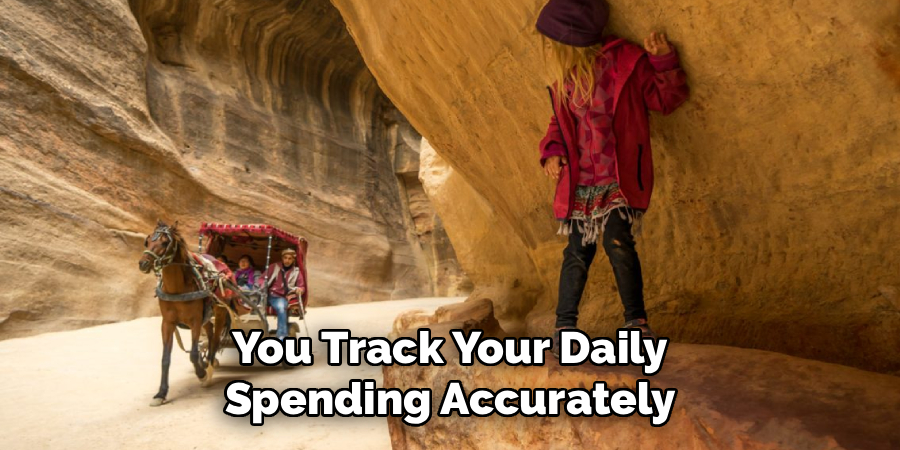
The local currency is the Jordanian Dinar, which is widely used for all daily transactions. Having a basic understanding of the exchange rate helps you track your daily spending accurately.
Credit and debit cards are widely accepted at modern hotels, large restaurants, and the main visitor center. However, you will need cash to pay for local taxis, small souvenir and street food.
ATMs are easily accessible throughout Wadi Musa and at the major airports. You should decline dynamic currency conversion at ATMs to avoid paying unnecessary extra fees.
Keep your large bills hidden securely and carry only small cash in your daily walking bag.
Connectivity: SIM Cards & Essential Travel Apps
You can easily purchase a local prepaid SIM card right at the airport upon arrival. Zain, Orange, and Umniah are the major telecom providers offering reliable coverage across the country.
These providers offer affordable tourist packages with plenty of data valid for your entire stay. If your phone is compatible, downloading an eSIM before you leave home is incredibly convenient.
You simply need to present your passport to complete a physical SIM card purchase in person. Essential apps like Google Maps and translation tools will make navigating the local area much easier.
Downloading offline maps ensures you stay oriented even if you lose signal deep inside the archaeological site.
Language & Local Etiquette
Arabic is the primary and official language spoken throughout the entire country. However, English is widely understood by hotel staff, drivers, and merchants in tourist areas.
Learning a few basic phrases like “Marhaba” (hello) and “Shukran” (thank you) goes a long way. Jordanian culture values warmth and hospitality, so polite greetings are always appreciated.
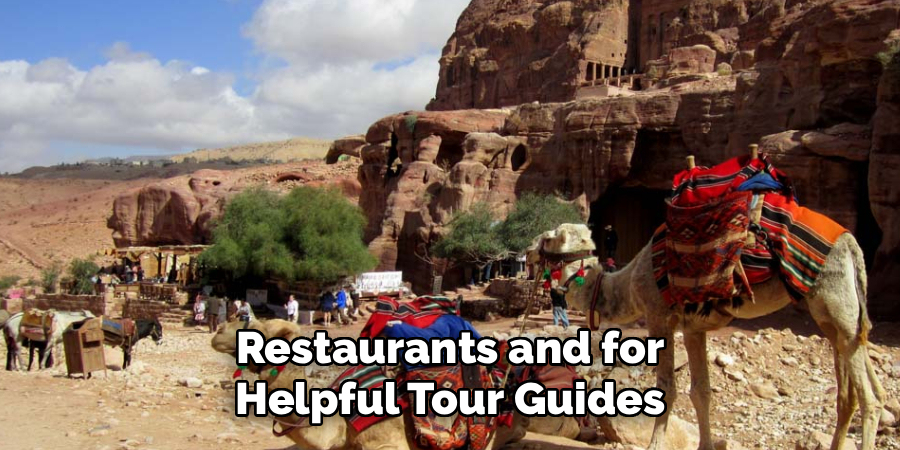
You should dress modestly out of respect, keeping your shoulders and knees covered in public spaces. Tipping is customary for good service in restaurants and for helpful tour guides.
Always ask for permission before taking close-up photographs of local residents or their shops.
Travel Tips
We want to share a few essential insights on how to travel to Petra efficiently. Planning your itinerary and booking your transport in advance will save you tremendous hassle.
Arriving at the visitor center right at sunrise helps you beat the intense midday heat. Keeping your passport and Jordan Pass neatly organized ensures quick entry at the gates.
Packing light, breathable clothing and extremely comfortable walking shoes is absolutely vital. You must check the local weather forecast to prepare for sudden temperature drops.
Using offline navigation apps will keep you completely on track during your desert exploration.
Travel Safety, Common Scams & Mistakes to Avoid
General safety in tourist areas remains very high, making for a relaxed and peaceful journey. You should still stay aware of minor issues like overcharging for souvenirs or unmetered taxis.
Always agree on a clear price before accepting a ride or an unofficial guided tour. You can easily spot suspicious offers if someone pressures you into making a fast decision.
Relying on your hotel to arrange transportation completely bypasses the risk of fake taxis. Keep your phone and wallet secured in a zipped bag while navigating crowded markets.
Never share your exact hotel room number or personal travel schedule with overly curious strangers.
Safety & Health Precautions
Staying healthy during your desert trip requires basic attention to hydration and sun protection. Drinking plenty of bottled water prevents heat exhaustion during long days of walking.
While the ancient ruins are relatively safe, you must watch your step on uneven rocks. Carrying a small first-aid kit with bandages and pain relievers is a smart, proactive habit.
Sticking to busy restaurants with high turnover ensures you are eating fresh, safe local food. Keep the contact number for your hotel and local emergency services saved on your phone.
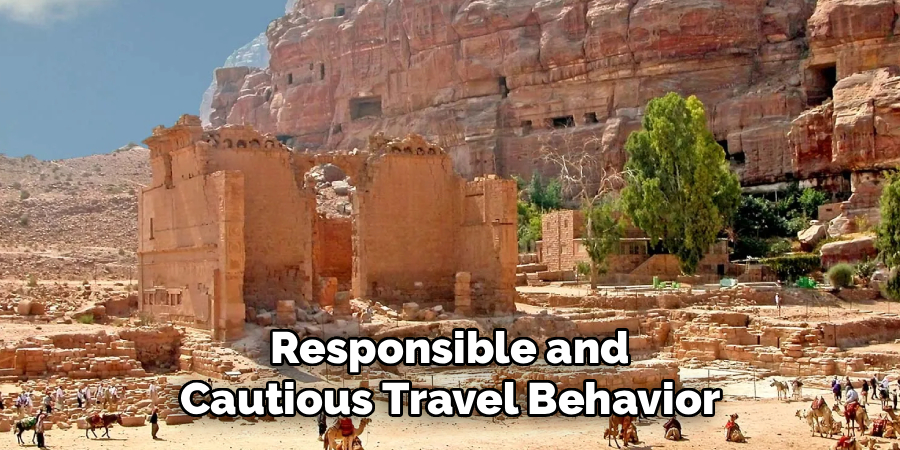
Pacing yourself on the steep trails demonstrates responsible and cautious travel behavior.
Frequently Asked Questions
What is the best way to get around the site?
Walking is the absolute best way to explore the archaeological ruins comfortably and thoroughly. You can fully experience the massive scale of the monuments at your own relaxed pace.
How to travel to Petra on a tight budget?
Taking the daily public bus from Amman is the most cost-effective method available. Staying in a Wadi Musa hostel and eating local street food will further minimize your daily expenses.
How many days should I spend exploring?
You need at least two full days to see the main monuments without rushing. This timeframe allows you to comfortably hike the challenging trails and enjoy the breathtaking panoramic views.
Conclusion
Understanding how to travel to Petra ensures your adventure begins perfectly before you even leave home. This breathtaking ancient destination promises an unforgettable experience filled with rich history and stunning natural beauty.
You can rest assured that getting there is straightforward, safe, and highly accommodating to all visitors. Thoughtful planning and early bookings guarantee you will maximize your time exploring the incredible sandstone monuments.
Always remember to pack your most comfortable walking shoes for the long desert trails ahead.

About
Ethan Brooks is a dedicated travel writer and tourism specialist with over a decade of experience exploring more than 150 countries. His professional focus centers on city routes and budget travel, where he combines real-world travel insights with efficient planning strategies.
Ethan is known for creating smart, well-structured travel systems that are practical, cost-effective, and easy to follow. As a core author at thetraveliy.com, he helps both first-time travelers and experienced explorers plan smooth, confident journeys.
Education
The University of Queensland (Australia) Bachelor’s Degree in Tourism Management
-
Focus: Global tourism systems, destination planning, and travel operations.
-
Specialization: Gained practical knowledge in travel logistics, itinerary development, and tourism industry structures.
Publications and Impact
At thetraveliy.com, Ethan Brooks publishes clear, structured, and experience-driven content focused on:
-
Transportation Logistics: Navigating complex transit systems with ease.
-
Itinerary Planning: Creating time-efficient schedules for any destination.
-
Budget-Friendly Solutions: Maximizing value without sacrificing the experience.
Ethan’s work simplifies complex travel decisions, making it easier for readers to plan efficient and affordable trips. By blending practical advice with real-world experience, he helps travelers create well-organized journeys while saving both time and money.