
Planning a long journey can be incredibly exciting, but the physical toll of transportation is often overlooked. Prolonged sitting on flights, trains, or road trips can lead to uncomfortable fluid buildup in your lower extremities. This guide will show you exactly how to reduce leg swelling after travel so you can enjoy your itinerary immediately.

Travel safety and health are closely linked, especially when dealing with long-haul transit. Sitting for hours without movement restricts blood flow, causing that heavy, puffy feeling in your feet and calves. Proper preparation before and during your trip matters immensely for your overall comfort.
In this guide, you will learn practical, medically sound methods to protect your vascular health. We will cover common transit risks, actionable relief steps, and general travel essentials to keep you safe. Smooth transitions between your transportation and your destination depend on handling these physical stressors effectively.
Common Travel Risks & Problems
Modern travel exposes you to a variety of unique physical and environmental risks. While many travelers worry about lost luggage or missed connections, health-related issues like dehydration and poor circulation are far more common. Long periods of immobility are one of the biggest hidden dangers of modern transportation.
Cramped seating in economy class often prevents you from extending your legs fully. This unnatural posture restricts venous return, meaning blood pools in your lower legs rather than flowing back to your heart. Changes in cabin pressure and low humidity levels on airplanes further contribute to fluid retention and dehydration.
Additionally, strict airline rules often mean you cannot easily get up and walk around whenever you want. You might be trapped in a window seat or forced to stay seated due to turbulence. These disruptions to normal movement are exactly why proactive health management is a vital part of your travel essentials.
6 Effective Steps on How to Reduce Leg Swelling After Travel
Protecting your vascular health requires a practical, step-by-step approach before, during, and after your journey. Travel safety varies depending on your destination and chosen transportation, but managing leg circulation is universally important. This section covers personal safety, health protection, and emergency preparedness regarding your physical comfort.
Step 1: Stay Safe by Hydrating Consistently
Step 1: Stay Safe by drinking plenty of water before, during, and after your flight or road trip. Dehydration causes your body to retain fluids, which makes lower extremity puffiness much worse. You should aim to drink at least eight ounces of water for every hour you are in the air. Avoid excessive alcohol and caffeine, as these beverages strip moisture from your body and increase fluid pooling. If you are traveling to a hot, humid summer destination, you will need even more water to compensate for the climate.
Step 2: Stay Safe by Wearing Compression Socks
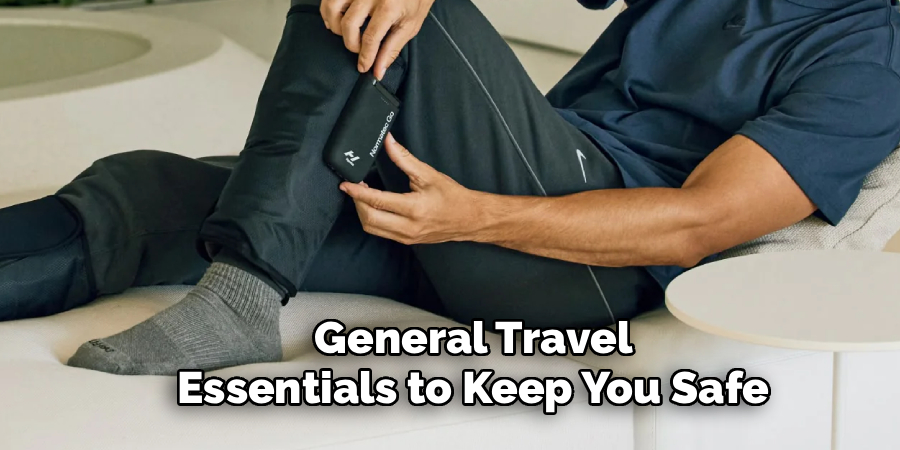
Step 2: Stay Safe by investing in high-quality, graduated compression socks as part of your travel essentials. These specially designed garments apply gentle pressure to your lower legs, encouraging blood to flow upward toward your heart. You should put them on before you board your transportation and keep them on until you reach your accommodation. They are incredibly effective at preventing blood from pooling in your ankles and calves during long periods of sitting. Just be sure they fit snugly but are not painfully tight.
Step 3: Stay Safe by Elevating Your Feet
Step 3: Stay Safe by finding ways to elevate your legs as soon as you reach your destination. Gravity is your biggest enemy when you are sitting upright, so reversing that pressure is highly beneficial. Lie down on your bed and prop your feet up on a few pillows so they rest above the level of your heart. Even twenty minutes of elevation can dramatically drain pooled fluids and relieve that heavy, aching sensation. You can also rest your legs against a wall for an even deeper stretch.
Step 4: Stay Safe by Doing Seated Exercises
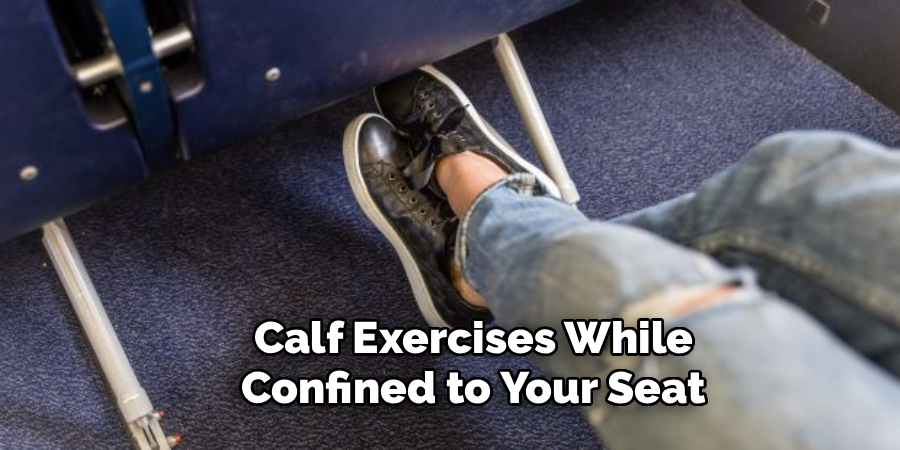
Step 4: Stay Safe by performing simple ankle and calf exercises while confined to your seat. Point and flex your toes, roll your ankles in circles, and press your feet flat against the floor to engage your calf muscles. These tiny movements act as a pump, pushing stagnant blood back up through your veins. Try to do a few minutes of these exercises every hour you are awake on your itinerary. It is a discreet but powerful way to maintain circulation when airline rules keep you seated.
Step 5: Stay Safe by Walking Frequently
Step 5: Stay Safe by taking regular walking breaks whenever it is safe and permissible to do so. Aisle seats are generally better for long flights because they allow you to get up without disturbing your neighbors. Walk up and down the aisle to use the restroom, or simply stand near the galley to stretch your legs. If you are on a road trip, pull over every two hours at a rest stop for a brisk walk. Movement is the ultimate natural remedy for sluggish circulation.
Step 6: Stay Safe by Taking a Cool Shower
Step 6: Stay Safe by using temperature therapy once you finally arrive at your hotel or home. Taking a cool shower or soaking your feet in a cold bath helps constrict blood vessels and reduce inflammation. If a full shower isn’t possible, applying cold compresses to your swollen ankles will also provide rapid relief. Avoid hot tubs or scalding showers immediately after a long journey, as heat can cause vessels to expand and worsen the swelling.
How to Stay Safe While Traveling
Always stay aware of your body’s signals, especially in crowded or unfamiliar transit hubs. If your leg discomfort is accompanied by severe pain, redness, or warmth, this could indicate a more serious vascular issue. Keep your travel essentials easily accessible so you can grab water or medication without digging through overhead bins.
Use trusted transportation options that allow for adequate legroom whenever possible. Upgrading to a seat with extra space might cost a bit more, but it is an excellent investment in your physical safety. Plan your routes carefully to include layovers where you can walk around and stretch.
Stay in well-reviewed accommodations that offer amenities like ice machines or extra pillows for leg elevation. Avoid pushing yourself too hard physically on the very first day of your itinerary. Give your body time to adjust, recover, and regain proper circulation before diving into strenuous sightseeing.
Health Tips & Illness Prevention
Always drink clean and safe water to avoid dehydration, which directly impacts your vascular health. Eat light, nutritious meals before your journey and avoid heavily salted airport food that exacerbates water retention. Wash your hands regularly, as staying healthy overall prevents additional stress on your body during transit.
Carry basic medicines for pain relief, but consult a doctor if you need specific anti-inflammatory medications. Get enough rest and avoid overexertion during long travel days. Exhaustion makes it harder for your body to regulate its systems, including normal blood flow.
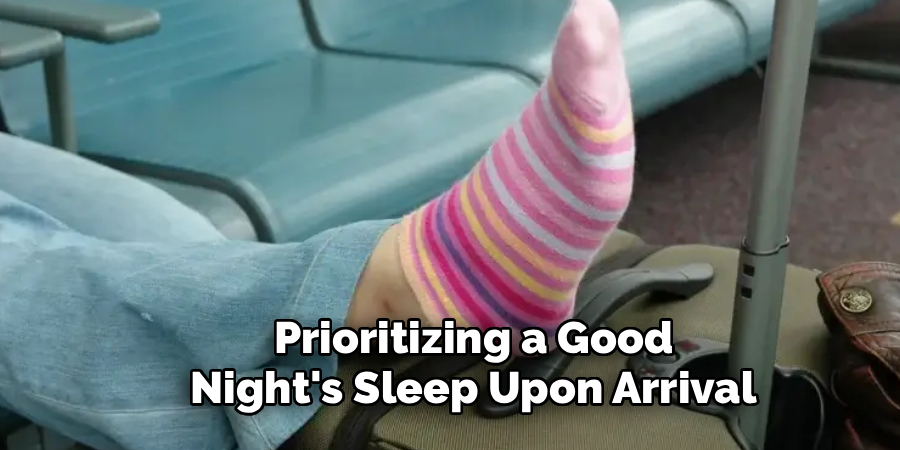
Protect yourself from seasonal weather changes by dressing appropriately for your destination’s climate. Hot, tropical environments naturally cause blood vessels to expand, which can make travel-induced puffiness last longer. Manage your travel stress by staying hydrated, eating properly, and prioritizing a good night’s sleep upon arrival.
Emergency Situations & What to Do
If you experience sudden, severe leg pain, shortness of breath, or chest pain, seek emergency medical help immediately. These symptoms could point to a blood clot, which requires urgent hospital care rather than simple home remedies. In case of a medical emergency, ask transit staff or flight attendants for immediate assistance.
Always keep emergency contact numbers saved in your phone and written on a piece of paper as a backup. Inform a family member or friend immediately if your physical condition worsens during your journey. Carry your health insurance details so you can access support quickly in foreign hospitals.
If you get lost trying to find a pharmacy or clinic, use offline maps or ask trusted local officials for help. Do not ignore warning signs from your body simply because you are trying to stick to your itinerary. Your physical well-being must always take priority over sightseeing plans.
Common Mistakes to Avoid
Ignoring local safety rules or airline rules can keep you confined to your seat longer than necessary. Not buying travel insurance is a massive risk, especially if your circulation issues develop into a serious medical emergency. Another major mistake is wearing tight, restrictive clothing around your waist or groin, which cuts off blood flow to your legs.
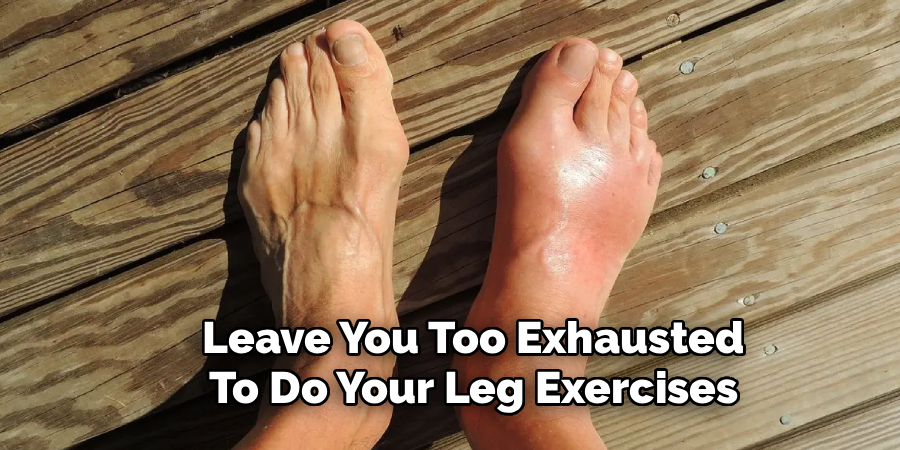
Relying only on mobile internet without offline maps can leave you stranded when searching for a local pharmacy. Eating unsafe, highly processed, or overly salty food at the airport is a surefire way to increase fluid retention. Traveling at night without proper planning can disrupt your sleep and leave you too exhausted to do your leg exercises.
Overtrusting your body’s limits and jumping straight into a heavy hiking itinerary right after a long flight is unwise. Give yourself a buffer day to rest and elevate your legs. Taking your vascular health for granted is a common error that can ruin the first few days of any vacation.
Finalizing Your Departure Strategy
How to reduce leg swelling after travel starts with the very first step of finalizing your departure strategy. Do a final check of your carry-on bags to ensure your compression socks, water bottle, and healthy snacks are packed. Confirm your accommodation booking so you know exactly where you will be resting and elevating your feet.
Double-check your transportation schedule so you aren’t rushing through the airport, which spikes stress and dehydration. Ensure all devices are fully charged so you can listen to relaxing music while doing your seated leg exercises. Pack only necessary items in your carry-on, leaving enough floor space beneath the seat in front of you to stretch your feet.
Share your full travel plan and emergency contacts with a trusted person back home. Reconfirm health essentials like any prescribed medications or preferred over-the-counter anti-inflammatories. Stay calm, organized, and mentally prepared, and your body will thank you with a safe, comfortable, and healthy journey.

About
Ethan Brooks is a dedicated travel writer and tourism specialist with over a decade of experience exploring more than 150 countries. His professional focus centers on city routes and budget travel, where he combines real-world travel insights with efficient planning strategies.
Ethan is known for creating smart, well-structured travel systems that are practical, cost-effective, and easy to follow. As a core author at thetraveliy.com, he helps both first-time travelers and experienced explorers plan smooth, confident journeys.
Education
The University of Queensland (Australia) Bachelor’s Degree in Tourism Management
-
Focus: Global tourism systems, destination planning, and travel operations.
-
Specialization: Gained practical knowledge in travel logistics, itinerary development, and tourism industry structures.
Publications and Impact
At thetraveliy.com, Ethan Brooks publishes clear, structured, and experience-driven content focused on:
-
Transportation Logistics: Navigating complex transit systems with ease.
-
Itinerary Planning: Creating time-efficient schedules for any destination.
-
Budget-Friendly Solutions: Maximizing value without sacrificing the experience.
Ethan’s work simplifies complex travel decisions, making it easier for readers to plan efficient and affordable trips. By blending practical advice with real-world experience, he helps travelers create well-organized journeys while saving both time and money.