

Planning a trip with your furry companion can feel a bit overwhelming, especially if you have never done it before. Many owners worry about keeping their delicate pets calm and comfortable during a long journey. Learning how to travel with a rabbit is essential for ensuring a safe and stress-free trip for both of you. This comprehensive guide covers everything you need to know about taking your pet on the road or into the sky.

You will discover the best ways to navigate car rides, airline rules, and public transport systems. We will focus heavily on safety, comfort, and proper preparation to keep your pet relaxed. By the end of this guide, you will understand the essential steps, useful tips, and the complete checklist required for success. Let us explore the proper way to hit the road together.
Is It Safe to Travel With a Rabbit?
Yes, hitting the road with your bunny can be perfectly safe, provided you take the right precautions. Safety heavily depends on your specific method of transportation and how well you prepare for the trip. You must account for potential risks like stress, minor injuries, unexpected temperature changes, or travel delays. Proper planning is the absolute best way to mitigate these common risks.
Using a secure carrier, bringing familiar food, and setting up a comfortable resting space are crucial factors. Following airline or transport rules also improves overall safety during the journey. While sudden changes in the environment can be stressful, safe travel is completely possible with the correct steps. Your pet will appreciate the extra effort you put into their well-being.
Rules & Regulations
Airline rules for pets often involve specific carrier dimensions, weight limits, and strict booking requirements. You will almost certainly need a recent health certificate and proof of vaccinations from a licensed vet. Car travel rules also dictate the use of a proper carrier, secure safety restraints, and adequate ventilation. International travel introduces even more complexity, including import laws, quarantine requirements, and country-specific regulations.
These rules can vary dramatically depending on the specific airline and your final destination. It is always best to check these requirements well in advance to avoid surprises. Missing documents or an incorrect carrier size may result in immediate travel denial. Always verify the latest requirements with your transport provider or the local embassy before departure.
Best Time / Weather Considerations
The best time for your journey depends entirely on the climate and conditions at your destination. Extreme heat or cold can be highly dangerous for delicate pets, leading to serious health issues. We always suggest traveling during mild weather, with early morning or late evening departures being the preferred choice. You should actively avoid peak afternoon heat, severe storms, or any extreme weather conditions.
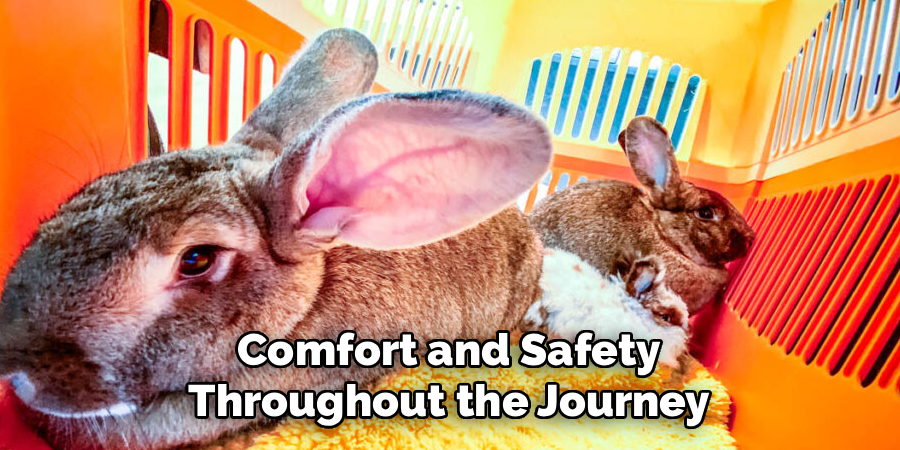
Seasonal changes can significantly affect comfort and safety throughout the journey. Checking the weather forecast for your entire route before setting off is a vital part of planning. Simple safety advice, like maintaining constant hydration and checking ventilation, can make a huge difference. Keeping the temperature stable ensures your pet remains comfortable from start to finish.
How to Prepare Before Travel
You should start your preparation a few days before the journey to ensure smooth and stress-free planning. Check all relevant rules and requirements for airlines, cars, or international borders well ahead of time. Schedule a visit to a licensed vet for a comprehensive health check and to gather all necessary documents. Arrange a proper carrier, secure crate, and any required safety equipment in advance.
Pack all essential items like regular food, fresh water, necessary medication, and comforting familiar items. Ensure ID tags are updated and that all required travel documents are organized and easily accessible. Let your pet get familiar with their carrier at home to significantly reduce their anxiety. Finally, confirm all your bookings and keep your emergency contacts readily available.
5 Essential Steps on How to Travel With a Rabbit
Understanding the main practical guide is key to managing the entire process successfully. These steps cover the full journey from early preparation to safely arriving at your destination. The exact steps may vary slightly based on whether you use a car, plane, or public transport. We will cover the full flow, keeping the journey organized and manageable.
Step 1: Set Up the Perfect Carrier
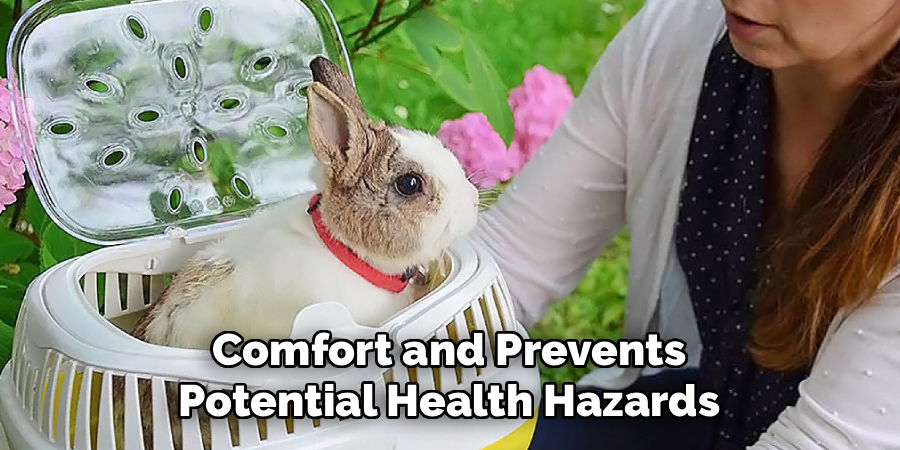
Choosing and preparing the right enclosure is the foundational step for a successful journey. You need a sturdy, well-ventilated enclosure that provides enough space for turning around comfortably. Line the bottom with soft, absorbent bedding and include a small amount of familiar hay. Ensure the latches are completely secure so there is no risk of accidental escapes during transit. Taking the time to build a comfortable space makes the rest of the journey much smoother.
Step 2: Pack the Right Essentials
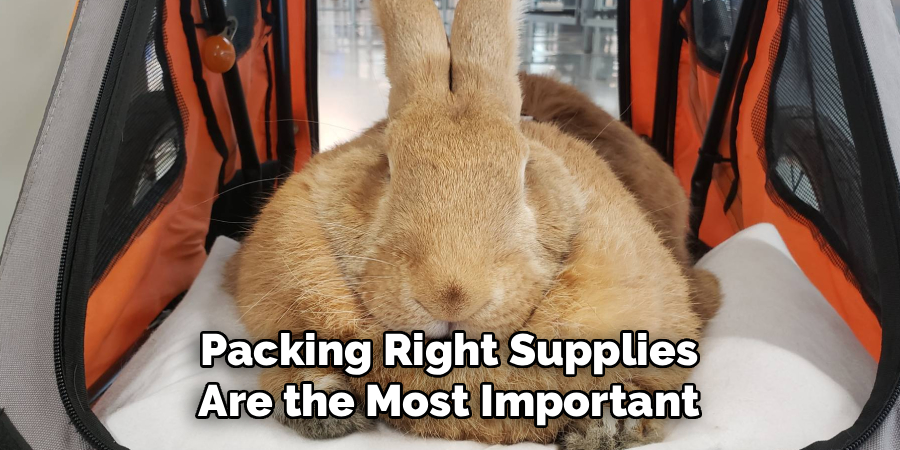
Gathering all necessary supplies ensures you are ready for any situation that arises on the road. You must portion out enough regular food and familiar treats to last the entire trip. Fill a reliable water bottle that attaches securely to the enclosure without leaking on the bedding. Gather all required health certificates, updated identification, and any specific medications your pet requires. Keeping these items easily accessible prevents panicked searching while you are on the move.
Step 3: Manage the Transport Process
Handling the physical movement carefully is vital for minimizing sudden jolts and unexpected anxiety. If driving, secure the enclosure firmly with a seatbelt to prevent sliding during sudden stops. When flying, always follow the airline staff’s instructions regarding under-seat placement and security checks. Avoid playing loud music or making sudden noises that might startle your sensitive companion. A calm, steady environment during the actual movement phase helps keep their heart rate normal.
Step 4: Keep the Journey Comfortable
Monitoring the environment throughout the trip ensures ongoing comfort and prevents potential health hazards. You should check the temperature regularly to ensure the space is neither too hot nor too cold. Offer small sips of water and a few familiar treats during scheduled rest stops. Speak in a soft, reassuring voice to provide comfort when navigating noisy or crowded terminals. Keeping a close eye on their breathing and body language helps you catch any distress early.
Step 5: Settle In at the Destination
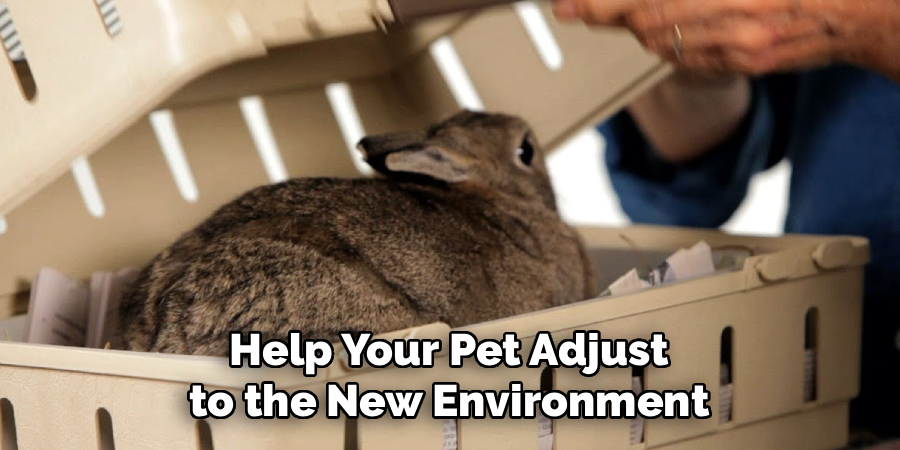
Arriving safely means taking a few extra moments to help your pet adjust to the new environment. Immediately set up a quiet, secure space with fresh bedding, a litter box, and plenty of hay. Allow them to exit the enclosure at their own pace without forcing them into the open. Monitor their eating and drinking habits closely over the first twenty-four hours to ensure normal behavior. Providing a calm atmosphere helps them recover quickly from the lengthy transit experience.
Comfort, Stress & Packing Tips
Comfort and stress management are highly important factors during any type of long journey. Pets should always be kept in a safe, familiar, and highly comfortable setup to minimize anxiety. Using a proper carrier with soft bedding and excellent ventilation is crucial for their well-being. We suggest keeping a favorite toy or unwashed blanket nearby to provide a comforting, familiar scent.
Smooth packing and careful space optimization will make the trip easier for you as well. Avoid overpacking unnecessary items, choosing instead to focus only on the true daily essentials. Maintaining a quiet and calm environment during travel prevents sudden spikes in anxiety. Focus on hydration and perform regular visual checks during exceptionally long journeys.
Safety & Emergency Tips
Keeping safety as your top priority is essential when transporting a delicate companion. Always use secure carriers, tight seat belts, or proper restraints depending on your chosen transport method. We advise keeping emergency contact numbers and local veterinary hospital details ready at all times. Monitoring your pet regularly during the journey helps you spot any signs of distress or health issues.
Carrying basic emergency supplies, including a first aid kit, extra water, and necessary medication, is highly recommended. You must be fully prepared for unexpected delays, sudden weather changes, or transport cancellations. Staying calm and acting quickly if any problem occurs will protect both you and your companion. Practical preparation is the best defense against unforeseen travel emergencies.
Common Mistakes to Avoid
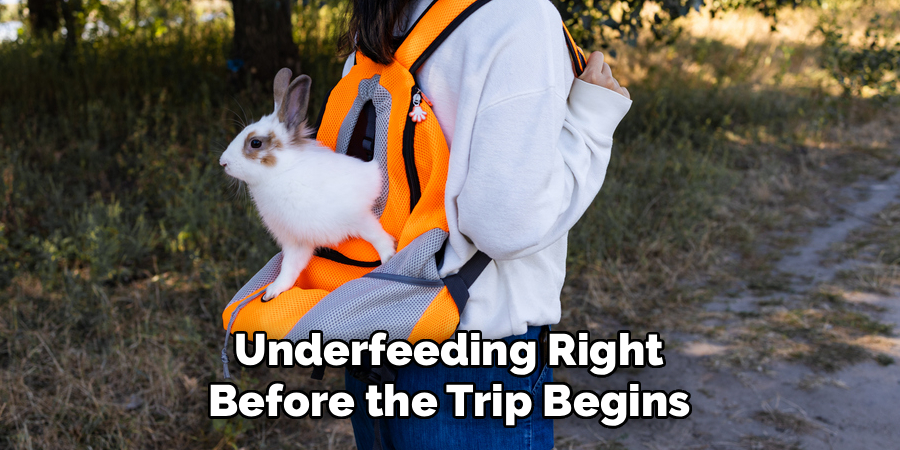
Failing to check airline, car, or international travel rules in advance is a major mistake. Ignoring required health checks, vaccinations, or necessary travel documents can completely derail your plans. Another common error is using an unsafe, poorly ventilated, or incorrectly sized carrier. You should also warn against overfeeding or underfeeding right before the trip begins.
Not preparing your pet for the journey in advance often causes severe and unnecessary stress. Leaving out essentials like fresh water, regular food, or daily medication is dangerous. We also advise against ignoring local weather conditions or poorly timing your travel hours. Poor overall planning and last-minute booking issues are the biggest threats to a smooth trip.
Travel Essentials Checklist
Having a practical checklist helps guarantee you pack all the essential items needed for safe travel. First, secure a high-quality carrier, crate, or proper transport bag that meets all regulations. Next, pack enough familiar food, fresh water, and proper feeding supplies for the entire journey. You must also include essential documents like updated ID, health certificates, or travel permits.
A basic medical kit and any required daily medication should be packed within easy reach. We highly suggest bringing comfort items like a familiar blanket or a favorite chew toy. Do not forget to pack waste bags, extra bedding, and basic cleaning supplies if required. Following a simple, practical checklist ensures you never leave a vital item behind.
Frequently Asked Questions
What type of carrier is best for the journey?
A sturdy, hard-sided plastic carrier with proper ventilation is generally the most secure option. It protects against sudden bumps while providing a dark, comfortable space. Make sure it offers enough room for turning around easily.
Is learning how to travel with a rabbit difficult?
It requires careful planning, but the process is not overly difficult if you prepare early. Understanding transportation rules, managing temperatures, and packing the right supplies are the most important steps. Proper preparation makes the experience relatively stress-free.
How often should I offer water during transit?
You should offer fresh water every two to three hours during scheduled rest stops. Avoid leaving a heavy water bowl in the carrier while moving, as it will likely spill. Use a secure bottle or offer water manually.
Conclusion
Learning how to travel with a rabbit is simple when you follow the right steps. This guide has shown you the absolute importance of proper planning and thorough early preparation. Key points like maintaining safety, optimizing comfort, and closely following travel rules dictate your success. Different transport methods like cars, planes, and public transport all require unique care and attention.
We strongly encourage readers to always check current regulations and prepare well in advance of departure. With the right enclosure, familiar supplies, and a calm approach, your journey will be a success. Safe and enjoyable travel is completely possible when you take the correct precautions. Enjoy the journey, knowing your companion is safe and comfortable by your side.

About
Ethan Brooks is a dedicated travel writer and tourism specialist with over a decade of experience exploring more than 150 countries. His professional focus centers on city routes and budget travel, where he combines real-world travel insights with efficient planning strategies.
Ethan is known for creating smart, well-structured travel systems that are practical, cost-effective, and easy to follow. As a core author at thetraveliy.com, he helps both first-time travelers and experienced explorers plan smooth, confident journeys.
Education
The University of Queensland (Australia) Bachelor’s Degree in Tourism Management
-
Focus: Global tourism systems, destination planning, and travel operations.
-
Specialization: Gained practical knowledge in travel logistics, itinerary development, and tourism industry structures.
Publications and Impact
At thetraveliy.com, Ethan Brooks publishes clear, structured, and experience-driven content focused on:
-
Transportation Logistics: Navigating complex transit systems with ease.
-
Itinerary Planning: Creating time-efficient schedules for any destination.
-
Budget-Friendly Solutions: Maximizing value without sacrificing the experience.
Ethan’s work simplifies complex travel decisions, making it easier for readers to plan efficient and affordable trips. By blending practical advice with real-world experience, he helps travelers create well-organized journeys while saving both time and money.