
Planning a trip with your feline friend can bring up a lot of logistical questions, especially regarding their bathroom needs. Many pet parents worry about keeping their cats comfortable while maintaining cleanliness during a long journey. Figuring out how to Travel With a Cat Litter Box is a common concern for anyone hitting the road or taking to the skies with a pet.

This guide is designed to make your upcoming transportation plans as smooth and stress-free as possible. We will cover various travel methods, including cars, planes, and public transport, to ensure you are fully prepared. Proper preparation is the key to maintaining a sanitary and comfortable environment for both you and your cat.
By following the tips in this article, you will learn practical steps, airline rules, and packing strategies for your feline’s hygiene setup. Safe travel is completely achievable when you have the right itinerary and equipment in place. Let’s look at the best ways to manage your cat’s bathroom needs while on the move.
Is It Safe to Travel With a Cat Litter Box?
Yes, traveling with your cat’s hygiene setup is perfectly safe as long as you plan and use the right equipment. The safety of the journey depends heavily on the type of transportation and how well you secure the items. Loose objects in a vehicle can become hazardous during sudden stops, so securing the box is crucial.
You must also consider the risks of sudden temperature changes and the stress it might cause your pet. A strong, leak-proof container and proper ventilation are essential to keep the environment healthy and odor-free. Using a familiar setup can actually reduce your cat’s anxiety, making the trip much safer overall.
Following specific airline rules or ground transport regulations further improves the safety of your journey. Keeping the box in a designated, secure spot prevents spills and keeps the area sanitary. Ultimately, safe travel is highly possible with the correct steps and a bit of thoughtful preparation.

Rules & Regulations
When flying, airline rules strictly dictate pet carrier sizes, weight limits, and booking requirements for the cabin or cargo. You cannot simply bring a fully assembled hygiene station onto a plane; you must use travel-friendly, disposable options or pack it in checked luggage. Always consult your specific airline well before your departure date to avoid any surprises at the gate.
If you are crossing state lines or borders, health certificates and vaccination records from a licensed vet are usually mandatory. International journeys involve strict import and export laws, quarantine requirements, and country-specific regulations that you must follow. Missing documents or inappropriate equipment can easily result in travel denial for your pet.
For car travel, regulations vary by state, but using proper carriers and safety restraints is highly recommended to prevent distracted driving. While your cat cannot roam free to use the box while the car is moving, you must safely secure their supplies in the trunk or back seat. Always verify both airline and embassy requirements before starting your journey.
Best Time / Weather Considerations
The best time to take your pet on a journey largely depends on the climate and your destination’s conditions. Extreme heat or cold can be highly risky for animals, especially if they are left in a car during rest stops. It is always best to travel during mild weather, with early mornings or late evenings being the safest choices.
You should absolutely avoid peak heat hours, heavy storms, or extreme weather conditions when planning your itinerary. Seasonal changes can drastically affect your pet’s comfort, as well as the odor control of their hygiene station. A hot, poorly ventilated vehicle will make the smell of a used tray much worse and stress your cat.
Checking the weather forecast before your travel date is an important step in your overall preparation. Always keep hydration and ventilation in mind, regardless of the season. Planning your rest stops around cooler parts of the day ensures a much safer and more pleasant trip.
How to Prepare Before Travel
Start your preparation a few days before the journey to ensure a smooth and organized planning process. Check all travel rules and requirements for your specific mode of transportation, whether it is a car or a plane. You should also visit a vet for a basic health check and to secure any necessary travel documents.
Arrange the proper carrier, crate, and safety equipment well in advance so you are not rushing at the last minute. Pack all your travel essentials, including food, water, medication, and comfort items for your feline companion. Ensure that your pet’s ID tags and microchip information are fully updated with your current phone number.
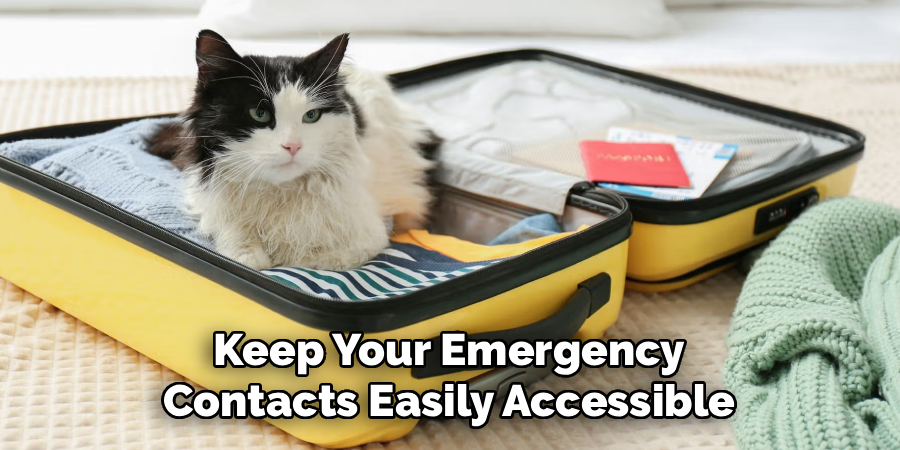
To reduce stress, let your cat get familiar with their portable hygiene setup a few days before you leave. Place it in their usual spot at home so they understand it is safe to use. Confirm all your pet-friendly bookings and keep your emergency contacts easily accessible.
5 Essential Steps on How to Travel With a Cat Litter Box
Step 1: Choose the Right Portable Setup
The first part of your journey involves selecting the correct portable hygiene station for your facility. Disposable, foldable, or compact covered trays are excellent options that save space and minimize mess during transportation. Make sure the option you choose is waterproof and sturdy enough to handle the movement of a car or plane. Setting this up properly ensures you won’t deal with unexpected leaks while on the road.
Step 2: Pack Familiar Substrate and Supplies
Cats are creatures of habit, so bringing their regular substrate is crucial for their comfort. Pack a sealed, heavy-duty bag of the exact brand they use at home to prevent them from refusing to use it. You should also pack a small scoop, waste bags, and pet-safe cleaning wipes in a readily accessible travel bag. Having these travel essentials nearby makes cleanup quick and completely hassle-free.
Step 3: Secure the Setup During Transit
If you are driving, place the portable tray on the floorboard of the back seat or securely in the trunk area. The box mustn’t tip over or slide around during sudden stops or sharp turns. For air travel, follow airline rules by packing the empty, clean tray in your checked luggage and keeping a small disposable one for layovers. Never let your cat roam a moving vehicle to use the bathroom.
Step 4: Schedule Regular Bathroom Breaks
Plan your itinerary to include regular rest stops every few hours, allowing your pet a chance to relieve themselves. Park in a quiet, shaded area, securely close all car doors, and let your cat out of their carrier to access their tray. Some cats may be too nervous to use it immediately, so be patient and offer them a quiet environment. Offering water during these stops also helps maintain their hydration levels.
Step 5: Clean and Maintain on the Go
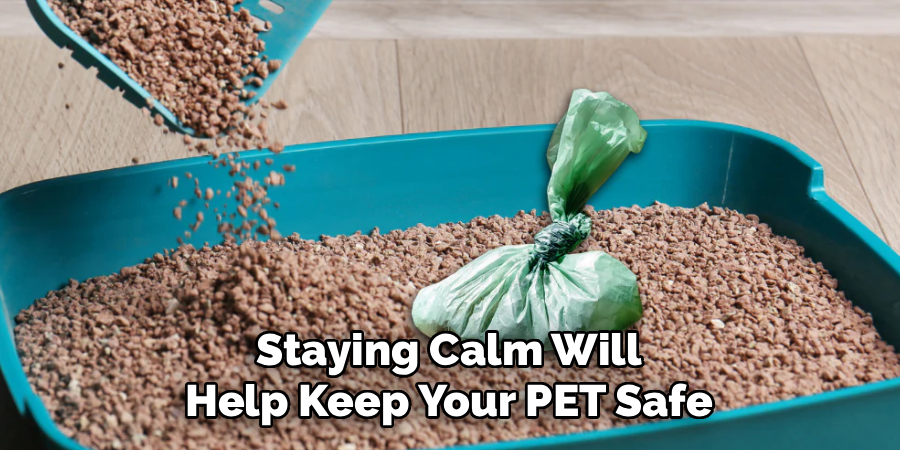
After your cat successfully uses their station during a break, immediately scoop and dispose of the waste in a sealed bag. Keeping the area clean prevents odors from building up in the confined space of your vehicle. Use pet-safe wipes to clean the edges of the box and your hands before getting back on the road. Proper maintenance ensures a sanitary and pleasant environment for the remainder of your trip.
Comfort, Stress & Packing Tips
Comfort and stress management are incredibly important when transporting animals over long distances. Your pet should be kept in a safe, familiar, and comfortable setup throughout the entire transportation process. Using a proper carrier with soft bedding and excellent ventilation makes a massive difference in their anxiety levels.
You can also keep their favorite items, such as a special toy or a familiar-smelling blanket, nearby to reduce their stress. When packing their hygiene supplies, nest smaller items inside the clean tray to optimize your trunk space. Avoid overpacking unnecessary toys or bulky furniture, sticking only to true travel essentials.
Maintaining a calm, quiet environment during travel helps soothe nervous animals. Speak to them in a reassuring voice and keep the vehicle’s temperature well-regulated. Monitor their hydration closely and offer reassurance during long, bumpy stretches of the road.
Safety & Emergency Tips
Keeping safety as your top priority is the most vital part of any journey with an animal. Always use secure carriers, specialized pet seat belts, or proper cargo restraints, depending on your chosen transportation. A loose pet or a sliding waste container can cause severe accidents or injuries during transit.
You must keep emergency contact numbers, including a 24-hour vet clinic at your destination, readily available. Monitor your pet regularly during the journey to watch for any signs of severe distress, overheating, or illness. Carrying basic emergency supplies, such as a pet first aid kit, extra bottled water, and any required medication, is essential.
Always be prepared for unexpected travel delays, sudden weather changes, or vehicle breakdowns. If a problem does occur, acting quickly and staying calm will help keep your pet safe. Have a backup plan for lodging in case your itinerary takes longer than expected.
Common Mistakes to Avoid
One of the biggest mistakes pet parents make is failing to check airline or ground travel rules in advance. Ignoring mandatory health checks, vaccinations, or required veterinary documents can ruin a trip before it even begins. Another major error is using an unsafe, flimsy, or incorrectly sized carrier that fails to protect the animal.
You should also warn against overfeeding or underfeeding your pet right before a long drive or flight. Failing to prepare your pet for travel in advance almost always causes them severe, unnecessary stress. Many people also forget to leave out essentials like water bowls or daily medication until the last minute.
Ignoring weather conditions or choosing the wrong travel timing can put your pet at risk of heatstroke. Poor planning and last-minute booking issues often lead to missing out on pet-friendly hotel accommodations. Taking the time to prepare thoroughly eliminates these common, stressful mistakes.
Travel Essentials Checklist
To guarantee a safe and smooth experience, you need to gather all key essential items before departure. A sturdy, well-ventilated carrier or proper transport bag is the most important item on your list. You also need to pack enough food, bottled water, and collapsible feeding bowls for the entire journey.
Do not forget essential documents like your pet’s ID tags, microchip paperwork, and valid health certificates. A basic medical kit containing bandages, tweezers, and any required medication should always be in your vehicle. Comfort items like a soft blanket or a favorite toy can help settle a nervous animal.
Finally, bring plenty of waste bags, paper towels, and pet-safe cleaning supplies for inevitable messes. A portable, leak-proof tray and a familiar substrate round out this practical, easy-to-follow list. Having these travel essentials packed and ready makes the entire experience much easier.
Frequently Asked Questions
What type of container is best for road trips?
A disposable, waterproof cardboard tray or a foldable fabric container works best for road trips. They are lightweight, easy to pack, and save a lot of space in your vehicle. You can easily throw away disposable options at the end of your journey.
Can I bring my pet’s hygiene supplies on a plane?
Yes, but you usually cannot carry a fully assembled setup into the passenger cabin due to space constraints. You should pack a clean, empty tray in your checked luggage. Always review specific airline rules before packing to avoid security issues.
Are there specific rules for How to Travel With a Cat Litter Box across borders?
Yes, international travel requires strict adherence to customs and agricultural regulations. You must ensure the substrate you bring does not violate soil or plant import laws. Always check the destination country’s specific guidelines regarding pet supplies.

Conclusion
How to Travel With a Cat Litter Box doesn’t have to be a complicated or messy ordeal if you plan. This guide has shown that with the right preparation, keeping your pet clean and comfortable on the road is entirely manageable. Reinforcing key points like safety, comfort, and following travel rules will help you avoid common travel headaches.
It is important to remember that different transport methods, whether a car, plane, or public transport, require different levels of care. You should always check specific regulations and prepare your supplies well in advance of your departure date. Choosing the right equipment and staying organized makes all the difference for a smooth itinerary.
Safe and pleasant travel with your feline friend is completely possible when you take the right steps. By prioritizing their well-being and staying prepared for emergencies, you can enjoy a stress-free adventure together. Safe travels to you and your pet on your next big journey.

About
Ethan Brooks is a dedicated travel writer and tourism specialist with over a decade of experience exploring more than 150 countries. His professional focus centers on city routes and budget travel, where he combines real-world travel insights with efficient planning strategies.
Ethan is known for creating smart, well-structured travel systems that are practical, cost-effective, and easy to follow. As a core author at thetraveliy.com, he helps both first-time travelers and experienced explorers plan smooth, confident journeys.
Education
The University of Queensland (Australia) Bachelor’s Degree in Tourism Management
-
Focus: Global tourism systems, destination planning, and travel operations.
-
Specialization: Gained practical knowledge in travel logistics, itinerary development, and tourism industry structures.
Publications and Impact
At thetraveliy.com, Ethan Brooks publishes clear, structured, and experience-driven content focused on:
-
Transportation Logistics: Navigating complex transit systems with ease.
-
Itinerary Planning: Creating time-efficient schedules for any destination.
-
Budget-Friendly Solutions: Maximizing value without sacrificing the experience.
Ethan’s work simplifies complex travel decisions, making it easier for readers to plan efficient and affordable trips. By blending practical advice with real-world experience, he helps travelers create well-organized journeys while saving both time and money.