

Quick Answer: The trip from Whistler to Banff is usually done by car, private transfer, or a mix of shuttle, flight, and coach through Vancouver or Calgary. Driving offers the most freedom, while multi-leg public transport works best for travelers who want a flexible, no-car itinerary.

Introduction
Planning how to Travel from Whistler to Banff is a smart move if you want a scenic trip between two of Western Canada’s most loved mountain destinations. Travelers choose this route for its mix of outdoor adventure, dramatic views, and easy access to national parks, resort towns, and well-known highways.
The journey matters because it connects British Columbia and Alberta in a memorable way, whether you drive the whole route or combine shuttles, flights, and coach travel. With a little planning, you can compare transportation options, manage your budget, and build an itinerary that fits your time, comfort level, and luggage needs.
How to Get There
Whistler and Banff are about 500 to 560 miles apart, depending on your route and transfer points. Whistler does not have a major commercial airport, so most non-drivers begin by taking a shuttle or private transfer to Vancouver International Airport or downtown Vancouver. Banff also has no major airport, with most air travelers arriving through Calgary International Airport and continuing west by bus, shuttle, rental car, or private transfer.
The full journey usually takes around 9 to 14 hours, depending on whether you drive directly or break the trip into stages. The simplest route is usually Whistler to Vancouver, then Calgary, then Banff. Drivers can also make the trip overland through interior British Columbia and into Alberta.
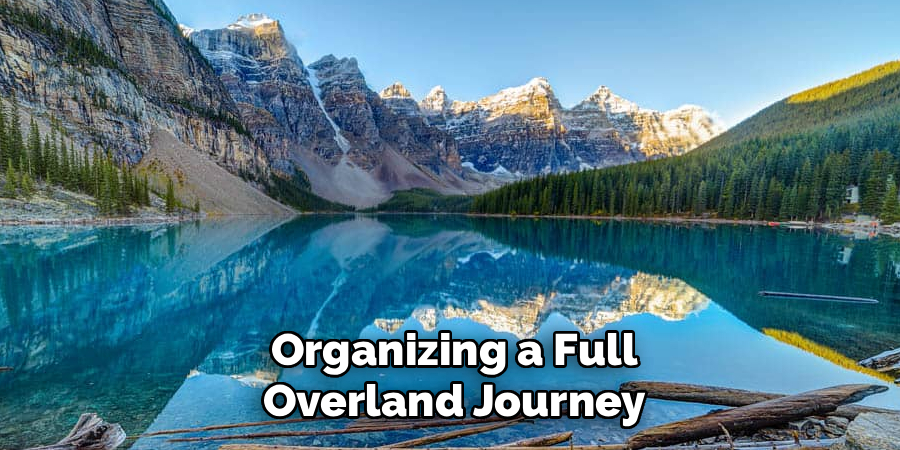
6 Smart Steps on How to Travel from Whistler to Banff
Step 1: Decide Whether You Want to Drive or Use Mixed Transport
Start by choosing between a self-drive road trip and a combination of shuttle, flight, and coach services. Driving gives you the most flexibility, especially if you want to stop in Kamloops, Revelstoke, Golden, or Lake Louise along the way. Mixed transport works better if you prefer not to handle mountain roads or long travel hours.
Think about your budget, season, and comfort level. Winter driving can be slower, while summer routes are busier. If you want a simple point-to-point plan, flying through Vancouver and Calgary may feel easier than organizing a full overland journey.
Step 2: Book Your First Leg from Whistler to Vancouver or Prepare Your Car
If you are not driving the whole way, arrange your transfer from Whistler to Vancouver early. Many travelers use a scheduled shuttle, private transfer, or rental car to reach downtown Vancouver or Vancouver International Airport. This first leg usually takes about two to two and a half hours, depending on traffic and weather.
If you are driving, check your route, fuel options, and road conditions before departure. Make sure your vehicle is ready for mountain travel, and allow extra time during weekends or holiday periods. Early preparation can make the rest of the trip much smoother.
Step 3: Choose Your Long-Distance Route to Alberta
Once you reach Vancouver or begin your road trip, choose the best long-distance route. If speed matters most, fly from Vancouver to Calgary, then continue to Banff by shuttle or rental car. If you want a more scenic and memorable experience, some travelers consider premium rail journeys like the Rocky Mountaineer for part of the route, though schedules, seasons, and costs vary.
For drivers, the overland route usually runs through the interior of British Columbia toward Alberta. Booking flights, rail seats, or rental cars in advance helps avoid limited availability during peak travel months.
Step 4: Confirm Tickets, Timing, and Baggage Details
Before travel day, review every booking carefully. Check shuttle departure points, airline baggage rules, rental car pickup times, and any transfer windows in Vancouver or Calgary. Keeping all your confirmations in one place makes it easier to stay organized, especially if your itinerary includes several transportation changes.
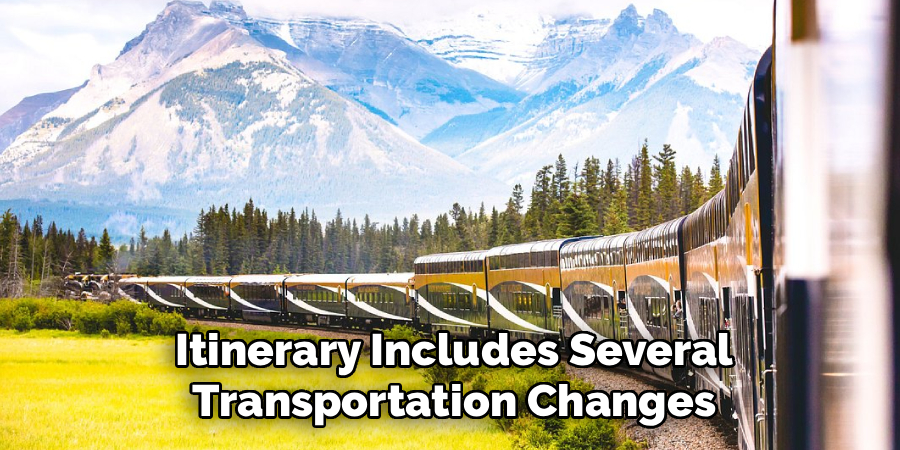
Try to save digital copies on your phone and keep screenshots for backup. If you are using a flight plus shuttle combination, leave enough time between arrival and your next connection. A little breathing room helps you avoid stress if traffic, lines, or delays affect the schedule.
Step 5: Travel to Calgary or Drive Across the Mountains
On travel day, follow your chosen plan with a bit of extra time built in. If you are flying, arrive early for check-in, baggage drop, and security. The flight from Vancouver to Calgary is usually about 1.5 hours, but total trip time will be longer once transfers are added.
If you are driving, expect a full-day journey, often around 9 to 11 hours without long sightseeing stops. Road conditions can change with weather, construction, and seasonal traffic, so steady pacing matters more than rushing through the route.
Step 6: Finish the Final Leg into Banff and Settle In
After reaching Calgary, the last stretch to Banff is simple for most travelers. Airport shuttles, private transfers, and rental cars usually take about 1.5 to 2 hours, depending on traffic and your exact drop-off point. If you are already driving from Whistler, this final part brings you straight into the heart of Banff National Park.
Once you arrive, it helps to have your hotel confirmation, local directions, and parking plan ready. Banff is compact and visitor-friendly, so getting from your arrival point to your lodge, hotel, or resort is usually straightforward.
Pros, Best & Cheapest Ways to Travel
Driving is often the best overall option because it gives you freedom, scenic stops, and direct access to small mountain towns. It is especially useful for travelers carrying outdoor gear or planning a longer Canadian Rockies itinerary. The main drawback is the long travel time and the need to stay alert on mountain highways.
The cheapest option can vary, but a flight from Vancouver to Calgary paired with a shared shuttle to Banff is often competitive if booked early. Mixed transport is convenient for non-drivers, though transfers add complexity. For most travelers, the best balance of comfort, flexibility, and value is either self-driving or using a shuttle-flight-shuttle combination.
Fastest Way to Travel
The fastest way to make the trip is usually to take a shuttle or transfer from Whistler to Vancouver, fly to Calgary, and then continue by shuttle or car to Banff. In ideal conditions, this option can take around 7 to 9 hours door to door, depending on connection times.
Still, the fastest route on paper does not always feel the quickest in real life. Waiting for transfers, checking bags, and airport travel can add time. If your hotel in Whistler and your accommodation in Banff are both outside major pickup areas, the difference between flying and driving may shrink more than expected.
Travel Essentials, Budget & Money Guide
Your budget depends on the route you choose. A self-drive trip may include rental car costs, fuel, parking, meals, and one overnight stop if you want a slower pace. A mixed itinerary often includes a Whistler-Vancouver shuttle, airfare to Calgary, and a Banff transfer, which can add up quickly during peak season.
As a rough guide, budget travelers may try to keep transportation costs moderate by booking early and traveling midweek. Cards are widely accepted in both provinces, but carrying a small amount of Canadian cash is still helpful for tips or minor purchases. ATMs are easy to find in Whistler, Vancouver, Calgary, and Banff. Pack snacks and refillable water bottles to cut down on day-of-travel spending.
Travel Documents You Must Carry
For this journey, keep a valid passport or government-issued photo ID with you at all times. International travelers should also check whether they need a visa or electronic travel authorization before entering Canada. Even on a domestic route within Canada, airlines and transport providers may ask to see matching identification and booking details.
Bring digital tickets and printed backups if possible, especially if your trip includes flights, shuttles, or premium rail services. It is also wise to carry your hotel confirmation, travel insurance details, car rental paperwork if applicable, and emergency contact information. Save copies of key documents in your email or cloud storage so you can reach them from another device if needed.
Travel Tips for a Smooth Journey
Book as early as you can, especially for summer travel, ski season, and holiday weekends. Seats on airport shuttles, flights, and popular transfers can fill fast, and prices often rise as your travel date gets closer.
Arrive early at your pickup point or airport so you are not rushed. Use travel apps for traffic, weather, and schedule updates, and pack light enough to move comfortably between transfers. Because this is a mountain journey, checking the forecast matters. If possible, avoid peak departure times around Friday afternoons, long weekends, and major vacation dates.
Travel Safety, Health & Common Mistakes
When planning How to Travel from Whistler to Banff, it helps to stay practical and organized. Use official shuttle companies, licensed taxis, trusted rideshare services where available, and recognized airlines or rail operators. Keep your wallet, passport, and phone secure in busy stations, airports, and hotel lobbies, and avoid leaving bags unattended during transfers.
One common mistake is underestimating travel time between legs of the trip. Another is packing for one climate only, even though mountain weather can shift quickly between Whistler, Vancouver, Calgary, and Banff. Bring water, snacks, layers, and any personal medication in your day bag. If you are driving, avoid starting tired and check road and weather updates before leaving.
Frequently asked questions & Emergency Information
Is there a direct train from Whistler to Banff?
No, there is no simple direct public train between Whistler and Banff. Most travelers either drive or combine shuttle, flight, and coach transportation through Vancouver and Calgary.
Is driving from Whistler to Banff worth it?
Yes, many travelers find it worth it for the scenery and flexibility. It works best if you enjoy road trips and want to stop in mountain towns.
Can I do the trip in one day?
Yes, you can complete it in one day by car or by shuttle, flight, and transfer. Still, an overnight stop can make the journey feel more relaxed.
In Canada, the general emergency number is 911. International visitors should also keep their embassy or consulate contact details saved in their phone and written in their travel notes in case they need support during a longer trip.
Conclusion
How to Travel from Whistler to Banff becomes much easier once you choose the route that matches your budget, timing, and comfort level. Whether you drive through the mountains or combine shuttle, flight, and transfer services, the journey is very manageable with a little planning.
For flexibility, driving is hard to beat. For speed, the Vancouver-to-Calgary flight route usually wins. Book early, keep your travel essentials organized, and allow extra time for weather, transfers, and mountain conditions so you can enjoy the trip from start to finish.

About
Ethan Brooks is a dedicated travel writer and tourism specialist with over a decade of experience exploring more than 150 countries. His professional focus centers on city routes and budget travel, where he combines real-world travel insights with efficient planning strategies.
Ethan is known for creating smart, well-structured travel systems that are practical, cost-effective, and easy to follow. As a core author at thetraveliy.com, he helps both first-time travelers and experienced explorers plan smooth, confident journeys.
Education
The University of Queensland (Australia) Bachelor’s Degree in Tourism Management
-
Focus: Global tourism systems, destination planning, and travel operations.
-
Specialization: Gained practical knowledge in travel logistics, itinerary development, and tourism industry structures.
Publications and Impact
At thetraveliy.com, Ethan Brooks publishes clear, structured, and experience-driven content focused on:
-
Transportation Logistics: Navigating complex transit systems with ease.
-
Itinerary Planning: Creating time-efficient schedules for any destination.
-
Budget-Friendly Solutions: Maximizing value without sacrificing the experience.
Ethan’s work simplifies complex travel decisions, making it easier for readers to plan efficient and affordable trips. By blending practical advice with real-world experience, he helps travelers create well-organized journeys while saving both time and money.