
Budget travel is a popular way to explore the world on a low budget while still having an amazing experience. Flights, hotels, food, and transport can be expensive, so careful preparation is incredibly important. Without a clear financial plan, your travel costs can increase quickly and leave you stressed.

Learning how to plan a trip to Europe for 10 days helps you manage money while still enjoying every moment of your journey. This guide shares simple planning and money-saving strategies that anyone can easily follow. It works wonderfully for solo travelers, groups of friends, and families alike. By making smart choices early, you can enjoy a comfortable and memorable vacation without breaking the bank.
Why Budget Travel Matters
Budget travel helps you control expenses and avoid financial stress before, during, and after your journey. Smart spending lets you travel longer and potentially visit more places on your itinerary. It greatly improves your daily decision-making for transportation, places to stay, and local food choices.
This approach makes international travel possible for college students, large families, and people of all income levels. It also supports long-term and frequent travel plans by stretching your dollars further. Overall, mastering these financial skills helps you travel freely and stay financially secure. You can focus entirely on making beautiful memories instead of worrying about your bank account.
8 Essential Steps on How to Plan a Trip to Europe for 10 Days
Creating a solid travel itinerary is a highly practical step-by-step process that sets you up for success. This process varies depending on your specific situation, your chosen destination, or your personal travel style. This comprehensive guide covers all major areas related to crafting the perfect European getaway. Follow these detailed steps to organize your journey safely and efficiently.
Step 1: Stay Safe by Researching Destinations
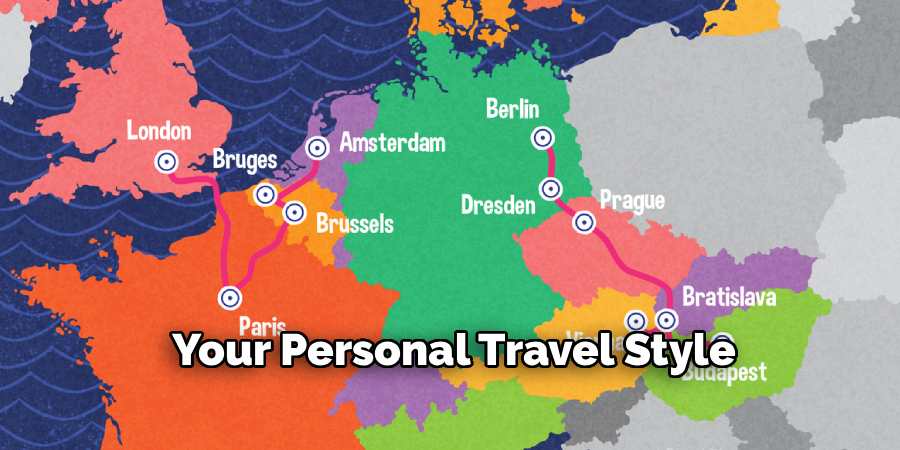
Your first task is selecting the right countries or cities that fit your budget and timeline. Look for seasonal weather patterns, local safety advisories, and general neighborhood guidelines before booking anything. Reading recent reviews from other travelers helps you understand the realities of your chosen location. This early awareness prevents you from wandering into uncomfortable or risky areas later. Choosing well-researched, traveler-friendly cities ensures a smooth start to your vacation.
Step 2: Stay Safe by Building a Realistic Budget
Setting a clear financial boundary protects you from overspending and unexpected debt. Calculate your estimated costs for flights, nightly lodging, daily meals, and local transit. Always include a small emergency fund in your calculations for unexpected situations or medical needs. This protection allows you to handle delays or sudden expenses calmly without panicking. Knowing exactly what you can afford brings immense peace of mind during your travels.
Step 3: Stay Safe by Securing Travel Insurance
Buying comprehensive travel insurance is a crucial form of protection for any international adventure. It covers medical emergencies, sudden trip cancellations, and lost luggage. Comparing different policies ensures you get the right coverage for your specific health needs and activities. If an emergency happens overseas, having reliable insurance makes handling the situation much easier. Never skip this step, as it serves as your ultimate financial safety net.
Step 4: Stay Safe by Booking Flights Early
Monitoring airline fares early gives you the best chance to secure affordable and reliable transportation. Purchasing tickets months in advance prevents you from paying exorbitant last-minute travel fees. Make sure to read the airline rules regarding luggage allowances and cancellation policies carefully. Understanding these rules protects you from surprise charges at the airport checking counter. Securing your main transit early anchors your itinerary and solidifies your upcoming travel dates.
Step 5: Stay Safe by Choosing Secure Lodging
Where you sleep plays a massive role in your overall safety and daily comfort. Book well-reviewed accommodations located in well-lit, centrally located neighborhoods close to public transit. Avoiding extremely isolated areas simply to save a few dollars is a wise prevention strategy. Read guest feedback specifically regarding building security, front desk availability, and room locks. A safe, clean home base allows you to rest easily and recharge for the next day.
Step 6: Stay Safe by Organizing Essential Documents
Gathering your travel documents early prevents stressful emergency handling at the border. Ensure your passport is valid for at least six months beyond your planned return date. Make digital copies of your identification, visa papers, and insurance details to keep on your phone. Leave another set of copies with a trusted family member or friend back home. This layered protection ensures you can always prove your identity if physical items are lost.
Step 7: Stay Safe by Packing Smart and Light
Overpacking makes moving through crowded train stations and cobblestone streets incredibly difficult and tiring. Bring versatile clothing items that you can easily mix, match, and layer depending on the weather. Keeping your bags light prevents you from becoming a distracted target for pickpockets in busy areas. It also saves you from paying hefty checked baggage fees on budget regional airlines. Traveling with just a secure carry-on bag drastically improves your mobility and personal security.
Step 8: Stay Safe by Planning Daily Transit
Figuring out how you will move between landmarks prevents confusion in unfamiliar transit stations. Download offline maps and official local transport apps before you even leave your house. Researching regional train schedules and bus routes builds your awareness of the local infrastructure. Knowing exactly how to get back to your hotel at night ensures you are never stranded. Proper transit planning keeps you safe, efficient, and firmly in control of your daily schedule.
Cheapest Ways to Travel
Using local buses, regional trains, and low-cost airlines is an excellent way to save money while moving between cities. Travel on flexible dates whenever possible, as shifting your schedule by a single day can result in cheaper flights. Figuring out how to plan a trip to Europe for 10 days affordably means booking early or grabbing last-minute deals for significant discounts.

Taking overnight buses or sleeper trains is a brilliant strategy to save on expensive hotel costs. You can also use shared rides, reputable carpooling apps, or multi-day regional transport passes. Finally, try to travel in the off-season or shoulder season for much lower overall prices and fewer crowds.
Accommodation, Transport & Money-Saving Tips
Choose comfortable budget hotels, highly-rated hostels, or shared homestays to significantly save money on lodging. Book these spaces early or actively use reputable last-minute deal platforms for better nightly prices. Stay just outside the main tourist areas or city centers to drastically reduce your hotel costs.
Use public city buses, underground metro systems, or tourist travel passes instead of relying on expensive private taxis. Eat at vibrant local markets, grocery stores, or cheap neighborhood restaurants to save money on daily meals. Remember to use digital travel apps, digital coupons, and student or senior discounts for extra daily savings.
Travel Preparation, Documents & Budget Tips
Always double-check your passport, required travel visa, physical ID, and digital tickets weeks before travel. Review border entry rules, health requirements, and strict airline luggage policies very early. Book your international flights and local hotels early to get much better prices and availability.
Get reliable travel insurance to fully cover unexpected medical emergencies and sudden trip cancellations. Pack your bags light to easily avoid extra baggage fees and physical strain during your journey. Arrange your internet access early by getting a local SIM card, enabling data roaming, or downloading offline maps.
Travel Safety & Health Tips (Budget Travel)
Budget travel may include some minor safety risks, so always stay highly alert in crowded or unfamiliar areas. Choose safe, well-reviewed accommodation to reduce potential risks and stay completely comfortable at night. Eat at clean, busy, and trusted local places to avoid food-related illness while still saving money.
Always drink safe, filtered water and maintain basic hygiene practices like frequent handwashing. Carry a small kit with basic medicines for fever, sudden stomach issues, or transport motion sickness. You must carefully balance saving money with personal safety to fully enjoy a healthy and stress-free trip.
Common Mistakes to Avoid
Last-minute travel booking often increases your overall travel costs and severely reduces your good lodging options. Ignoring hidden transit fees like heavy baggage rules, transport surcharges, and city taxes can quickly break your budget. Not setting a clear daily budget usually leads to frustrating overspending during the middle of the trip.
Choosing completely unsafe accommodation only to save a tiny amount of money can cause massive risk and discomfort. Overpacking always increases annoying baggage fees and makes daily travel physically harder than it needs to be. Finally, having absolutely no emergency backup money can create serious problems in unexpected or stressful situations.
Frequently Asked Questions
What is the ideal budget for this journey?
A reasonable budget usually ranges between moderate to low depending on your daily lifestyle choices. Staying in shared lodging, using public transit, and eating street food help keep your daily costs highly affordable.
How much time should I spend per city?
To maximize your limited time, try spending two to three full days in each major destination. This allows you to see the main attractions comfortably without feeling constantly rushed or exhausted from moving.
What is the best regional transport option?
Trains are widely considered the best and most scenic option for moving between neighboring countries. They are highly reliable, centrally located, and frequently offer excellent advance ticket discounts for savvy travelers.
Conclusion
Learning how to plan a trip to Europe for 10 days is easy when you plan your trip and control your expenses wisely. Smart, informed choices in regional transport, nightly stay, and daily spending help you save significantly more money. With proper preparation and a strong sense of safety awareness, you can easily enjoy a smooth and stress-free journey. Even on a low budget, good planning lets you travel more comfortably and experience the world much better. Stick to your budget, stay alert, and embrace the incredible adventure ahead of you.

About
Ethan Brooks is a dedicated travel writer and tourism specialist with over a decade of experience exploring more than 150 countries. His professional focus centers on city routes and budget travel, where he combines real-world travel insights with efficient planning strategies.
Ethan is known for creating smart, well-structured travel systems that are practical, cost-effective, and easy to follow. As a core author at thetraveliy.com, he helps both first-time travelers and experienced explorers plan smooth, confident journeys.
Education
The University of Queensland (Australia) Bachelor’s Degree in Tourism Management
-
Focus: Global tourism systems, destination planning, and travel operations.
-
Specialization: Gained practical knowledge in travel logistics, itinerary development, and tourism industry structures.
Publications and Impact
At thetraveliy.com, Ethan Brooks publishes clear, structured, and experience-driven content focused on:
-
Transportation Logistics: Navigating complex transit systems with ease.
-
Itinerary Planning: Creating time-efficient schedules for any destination.
-
Budget-Friendly Solutions: Maximizing value without sacrificing the experience.
Ethan’s work simplifies complex travel decisions, making it easier for readers to plan efficient and affordable trips. By blending practical advice with real-world experience, he helps travelers create well-organized journeys while saving both time and money.