

Planning a trip between two iconic North American destinations is an exciting adventure. You might be wondering how to travel to Niagara Falls from Chicago without the usual stress of trip planning. This route connects the bustling urban energy of the Windy City with the breathtaking natural beauty of the falls.

Many people make this journey every year for tourism, family vacations, or romantic getaways. Planning this trip properly saves you time, cuts down on unexpected costs, and helps you avoid travel fatigue.
You will learn about the best travel methods, average costs, and the travel time required for this itinerary. We will cover flights, trains, buses, and driving routes to give you a complete picture.
How to Get There
The journey begins by choosing your preferred departure point, which is often O’Hare International Airport or Midway International Airport. Travelers typically reach these starting points using local transit, rideshares, or private vehicles.
Major routes include direct flights, the Amtrak railway system, long-distance buses, and road trips via Interstate 90. Travel durations vary wildly depending on your chosen method. A flight takes just a couple of hours, while driving or taking a train can take an entire day.
These transportation methods are available daily, offering great flexibility for your schedule. The route generally heads east through Indiana, Ohio, and Pennsylvania before reaching upstate New York. It is a straightforward path that is easy to follow on any modern navigation app.
6 Simple Steps on How to Travel to Niagara Falls From Chicago
Breaking your journey down makes the entire process highly manageable. There are multiple ways to reach your destination, and planning is essential.
Step 1: Choose Your Transport
Selecting the right mode of transportation sets the tone for your entire vacation. You can choose to fly, drive, take a train, or book a bus ticket.

Flying takes around two hours of airtime, while driving or taking a bus requires about eight to ten hours. The average cost ranges from relatively cheap bus fares to moderately priced airline tickets.
Comfort levels vary greatly depending on whether you prefer the legroom of a train or the speed of a plane. Flights and trains run daily, making this an excellent option for travelers who value flexibility.
Step 2: Book Your Tickets or Map Your Route
Securing your reservations early is the best way to guarantee a smooth departure. Flight and train tickets should be purchased weeks in advance to secure the best possible rates.
If you decide to drive, mapping your route on a GPS app is a vital preparatory step. Driving takes roughly eight to nine hours of continuous travel, not including rest stops.
The cost of driving consists mainly of fuel and highway tolls, which usually fall into the budget category. This option offers a high level of comfort since you control the environment. Driving is best for families or groups wanting maximum flexibility along the way.
Step 3: Prepare Your Travel Documents
Gathering your paperwork early prevents last-minute panic at the airport or border crossing. You will need a government-issued ID for domestic travel and a passport if you plan to visit the Canadian side of the falls.
Organizing these items takes only a few minutes but provides immense peace of mind. There is no direct travel cost associated with this step, but it is mandatory for all passengers.
This process ensures a high comfort level during transit since you will not face administrative delays. Having your documents ready is essential for all types of travelers, regardless of their chosen transport.
Step 4: Pack for the Journey and the Falls
Packing appropriately ensures you remain comfortable during transit and upon arrival at the destination. The weather near the falls can be misty and cool, so bringing a waterproof jacket is highly recommended.
The time spent packing varies, but doing it the night before departure is a smart strategy. Costs are negligible unless you need to purchase specific travel gear or luggage.

Comfort is greatly enhanced when you have the right clothing, snacks, and entertainment packed for the road. This step is crucial for budget travelers who want to avoid buying overpriced items at tourist shops.
Step 5: Navigate Your Departure
Arriving at your departure point with plenty of time to spare minimizes travel anxiety. Whether you are heading to the airport, the train station, or hitting the highway, an early start is beneficial.
Travel time to your departure hub depends on local traffic, so plan accordingly. The cost of local transit or airport parking should be factored into your mid-range budget estimate.
Starting your trip with a relaxed mindset offers a high level of comfort and sets a positive tone. This approach is best for anyone who dislikes rushing and prefers a calm, organized travel experience.
Step 6: Arrive and Explore Niagara Falls
Reaching your destination is the final and most rewarding part of the process. Upon arrival, you will likely need a quick ride-share or taxi to reach your hotel from the airport or station.
This final transit leg usually takes less than an hour, depending on your exact accommodation location. Costs for local taxis or shuttles are generally reasonable and fit well within a standard travel budget.
Settling into your room provides a high level of comfort after a long day of moving. This step is exciting for everyone, marking the official start of your scenic vacation.
Pros and Cons of Each Travel Option
Every transportation method comes with its own unique set of advantages and disadvantages. Flying is incredibly fast and convenient, but it can be the most expensive choice and involves airport security lines.
Driving offers total flexibility and is great for carrying extra luggage, but it requires a long day of focus behind the wheel. The train provides a relaxing, scenic experience with plenty of legroom, though it is often the slowest option available.
Buses are highly economical for budget-conscious travelers, yet they offer the lowest comfort level and take significant time. Reviewing these trade-offs helps you align your choice with your personal priorities.

Best Way to Travel
Flying is generally considered the most efficient and practical method for this specific itinerary. It provides an excellent balance of time-saving convenience and manageable costs if booked early.
You can depart in the morning and go sightseeing by the early afternoon. The reliability of daily flights from major airports ensures that you have plenty of scheduling options.
While driving is a solid alternative for large families, flying removes the physical exhaustion of a long road trip. It caters perfectly to the average traveler looking for a hassle-free vacation.
Cheapest Way to Travel
Taking an interstate bus is undoubtedly the most economical way to reach your destination. Tickets are often available at a fraction of the cost of airfare, making it ideal for tight budgets.
This low price tag exists because you are sharing the journey with many other passengers over a longer duration. The main trade-off is the extended travel time, which can easily exceed twelve hours with stops.
Buses run regularly, but schedules may be less flexible than driving yourself. Booking early and traveling during off-peak days will help you secure the lowest possible fare.
Fastest Way to Travel
Booking a direct flight is the absolute quickest method to cover the distance between these two locations. The actual time spent in the air is barely over an hour and a half.
Even when you factor in security checks and boarding procedures, it remains significantly faster than any ground transport. This speed allows you to maximize your actual vacation time rather than spending days in transit.
Direct flights are readily available, offering a seamless and highly convenient experience. The time saved easily justifies the slightly higher ticket price for most travelers.
Travel Documents You Must Carry
A valid state-issued ID or driver’s license is mandatory for boarding domestic flights or trains. If you intend to cross the border to view the Canadian side of the falls, a valid passport is absolutely required.
Keep digital and printed copies of your boarding passes and hotel confirmations easily accessible. Travel insurance documents should also be kept on hand in case of unexpected medical or transit issues.
Carry your necessary debit and credit cards in a secure wallet or travel pouch. Organizing these papers in a dedicated folder prevents unnecessary delays during security checks.
Estimated Budget & Money-Saving Tips
An average mid-range trip will cost a few hundred dollars per person, covering transport, food, and lodging. Transport will likely be your largest expense, followed by accommodation near the tourist center.
To save money, consider booking your tickets well in advance and traveling during the shoulder season. Utilizing local public transit instead of relying solely on taxis will keep your daily spending low.
Look out for bundled attraction passes that offer discounts on popular sightseeing tours. Practical financial planning ensures you enjoy your trip without stressing over the final bill.

Currency & Money Management
The primary currency used on the American side is the United States Dollar. If you cross into Canada, you will encounter the Canadian Dollar, though many border businesses accept both.
Credit and debit cards are universally accepted at almost all restaurants, hotels, and attractions. Contactless payment is highly common and provides a fast, secure way to handle transactions.
It is wise to carry a small amount of cash for tipping or purchasing items from smaller vendors. Avoid high currency conversion fees by checking your bank’s international policies before you leave home.
Internet & WiFi Availability
Staying connected is remarkably easy throughout this entire travel corridor. Major airports, train stations, and bus terminals almost always provide complimentary public WiFi for travelers.
Most hotels and cafes in the tourist districts offer fast and reliable internet access to their patrons. While urban coverage is excellent, you may experience brief dead zones if you drive through rural areas.
Using your mobile data plan is a reliable backup when public networks are slow. Always ensure you connect to secure, password-protected networks to protect your personal information.
Travel Tips
Planning your itinerary ahead of time is the best way to ensure a seamless vacation experience. Learning how to travel to Niagara Falls from Chicago is much easier when you map out your daily activities in advance.
Arrive at your departure terminals early to avoid the stress of rushing through security. Pack light, versatile clothing that can be layered, as the weather near the water can change rapidly.
Check the local forecast a few days before departure to make any necessary packing adjustments. Download offline maps and official transit apps to navigate the area smoothly upon arrival.
Travel Safety, Common Scams & Mistakes to Avoid
Maintaining basic situational awareness is essential whenever you visit a major tourist destination. Be cautious of unofficial taxis or rideshare drivers who refuse to use a meter or an app.
Verify all tour guide services and purchase attraction tickets directly from official vendors to avoid counterfeits. Keep your personal belongings, such as wallets and phones, secure in zipped compartments while in crowded areas.
Never hand over your passport or credit card to someone offering unsolicited help on the street. Staying alert and making informed decisions will keep your trip pleasant and entirely secure.

Safety & Health Precautions
Staying healthy on the road is just as important as keeping your belongings secure. Drink plenty of bottled or filtered water throughout the day, especially if you are walking extensively.
Wash your hands frequently and carry a small bottle of hand sanitizer for use after touching public transit surfaces. Packing a basic first-aid kit with pain relievers and bandages is a highly practical preventative measure.
Dress appropriately for the mist to avoid getting chilled during your sightseeing tours. Being cautious and proactive ensures that a minor headache or blister does not ruin your day.
Emergency Contacts & Useful Links
Knowing who to call in a crisis provides a vital layer of security during your trip. Dialing 911 will connect you immediately to police, fire, or medical emergency services anywhere in the area.
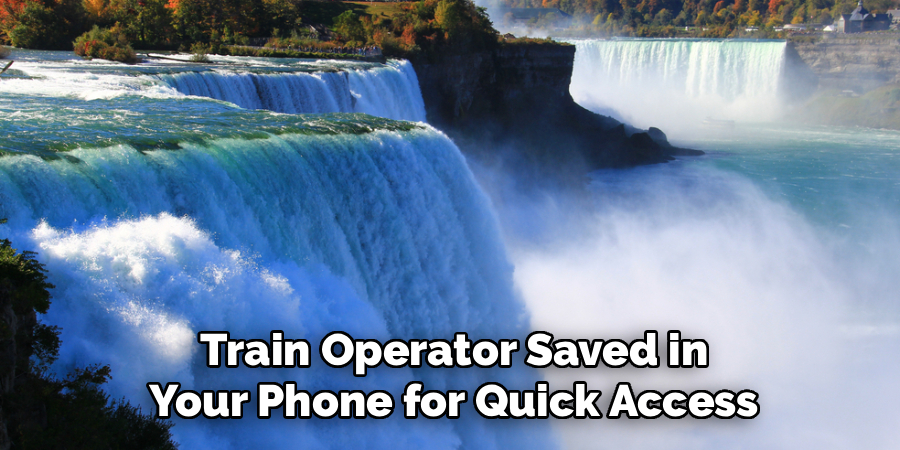
Keep the customer service numbers for your airline or train operator saved in your phone for quick access. It is also helpful to have the contact information for your hotel’s front desk readily available.
Familiarize yourself with the location of the nearest urgent care clinic or hospital upon arrival. Saving these contacts offline ensures you are prepared even if you temporarily lose cellular service.
Frequently Asked Questions
What is the best time of year to visit?
The summer months offer the warmest weather and full access to all boat tours. However, visiting in early autumn provides cooler temperatures and beautiful foliage with fewer crowds.
Do I need a passport for this trip?
You only need a passport if you plan to cross the international border into Canada. Staying strictly on the New York side only requires a standard state-issued identification card.
How to Travel to Niagara Falls from Chicago efficiently?
Flying directly into the nearby Buffalo region is the most efficient method available. It drastically reduces your transit time, allowing you to maximize your actual vacation and sightseeing hours.
Conclusion
Learning how to travel to Niagara Falls from Chicago is an exciting process that sets the stage for a wonderful trip. Reviewing your transit options ensures that you select a method perfectly suited to your budget and comfort preferences.
This journey is incredibly safe, well-documented, and accessible for travelers of all experience levels. Proper planning allows you to focus entirely on the breathtaking scenery once you arrive. Always double-check your departure times the night before to guarantee a perfectly smooth start to your vacation.

About
Ethan Brooks is a dedicated travel writer and tourism specialist with over a decade of experience exploring more than 150 countries. His professional focus centers on city routes and budget travel, where he combines real-world travel insights with efficient planning strategies.
Ethan is known for creating smart, well-structured travel systems that are practical, cost-effective, and easy to follow. As a core author at thetraveliy.com, he helps both first-time travelers and experienced explorers plan smooth, confident journeys.
Education
The University of Queensland (Australia) Bachelor’s Degree in Tourism Management
-
Focus: Global tourism systems, destination planning, and travel operations.
-
Specialization: Gained practical knowledge in travel logistics, itinerary development, and tourism industry structures.
Publications and Impact
At thetraveliy.com, Ethan Brooks publishes clear, structured, and experience-driven content focused on:
-
Transportation Logistics: Navigating complex transit systems with ease.
-
Itinerary Planning: Creating time-efficient schedules for any destination.
-
Budget-Friendly Solutions: Maximizing value without sacrificing the experience.
Ethan’s work simplifies complex travel decisions, making it easier for readers to plan efficient and affordable trips. By blending practical advice with real-world experience, he helps travelers create well-organized journeys while saving both time and money.