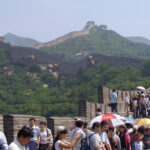

Figuring out how to travel to Great Wall of China is the first step toward an unforgettable adventure. As one of the world’s most iconic monuments, this ancient marvel offers breathtaking nature, rich culture, and incredible hiking activities.

Proper travel planning is highly recommended because it saves you time, reduces your overall cost, and helps you avoid unnecessary confusion upon arrival. In this guide, you will learn everything about local transport, estimated costs, safety tips, and packing your travel essentials.
Navigating the area is surprisingly straightforward once you understand the local transportation network. Let’s dive into everything you need to know to make your visit smooth and stress-free.
Best Time to Visit & Seasonal Weather
The most comfortable months to visit this historic monument are during the spring and autumn seasons. Spring brings mild temperatures and beautiful blooming flowers, while autumn offers crisp air and stunning, colorful foliage.
Summer can be hot, humid, and rainy, which might make hiking a bit more exhausting. Winter is bitterly cold but offers a breathtaking, crowd-free experience if you enjoy snow-covered landscapes.
Budget travelers often prefer the off-season, though peak times offer the best sightseeing weather. Always check the dates for major national holidays, as domestic crowds surge during these events.

Visa & Entry Requirements for Tourists
Most international travelers require a pre-approved tourist visa to enter the country. It is essential to secure this documentation well before your planned journey begins.
Your passport must have at least six months of validity remaining from your date of entry. During the application process, you will likely need to provide a return ticket, confirmed hotel bookings, and proof of sufficient funds.
Once you arrive, the immigration check is usually a smooth process involving a brief arrival card. Always verify the specific visa duration granted, as overstaying can lead to significant penalties.
Travel Requirements
Carrying the right documents is crucial for a hassle-free trip. You must always have your original passport, a valid visa, and a physical or digital copy of your ID.
Health requirements are generally standard, but it is always wise to carry a basic travel insurance policy that covers medical emergencies. Airline rules dictate that you must have a return or onward ticket ready to show at check-in.
Immigration officials may also ask for proof of your accommodation, such as a printed hotel booking. Keeping a printed itinerary and bank statements handy will ensure you meet all financial proof requirements easily.
How to Get There
The nearest major aviation hub is Beijing Capital International Airport, which welcomes flights from all over the globe. From there, travelers typically head into central Beijing to connect with local transit options heading toward the monument.
Major routes include high-speed rail, dedicated tourist buses, and private car hires. The general travel duration from the city center ranges from one to two hours, depending on the section you choose to visit.
Daily trains and regular buses make transportation highly accessible and frequent for all visitors. Checking a digital route map beforehand will give you a solid understanding of how the journey connects.

6 Essential Steps to How to Travel to Great Wall of China
Step 1: Choose Your Preferred Section
Your journey begins by deciding which section of the monument fits your travel style. Badaling is the most famous and crowded, while Mutianyu offers a great balance of restored paths and fewer crowds.
This decision impacts your overall travel time, which typically takes about 90 minutes from the city. The cost is quite low if you use public transport, making it an excellent option for budget travelers.
Comfort levels are generally medium, as buses and trains are modern and air-conditioned. This step is perfect for anyone wanting to tailor their itinerary to their specific fitness level.
Step 2: Take the High-Speed Train
Riding the high-speed train is a fantastic and scenic way to reach the Badaling section. Trains depart frequently from Beijing Qinghe Railway Station and arrive in just under 30 minutes.
The cost is very affordable, falling easily into a budget-friendly range for most tourists. Comfort is exceptionally high, as the modern carriages offer spacious seating and large viewing windows.
This option operates daily with multiple departures, making it incredibly flexible for early birds. It is best suited for fast-paced travelers who want to maximize their sightseeing time.
Step 3: Ride the Tourist Bus
Tourist buses provide a direct transportation method to various sections, such as Mutianyu. The ride typically takes about an hour and a half, depending on morning traffic conditions.
Ticket prices are highly economical, usually costing just a few dollars each way. The comfort level is medium, as buses can get quite full during peak seasonal months.
Departures are frequent in the mornings, ensuring you can start your hike early in the day. This option is ideal for budget travelers who prefer a direct route without navigating train transfers.
Step 4: Hire a Private Car
Booking a private car or taxi offers the ultimate convenience and flexibility for your trip. The drive takes roughly one to two hours, and you can depart directly from your hotel lobby.
This is a mid-range to luxury cost option, but it can be split among a group of friends or family. Comfort is incredibly high, providing privacy and the ability to travel at your own pace.

Availability is essentially limitless, as you can arrange a driver for any day or time. It is the perfect choice for families with young children or those seeking maximum comfort.
Step 5: Join a Guided Tour
Booking a guided tour removes all the stress of planning and navigating foreign public transit. These tours usually last a full day, including hotel pickup, travel time, and guided hiking.
Prices fall into the mid-range category, often covering your entry tickets and a local lunch. Comfort is high, as you travel in air-conditioned coaches with an expert speaking your language.
Tours run daily and are widely available through hotels or online booking platforms. This option is highly recommended for solo travelers or those who want an educational experience.
Step 6: Secure Your Entry Tickets
Once you arrive at the base of your chosen section, purchasing entry tickets is the final step. The process takes just a few minutes, though wait times can increase during busy holiday weekends.
Ticket costs are very budget-friendly, and you can also pay extra for cable car rides. Comfort is medium, as you will need to stand in line unless you book online in advance.
Ticket booths are open daily from early morning until late afternoon. This is a mandatory step for every visitor, so having local currency ready is a helpful practical tip.
Pros and Cons of Each Travel Option
Every transportation method has its own distinct advantages and disadvantages to consider. Trains are incredibly fast and avoid road traffic, but they only service specific, busier sections of the monument.
Buses are very cheap and drop you near the entrance, though they can be delayed by heavy city traffic. Private cars offer unmatched flexibility and comfort, yet they are significantly more expensive than public transit.
Guided tours provide wonderful historical context, but they limit your freedom to explore independently. Reviewing these options helps you quickly compare what matters most for your specific journey.
Best Way to Travel
For the average traveler, taking a dedicated tourist bus or a guided tour is often the best overall travel option. It provides an excellent balance of affordable cost, reasonable travel time, and reliable convenience.
You won’t have to worry about complicated train transfers or navigating language barriers at local stations. These services are highly reliable, widely available, and cater specifically to international visitors.
While a private car is undeniably more comfortable, the tourist bus offers the most practical value for your money. It keeps the decision simple so you can focus purely on enjoying the incredible views.

Top Attractions & Must-Visit Places
- Mutianyu Section: Famous for its beautifully restored watchtowers and the thrilling toboggan ride down the mountain.
- Badaling Section: The most accessible and historically significant area, perfect for first-time visitors with limited time.
- Jinshanling Section: A paradise for avid hikers and photographers looking for original, unrestored architecture.
- Jiankou Section: A rugged, completely wild area recommended only for highly experienced adventurers.
- The Cable Cars: Available at major sections, offering breathtaking aerial views and saving your energy for walking the wall itself.
Best Areas to Stay
Staying in the Dongcheng or Xicheng districts of central Beijing is perfect for first-time visitors. These areas offer easy access to subway lines, restaurants, and buses heading to the mountains.
For a unique experience, you can book a charming boutique guesthouse in Mutianyu village right near the monument. This allows you to wake up early and beat the tourist crowds to the entrance.
Accommodation options range from budget-friendly hostels to luxurious international hotel chains. Always ensure your chosen hotel is located reasonably close to major transportation hubs for maximum convenience.
Food & Local Cuisine
Exploring the local cuisine is a massive highlight of any trip to this region. You must try the world-famous Peking roast duck, known for its crispy skin and rich flavor.

For a quick and budget-friendly meal, steaming baskets of local dumplings are absolutely delicious. Street food markets offer a massive variety of snacks, from savory pancakes to candied hawthorn berries.
Most typical meals fall comfortably into the budget to mid-range price category. Vegetarian options are widely available; just be sure to learn a few basic phrases to communicate your dietary needs.
Travel Cost & Time
Understanding your expected travel cost and time will help you build a realistic daily itinerary. Budget travelers can easily explore the area for under fifty dollars a day by utilizing public transit and eating locally.
Mid-range travelers should expect to spend around one hundred dollars, which includes comfortable taxis and nicer restaurant meals. A bus ride from the city center takes about ninety minutes, while the high-speed train cuts that time to just thirty minutes.
Always factor in extra travel time if you are moving around during the morning or evening rush hours. Costs and crowds peak significantly during national holidays, so plan your visit on a normal weekday if possible.
Estimated Budget & Money-Saving Tips
An estimated mid-range budget for a day trip to the monument is roughly forty to sixty dollars per person. This covers your bus fare, entry tickets, a round-trip cable car ride, and a hearty lunch.
To save money, rely heavily on the city’s fantastic public subway and bus networks instead of taxis. Booking your accommodation and flights early can also drastically reduce your overall expenses.
Consider bringing your own water and snacks, as vendor prices naturally increase the higher you climb. Taking advantage of multi-day transit passes is another simple way to keep your wallet happy.
Currency & Money Management
The local currency is the Chinese Yuan (RMB), and it is vital to understand the approximate exchange rate before arriving. While cash is still accepted, digital payments via mobile apps are deeply integrated into daily life here.
ATMs are widely accessible at the airport and throughout the city center for easy cash withdrawals. It is always wise to carry a small amount of cash for minor purchases at rural vendor stalls.
To avoid high conversion fees, check if your home bank offers a travel-friendly debit card. Always keep your cash and credit cards in separate, secure places while navigating crowded tourist zones.
Connectivity: SIM Cards & Essential Travel Apps
Staying connected is incredibly easy with local SIM cards available directly at the airport arrivals hall. Major providers like China Mobile offer affordable data plans with excellent speed and widespread coverage.
If your phone supports it, purchasing a pre-paid eSIM before your journey is highly convenient. You will need your passport to register any physical SIM card purchased locally.
Essential travel apps include digital maps, translation tools, and ride-sharing platforms to navigate the city. Downloading offline maps is a great backup plan when exploring more remote mountain areas.

Language & Local Etiquette
Mandarin is the official language, and while English is understood in major hotels, it is limited in rural areas. Learning a simple “Ni hao” (hello) and “Xie xie” (thank you) goes a long way with the locals.
Cultural norms value respect, patience, and politeness, especially when interacting with older generations. Dress codes are generally casual, but wearing comfortable, modest athletic clothing is best for hiking.
Tipping is not a standard practice in restaurants or taxis, so you do not need to leave extra change. Always be polite and avoid speaking loudly while using public transit or visiting historical exhibits.
Travel Tips
Learning exactly how to travel to Great Wall of China is mostly about preparation and timing. Planning your route and booking your entry tickets in advance will save you from long queues.
It is highly recommended to arrive at the bus stations or train terminals early to secure a good seat. Keep your passport and travel insurance documents organized in a secure, waterproof pouch.
Pack light, but smart; comfortable walking shoes and sun protection are absolute travel essentials. Always check the local weather forecast the night before so you can dress in appropriate layers.
Travel Safety, Common Scams & Mistakes to Avoid
General safety in the region is exceptionally high, and violent crime against tourists is incredibly rare. However, visitors should remain aware of common tourist scams, such as overly expensive tea-tasting invitations.
Always use official, metered taxis and avoid drivers who approach you aggressively at the airport or train station. If a service or tour price seems suspiciously low, it is best to verify it through your hotel.
Keep your smartphone and wallet securely zipped in your front pockets while in crowded subway cars. Staying alert and trusting your instincts will ensure your trip remains completely incident-free.
Safety & Health Precautions
Maintaining good health and hygiene is essential for enjoying your strenuous hiking adventure. Drink plenty of bottled water to stay hydrated, and only eat at busy, reputable food stalls.
The steep, uneven stairs on the monument can be physically demanding, so pace yourself carefully to avoid injury. Carrying a small first-aid kit with basic bandages and pain relievers is always a smart precaution.
Be cautious of large crowds on steep sections, and always use the handrails provided. Keeping a list of local emergency contacts saved on your phone will provide excellent peace of mind.

Frequently Asked Questions
What is the easiest way to figure out how to travel to Great Wall of China?
The absolute easiest way is to book a direct tourist bus or a guided day tour from central Beijing. This removes the stress of navigating train schedules and guarantees a comfortable, straightforward journey.
How much does a day trip usually cost?
A basic day trip using public transport can cost as little as twenty to thirty dollars. If you include private transfers, cable cars, and a nice meal, expect to spend closer to eighty dollars.
Do I need a high fitness level to visit?
Not necessarily, as many restored sections feature cable cars that take you directly to the top. However, walking along the uneven pathways does require a moderate amount of mobility and comfortable shoes.
Conclusion
Now that you know how to travel to Great Wall of China, you are fully prepared for the trip of a lifetime. The journey is incredibly safe, highly accessible, and offers a profound connection to ancient history.
By organizing your travel essentials and planning your transport early, you will avoid unnecessary stress. Take your time, soak in the majestic mountain views, and remember to wear your most comfortable walking shoes!

About
Ethan Brooks is a dedicated travel writer and tourism specialist with over a decade of experience exploring more than 150 countries. His professional focus centers on city routes and budget travel, where he combines real-world travel insights with efficient planning strategies.
Ethan is known for creating smart, well-structured travel systems that are practical, cost-effective, and easy to follow. As a core author at thetraveliy.com, he helps both first-time travelers and experienced explorers plan smooth, confident journeys.
Education
The University of Queensland (Australia) Bachelor’s Degree in Tourism Management
-
Focus: Global tourism systems, destination planning, and travel operations.
-
Specialization: Gained practical knowledge in travel logistics, itinerary development, and tourism industry structures.
Publications and Impact
At thetraveliy.com, Ethan Brooks publishes clear, structured, and experience-driven content focused on:
-
Transportation Logistics: Navigating complex transit systems with ease.
-
Itinerary Planning: Creating time-efficient schedules for any destination.
-
Budget-Friendly Solutions: Maximizing value without sacrificing the experience.
Ethan’s work simplifies complex travel decisions, making it easier for readers to plan efficient and affordable trips. By blending practical advice with real-world experience, he helps travelers create well-organized journeys while saving both time and money.