

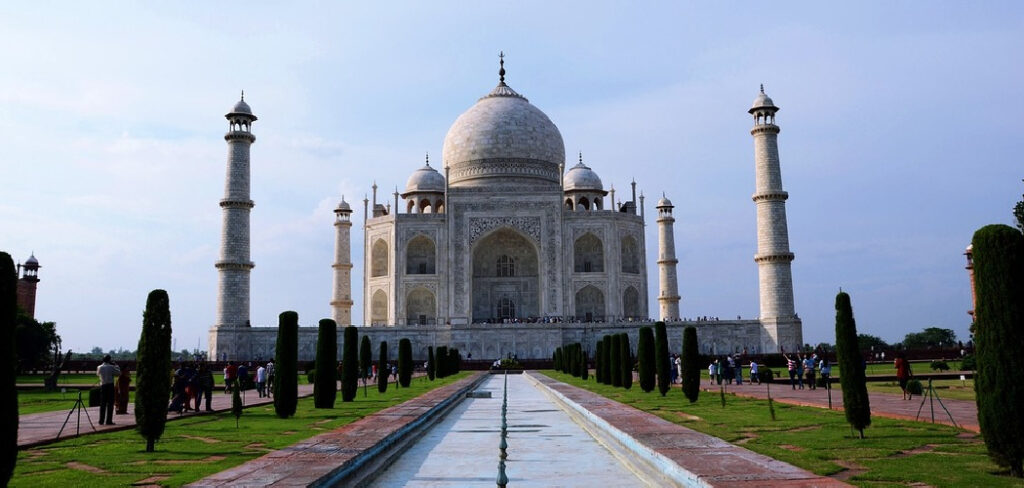
Welcome to Agra, home to one of the most magnificent wonders of the world. Understanding how to travel to Taj Mahal is the first step toward experiencing its breathtaking beauty in person.
Proper travel planning is incredibly important because it saves you valuable time and reduces unexpected costs. It also helps you avoid unnecessary confusion upon arrival in a bustling new city.
In this guide, you will learn everything from local transport and budget requirements to essential travel tips. Getting around the city is relatively straightforward, with plenty of taxis, auto-rickshaws, and electric buses readily available.
Best Time to Visit & Seasonal Weather
The absolute best months to visit this iconic monument are between October and March. During this pleasant winter season, the weather is beautifully mild and comfortable for outdoor sightseeing.
Summer months, spanning from April to June, bring intense heat and high humidity. This climate can make daytime exploration quite exhausting for unaccustomed travelers.
The rainy season runs from July to September, offering lush views but occasional heavy downpours. The peak season falls in winter, meaning larger crowds but the most agreeable climate for everyone. Budget travelers might prefer the shoulder months to avoid the biggest crowds while still enjoying reasonable weather.

Visa & Entry Requirements for Tourists
Most international travelers require a valid visa to enter India and visit this historic landmark. Thankfully, the country offers an easily accessible eVisa system for citizens of over 160 different countries.
Your passport must be valid for at least six months from your date of arrival. It must also contain at least two blank pages for immigration stamping.
During the application process, you might need to show a return ticket and proof of sufficient funds. Immigration checks at the airport are standard, requiring you to present your printed eVisa and an arrival card. Tourist eVisas generally allow stays ranging from 30 days up to a full year, depending on your specific application.
Travel Requirements
Before your journey begins, ensure you have your physical passport, approved visa, and any required government IDs packed safely. While there are no strict mandatory health forms right now, having routine vaccinations up to date is highly recommended.
Purchasing comprehensive travel insurance is an incredibly smart move to cover any unexpected medical emergencies. You should also keep a copy of your return or onward flight ticket easily accessible on your smartphone.
Immigration officers may occasionally ask for proof of your hotel booking or your host’s exact address. Lastly, having a recent bank statement or a reliable credit card proves you can financially support your stay.
How to Get There
The nearest major international gateway is Indira Gandhi International Airport in New Delhi. From New Delhi, travelers typically reach Agra via a scenic train ride or a comfortable drive along the Yamuna Expressway.
You can easily choose between domestic flights, express trains, comfortable private cars, or budget-friendly buses. The journey usually takes around three to four hours by road, or less than two hours on the fastest express trains.
Transport options are highly frequent, with multiple trains and buses departing daily from the capital. Connecting your route from the airport to the train station or bus terminal is quite simple using local cabs.

6 Simple Steps to How to Travel to Taj Mahal
This section breaks down the main travel options to help you plan your ideal route. Because there are multiple ways to travel, you can easily find a method that perfectly suits your budget and timeline.
Step 1: Fly into New Delhi
The most common starting point for international visitors is flying directly into Indira Gandhi International Airport. This option offers incredible convenience because it connects seamlessly to ground transportation heading toward Agra.
Your travel time will vary based on your origin country, but the airport transfer into the city takes just an hour. Costs are generally moderate, depending on your airline and how early you book your international tickets.
This step provides a high level of comfort and is absolutely ideal for almost all overseas tourists. Flying into the capital gives you the perfect central hub to organize the rest of your overland journey.
Step 2: Take the Gatimaan Express Train
Taking the train from Delhi to Agra is widely considered the fastest and most efficient overland option available. The Gatimaan Express departs daily and offers air-conditioned comfort along with complimentary onboard meals.
The entire train journey takes only about one hour and forty minutes, flying past beautiful rural landscapes. A standard ticket usually falls within the mid-range budget, making it an excellent overall value for your money.
This option is perfect for travelers who want to maximize their sightseeing time without spending hours in highway traffic. Always book your train tickets well in advance through the official railway portal to securely reserve your seat.
Step 3: Hire a Private Taxi
Booking a private car from New Delhi provides the ultimate flexibility and highly convenient door-to-door service. You can depart directly from your hotel or the airport and head straight to Agra via the fast Yamuna Expressway.
The drive takes around three to four hours, heavily depending on the current traffic conditions leaving the capital. While this is the most expensive ground transport option, the high comfort level makes it incredibly popular.
Families or groups will find this method particularly ideal since you can easily split the cost. Make sure to negotiate the fare beforehand or use a trusted prepaid taxi service for peace of mind.
Step 4: Board an Intercity Bus
If you are traveling on a strict budget, catching an intercity bus is a fantastic and highly economical choice. Numerous government and private buses run daily between Delhi and Agra, offering varying levels of onboard comfort.
The journey typically takes around four hours, though heavy city traffic can extend this travel time slightly. Tickets are incredibly cheap, making this the best possible option for backpackers and budget-conscious adventurers.
While comfort levels are lower than in a private car, upgrading to an air-conditioned Volvo bus improves the experience significantly. Try to book your seats online a day before ensure you get a comfortable spot near the front.
Step 5: Navigate Local Transport in Agra
Once you arrive in the city, you will need to navigate local transport to reach the actual monument. Auto-rickshaws and cycle-rickshaws are readily available right outside the main train station and local bus terminals.
The ride to the main gates usually takes about fifteen to thirty minutes, depending on your exact drop-off point. Prices are highly affordable, but it is deeply important to agree on the fare before starting your ride.
This option provides a medium level of comfort while allowing you to intimately experience the bustling local streets. Budget travelers and those looking for an authentic local experience will thoroughly enjoy these quick, breezy rides.
Step 6: Use the Free Electric Shuttle
To protect the beautiful white marble from pollution, motorized vehicles are entirely banned near the monument’s immediate vicinity. You must park in a designated area and take a government-operated electric shuttle for the final stretch.
This short journey takes less than ten minutes and drops you right near the main ticketing gates. The shuttle service is completely free and operates continuously throughout the day for maximum visitor convenience.
It offers a moderate comfort level and is absolutely mandatory for everyone approaching the historical site. Simply follow the clear signs from the parking lot, and you will be on your way seamlessly.
Pros and Cons of Each Travel Option
Every single mode of transportation comes with its own unique set of advantages and disadvantages. Flights into Delhi are fast and convenient, but they can be quite costly depending on your departure city.
Trains are incredibly speedy and comfortable, though securing a ticket during peak season requires advanced planning. Private cars offer unmatched flexibility and door-to-door service, but they represent the most expensive overland route available.
Buses are wonderfully cheap and frequent, yet they can be much slower and slightly less comfortable than other methods. Reviewing these factors makes it very easy to compare options and choose what works best for you.
Best Way to Travel
The absolute best overall option is taking the Gatimaan Express train from New Delhi directly to Agra. This method perfectly balances time, cost, and comfort for the vast majority of international and domestic visitors.
You avoid the unpredictable highway traffic while enjoying a clean, fully air-conditioned environment with assigned seating. It provides incredible reliability, ensuring you arrive in Agra with plenty of energy for exploring the grounds.
This balanced approach caters wonderfully to both mid-range travelers and those seeking maximum convenience without overspending.
Top Attractions & Must-Visit Places
Beyond the main monument, this historic city holds several incredible sites you simply must explore during your stay. Agra Fort is a stunning red sandstone fortress that offers breathtaking panoramic views across the river.
Mehtab Bagh provides a peaceful garden setting perfect for watching the sunset entirely away from the massive crowds. The Tomb of Itimad-ud-Daulah showcases intricate marble inlay work and is wonderfully quiet compared to other landmarks.
First-time visitors should definitely dedicate a full weekend to properly appreciate all these magnificent historical treasures.
Best Areas to Stay
Taj Ganj is undoubtedly the best neighborhood to stay in due to its incredible walking proximity to the monument. Here, you will find diverse options ranging from luxury five-star resorts to highly affordable backpacker hostels.
Staying in this immediate area means you can easily walk to the entry gates long before sunrise. Fatehabad Road is another excellent area, packed with comfortable mid-range hotels and fantastic local dining options.
First-time visitors will deeply appreciate the safety, convenience, and vibrant atmosphere these central neighborhoods consistently provide.
Food & Local Cuisine
The local culinary scene is a vibrant mix of rich Mughlai flavors and highly popular street food delights. You absolutely must try Petha, a famous translucent sweet made from ash gourd that comes in various delicious flavors.
Bedmi Puri paired with spicy potato curry is a highly popular breakfast choice that will keep you energized for sightseeing. A typical mid-range meal in a comfortable, air-conditioned restaurant is surprisingly affordable and incredibly filling.
Vegetarians and vegans will also find plenty of amazing dietary options throughout the city’s diverse eateries.

Travel Cost & Time
An average day exploring the city is highly affordable compared to many other global tourist destinations. Budget travelers can comfortably manage on a very small daily allowance, covering basic meals, local transport, and budget stays.
Mid-range visitors will spend slightly more for air-conditioned rooms, guided tours, and comfortable restaurant dining. Travel times between major attractions are generally short, usually taking less than thirty minutes by auto-rickshaw.
Traveling during the off-peak season can significantly lower your accommodation costs while greatly reducing waiting times at ticket counters.
Estimated Budget & Money-Saving Tips
A realistic mid-range budget for a two-day trip easily covers your express train, comfortable lodging, and required entry tickets. You can easily save money by booking your transport and accommodation several months in advance.
Eating at local, family-run restaurants instead of high-end hotel dining rooms will dramatically reduce your daily food expenses. Utilizing the government’s free electric shuttles near the monument also helps keep your local transport budget low.
Simply prioritizing public transport and walking short distances will keep your travel wallet incredibly happy.
Currency & Money Management
The official currency used throughout the city and the rest of the country is the Indian Rupee. It is incredibly helpful to understand the basic exchange rate before you arrive to avoid any financial confusion.
While major hotels and large restaurants gladly accept credit cards, cash remains essential for small street vendors. ATMs are widely available across the city, particularly near major tourist areas and upscale business hotels.
Always carry smaller denominations to easily pay for auto-rickshaws, street food, and minor heritage entry fees.
Connectivity: SIM Cards & Essential Travel Apps
Purchasing a local prepaid SIM card at the New Delhi airport is the easiest way to stay connected. Providers like Airtel and Jio offer fantastic data packages at incredibly affordable prices for all incoming tourists.
You will typically need to present your passport and visa to officially register a new prepaid connection. Downloading offline maps and popular ride-sharing apps like Uber or Ola is completely essential for smooth local navigation.
These helpful applications make booking reliable transport and finding great local restaurants completely stress-free.
Language & Local Etiquette
Hindi is the primary language spoken locally, though English is widely understood in all major tourist areas. Learning a few basic phrases like “Namaste” for hello will instantly bring a warm smile to local faces.
Culturally, it is very important to dress modestly, especially when visiting religious or historically significant sites. Removing your shoes before entering active mosques or specific mausoleum areas is a strict and respected requirement.
Always ask for polite permission before taking photographs of residents or stepping inside certain restricted zones.
Travel Tips
Having a solid plan is the key to an unforgettable and completely stress-free experience. If you are wondering how to travel to Taj Mahal effectively, always book your entry tickets online beforehand.
Arriving at the gates before sunrise allows you to beat the heavy crowds and enjoy the cooler morning weather. Pack incredibly light for the day, as large bags and backpacks are strictly prohibited inside the complex.
Keep your passport and valuable documents secured in a hidden travel pouch for ultimate peace of mind. Downloading helpful offline navigation apps will keep you oriented at all times.

Travel Safety, Common Scams & Mistakes to Avoid
Staying constantly aware of your surroundings ensures your trip remains incredibly safe and thoroughly enjoyable. Be cautious of unofficial tour guides who might approach you aggressively outside the main entry gates.
Always negotiate auto-rickshaw fares before getting inside the vehicle to prevent unpleasant overcharging at your destination. Keep your smartphone and wallet securely zipped in your front pockets while navigating through crowded local bazaars.
Using officially registered booking platforms for your transport entirely protects you from falling victim to fake ticket agencies.
Safety & Health Precautions
Maintaining good personal hygiene and proper hydration is vital for a highly comfortable travel experience. Only drink strictly sealed bottled water and avoid consuming loose ice in your beverages to prevent stomach issues.
The midday sun can be exceptionally strong, so wearing sunscreen and a protective hat is highly recommended. Keep a small first-aid kit handy with basic remedies for headaches or minor travel ailments.
Trusting your instincts and staying in well-lit, populated areas at night guarantees a perfectly safe journey.
Frequently Asked Questions
When does the monument open for visitors?
The gates generally open just before sunrise and close shortly before sunset every single day. Please note that the site is strictly closed to the general public every Friday for religious prayers.
Can I carry food inside the complex?
No, all food and snacks are strictly prohibited past the security checkpoints to maintain pristine cleanliness. You are only allowed to bring a small, transparent water bottle inside the main monument area.
What is the easiest way for how to travel to Taj Mahal?
The easiest and most balanced option is taking a fast express train from New Delhi directly to Agra. It provides incredible comfort, avoids unpredictable traffic, and keeps your travel budget very reasonable.
Conclusion
Knowing exactly how to travel to Taj Mahal ensures your historical adventure is memorable for all the right reasons. Proper preparation allows you to focus entirely on the breathtaking architecture rather than logistical stress.
By following these practical insights, you guarantee a safe, affordable, and incredibly rewarding journey. Start organizing your itinerary today, and prepare to witness one of the world’s most spectacular wonders in absolute comfort.

About
Ethan Brooks is a dedicated travel writer and tourism specialist with over a decade of experience exploring more than 150 countries. His professional focus centers on city routes and budget travel, where he combines real-world travel insights with efficient planning strategies.
Ethan is known for creating smart, well-structured travel systems that are practical, cost-effective, and easy to follow. As a core author at thetraveliy.com, he helps both first-time travelers and experienced explorers plan smooth, confident journeys.
Education
The University of Queensland (Australia) Bachelor’s Degree in Tourism Management
-
Focus: Global tourism systems, destination planning, and travel operations.
-
Specialization: Gained practical knowledge in travel logistics, itinerary development, and tourism industry structures.
Publications and Impact
At thetraveliy.com, Ethan Brooks publishes clear, structured, and experience-driven content focused on:
-
Transportation Logistics: Navigating complex transit systems with ease.
-
Itinerary Planning: Creating time-efficient schedules for any destination.
-
Budget-Friendly Solutions: Maximizing value without sacrificing the experience.
Ethan’s work simplifies complex travel decisions, making it easier for readers to plan efficient and affordable trips. By blending practical advice with real-world experience, he helps travelers create well-organized journeys while saving both time and money.