

Italy’s ancient ruins offer a fascinating glimpse into the past, drawing millions of history enthusiasts every year. Learning exactly how to tour Pompeii will help you make the most of this incredible archaeological site.
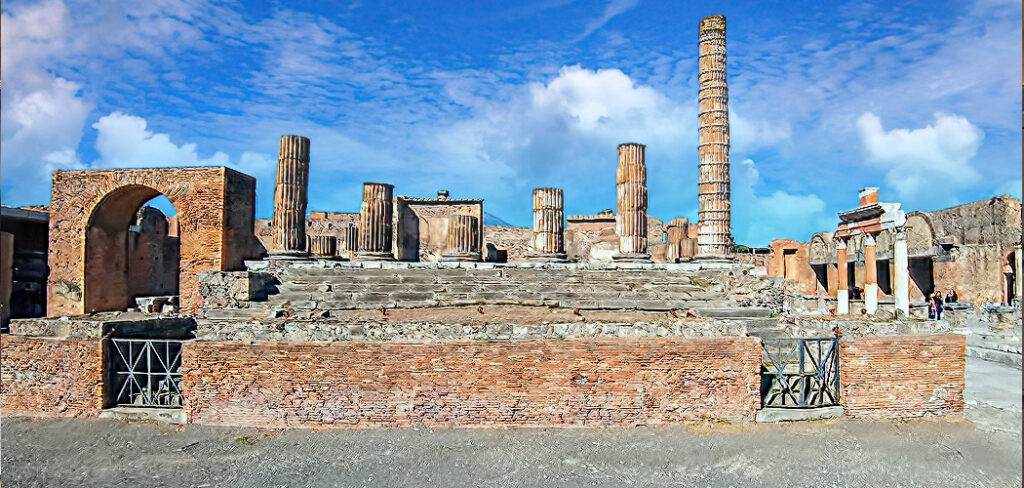
Proper travel planning is incredibly important because it saves time, reduces unexpected costs, and helps you avoid confusion upon arrival. You will learn everything from local transport options and entry requirements to essential travel tips.
Navigating the local transport network is straightforward once you know your options. Get ready to embark on an unforgettable journey through time.
Best Time to Visit & Seasonal Weather
The absolute best months to visit this ancient city are April, May, September, and October. During these spring and autumn months, the weather remains pleasantly mild.
Summer brings intense heat, high humidity, and massive crowds, making midday exploration quite exhausting. Winter is the rainy season, offering fewer crowds but cooler, damper conditions.
Budget travelers often prefer the winter off-season for cheaper rates, while sightseers thrive in the comfortable spring climate. Try to time your trip around local cultural festivals for an added layer of Italian charm.

Visa & Entry Requirements for Tourists
Italy is part of the Schengen Area, meaning many travelers enjoy visa-free entry for up to 90 days. Citizens of the United States, Canada, Australia, and the UK currently fall into this visa-free category.
Your passport must remain valid for at least six months beyond your planned departure date. Immigration officials may occasionally ask to see a return ticket, proof of hotel booking, or evidence of sufficient funds.
The entry process is usually quick and straightforward at major Italian airports. Always check for any updated travel restrictions or special rules before your departure.
Travel Requirements
Always keep your physical passport and any required identification securely on your person. Health requirements for Italy are generally standard, but it never hurts to carry a basic travel medical kit.
Purchasing comprehensive travel insurance is highly recommended to cover any unexpected delays or medical emergencies. You must have your return or onward ticket accessible digitally or printed.
Keep your proof of accommodation and a recent bank statement handy, just in case border control requests them. Remember to review your airline’s luggage restrictions to avoid surprise fees at the check-in counter.
How to Get There
The nearest major airport for international arrivals is Naples International Airport (Capodichino). Travelers typically fly into Naples or Rome and then connect to the archaeological site via regional transport.
Major routes include domestic flights, high-speed rail lines, regional buses, and coastal ferries. The journey from Naples takes roughly thirty to forty minutes, while coming from Rome requires about two hours.
Regular trains and daily flights make this destination highly accessible year-round. A glance at a digital map will show how seamlessly the coastal routes connect to the ruins.

6 Simple Steps on How to Tour Pompeii
Step 1: Book Your Arrival Flight
Securing your international or domestic flight is the first major step in your journey. You will want to look for flights landing directly at Naples Capodichino for the most direct route.
Flight times vary greatly depending on your origin, but flying offers the highest level of comfort. Prices range from budget-friendly regional airlines to premium international carriers.
This option is best for long-distance travelers who want to reach southern Italy quickly and safely. Booking your tickets a few months in advance usually guarantees the best possible fares.
Step 2: Navigate the Local Train System
The Circumvesuviana train line is the most popular and direct way to reach the ruins from Naples. This commuter train runs frequently throughout the day and takes roughly thirty minutes to arrive.
Tickets are incredibly cheap, making this a fantastic option for budget-conscious travelers. The comfort level is admittedly low to medium, as cars lack air conditioning and get very crowded during peak hours.
This train is best for fast travel and those comfortable with standard public transit. Try to grab a window seat to enjoy views of Mount Vesuvius along the way.
Step 3: Utilize Regional Bus Services
Regional buses offer another reliable method for reaching your destination directly from the airport or city center. The bus ride typically takes around forty minutes, depending on local traffic conditions.
Tickets are very affordable and can often be purchased right from the driver or at transit kiosks. Comfort is generally medium, as buses usually provide air conditioning and guaranteed seating.
This option suits travelers carrying heavier luggage who wish to avoid the chaotic train stations. Check the local transit schedules ahead of time, as bus frequency decreases on weekends.
Step 4: Consider a Private Car or Rental
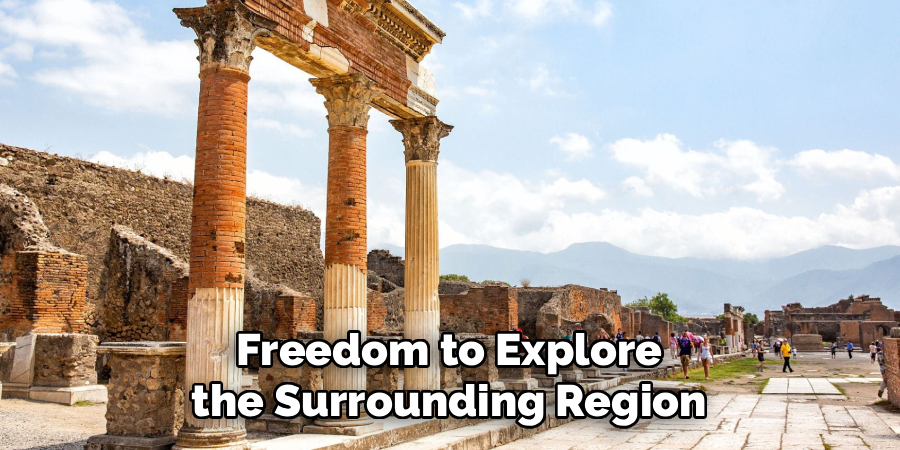
Renting a car or hiring a private driver gives you the ultimate freedom to explore the surrounding region. Driving from Naples takes roughly thirty minutes via the main A3 highway.
This is the most expensive option, but it provides a high level of comfort and privacy. Private transport is available daily and offers complete flexibility for your schedule.
Families or groups traveling together will find this method incredibly convenient. Be aware that local driving styles can be aggressive, and parking near the site requires a small daily fee.
Step 5: Explore the Scenic Ferry Routes
Taking a ferry is a beautiful and relaxing way to travel if you are coming from Sorrento or the Amalfi Coast. The ferry ride takes about thirty to forty minutes and offers stunning views of the coastline.
Ticket prices fall into the mid-range category, offering a highly comfortable and breezy experience. Ferries run frequently during the summer but have very limited schedules in the winter months.
This option is perfect for travelers who want to combine transit with sightseeing. Remember to arrange a short taxi or bus ride from the port to the actual ruins.
Step 6: Finalize Your Daily Itinerary
Putting together your daily schedule ensures you see all the highlights without feeling rushed. You should dedicate at least four to six hours entirely to exploring the archaeological site.
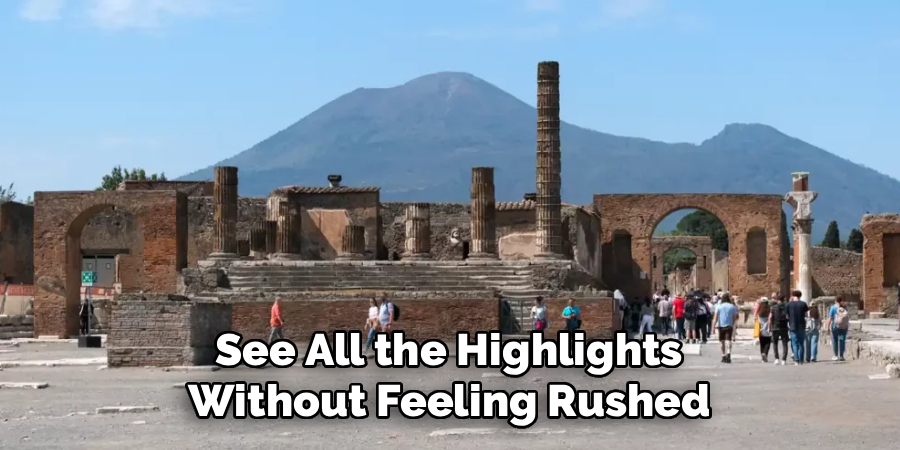
Planning your day costs nothing but adds immense value and comfort to your overall experience. Flexibility is available, but having a structured plan prevents decision fatigue under the hot Italian sun.
This step is vital for every type of traveler, from budget backpackers to luxury tourists. Wear comfortable walking shoes, as the ancient cobblestone streets are famously uneven.
Pros and Cons of Each Travel Option
Every transportation method comes with its own unique set of advantages and disadvantages. Flights get you to the general region quickly but require secondary transport to reach the actual site.
Trains are cheap and bypass traffic, but they can be uncomfortable and extremely crowded. Buses offer guaranteed seating and air conditioning, but are vulnerable to highway traffic delays.
Ferries provide beautiful scenic views but are weather-dependent and seasonal. Private cars offer unmatched flexibility and comfort but come with high costs and parking challenges.
Best Way to Travel
The train remains the absolute best overall option for the vast majority of visitors. It perfectly balances a low cost with a fast, traffic-free transit time.
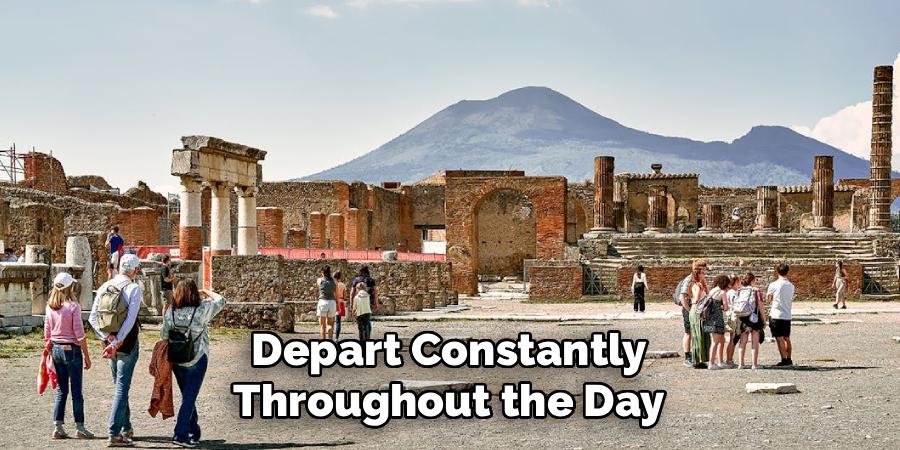
Convenience and reliability are the key benefits here, as trains depart constantly throughout the day. It caters beautifully to the average traveler who just wants to get to the ruins efficiently.
While a private car is more comfortable, the train eliminates the stress of navigating foreign roads. Simply validate your ticket at the station, hop on, and exit directly at the archaeological park.
Top Attractions & Must-Visit Places
The Forum serves as the ancient city’s main square and is an absolute must-see. The remarkably preserved Amphitheatre is another iconic landmark that showcases ancient Roman entertainment.
Nature and history blend perfectly at the Villa of the Mysteries, famous for its vivid frescoes. These spots are all located within the main archaeological park boundaries.
First-time visitors should prioritize the plaster casts of the victims for a truly sobering historical perspective. Arrive right when the gates open to enjoy these attractions without the massive midday crowds.
Best Areas to Stay / Accommodation
Staying in nearby Naples offers the best mix of urban convenience and transit connectivity. Sorrento is an excellent mid-range to luxury alternative, offering a safer, more resort-like vibe.
Both locations provide incredibly easy access to the regional transit lines heading to the ruins. Hostels are plentiful in Naples for budget travelers, while Sorrento boasts beautiful coastal hotels.
Safety is generally better in Sorrento, but Naples offers a more authentic, gritty urban experience. First-time visitors generally prefer Sorrento for its walkability and charming evening atmosphere.
Food & Local Cuisine
You simply cannot visit this region without trying authentic Neapolitan pizza. Classic Margherita pizza is the ultimate must-try food for any first-time visitor.

Street food vendors near the transit stations sell incredible fried snacks like arancini and croquettes. The flavors rely heavily on fresh tomatoes, local olive oil, and creamy mozzarella.
A typical budget meal costs very little, while sit-down restaurants offer mid-range pricing. Vegetarians will find endless options, as traditional Italian cuisine highlights fresh produce and cheese.
Travel Cost & Time
Your overall travel cost will depend heavily on your chosen style of comfort. A budget traveler can easily manage the day on a very modest amount, including transit and entry fees.
Mid-range travelers should expect slightly higher costs for sit-down meals and guided audio tours. Travel time from the nearest major city is generally under an hour each way.
Trains offer the most consistent travel times, whereas buses and cars fluctuate with peak traffic. Always account for extra waiting time during the busy summer tourist season.
Estimated Budget & Money-Saving Tips
A comfortable daily budget covering transit, entry, and food falls into the affordable mid-range category. Your biggest expenses will be the entry ticket and any guided tour services you select.
You can save money by booking your entry tickets online well in advance. Traveling during the off-season also yields cheaper accommodation and flight rates.
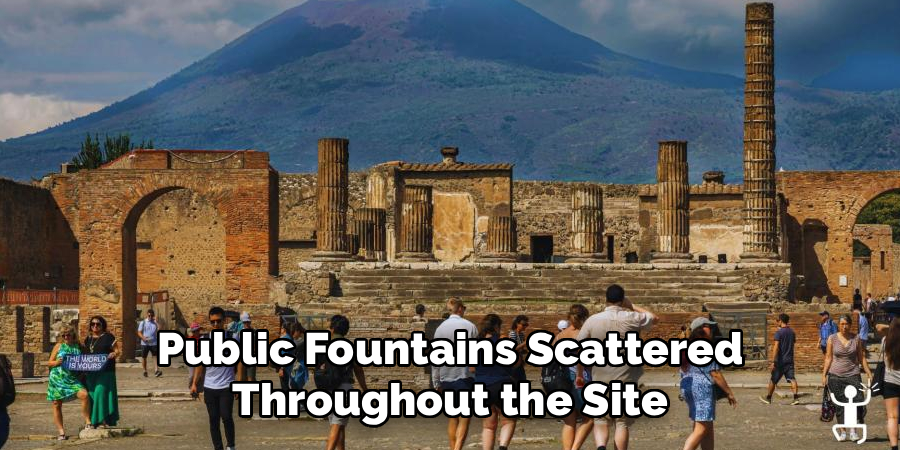
Using the local commuter train instead of private transit keeps your transport costs incredibly low. Pack your own water bottle to refill at the ancient public fountains scattered throughout the site.
Currency & Money Management
The official local currency used throughout Italy is the Euro. It is always wise to have a basic understanding of the current exchange rate before arriving.
Credit and debit cards are widely accepted at the ticket offices and larger restaurants. However, you will definitely want to carry small cash for street food, public restrooms, and minor purchases.
ATMs are easily found in the surrounding modern towns and transit hubs. Always decline the ATM’s dynamic currency conversion to avoid paying unnecessary exchange fees.
Connectivity: SIM Cards & Essential Travel Apps
Local SIM cards are readily available for purchase at the Naples airport and in major phone shops. Telecom providers like TIM and Vodafone offer excellent coverage and affordable tourist data plans.
If your phone is compatible, purchasing an eSIM online before you arrive saves a lot of hassle. You will need your physical passport to register a physical SIM card in Italy.
Download offline maps and translation apps to navigate the massive archaeological park without draining your data. Ride-sharing apps and train schedule apps are also essential for smooth transit.
Language & Local Etiquette
Italian is the primary language spoken throughout the region. Basic English is widely understood by ticket vendors, tour guides, and restaurant staff.
Learning a few simple Italian phrases like “grazie” and “buongiorno” goes a long way with the locals. General cultural norms dictate a polite and respectful attitude, especially when viewing historical human remains.
Dress appropriately for the heat, but ensure you are adequately covered if you plan to visit nearby active churches. Tipping is not strictly required but leaving a few coins for good service is appreciated.

Travel Tips
When figuring out how to tour Pompeii safely, arriving early is your best strategy. Planning and booking your entry tickets in advance allows you to skip the massive entry lines.
Always keep your important travel documents securely zipped in a hidden day bag. Packing light is crucial, as large backpacks are strictly prohibited inside the archaeological park.
Check the local weather forecast so you can dress comfortably for the intense afternoon sun. Utilize official audio guide apps to enrich your understanding of the ruins as you explore.
Travel Safety, Common Scams & Mistakes to Avoid
General travel safety in the tourist areas is very high, provided you use basic common sense. Be aware of common scams like overly aggressive taxi drivers refusing to use their meters.
Stay alert around the busy train stations where pickpockets occasionally target distracted tourists. You can easily prevent issues by booking official transport and verified tour guides.
Keep your phone and wallet securely tucked away when walking through dense crowds. Never hand your tickets or personal details to anyone outside of the official entrance gates.
Safety & Health Precautions
Hydration is absolutely critical when walking through the unshaded ruins for several hours. Bring sunscreen, a good hat, and comfortable footwear to prevent heatstroke and blisters.
The uneven ancient roads present a tripping hazard, so watch your step carefully. Carry a small first-aid kit with basic bandages and pain relievers just in case.
Only drink from the designated potable water fountains found inside the park. Keep local emergency numbers saved in your phone so you can quickly call for help if needed.
Frequently Asked Questions
What is the best way to get to Pompeii?
The most efficient and cost-effective way is to take the Circumvesuviana train from Naples. It drops you off directly outside the main entrance gates. This journey takes roughly thirty minutes and avoids all highway traffic.
How much does it cost for a day trip?
A standard day trip is highly affordable for most travelers. Expect to pay for a round-trip train ticket, the official entry fee, and a modest local lunch. Budget travelers can easily manage this for a very low cost.
How to tour Pompeii effectively in one day?
To maximize your day, arrive exactly when the gates open in the morning. Focus your time on the main attractions like the Forum and the Amphitheatre. Using an official map or audio guide keeps you moving efficiently.
Conclusion
Understanding how to tour Pompeii is the first step toward an incredible historical adventure. This ancient Roman city offers an unparalleled look into the daily lives of the distant past.
With proper preparation, your transit and exploration will be incredibly safe and straightforward. Take the time to plan your route, secure your tickets, and pack appropriately for the weather. Take a moment to simply stand in the ancient streets and absorb the profound history surrounding you.

About
Ethan Brooks is a dedicated travel writer and tourism specialist with over a decade of experience exploring more than 150 countries. His professional focus centers on city routes and budget travel, where he combines real-world travel insights with efficient planning strategies.
Ethan is known for creating smart, well-structured travel systems that are practical, cost-effective, and easy to follow. As a core author at thetraveliy.com, he helps both first-time travelers and experienced explorers plan smooth, confident journeys.
Education
The University of Queensland (Australia) Bachelor’s Degree in Tourism Management
-
Focus: Global tourism systems, destination planning, and travel operations.
-
Specialization: Gained practical knowledge in travel logistics, itinerary development, and tourism industry structures.
Publications and Impact
At thetraveliy.com, Ethan Brooks publishes clear, structured, and experience-driven content focused on:
-
Transportation Logistics: Navigating complex transit systems with ease.
-
Itinerary Planning: Creating time-efficient schedules for any destination.
-
Budget-Friendly Solutions: Maximizing value without sacrificing the experience.
Ethan’s work simplifies complex travel decisions, making it easier for readers to plan efficient and affordable trips. By blending practical advice with real-world experience, he helps travelers create well-organized journeys while saving both time and money.