
Quick Answer: The easiest way to get from Mykonos to Paros is by ferry. Most trips are direct, scenic, and take about 45 minutes to 1 hour 30 minutes, depending on the vessel. Booking ahead, arriving early at the port, and choosing the right sailing time can make the journey simple and stress-free.
Introduction
Planning how to Travel From Mykonos to Paros is a smart move if you want an easy island-hopping trip in the Cyclades. This route is popular with travelers who want to swap Mykonos’s lively beach clubs and polished resorts for Paros’s charming villages, relaxed beaches, and slower pace.
The journey is fairly simple, but good planning still matters. Ferry schedules, weather, ticket timing, and port transfers can all affect the day. If you sort out the details in advance, you can save time, avoid confusion, and enjoy a smoother trip from departure to arrival.
How to Get There
The main way to travel between these two islands is by ferry. You will usually depart from Mykonos New Port at Tourlos and arrive at Parikia Port in Paros, though some sailings may also connect with other island routes. The sea distance is short, making this one of the easier Cycladic transfers for visitors.
Most ferry trips take around 45 minutes to 1 hour 30 minutes, depending on the operator and vessel type. High-speed ferries are quicker, while conventional ferries may take a little longer. There is no practical train option between the islands, and flights are generally not the direct choice, so sea transportation is the standard and most efficient route.
6 Proven Steps on How to Travel From Mykonos to Paros
Step 1: Choose the Right Ferry for Your Schedule
Start by picking a ferry that matches your budget, timing, and comfort level. Some travelers prefer an early sailing so they can reach Paros with most of the day ahead, while others choose a later departure after a final morning in Mykonos. High-speed vessels save time, but standard ferries may feel steadier and sometimes cost less.
Think about luggage, sea conditions, and your next hotel check-in time. During busy months, the most convenient sailings can fill up quickly. Booking the right departure from the start makes the rest of the journey much easier.
Step 2: Book Your Ticket and Review the Details
Once you choose your sailing, book as early as you can, especially in summer. Popular departures often sell out, and early booking gives you better flexibility if you want a specific time slot. Keep your ticket saved on your phone, and it is also helpful to have a screenshot in case signal is weak near the port.
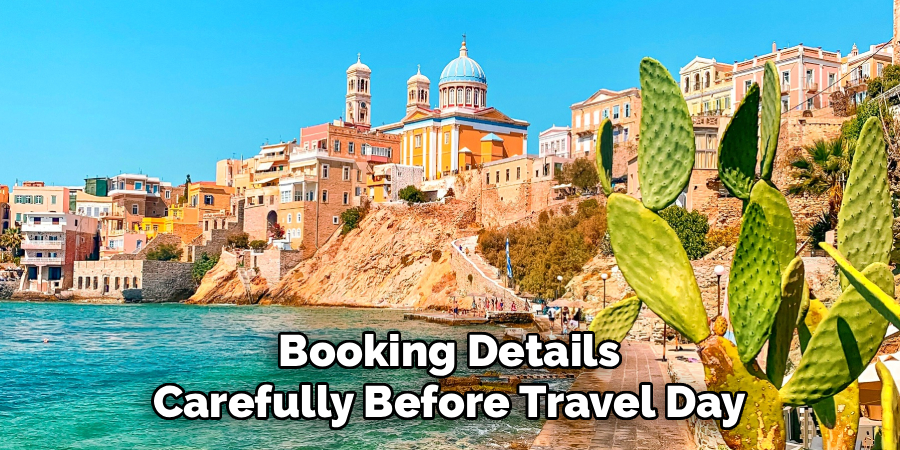
Read the booking details carefully before travel day. Check the departure port, boarding time, passenger name, luggage rules, and whether your ferry is high-speed or conventional. Small details can make a big difference when ports get crowded.
Step 3: Get to Mykonos Port With Time to Spare
Mykonos traffic can be surprisingly slow in peak season, even on short routes. Plan your transfer to Mykonos New Port early so you do not feel rushed. Taxis, private transfers, hotel shuttles, and local buses are the most common ways to reach the port, depending on where you are staying on the island.
Try to arrive at least 30 to 45 minutes before departure, or earlier if the port feels busy. Ferry boarding is often quicker than airport procedures, but lines, luggage movement, and last-minute gate changes can still happen.
Step 4: Board Smoothly and Keep Essentials Handy
When you reach the port, check the ferry name and destination on the display boards or ask staff if needed. Several vessels may be loading around the same time, so it is worth confirming before you join a line. Keep your ticket, passport or ID, wallet, phone, and hotel booking easy to reach.
If you have large bags, staff may direct you to a luggage area before boarding. Keep valuables in a smaller personal bag with you. Once on board, find your assigned seat if one is listed, or settle into the passenger area early.
Step 5: Prepare for the Short Sea Journey
The crossing itself is usually simple and pleasant, with views of the Aegean along the way. Travel time can vary based on the vessel and sea conditions, but the route is generally short enough that you do not need much planning once you are on board. A light jacket can help if indoor air-conditioning feels cool.

It is also smart to keep motion comfort in mind if you are sensitive to waves. Bring water, a small snack, and charge your phone before departure so you arrive in Paros ready to continue.
Step 6: Arrive in Paros and Reach Your Final Destination
Most travelers arrive at Parikia, the main port town in Paros. From there, it is easy to continue to other parts of the island by taxi, rental car, local bus, or hotel transfer. If you are staying in Naoussa, Lefkes, or near one of the beaches, plan that last leg before you board in Mykonos.
Parikia itself is close to shops, cafés, and accommodations, so some arrivals can even walk to their hotel. Have your address ready to show a driver, especially if you are arriving during a busy afternoon.
Pros, Best & Cheapest Ways to Travel
The ferry is both the standard and best way to make this trip. It is direct, practical, and far more natural for island hopping than trying to piece together indirect air travel. High-speed ferries are best for travelers who want to reach Paros quickly, while conventional ferries can be a better fit for those who prefer lower fares and a calmer ride.
The main drawback is that schedules can be affected by demand, season, and weather. High-speed options also tend to cost more. For most travelers, the best overall choice is a direct ferry booked in advance, while the cheapest option is usually a standard ferry seat on a less popular departure.
Fastest Way to Travel
The fastest way to travel between Mykonos and Paros is by high-speed ferry. In good conditions, the crossing can take as little as 45 minutes, which makes it ideal for travelers on a tight itinerary. It is the quickest direct connection and usually the simplest choice for same-day island transfers.

Still, door-to-door time matters. You need to factor in your ride to Mykonos port, the early arrival window, boarding time, and your transfer from Parikia to your hotel. Even with those steps, the high-speed ferry is usually the most time-efficient option by a clear margin.
Travel Essentials, Budget & Money Guide
This trip can be affordable, but costs vary by season, ferry type, and how you continue across Paros after arrival. A standard ferry ticket may cost less than a high-speed seat, while taxis to and from the ports can add a noticeable amount to your total. Food, drinks, and local transportation should also be part of your day’s budget.
To save money, book early and travel outside the busiest weekend windows when possible. Carry both a bank card and some cash for small purchases, port snacks, or local rides. ATMs are available in Mykonos and Paros, especially near busy town areas and transport hubs.
Travel Documents You Must Carry
Keep your key documents close and organized from start to finish. You should have a passport or valid ID, especially if your ferry operator asks to match the booking name with identification. If Greece is part of a longer international trip, make sure your visa status and entry documents are already in order.
Carry your ferry ticket in digital form, but also keep a backup screenshot in case your battery drops or signal is poor. It also helps to have your hotel confirmation, travel insurance details, emergency contacts, and copies of important documents stored safely on your phone or in your email.
Travel Tips for a Smooth Journey
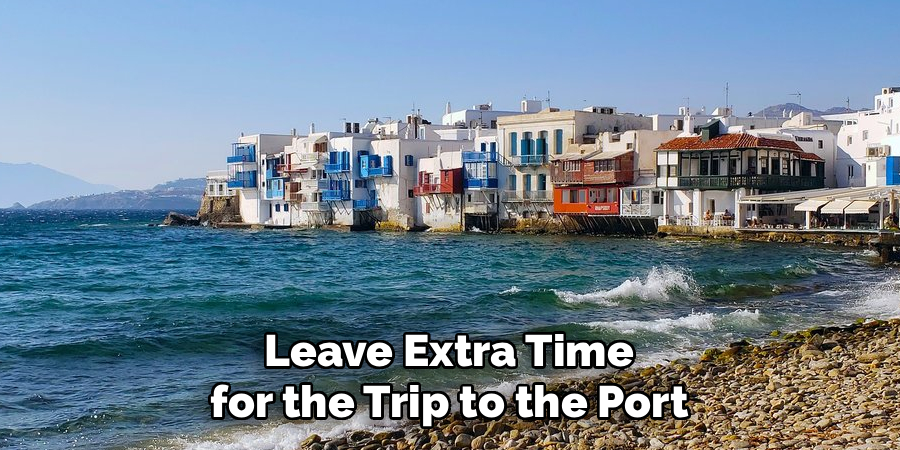
Book your ferry early in peak season because the best time slots can disappear fast. On travel day, leave extra time for the trip to the port, since island traffic and crowded loading areas can slow things down more than expected. A calm start makes the whole journey easier.
Use travel apps or operator messages to check for schedule updates before leaving your hotel. Pack light if you can, wear comfortable clothes, and check the weather before heading out. If you want a quieter experience, avoid the busiest midday departures when ports often feel more crowded.
Travel Safety, Health & Common Mistakes
When planning How to Travel From Mykonos to Paros, the best approach is to stay organized and use official transportation only. Book with recognized ferry operators, use licensed taxis or confirmed transfers, and keep your valuables close in busy port areas. Crowds are common in summer, so simple awareness goes a long way.
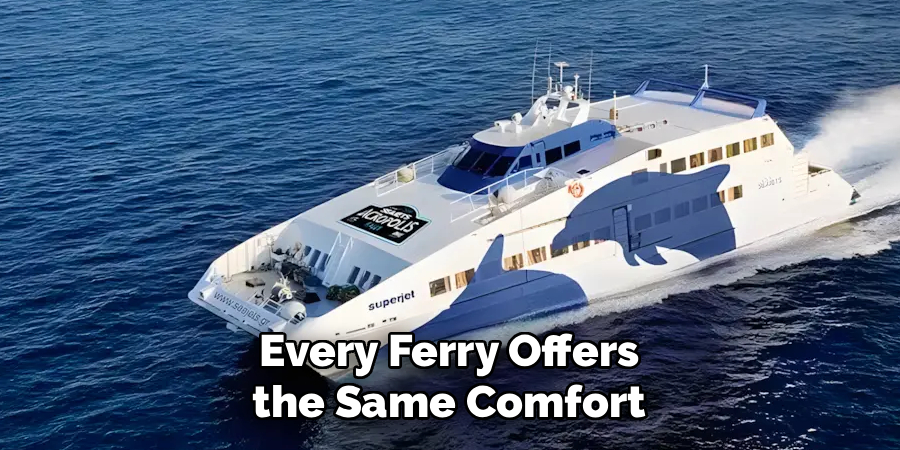
One common mistake is arriving too late and feeling rushed during boarding. Another is assuming every ferry offers the same comfort, baggage setup, or ride quality. Bring water, wear sun protection if you wait outdoors, and keep a light layer with you for cooler indoor seating areas. Avoid carrying loose valuables in open pockets, and double-check the vessel name before boarding.
Frequently Asked Questions & Emergency Information
Is the ferry from Mykonos to Paros direct?
Yes, many sailings are direct. Some services may be part of a wider island route, so always check the ticket details and final destination before boarding.
How early should I arrive at the port?
Arriving 30 to 45 minutes early is usually a good idea. In peak summer periods, giving yourself a bit more time can make boarding feel less stressful.
Is Paros easy to reach from the port?
Yes, Parikia is well connected. You can usually continue by taxi, bus, rental car, or hotel transfer, depending on where you plan to stay.
In Greece, the general emergency number is 112. If you are traveling internationally, keep your embassy or consulate contact details saved on your phone before departure for added peace of mind.
Conclusion
How to Travel From Mykonos to Paros is one of the easiest island-hopping journeys in Greece, especially if you book a direct ferry and plan your port transfers in advance. The route is short, scenic, and simple enough for first-time visitors as well as experienced travelers.
For most people, the ferry offers the best balance of speed, convenience, and value. Choose your sailing carefully, arrive at the port with time to spare, and keep your essentials close. With a little planning, you can leave Mykonos smoothly and start enjoying Paros almost as soon as you step off the boat.

About
Ethan Brooks is a dedicated travel writer and tourism specialist with over a decade of experience exploring more than 150 countries. His professional focus centers on city routes and budget travel, where he combines real-world travel insights with efficient planning strategies.
Ethan is known for creating smart, well-structured travel systems that are practical, cost-effective, and easy to follow. As a core author at thetraveliy.com, he helps both first-time travelers and experienced explorers plan smooth, confident journeys.
Education
The University of Queensland (Australia) Bachelor’s Degree in Tourism Management
-
Focus: Global tourism systems, destination planning, and travel operations.
-
Specialization: Gained practical knowledge in travel logistics, itinerary development, and tourism industry structures.
Publications and Impact
At thetraveliy.com, Ethan Brooks publishes clear, structured, and experience-driven content focused on:
-
Transportation Logistics: Navigating complex transit systems with ease.
-
Itinerary Planning: Creating time-efficient schedules for any destination.
-
Budget-Friendly Solutions: Maximizing value without sacrificing the experience.
Ethan’s work simplifies complex travel decisions, making it easier for readers to plan efficient and affordable trips. By blending practical advice with real-world experience, he helps travelers create well-organized journeys while saving both time and money.