
Quick Answer: The easiest way to make this trip is to take a BC Ferries sailing from Tsawwassen to Swartz Bay, then continue into Victoria by car, bus, shuttle, or taxi. You can also fly or take a seaplane if you want a faster, more direct option.
Introduction
Planning how to Travel from Vancouver to Victoria is easier than many first-time visitors expect. This route is one of the most popular trips in British Columbia because it connects a major city with a scenic capital known for gardens, waterfront walks, museums, and a relaxed pace.
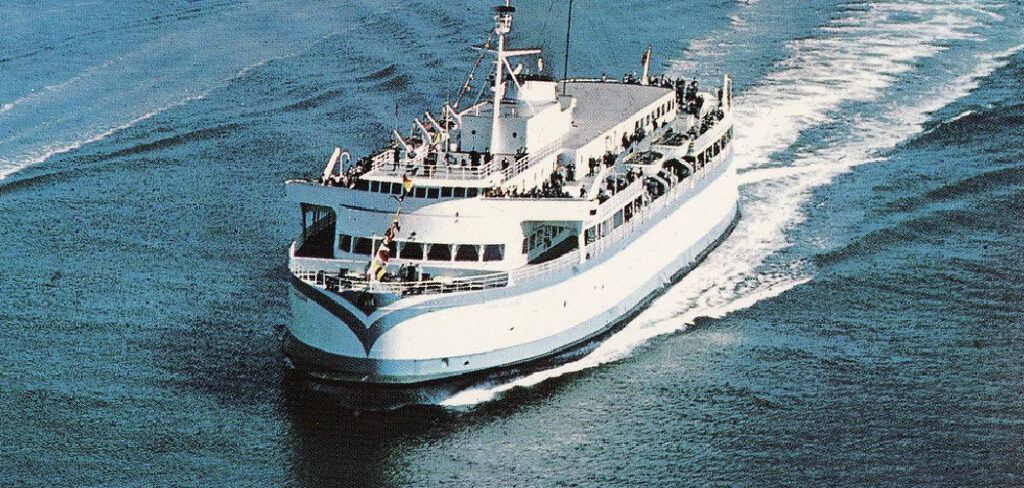
The journey matters because there is no single bridge or train connecting the two places, so choosing the right transportation can save you time, money, and stress. With the right plan, you can compare ferry, flight, shuttle, bus, taxi, and car options, then build an itinerary that fits your budget and schedule.
How to Get There
Vancouver and Victoria are separated by water, so most travelers use a ferry or a flight. If you take the standard route, you will leave from Tsawwassen Ferry Terminal south of Vancouver and arrive at Swartz Bay Ferry Terminal, about 20 miles north of downtown Victoria. From there, you continue by car, bus, shuttle, or taxi.
The full trip usually takes about 3 to 5 hours door to door, depending on traffic, transfer times, and the transport you choose. Flights and seaplanes are faster in the air, but ferries are often the most practical. The route is simple once you match your departure point, ferry or flight timing, and final arrival plans.
6 Smart Steps on How to Travel from Vancouver to Victoria
Step 1: Choose the Best Travel Option for Your Day
Start by deciding what matters most to you: price, speed, comfort, or flexibility. The most common choice is the ferry route, especially if you want scenic views and a straightforward island journey. If time is your top priority, a seaplane or short regional flight may fit better, though fares are higher.
Think about where you are starting in Vancouver and where you need to end up in Victoria. A traveler staying near downtown may prefer a coach-and-ferry combo, while someone with a rental car may find the standard ferry route much easier.
Step 2: Book Tickets Early and Check the Schedule
Once you pick your transportation, book as early as possible, especially on summer weekends and holiday periods. Ferry reservations are helpful if you are bringing a car, while walk-on passengers often have more flexibility. Flights and seaplanes also fill quickly when demand is high.

Before travel day, review your departure time, terminal, baggage rules, and boarding instructions. Save your ticket on your phone and keep a screenshot just in case. A quick schedule check the night before can help you avoid missed sailings, long waits, or last-minute confusion.
Step 3: Get to the Departure Point With Extra Time
Reaching the terminal is often the part travelers underestimate. If you are taking the ferry, Tsawwassen is roughly 20 miles from downtown Vancouver, and traffic can slow things down. Give yourself extra time for the drive, public transit connection, or shuttle transfer, especially during busy travel hours.
If you are flying, arrive with enough time for check-in and baggage procedures. Seaplane passengers usually have simpler boarding, but you still need to be on time. A relaxed arrival gives you time to find the right gate, ask questions, and start the trip calmly.
Step 4: Board Smoothly and Keep Essentials Close
At the terminal or airport, follow posted signs and staff instructions carefully. If you are boarding a ferry with a vehicle, attendants will guide you into the correct lane. Walk-on passengers should keep boarding passes and identification ready, then follow the marked path to the passenger areas.
Keep your wallet, phone, tickets, ID, medications, and hotel details in a small bag you can reach easily. On the ferry, you may leave your car deck behind once boarding is complete, so bring what you need upstairs. That simple step makes the crossing much more comfortable.
Step 5: Make the Most of the Journey Across
The ferry ride itself takes about 1 hour and 35 minutes and is often one of the best parts of the trip. You can enjoy coastal views, grab a snack, stretch your legs, and settle into the pace of the day. Flights are shorter, but ferries usually feel less rushed.
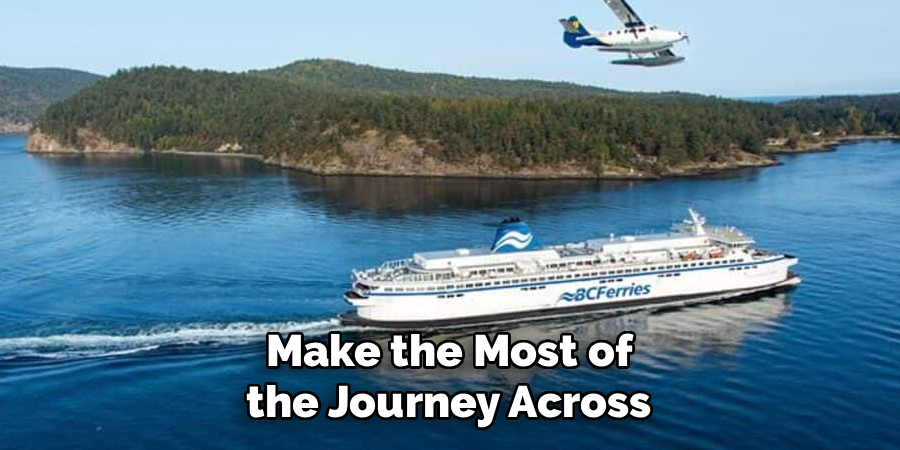
Use this travel time well. Confirm your next transfer, check your hotel address, and review your arrival plan in Victoria. If you are continuing by bus or shuttle from Swartz Bay, know the departure point ahead of time so you can move smoothly once you disembark.
Step 6: Complete the Final Leg Into Victoria
After you arrive, you still need to reach your final destination. Swartz Bay is north of the city, so most travelers continue by car, public bus, private shuttle, taxi, or ride service where available. This last leg usually takes 35 to 50 minutes, depending on traffic and your exact stop.
If you are arriving by seaplane or flight into central Victoria, your final transfer may be shorter and easier. Either way, have your hotel confirmation and address ready. That helps drivers, speeds up check-in planning, and makes the end of the journey feel simple.
Pros, Best & Cheapest Ways to Travel
The ferry is the best overall option for most travelers because it balances cost, comfort, and flexibility. It gives you a scenic crossing, works well for both walk-on passengers and drivers, and usually offers the widest range of departure times. Coach-and-ferry combinations are also convenient if you do not want to drive.
The cheapest option is usually traveling as a walk-on passenger and using public transit on both sides. The fastest options, like seaplanes, save time but cost much more. Flights can also involve tighter baggage limits and less flexibility. For most visitors, the best choice is the ferry route with a well-planned transfer.
Fastest Way to Travel
The fastest way to make the trip is by seaplane or regional flight. In the air, the journey can take roughly 35 minutes, and seaplanes often arrive closer to central Victoria than the ferry route does. That can save valuable time if you are traveling for business or trying to fit the trip into one day.
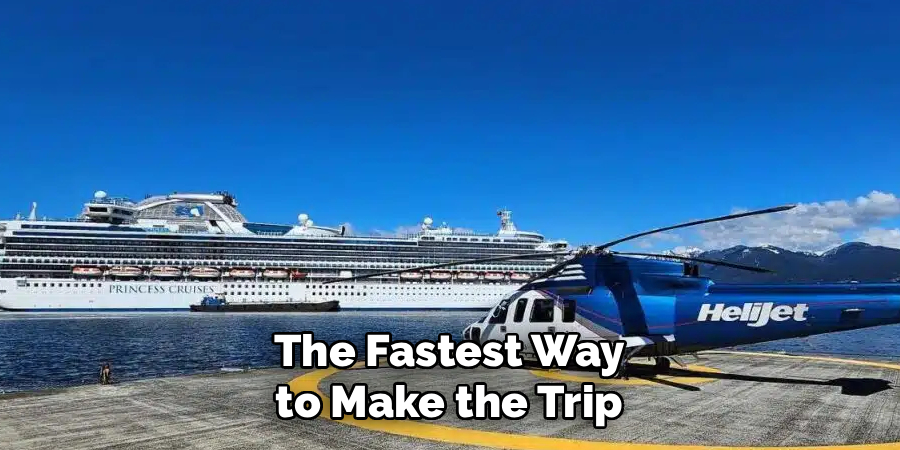
Still, door-to-door timing matters more than flight time alone. You need to include check-in, baggage limits, weather-related adjustments, and the time required to reach the terminal. In many cases, the ferry is slower overall but more predictable for travelers who are not in a rush.
Travel Essentials, Budget & Money Guide
Your total budget depends on whether you travel as a walk-on passenger, bring a car, or choose a flight. Ferry costs are usually moderate, while seaplanes and flights are premium options. You should also plan for meals, terminal snacks, transit fares, taxi costs, or parking if you leave a car behind in Vancouver.
To save money, book early, travel midweek if possible, and compare the full door-to-door cost rather than the base ticket only. Credit and debit cards are widely accepted in both cities, but carrying a little cash is still useful for small purchases. ATMs are easy to find at terminals, airports, and in central areas.
Travel Documents You Must Carry
For most domestic travelers, a government-issued photo ID is enough, but it is smart to carry a passport if you already have one with you. International visitors should keep their passport, visa documents if needed, and any entry records related to their stay in Canada. Make sure names on tickets match your ID.
Keep digital tickets on your phone and store backup copies as screenshots or printed pages. It is also wise to carry your hotel confirmation, travel insurance information, and a short list of emergency contacts. If you are traveling with children, keep all bookings and identification together so boarding feels simple and organized.
Travel Tips for a Smooth Journey
Book popular sailings early, especially on Friday afternoons, long weekends, and summer mornings. If you are driving, arrive well before the suggested check-in window so you are not rushed in traffic. Walk-on passengers should still leave room for transit delays and terminal lines.
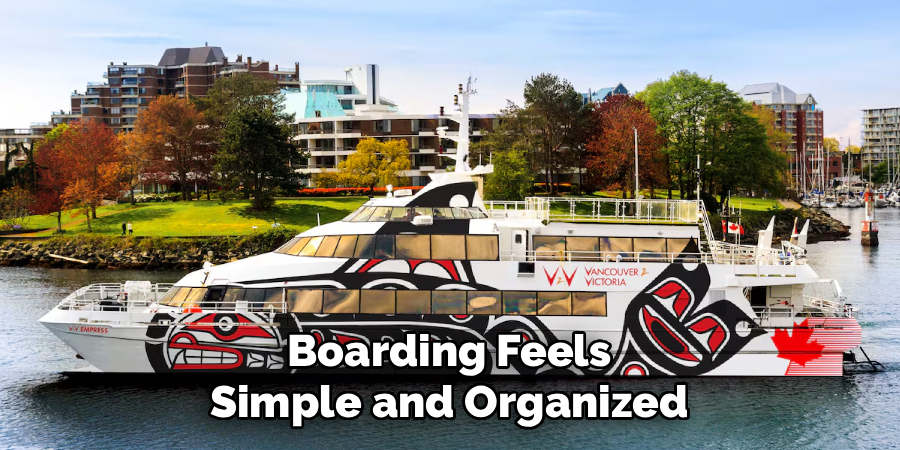
Use official travel apps or operator updates to check schedules before you leave. Pack light if you can, wear layers for changing weather, and keep a charger handy. Try to avoid the busiest peak periods if your schedule is flexible, since that alone can make the trip feel much easier.
Travel Safety, Health & Common Mistakes
When planning how to Travel from Vancouver to Victoria, the smartest approach is to stay organized and use official transportation providers from start to finish. Book through recognized ferry, airline, shuttle, and taxi services, and keep an eye on your bags in busy terminals. Simple awareness goes a long way, especially during peak travel times.
A common mistake is underestimating travel time to Tsawwassen or assuming the ferry alone gets you directly into downtown Victoria. Another is forgetting weather changes and packing only for one temperature. Keep water, basic travel essentials, and your phone charged. Avoid unofficial ride offers, protect wallets and passports in crowded waiting areas, and double-check boarding details before you move.
Frequently Asked Questions & Emergency Information
Is there a direct train from Vancouver to Victoria?
No, there is no direct train between the two cities. Most travelers take a ferry, while others choose a flight, seaplane, shuttle, bus connection, or car-and-ferry combination.
Can you do this trip in one day?
Yes, a same-day trip is possible if you choose early departures and plan your transfers well. It works best when you book ahead and keep your schedule simple.
Is it better to walk on the ferry or bring a car?
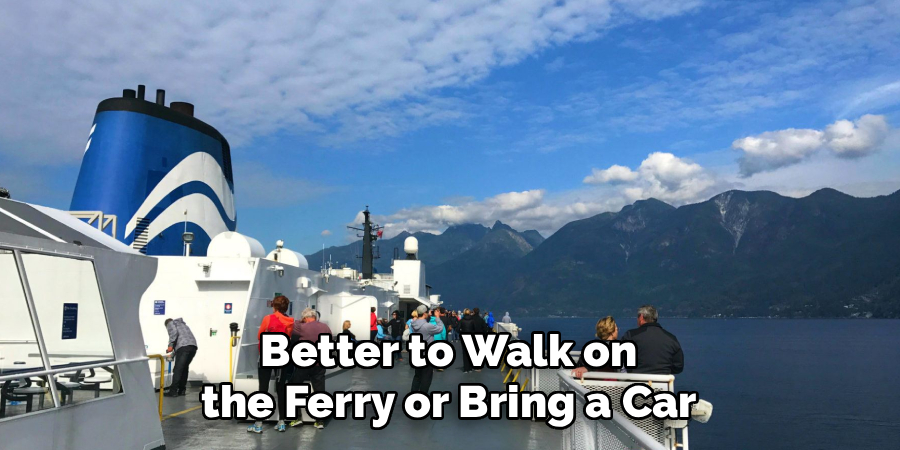
Walk-on travel is cheaper and easier for many visitors staying near central areas. Bringing a car offers more flexibility, especially if you want to explore beyond downtown Victoria.
In Canada, the general emergency number is 911. International travelers should also keep their embassy or consulate contact details saved on their phone in case they need routine travel support.
Conclusion
How to Travel from Vancouver to Victoria is a simple and enjoyable trip once you choose the transportation that fits your time, budget, and comfort level. Most travelers will find that the ferry offers the best mix of value, scenery, and convenience, while flights and seaplanes are better for speed.
The key is to think beyond the crossing itself and plan the full route from your starting point in Vancouver to your final stop in Victoria. Book early, arrive with time to spare, and keep your essentials close. With a little preparation, this coastal journey can feel easy from start to finish.

About
Ethan Brooks is a dedicated travel writer and tourism specialist with over a decade of experience exploring more than 150 countries. His professional focus centers on city routes and budget travel, where he combines real-world travel insights with efficient planning strategies.
Ethan is known for creating smart, well-structured travel systems that are practical, cost-effective, and easy to follow. As a core author at thetraveliy.com, he helps both first-time travelers and experienced explorers plan smooth, confident journeys.
Education
The University of Queensland (Australia) Bachelor’s Degree in Tourism Management
-
Focus: Global tourism systems, destination planning, and travel operations.
-
Specialization: Gained practical knowledge in travel logistics, itinerary development, and tourism industry structures.
Publications and Impact
At thetraveliy.com, Ethan Brooks publishes clear, structured, and experience-driven content focused on:
-
Transportation Logistics: Navigating complex transit systems with ease.
-
Itinerary Planning: Creating time-efficient schedules for any destination.
-
Budget-Friendly Solutions: Maximizing value without sacrificing the experience.
Ethan’s work simplifies complex travel decisions, making it easier for readers to plan efficient and affordable trips. By blending practical advice with real-world experience, he helps travelers create well-organized journeys while saving both time and money.