

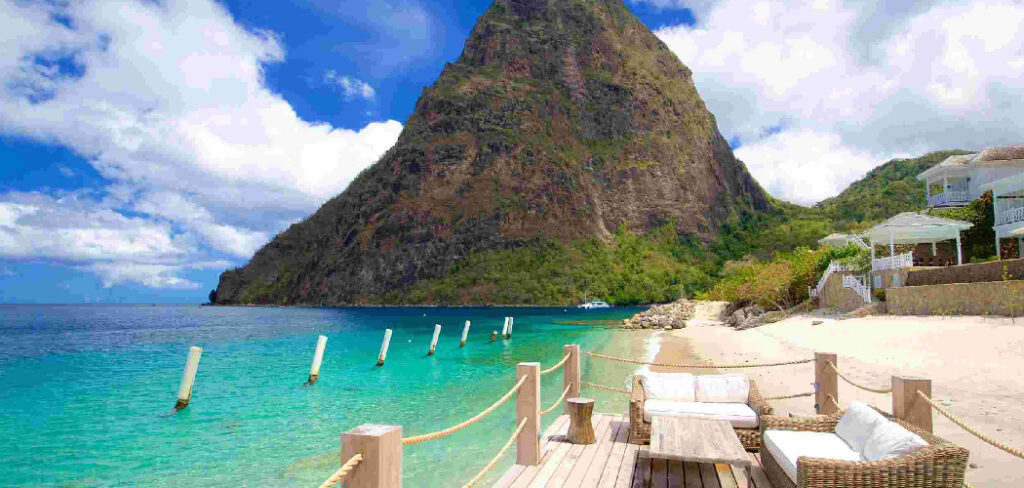
Learning how to travel to St Lucia is the first step toward a dream Caribbean vacation. This island nation is a widely popular travel destination known for its dramatic volcanic peaks, lush rainforests, and pristine beaches.
Proper travel planning is highly important because it saves time, reduces overall costs, and helps you avoid unwanted confusion upon arrival. You will learn everything you need to know, including transport options, daily costs, and essential packing tips.
Getting around the island involves a mix of local minibuses, private taxis, and rental cars. Navigating a new country can feel overwhelming, but this guide will keep things simple and stress-free.
Best Time to Visit & Seasonal Weather
The best months to visit this tropical paradise are between mid-December and mid-April. This period falls during the dry season, offering warm temperatures, lower humidity, and very little rainfall.
Summer brings the rainy season, which lasts from June to November and includes a higher chance of tropical storms. Peak season offers the best beach weather, but it also means larger crowds and higher accommodation costs.
Off-season travel is much cheaper and less crowded, though you might experience frequent afternoon showers. Sightseeing and adventure travelers prefer the dry winter months, while budget travelers often choose the late spring shoulder season.
Visa & Entry Requirements for Tourists
Many international tourists enjoy visa-free entry for short vacations. Travelers from the United States, Canada, and the United Kingdom do not need a visa for general tourist visits.
You must hold a passport that remains valid for at least six months beyond your planned departure date. Immigration officials will require a confirmed return ticket and proof of your hotel booking.
The entry process is straightforward, usually involving a quick passport check and the submission of a digital immigration form. Visa-free visitors are typically allowed to stay for up to six weeks.
Travel Requirements
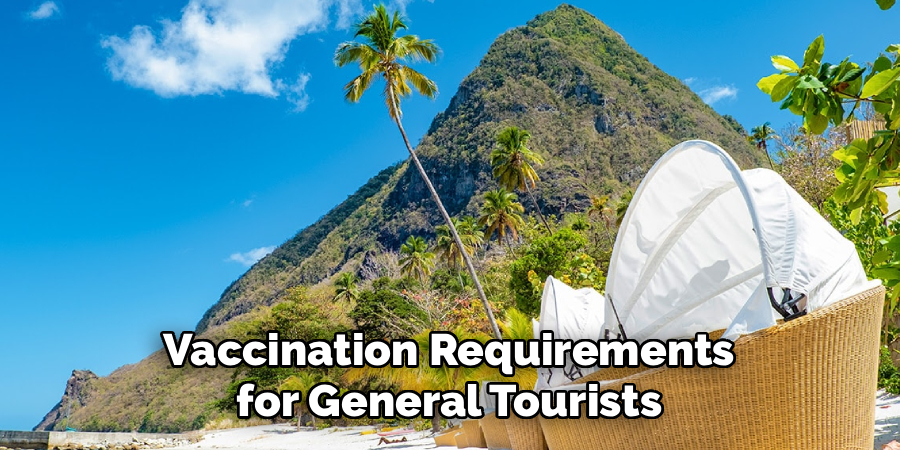
Always carry your physical passport and a valid government-issued ID when flying internationally. Currently, there are no mandatory vaccination requirements for general tourists entering the country.
Purchasing comprehensive travel insurance is highly recommended to cover unexpected medical emergencies or trip cancellations. A confirmed onward or return ticket is an absolute requirement before boarding your flight.
You must provide a clear proof of accommodation, such as a printed hotel reservation or a registered Airbnb address. Customs officials might ask for basic financial proof, like a credit card, to ensure you can support yourself during the trip.
How to Get There
Hewanorra International Airport is the primary arrival point for long-haul international flights. Travelers typically reach the island by flying directly from major cities like Miami, New York, Toronto, or London.
Air travel is the most common route, though some visitors arrive via cruise ships or regional Caribbean ferries. A direct flight from the East Coast of the United States usually takes about four to five hours.
Daily flights are readily available from major international hubs, making the journey highly convenient. You will fly into the southern part of the island, and then take a scenic drive up the coast to reach the northern resort areas.
6 Simple Steps to Travel the Island
Deciding on your transportation method is the foundation of your journey. There are multiple ways to travel, ranging from international flights to local minibuses.
Step 1: Choose Your Transport
Air travel is the most practical choice for international visitors heading to the Caribbean. Flights from North America generally take around four to six hours, depending on layovers. A standard round-trip economy ticket costs between four hundred and eight hundred dollars. Flying offers a high level of comfort with numerous amenities available on major airlines. Multiple daily flights operate out of major hubs, giving you excellent flexibility. This option is best for anyone who wants to reach the island quickly and safely.

Step 2: Book Your Arrival Flight
Securing your flight early ensures better rates and seat selections. You will most likely fly into Hewanorra International Airport in the south. The actual booking process takes just a few minutes online, but researching routes might take an hour. Prices fluctuate, but booking mid-week often keeps costs on the lower end of the spectrum. Premium economy offers medium comfort for a slightly higher price tag. Seats on popular winter routes fill up rapidly, limiting last-minute availability. Booking early is best for budget-conscious travelers wanting predictable schedules.
Step 3: Arrange Airport Transfers
Once you land, getting from the southern airport to the northern resorts requires a vehicle. Private taxis or shared shuttles are the standard methods for this transfer. The drive takes about ninety minutes to two hours along winding, scenic roads. A private taxi transfer typically costs around eighty to one hundred dollars. Taxis provide high comfort and air conditioning after a long flight. Shuttles and taxis are always available right outside the arrival terminal. This step is perfect for those who prefer not to navigate unfamiliar roads themselves.
Step 4: Consider a Rental Car
Renting a vehicle gives you absolute freedom to explore hidden beaches and trails. You can pick up a car directly at the airport upon arrival. The rental process takes about thirty minutes at the service desk. Expect to pay around sixty to ninety dollars per day for a reliable compact SUV. Driving yourself offers high comfort but requires adapting to left-side driving. Agencies have limited inventory during peak winter months, so reserve ahead. This option suits independent travelers who want maximum daily flexibility.
Step 5: Look Into Island Ferries
If you are island-hopping through the Caribbean, a ferry is a great transport method. Ferries connect the area to neighboring Martinique, Dominica, and Guadeloupe. A typical ferry ride from Martinique takes roughly ninety minutes. One-way tickets usually run about seventy to ninety dollars. Ferries offer medium comfort, but seasickness can be an issue on windy days. Services run several times a week rather than daily, requiring careful scheduling. This method is best for backpackers and slow travelers exploring multiple islands.

Step 6: Utilize Local Minibuses
For daily exploring, the local minibus system is a highly authentic experience. These privately owned vans run along designated routes connecting major towns. Wait times vary, but rides between nearby towns take just fifteen to thirty minutes. Fares are incredibly cheap, usually costing just one or two dollars per trip. Comfort is low, as vans are often crowded and lack strong air conditioning. Buses run frequently during the day but stop operating early in the evening. This transport is ideal for extreme budget travelers and cultural explorers.
Pros and Cons of Each Travel Option
Every travel option comes with distinct advantages and disadvantages to consider. Flying into the main airport is incredibly fast and convenient, but ticket prices surge during the holidays. Taking a regional ferry allows for scenic island-hopping, yet the schedules are rigid and subject to weather delays.
Renting a car provides unmatched daily flexibility, though navigating steep, winding roads can be stressful. Private taxis offer stress-free comfort, but the costs add up quickly over a long trip. Local minibuses save you a tremendous amount of money, but they lack air conditioning and evening availability.
Best Way to Travel
The best overall travel option is flying directly into Hewanorra International Airport and booking a private transfer to your hotel. This combination perfectly balances speed, comfort, and reasonable pricing.
You avoid the stress of driving on unfamiliar roads right after a tiring international flight. Private transfers are highly reliable and ensure you reach your accommodation safely.
This method caters perfectly to the average traveler looking for a relaxing, hassle-free vacation. While local buses are cheaper, they simply do not offer the convenience needed with heavy luggage.
Top Attractions & Must-Visit Places
- The iconic Pitons are two volcanic spires offering breathtaking hiking trails.
- Sulphur Springs Park allows you to bathe in therapeutic volcanic mud baths.
- Pigeon Island National Landmark features historic military ruins and beautiful, quiet beaches.
- Diamond Botanical Gardens showcases stunning tropical flora and a colorful mineral waterfall.
- First-time visitors must take a sunset catamaran cruise along the western coastline.
- Most nature parks charge a small entry fee, usually around ten dollars.

Best Areas to Stay / Accommodation
Choosing the right neighborhood greatly impacts your vacation experience. Rodney Bay is the best area for first-time visitors, offering mid-range hotels, restaurants, and nightlife.
Soufrière caters to luxury travelers looking for high-end resorts nestled near the Pitons. Gros Islet is perfect for budget travelers wanting authentic guesthouses and lively street parties.
Rodney Bay provides the best proximity to safe swimming beaches and public transit. You will find a great mix of boutique hotels, massive resorts, and affordable rentals.
Food & Local Cuisine
The local culinary scene blends African, French, and East Indian influences beautifully. Green figs and saltfish is the national dish and an absolute must-try for visitors.
You will find incredible street food like fried bakes and savory meat rotis. Dishes heavily feature fresh seafood, vibrant spices, and locally grown root vegetables.
A typical meal at a local eatery costs around ten dollars, while resort dinners are much pricier. Castries Central Market is a fantastic spot to sample authentic, inexpensive lunches.
Travel Cost & Time
Understanding travel costs and transport times helps you plan an efficient itinerary. A budget traveler might spend eighty dollars a day, while a mid-range trip averages two hundred dollars daily.
Typical restaurant meals cost fifteen dollars, and local bus rides cost roughly two dollars. The drive from the southern airport to the popular northern resorts takes about ninety minutes.
Private taxis save a lot of transit time compared to waiting for multiple local minibuses. Peak season travel dramatically increases both hotel rates and airport waiting times. Traffic around the capital gets heavy during rush hour, so plan your airport departure accordingly.

Estimated Budget & Money-Saving Tips with Currency
A mid-range traveler should budget around fifteen hundred dollars for a week-long stay. You can save money by booking flights early, traveling in May, and eating at local food stalls.
Purchasing a multi-attraction pass is rare here, but some tour operators bundle excursions for a discount. The official currency is the Eastern Caribbean Dollar, though US Dollars are widely accepted. One US Dollar roughly equals two point seven Eastern Caribbean Dollars.
Credit cards work at major hotels, but cash is essential for small vendors. Use bank ATMs to withdraw local currency and avoid poor hotel exchange rates.
Connectivity: SIM Cards & Essential Travel Apps
Staying connected is very simple for international visitors. You can buy a local prepaid SIM card right at the airport or in major shopping centers.
Digicel and Flow are the two primary telecom providers on the island. Both companies offer affordable tourist data plans featuring high-speed connectivity.
You will need to show your physical passport to register a new SIM card. Download offline maps and ride-sharing apps before you leave home. Having offline maps is highly beneficial when exploring remote rainforest areas.
Language & Local Etiquette
English is the official language and is spoken fluently by everyone. Locals also converse in a French-based Creole, which is beautiful to hear. A simple polite greeting goes a long way in establishing respect.
Island culture is conservative, so wearing swimwear away from the beach is highly frowned upon. Camouflage clothing is strictly illegal for civilians to wear anywhere in the country.
Tipping around ten percent is customary in restaurants if a service charge is not already included. Always ask for permission before taking photographs of local residents or their property.
Travel Tips
Understanding how to travel to St Lucia smoothly involves a bit of smart preparation. Booking your island excursions and dinner reservations well in advance is highly recommended.

Always arrive at the airport a full three hours before your international departure. Keep your passport, travel insurance, and hotel details organized in a secure folder.
Pack lightweight, breathable clothing, but include a light rain jacket for sudden showers. Check the local weather forecast daily so you can plan your hiking trips safely. Use apps for easy navigation and updates.
Travel Safety, Common Scams & Mistakes to Avoid
General travel safety awareness will ensure a peaceful and relaxing vacation. Petty theft is the most common issue, so never leave your bags unattended on the beach.
Always use officially licensed taxis, which feature light blue license plates. Verify the fare with your driver before getting into any vehicle to avoid overcharging.
If a street vendor becomes overly pushy, a polite but firm refusal is sufficient. Keep your phone and wallet secure in a cross-body bag while walking through busy markets.
Safety & Health Precautions
Staying healthy is just as important as staying safe on your trip. Drink plenty of bottled water to remain hydrated in the intense tropical heat.
The tap water is generally safe, but tourists with sensitive stomachs should stick to bottled options. Apply reef-safe sunscreen generously and reapply after swimming to prevent severe sunburns.
Carry a small first-aid kit containing pain relievers, bandages, and motion sickness pills. Protect yourself from mosquito bites by using insect repellent, especially during evening hours.
Frequently Asked Questions
What is the cheapest way to travel around the island?
Taking the local minibuses is the most cost-effective transportation method. Fares cost just a few dollars, making them perfect for budget travelers wanting to explore nearby towns safely and affordably.
Can you explain how to travel to St Lucia safely?
Absolutely. You can ensure a secure trip by using licensed taxis, staying in well-reviewed accommodations, and keeping your valuables hidden. The island is generally very welcoming and secure for tourists.
Is it better to bring US Dollars or local currency?
It is best to carry a mix of both. Large hotels and tour operators gladly accept US Dollars, but local vendors and bus drivers require Eastern Caribbean Dollars for smaller daily purchases.

Conclusion
Knowing how to travel to St Lucia makes planning your tropical getaway entirely stress-free. This destination provides a stunning mix of adventurous rainforests and relaxing Caribbean beaches.
With the right preparation, navigating the local transport and culture is remarkably easy and safe. Taking time to organize your flights, transfers, and budget ensures a smooth experience from start to finish. Pack your bags carefully, double-check your documents, and get ready for an unforgettable island vacation.

About
Ethan Brooks is a dedicated travel writer and tourism specialist with over a decade of experience exploring more than 150 countries. His professional focus centers on city routes and budget travel, where he combines real-world travel insights with efficient planning strategies.
Ethan is known for creating smart, well-structured travel systems that are practical, cost-effective, and easy to follow. As a core author at thetraveliy.com, he helps both first-time travelers and experienced explorers plan smooth, confident journeys.
Education
The University of Queensland (Australia) Bachelor’s Degree in Tourism Management
-
Focus: Global tourism systems, destination planning, and travel operations.
-
Specialization: Gained practical knowledge in travel logistics, itinerary development, and tourism industry structures.
Publications and Impact
At thetraveliy.com, Ethan Brooks publishes clear, structured, and experience-driven content focused on:
-
Transportation Logistics: Navigating complex transit systems with ease.
-
Itinerary Planning: Creating time-efficient schedules for any destination.
-
Budget-Friendly Solutions: Maximizing value without sacrificing the experience.
Ethan’s work simplifies complex travel decisions, making it easier for readers to plan efficient and affordable trips. By blending practical advice with real-world experience, he helps travelers create well-organized journeys while saving both time and money.