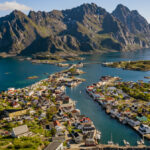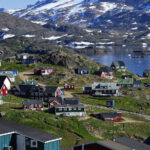

If you are wondering How to Travel to Greenland, you are certainly not alone in dreaming about this stunning destination. Greenland is a popular travel destination for adventurous souls seeking untouched nature, massive glaciers, and a deeply rooted culture. Proper travel planning is incredibly important because it saves time, reduces your overall cost, and avoids unnecessary confusion during your trip.
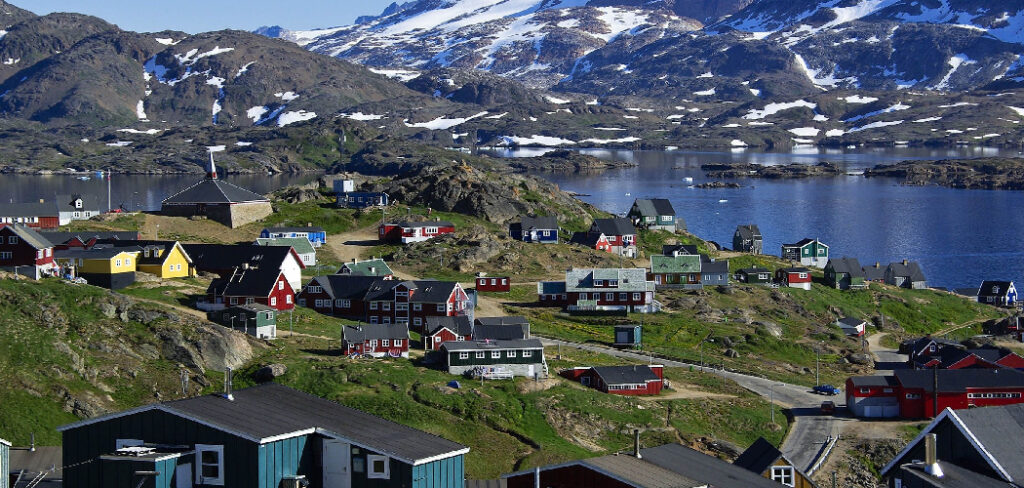
In this guide, you will learn everything about transport, estimated costs, valuable tips, and essential travel requirements. We will also give you a short overview of how to get around using local transport options like domestic flights and coastal ferries. Grab your winter coat, and let us start planning an unforgettable adventure.
Best Time to Visit & Seasonal Weather
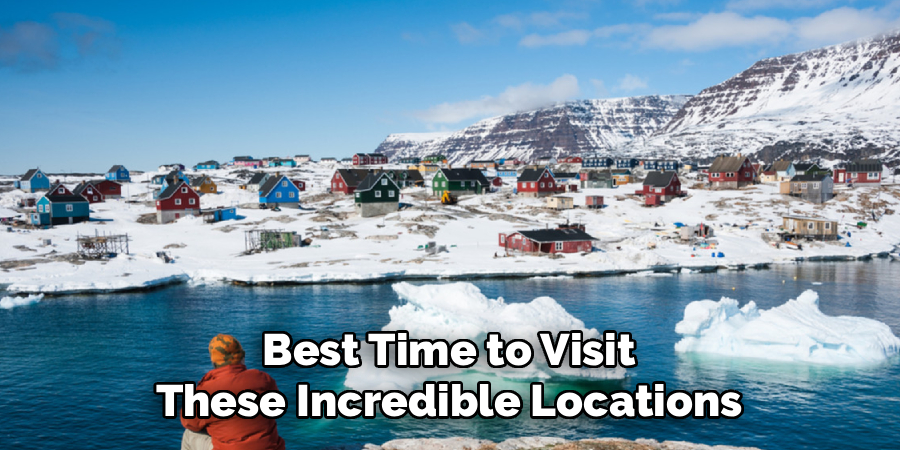
The best months to visit depend entirely on the type of experience you want to have. Summer runs from June to August, offering milder temperatures, the midnight sun, and great conditions for sightseeing or hiking. Winter, stretching from December to March, is the peak season for dog sledding and witnessing the incredible Northern Lights.
Keep in mind that winter brings freezing temperatures and heavy snowfall, which can disrupt travel plans. Budget travelers might prefer the shoulder seasons, though weather can be quite unpredictable. Checking the seasonal weather is an absolute must for a safe journey, regardless of when you arrive.
Visa & Entry Requirements for Tourists
Because it is not part of the Schengen Area, visa requirements here differ from mainland Denmark. Citizens of visa-free countries, including the United States, can visit for up to 90 days without a special visa. If you require a visa for Denmark, you must apply for a specific Greenlandic visa beforehand.
Your passport needs a validity of at least three months beyond your planned departure date. During the immigration check, you might need to show a return ticket and proof of sufficient funds. Always verify these rules with your local embassy before starting your trip.
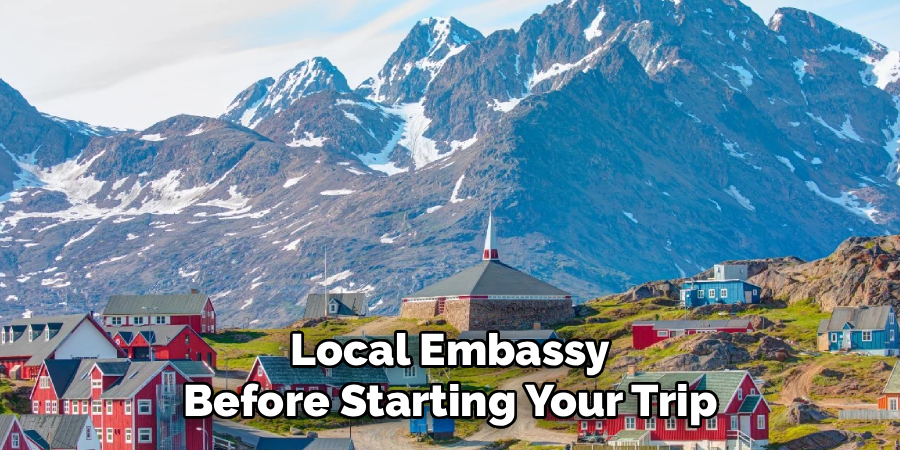
Travel Requirements
Before embarking on your journey, ensure you have all essential documents like your valid passport and government ID. There are currently no mandatory health forms or vaccination requirements for tourists entering the territory. However, purchasing comprehensive travel insurance that covers emergency medical evacuation is highly recommended.
Immigration officials often ask for a confirmed return ticket and solid proof of accommodation, such as a hotel booking. You should also carry a bank statement or credit card to serve as financial proof during your stay. Always pack appropriately to respect local airline rules regarding strict luggage restrictions.
How to Get There
Reaching this massive island requires a bit of strategic planning. The primary international gateway is Kangerlussuaq Airport, with Nuuk Airport also handling a significant number of incoming flights. Most travelers typically reach the country by flying directly from Copenhagen, Denmark, or Reykjavik, Iceland.
Air travel is essentially the only major route, as there are no international ferry services or roads connecting it to other countries. The general travel duration ranges from three to four hours from these European hubs. Flights are available several times a week, though frequency increases significantly during the summer months. Checking a route overview on maps helps you understand how remote the island is before booking.
6 Essential Steps to Journey to Greenland
This section serves as your main travel breakdown. There are multiple ways to travel once you arrive, so understanding your options is vital.
Step 1: Choose Your International Flight
The first stage of your itinerary involves booking an international flight from Copenhagen or Reykjavik. This is the most reliable transport option for visitors arriving from abroad. Travel time is usually around three to four hours once you are in the air.
The average cost ranges from mid-range to expensive, depending on how early you secure your tickets. Comfort levels are generally high, with standard airline amenities provided on board. Flights are available regularly but operate more frequently in summer. This option is best for all travelers since flying is practically the only way to arrive safely.
Step 2: Book Domestic Air Transfers
Once you arrive at the main international hub, you will likely need a domestic flight to reach your final destination. Air Greenland operates a network of small planes connecting various towns across the ice. The travel time can range from thirty minutes to a couple of hours.
Costs are generally high because aviation fuel and logistics in the Arctic are quite expensive. The comfort level is medium, as small aircraft can be noisy and cramped during turbulence. Flights operate daily but are heavily dependent on clear weather conditions.
Step 3: Navigate Coastal Ferries
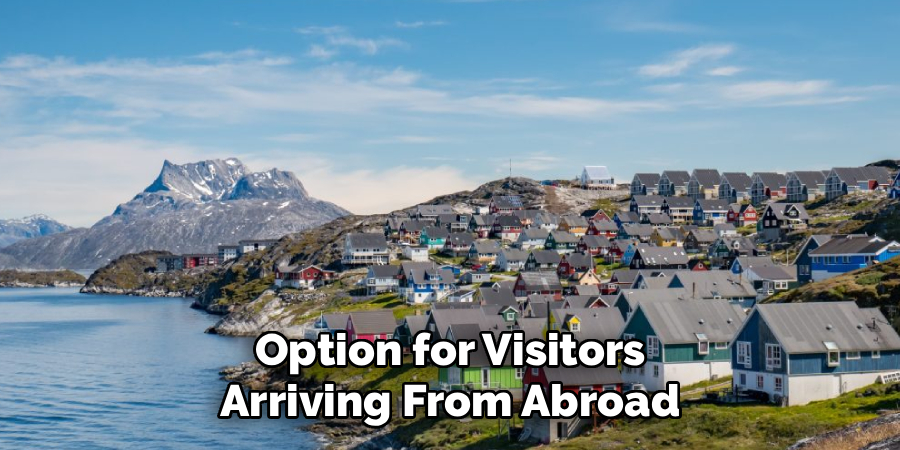
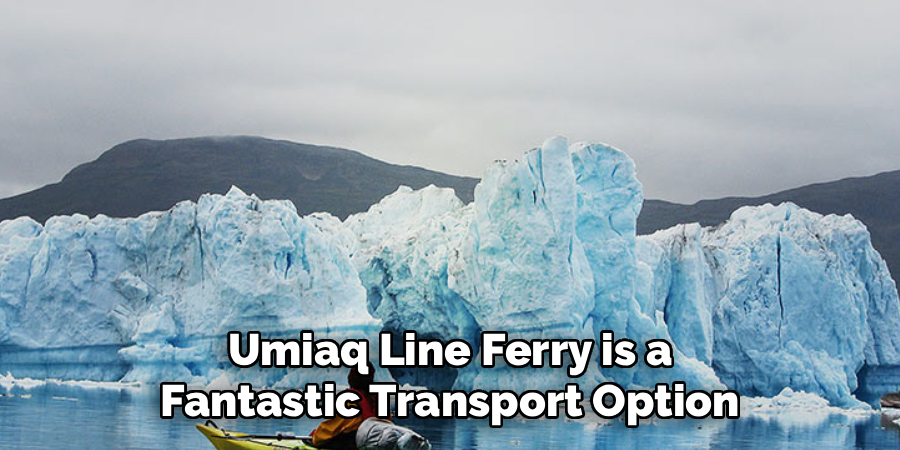
If you want to experience the dramatic coastline, taking the Arctic Umiaq Line ferry is a fantastic transport option. This passenger ship sails along the western coast, stopping at various towns and remote settlements. Travel time can range from a few hours to several days, depending on your route.
The cost is mid-range to high, offering different cabin classes to suit your budget. Comfort is quite high, allowing you to relax and watch for whales from the viewing deck. The ferry operates weekly during the ice-free summer months. This option is perfectly suited for travelers who enjoy scenic ocean voyages.
Step 4: Arrange Local Boat Transfers
For shorter distances between smaller villages, local boat charters are a common method of transportation. These small vessels weave through fjords and icebergs to drop you off at hiking trails or tiny settlements. The travel time usually spans one to three hours.
Costs can vary significantly, often leaning toward the mid-range budget depending on the total distance. Comfort levels are medium, as the ride can be bumpy and the ocean breeze is cold. Charters are flexible and can often be booked on demand. This is best for adventure seekers looking to explore off-the-beaten-path locations.
Step 5: Experience Dog Sledding Routes
During the winter months, dog sledding becomes a traditional and highly practical transport option in the northern regions. Guided tours allow you to travel across frozen fjords and snowy landscapes just like the locals do. Travel time varies from short two-hour rides to extensive multi-day expeditions.
The average cost is relatively high due to the specialized nature of the dogs and equipment. Comfort is low to medium, requiring heavy winter gear to withstand the freezing Arctic winds. Availability is limited strictly to the snowy winter season. This is best for travelers wanting an authentic cultural experience.
Step 6: Utilize Snowmobiles for Quick Transit
When the landscape freezes over entirely, snowmobiles offer a much faster transport option than traditional dog sleds. Many locals and tour operators use them to cover vast snowy distances in a fraction of the time. Travel time is usually under an hour for trips between neighboring settlements.
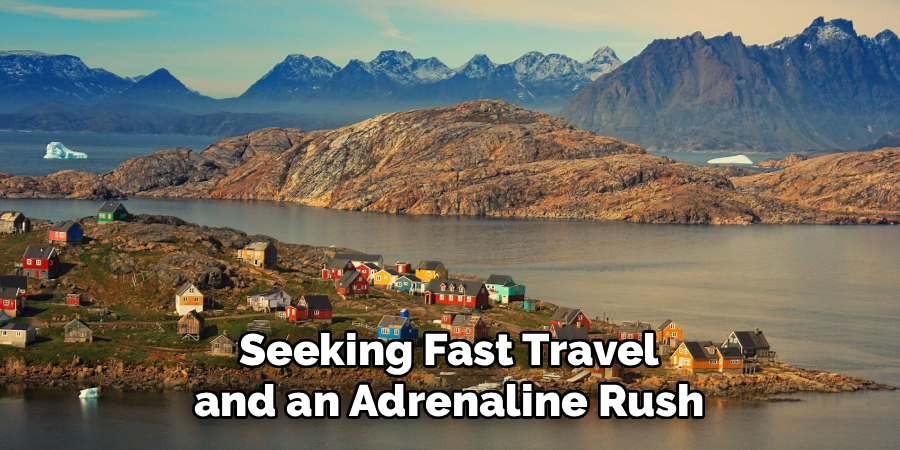
The cost sits in the mid-range bracket, often cheaper than chartering a helicopter flight. Comfort is medium, providing a thrilling but physically demanding ride across the icy terrain. They are widely available for rent or as part of a guided tour during winter. This is ideal for those seeking fast travel and an adrenaline rush.
Pros and Cons of Each Travel Option
Every travel option here has distinct advantages and disadvantages. Flights offer incredible speed and convenience, making them perfect for covering huge distances quickly. However, they suffer from high costs and frequent weather delays.
Coastal ferries provide excellent comfort and stunning scenic views, yet they demand a lot of travel time and have limited weekly availability. Dog sleds and snowmobiles give you unmatched flexibility and cultural immersion in winter, but they lack heating and physical comfort. Local boats are great for remote access, though they can be quite expensive for solo budget travelers.
Best Way to Travel
The best overall travel option is a combination of domestic flights and the coastal ferry. Flying between major hubs provides the reliability and speed needed to maximize your vacation days without stress. Once in a specific region, taking the ferry offers the perfect balance of cost, comfort, and breathtaking sightseeing.
This hybrid approach delivers the key benefits of convenience and safety while allowing you to witness the spectacular ice fjords up close. It easily accommodates the needs of an average traveler without requiring an extreme luxury budget or causing the exhaustion associated with rugged overland expeditions.
Top Attractions & Must-Visit Places
The sheer scale of the landscape means there are countless breathtaking attractions to discover. For first-time visitors, checking out the major natural and cultural sites is highly recommended.
- Ilulissat Icefjord: A stunning UNESCO World Heritage site filled with massive, floating icebergs.
- Nuuk: The vibrant capital city featuring the fascinating National Museum.
- Qaqortoq: A charming southern town known for its colorful houses and nearby Viking ruins.
- Disko Bay: The ultimate spot for whale watching and midnight sun boat tours.
Most nature spots have no entry fees, making summer the best time to visit these incredible locations.
Best Areas to Stay / Accommodation
Choosing the best neighborhood to stay heavily depends on your personal itinerary. Nuuk is the most convenient area for first-time visitors, offering excellent mid-range hotels, vibrant city vibes, and easy transport links. Ilulissat is the top choice for luxury resorts, putting you in direct proximity to the famous icefjord.
Budget travelers can find cozy hostels and guesthouses in smaller towns like Sisimiut or Qaqortoq. Safety is exceptional across all areas, so you can confidently book a local bed-and-breakfast anywhere. Always remember to book your accommodation months in advance during the busy summer season.
Food & Local Cuisine
Experiencing the local cuisine is a fascinating part of your Arctic journey. Popular local dishes heavily feature fresh seafood, reindeer, and muskox sourced directly from the surrounding environment. First-time visitors must try the traditional soup called suaasat, which is incredibly hearty and warming.
You will find excellent restaurant options in Nuuk and Ilulissat, serving both local flavors and international fare. A typical mid-range meal can be quite expensive since most fresh ingredients are imported. Vegetarians and vegans can usually find suitable dietary options in larger hotel restaurants.
Travel Cost & Time
Having a clear idea of your travel cost and time is vital for a stress-free trip. The average daily cost for a budget traveler sits around $150 to $200, mainly covering hostel beds and grocery store meals. Mid-range travelers should expect to spend between $300 and $500 daily for comfortable hotels and restaurant dining.
Average travel time varies drastically depending on your chosen route. A flight from the airport to a neighboring city takes just an hour, while the same route via ferry could take overnight. Traveling during the peak summer season increases costs significantly, whereas the off-peak shoulder months offer cheaper tickets. Always factor in extra time for your itinerary, as heavy fog and winter storms frequently cause transport delays.
Estimated Budget & Money-Saving Tips with Currency
Your estimated budget for a one-week mid-range trip will be roughly $3,000, covering transport, food, local travel, and small expenses. Simple money-saving tips include booking flights early, traveling off-season, and buying meals from local supermarkets. There are rarely any city transport passes, so walking is your best free option.
The local currency is the Danish Krone (DKK), with 1 USD equaling approximately 7 DKK. Credit cards and contactless payments are widely accepted at major areas and hotels. We suggest carrying small cash for remote villages and keeping money in separate safe places to avoid unexpected ATM charges.
Connectivity: SIM Cards & Essential Travel Apps
Staying connected in the Arctic is easier than you might initially think. Local SIM cards are available at the airport and major telecom shops through Tusass, the primary network provider. Their data plans are reliable but generally more expensive compared to standard European rates.
If your phone supports it, buying a prepaid eSIM online before arrival is a highly convenient option. You will need your passport to purchase a physical SIM locally. Essential travel apps include offline maps and translation tools. Always download offline maps, as cellular service drops completely once you leave the town borders.
Language & Local Etiquette
The main language spoken is Greenlandic (Kalaallisut), alongside Danish. Basic English usage is very common in hotels, tour agencies, and larger towns, so communication is rarely an issue. Learning a simple local phrase like “Qujanaq” (thank you) is highly appreciated by the locals.
General behavior should be polite and respectful, especially when visiting small, tight-knit communities. There is no strict dress code, but practical, warm clothing is always the norm in public places. Tipping is not expected or required in restaurants or public spaces, making dining out a bit simpler.
Travel Tips
When researching How to Travel to Greenland, keep these general tips in mind for a smooth journey. We strongly suggest planning and booking your flights and hotels several months in advance. Always arrive early at ferry terminals and small airports, as schedules can occasionally shift.

Keep your important documents organized in a waterproof folder to protect them from the snow. Advise packing light and smart, focusing exclusively on warm, waterproof layers rather than high fashion. Encourage using local weather apps for navigation and daily updates to ensure you never get caught in a sudden storm.
Travel Safety, Common Scams & Mistakes to Avoid
General travel safety awareness is important, even in a destination known for its incredibly low crime rate. Common scams like fake taxis or ticket scams are practically nonexistent here. However, a major mistake to avoid is underestimating the harsh natural environment.
You should identify suspicious situations related to weather, not people. Suggest using official transport and verified tour services rather than wandering onto glaciers alone. Advise keeping valuables secure in your bags, more to protect them from the elements than from theft. Recommend avoiding sharing personal details with strangers, and maintain common sense in public areas.
Safety & Health Precautions
Combining general safety and health precautions is crucial for an Arctic vacation. Basic health tips include maintaining good hygiene and hydration, as the cold air can be surprisingly dry. Highlight common travel risks like slipping on ice or getting lost in unfamiliar, snowy areas.
Suggest carrying basic medicines or a small first-aid kit, as pharmacies in remote towns have limited supplies. The tap water is incredibly pure, making safe food and drink choices very easy. Advise keeping emergency contacts accessible at all times, and encourage responsible, cautious behavior whenever you step outside the town limits.
Frequently Asked Questions
What is the cheapest way regarding How to Travel to Greenland?
The most budget-friendly option is booking your flights from Copenhagen several months in advance and traveling during the shoulder season. Using local coastal ferries instead of domestic flights will also drastically cut down your overall travel cost.
How many days should I plan for my trip?
You should plan for at least seven to ten days. This gives you enough time to explore the major natural attractions, experience the local culture, and account for any sudden weather delays that might disrupt your itinerary.

Are credit cards widely accepted everywhere?
Yes, credit and debit cards are accepted in almost all hotels, restaurants, and supermarkets in the major towns. However, it is always a smart option to carry a little cash for small purchases in remote villages.
Conclusion
Understanding How to Travel to Greenland is the first step toward an unforgettable Arctic adventure. This massive island offers a truly unique travel experience filled with majestic icebergs, fascinating wildlife, and welcoming communities. We want to reassure you that safe travel here is incredibly easy when you focus on proper planning and preparation.
By booking early and respecting the unpredictable weather, your trip will be nothing short of spectacular. For a helpful final tip, remember to always dress in layers so you can comfortably enjoy everything this breathtaking destination has to offer.

About
Ethan Brooks is a dedicated travel writer and tourism specialist with over a decade of experience exploring more than 150 countries. His professional focus centers on city routes and budget travel, where he combines real-world travel insights with efficient planning strategies.
Ethan is known for creating smart, well-structured travel systems that are practical, cost-effective, and easy to follow. As a core author at thetraveliy.com, he helps both first-time travelers and experienced explorers plan smooth, confident journeys.
Education
The University of Queensland (Australia) Bachelor’s Degree in Tourism Management
-
Focus: Global tourism systems, destination planning, and travel operations.
-
Specialization: Gained practical knowledge in travel logistics, itinerary development, and tourism industry structures.
Publications and Impact
At thetraveliy.com, Ethan Brooks publishes clear, structured, and experience-driven content focused on:
-
Transportation Logistics: Navigating complex transit systems with ease.
-
Itinerary Planning: Creating time-efficient schedules for any destination.
-
Budget-Friendly Solutions: Maximizing value without sacrificing the experience.
Ethan’s work simplifies complex travel decisions, making it easier for readers to plan efficient and affordable trips. By blending practical advice with real-world experience, he helps travelers create well-organized journeys while saving both time and money.