

If you are wondering exactly How to Visit Murano and Burano, you have found the perfect guide to starting your unforgettable Italian adventure. These two iconic islands in the Venetian Lagoon are world-renowned travel destinations, famous for their stunning glassmaking history, vibrant lace-making traditions, and brightly colored fishing houses.
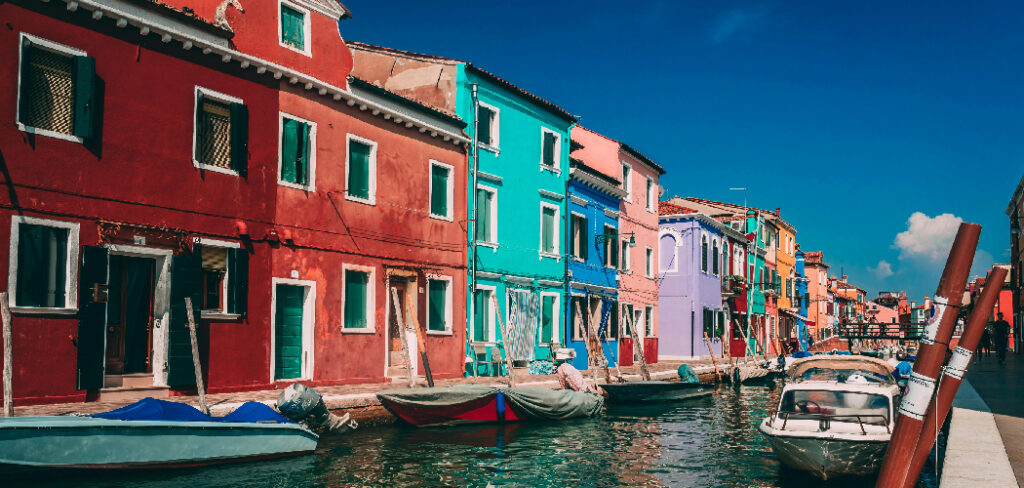
Proper travel planning is incredibly important because it saves you valuable time, minimizes unexpected costs, and helps you avoid the usual tourist confusion at the ferry docks. In this guide, you will learn everything you need to know about local transport options, estimated travel costs, insider tips, and essential travel requirements. Getting around relies mostly on public water buses, known as vaporettos, which offer a highly scenic and enjoyable ride across the beautiful lagoon.
Best Time to Visit & Seasonal Weather
The absolute best months to explore these beautiful islands are April, May, September, and October. During these periods, the weather is beautifully mild, featuring comfortable temperatures and lower humidity levels compared to the intense summer peak season. Summer brings warm, sunny days but also massive crowds and occasional rain showers.
Winter is much quieter and budget-friendly, though the cold winds sweeping across the lagoon can be quite biting. For budget travelers, the off-season offers cheaper accommodation, whereas sightseeing enthusiasts will prefer the pleasant spring and autumn months. If you visit in September, you might even catch local events connected to the historic Regatta, adding a deeply cultural layer to your journey.
Visa & Entry Requirements for Tourists
Since Murano and Burano are officially part of Venice, Italy, standard Italian entry rules completely apply to all visitors. Travelers from visa-free nations, including the United States, Canada, and the UK, can enjoy entry for up to ninety days without needing a formal tourist visa. You must simply ensure your passport remains valid for at least six months beyond your planned departure date.

At the immigration checkpoint, officers might occasionally ask to see your return ticket, a confirmed hotel booking, and proof of sufficient funds for your stay. The entry process is generally fast and straightforward for tourists arriving at the main international airports. Always check for any newly updated European travel authorization requirements before flying.
Travel Requirements
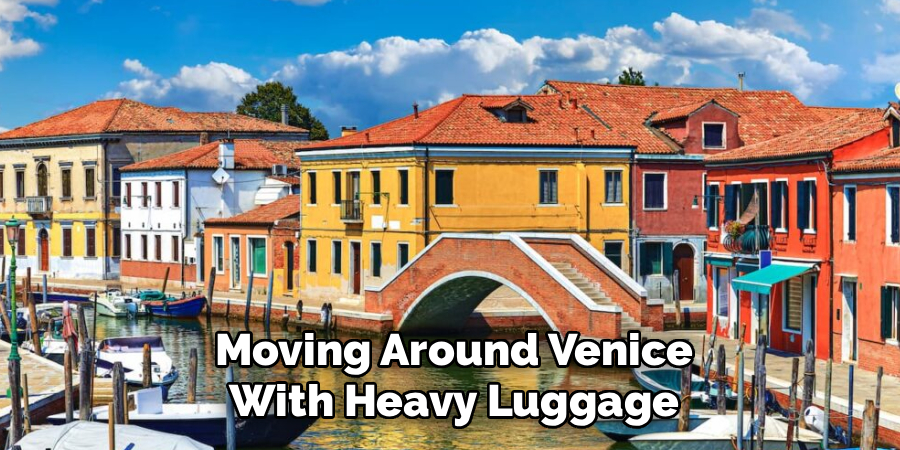
Before packing your bags, gather all your essential travel documents, including a valid passport, any necessary visas, and a government-issued identification card. Italy does not currently require specific health forms or mandatory vaccinations for general tourist entry, but carrying comprehensive travel insurance is always highly recommended to cover unexpected medical issues or sudden trip cancellations. Make sure you have clear digital or printed copies of your return ticket and your primary accommodation booking. Financial proof, such as a recent bank statement or an active credit card, might be requested at the border to confirm you can support yourself. Keep in mind that moving around Venice with heavy luggage is notoriously difficult, so packing light is a massive advantage.
How to Get There
The most common and convenient gateway to the Venetian islands is the Venice Marco Polo Airport, located right on the edge of the lagoon. Travelers typically reach the city center from the airport or the Santa Lucia train station, which connects Venice to major European cities via high-speed rail. Once you arrive at the main terminal or the historic city center, your primary route to the islands is via the water.
The total journey usually takes anywhere from forty-five minutes to an hour and a half, depending on your starting point and the type of boat you choose. Vaporettos run daily with excellent frequency, ensuring you rarely have to wait long. A quick glance at a digital map will easily show you the ferry lines branching out toward the northern lagoon.
6 Simple Steps to How to Visit Murano and Burano
Step 1: Choose Your Starting Point in Venice
Your journey begins by selecting the right departure dock based on where you are staying in the city. The most popular departure point for the northern islands is the Fondamente Nove stop, which offers the most direct and fastest public water bus routes. If you are starting near the main train station or the famous St. Mark’s Square, you will need to take a connecting water bus first. The travel time to the departure dock varies, but it usually takes around twenty minutes. This step is best for travelers who want to organize their morning efficiently without rushing through the crowded streets. A helpful tip is to map your walking route to Fondamente Nove the night before you travel.
Step 2: Buy the Right Transport Ticket
Once you know your route, purchasing the correct ticket is absolutely essential for a smooth and cost-effective trip. Single-ride tickets are quite expensive, so buying a twenty-four-hour travel card is highly recommended if you plan to island-hop throughout the day. These unlimited passes provide medium comfort as you do not have to worry about buying new tickets at every stop. You can easily purchase them from automated machines, ticket booths, or official mobile applications. This option is perfect for budget-conscious travelers and those who value flexibility over rigid schedules. Remember to validate your digital or paper ticket at the electronic reader before stepping onto the floating platforms to avoid any hefty fines.

Step 3: Board the Vaporetto to Murano
With your ticket validated, it is time to board the correct vaporetto, specifically Line 12 or Line 4.1, heading directly toward the famous glassmaking island. The boat ride from Fondamente Nove to Murano is relatively short, usually taking only about ten to fifteen minutes. The comfort level is generally medium, though it can get quite crowded during the morning rush hours. These water buses run frequently, often departing every twenty minutes, making it incredibly easy to fit into any schedule. This leg of the journey is perfect for those who want a fast, reliable, and highly scenic introduction to the Venetian Lagoon. Try to secure a standing spot near the open windows for some lovely early morning photographs.
Step 4: Explore the Glass Factories
Upon arriving at the island, take the time to visit one of the traditional glassblowing furnaces that have operated here for centuries. You can easily walk between the main attractions, meaning there are no additional transport costs during this part of your day. Spending an hour or two watching the master artisans shape glowing hot glass is an unforgettable experience with a very high comfort level, as it is entirely self-paced. Demonstrations are available daily, catering wonderfully to curious tourists, families, and art enthusiasts alike. A practical tip is to explore the smaller, slightly hidden workshops located away from the primary tourist streets for a much more authentic and intimate viewing experience.
Step 5: Catch the Ferry to Burano
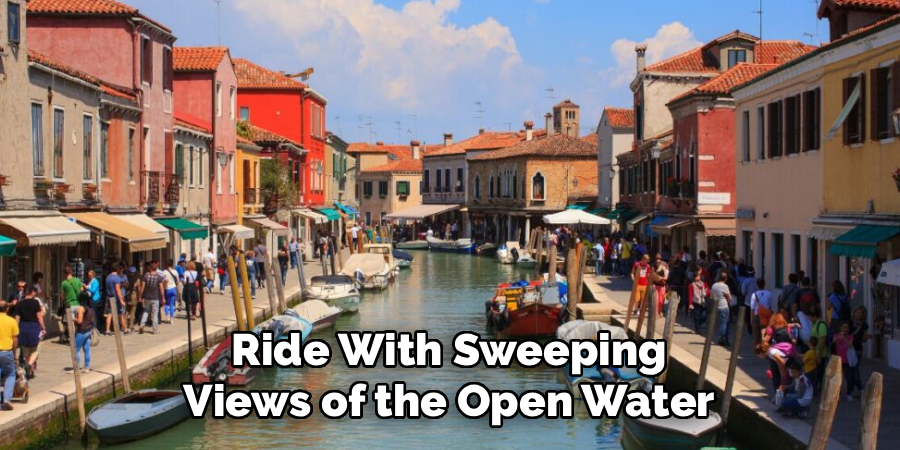
After soaking in the artistic atmosphere of your first stop, head back to the main lighthouse dock, known as Faro, to catch the Line 12 vaporetto. This specific water bus takes you straight across the lagoon to the famously colorful fishing village. The travel time is roughly thirty to forty minutes, offering a beautifully relaxing and highly comfortable ride with sweeping views of the open water. These ferries depart roughly every thirty minutes, so you never feel incredibly rushed. This option is ideal for travelers who enjoy slow, scenic transit and love watching the small marshy islands pass by. Grab a seat at the back of the boat if you want to enjoy the fresh sea breeze.
Step 6: Return to the Main City
Concluding your island adventure involves taking the same Line 12 water bus all the way back to the historic center. The return journey takes about forty-five minutes, especially if the boat makes brief stops along the way. The cost is already fully covered if you purchased the daily unlimited travel pass earlier in the morning. Comfort levels can vary depending on the time of day, as late afternoon boats returning to the city are often quite full. This step is necessary for all travelers wrapping up their day trip and heading back to their hotels for dinner. A smart move is to leave slightly before sunset to avoid the absolute peak rush of tourists heading back simultaneously.
Pros and Cons of Each Travel Option
Every transportation method across the lagoon naturally comes with its own unique set of advantages and disadvantages. Public vaporettos offer massive flexibility, reasonable pricing, and the authentic local commuting experience, but they can be incredibly crowded and relatively slow during peak hours. Private water taxis provide the ultimate high-speed convenience, absolute privacy, and total comfort, allowing you to bypass all the lines. However, the extreme cost of private boats makes them inaccessible for most standard vacation budgets. Guided tour boats are completely stress-free and guarantee you see the highlights efficiently, but they heavily restrict your free time and limit your ability to explore the quiet backstreets independently.
Best Way to Travel
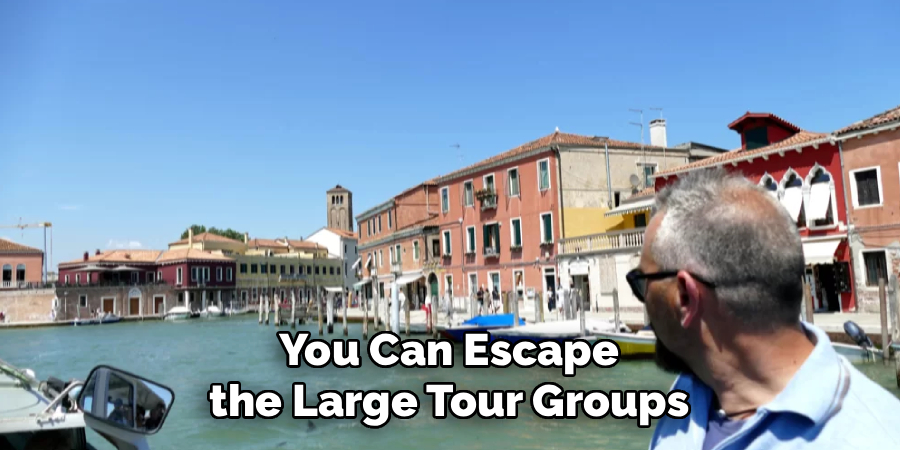
The absolute best overall travel option for the vast majority of visitors is purchasing a twenty-four-hour public vaporetto pass and navigating the route independently. This perfectly balances reasonable costs with complete freedom, allowing you to spend exactly as much time as you want in each location. It is incredibly reliable, with boats running consistently from early morning until late at night. This method completely caters to the average traveler who wants convenience without paying the extreme premium of a private water taxi. Independent travel ensures you can escape the large tour groups and find a quiet cafe whenever you need a break.
Top Attractions & Must-Visit Places
The islands are absolutely packed with incredible landmarks, fascinating museums, and completely charming neighborhoods that you simply must see.
- The Glass Museum: Located on the first island, this incredible museum beautifully showcases centuries of delicate, world-famous craftsmanship.
- Church of Santa Maria e San Donato: A stunning historic church featuring a mesmerizing mosaic floor and legendary dragon bones hanging behind the altar.
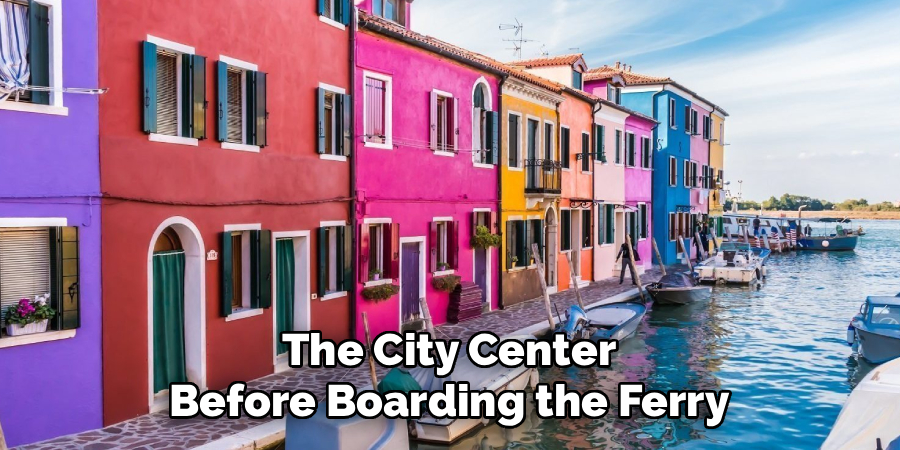
- The Colorful Houses: The vibrant, brightly painted fishing homes create the ultimate photographer’s paradise.
- The Lace Museum: A wonderful cultural stop where you can learn about the intricate, historically significant local textile traditions.
- Bepi’s House: The most intricately painted and famous house on the island, covered in beautiful geometric shapes and bright colors.
Best Areas to Stay / Accommodation
While most people stay in the main city and take a day trip, staying directly on the islands offers a beautifully peaceful and entirely unique experience. The area around the main glassmaking canals provides excellent mid-range hotels that are delightfully quiet once the day-trippers leave at sunset. For luxury seekers, there are incredible resort options tucked away on private adjacent islands offering spectacular lagoon views. Budget travelers will find charming, family-run guesthouses and lovely Airbnb apartments near the colorful fishing houses. Staying locally guarantees proximity to the ferry docks and incredible safety, making it a fantastic choice for couples looking for a romantic, uncrowded evening atmosphere.
Food & Local Cuisine
The culinary scene here is deeply rooted in fresh seafood and traditional Venetian lagoon recipes that you simply must try. A true highlight is the classic risotto de go, a rich and incredibly flavorful rice dish made from a very specific type of local lagoon fish. You will easily find fantastic mid-range trattorias serving up plates of fried calamari, fresh pasta, and lovely small snacks known as cicchetti. Typical meals range from budget-friendly bakery snacks to more expensive sit-down dinners overlooking the calm water. The main waterfronts feature plenty of popular dining spots, but wandering down the quiet residential alleys usually leads to the most authentic and memorable local meals.

Travel Cost & Time
Visiting these incredible islands is generally an affordable day trip if you manage your transit and dining choices wisely. The average daily cost for a budget traveler sits around thirty to fifty euros, mostly covering the daily public transport pass and a casual lunch. Mid-range travelers who enjoy a sit-down seafood meal and maybe a glass souvenir should expect to spend closer to a hundred euros. Travel time from the main city center to the furthest island is generally about one hour each way. Traveling during the quieter morning hours perfectly optimizes both your time and money, helping you completely avoid the long waits and crowded midday boats.
Estimated Budget & Money-Saving Tips with Currency
A comfortable mid-range budget for this trip is roughly sixty to eighty euros per person, easily covering your unlimited transport pass, a great lunch, and a few coffees. To save money, always pack a reusable water bottle and buy your twenty-four-hour boat ticket instead of single-ride fares. The local currency is the Euro, with approximate exchange rates fluctuating regularly against major global currencies like the US Dollar. Cash and contactless credit cards are widely accepted, but having small coins is incredibly helpful for tipping or buying small pastries. ATMs are easily found near the main ferry stops, but checking your bank’s international conversion fees beforehand will completely save you from unwanted surprise charges.
Connectivity: SIM Cards & Essential Travel Apps
Staying connected while navigating the lagoon is incredibly easy, thanks to excellent local telecom infrastructure. You can easily purchase local SIM cards from major providers like TIM or Vodafone at the airport or in the city center before boarding the ferry. Digital eSIM options are increasingly popular and can be purchased online before you even arrive, offering great data speeds and instant connectivity. You will absolutely need your passport or official ID to register a physical SIM card in Italy. Essential travel applications include Google Maps for walking directions and the official AVM Venezia app for checking highly accurate, real-time public water bus schedules.
Language & Local Etiquette
The primary language spoken across the lagoon is Italian, closely followed by the distinct and historical Venetian dialect. Basic English is very commonly understood in restaurants, hotels, and ticket offices, making general communication quite easy for international tourists. Learning a few simple phrases like “buongiorno” (good morning) and “grazie” (thank you) will earn you incredibly warm smiles from the local residents. Cultural norms dictate that you should always dress modestly if you plan to enter the historic churches. When walking through the narrow residential streets, keep your voice down, respect private property boundaries, and never sit on the bridges or block the busy pathways.
Travel Tips
For an absolutely seamless journey, one of the most important aspects is learning exactly How to Visit Murano and Burano with proper timing. Try to start your day as early as possible to completely beat the massive afternoon tour groups and enjoy the quiet morning light. Keeping your travel documents and your daily transport pass organized in a secure, easily accessible pocket will save you immense frustration at the electronic boarding gates. Always pack light, wearing highly comfortable walking shoes and bringing a light jacket for the breezy boat rides. Check the local weather forecast before you leave your hotel, as sudden high tides or heavy fog can occasionally disrupt the usual ferry schedules.
Travel Safety, Common Scams & Mistakes to Avoid
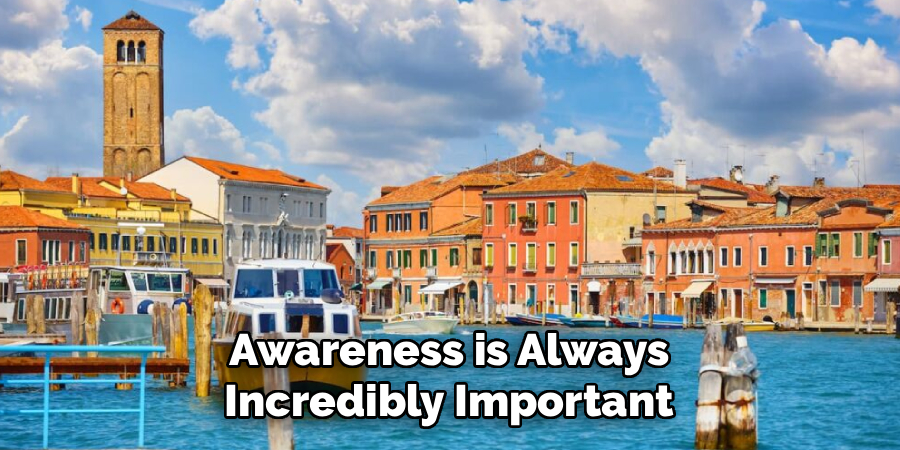
General travel safety is excellent across the lagoon, but maintaining standard situational awareness is always incredibly important for a stress-free trip. Be cautious of unofficial tour guides near the train station who try to aggressively sell heavily overpriced private boat tours to the islands. Always verify the water bus schedules and ticket prices through the official transport applications or automated machines. Use official public transport and avoid anyone offering a remarkably cheap, off-the-books taxi ride. Keep your personal valuables securely zipped up in a cross-body bag, especially when standing shoulder-to-shoulder with other tourists on the crowded afternoon ferries returning to the main city center.
Safety & Health Precautions
Combining basic safety awareness with smart health precautions ensures your island trip remains entirely positive and absolutely memorable. Staying properly hydrated is incredibly important, especially during the fiercely hot and highly humid summer months when you are walking outside all day. The local tap water is completely safe to drink, so utilizing the public fountains is a great hygienic and environmentally friendly choice. Pack a very small first-aid kit containing basic items like band-aids for unexpected blisters and mild pain relievers for travel headaches. Keep the local emergency contact number, 112, saved in your phone and always act responsibly when standing near the edge of the deep, unprotected canals.
Frequently Asked Questions
What is the best way to plan How to Visit Murano and Burano?
The most efficient way is to purchase a twenty-four-hour public vaporetto pass and start your journey incredibly early in the morning. This method completely optimizes your travel time, minimizes your overall costs, and avoids the heavy afternoon crowds.
How much time do you need to see both places?
You should comfortably allocate a minimum of five to six hours for the entire trip. This perfectly allows for the boat transit times, a relaxing seafood lunch, and plenty of unhurried walking through the quiet, colorful streets.
Are the islands worth visiting in the winter?
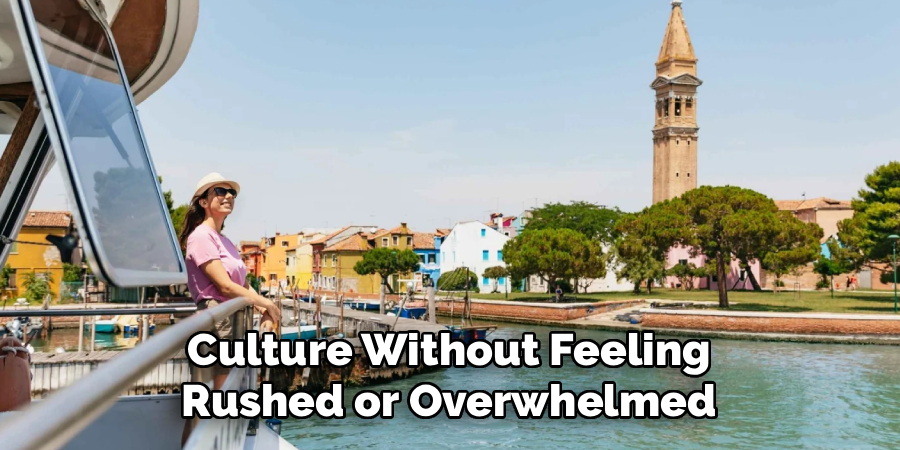
Yes, they are wonderfully peaceful and highly authentic during the colder months. You will completely avoid the massive tourist crowds, enjoy significantly lower accommodation prices, and experience the incredible local culture without feeling rushed or overwhelmed.
Conclusion
Now that you know exactly How to Visit Murano and Burano, you are completely ready to embark on this spectacular Italian journey. These magnificent islands offer an incredibly rich blend of world-class artistry, stunning historical architecture, and a wonderfully peaceful atmosphere away from the bustling main city. By carefully planning your transport route, choosing the right travel tickets, and respecting the beautiful local culture, your day trip will be entirely stress-free and deeply rewarding. Remember to pack your camera, wear your most comfortable walking shoes, and embrace the incredibly slow, relaxing pace of traditional lagoon life.

About
Ethan Brooks is a dedicated travel writer and tourism specialist with over a decade of experience exploring more than 150 countries. His professional focus centers on city routes and budget travel, where he combines real-world travel insights with efficient planning strategies.
Ethan is known for creating smart, well-structured travel systems that are practical, cost-effective, and easy to follow. As a core author at thetraveliy.com, he helps both first-time travelers and experienced explorers plan smooth, confident journeys.
Education
The University of Queensland (Australia) Bachelor’s Degree in Tourism Management
-
Focus: Global tourism systems, destination planning, and travel operations.
-
Specialization: Gained practical knowledge in travel logistics, itinerary development, and tourism industry structures.
Publications and Impact
At thetraveliy.com, Ethan Brooks publishes clear, structured, and experience-driven content focused on:
-
Transportation Logistics: Navigating complex transit systems with ease.
-
Itinerary Planning: Creating time-efficient schedules for any destination.
-
Budget-Friendly Solutions: Maximizing value without sacrificing the experience.
Ethan’s work simplifies complex travel decisions, making it easier for readers to plan efficient and affordable trips. By blending practical advice with real-world experience, he helps travelers create well-organized journeys while saving both time and money.