
Are you wondering how to travel to Iguazu Falls for your next vacation? Iguazu Falls is a massively popular travel destination shared between Argentina and Brazil. The sheer power and stunning nature make it incredibly attractive to travelers worldwide.

Proper travel planning is highly important because it saves time, reduces costs, and avoids confusion at border crossings. In this guide, you will learn about transportation, estimated costs, safety tips, and travel essentials.
Getting around is quite easy with local buses, taxis, and organized tours available on both sides. We hope this beginner-friendly breakdown helps you prepare for an unforgettable South American journey.
Best Time to Visit & Seasonal Weather
The absolute best months to visit Iguazu Falls are during the spring and fall shoulder seasons. You will experience pleasant temperatures, lower humidity, and more manageable crowds.
Summer brings heavy rainfall and high humidity, making the falls spectacular but the weather quite hot. Winter offers cooler, drier days, but water levels might drop slightly during this time.
Peak season aligns with summer holidays and major festivals, which increases both crowds and costs. Budget travelers and sightseers usually prefer the off-season for a quieter, cheaper experience.
Visa & Entry Requirements for Tourists
Understanding the visa requirements for both Argentina and Brazil is essential for a smooth trip. Many North American and European travelers enjoy visa-free entry to both countries for short tourist visits.
Your passport must maintain validity for at least six months beyond your planned date of departure. Immigration officials might ask for a return ticket, proof of hotel booking, and evidence of sufficient funds.
The entry process involves a simple immigration check where border agents stamp your passport. Tourists typically receive a duration of 90 days, though you should always verify current regulations.
Travel Requirements
Before packing your bags, gather all essential documents like your passport, valid ID, and any required visas. Some travelers may need specific health forms or proof of yellow fever vaccination, depending on their recent travel history.
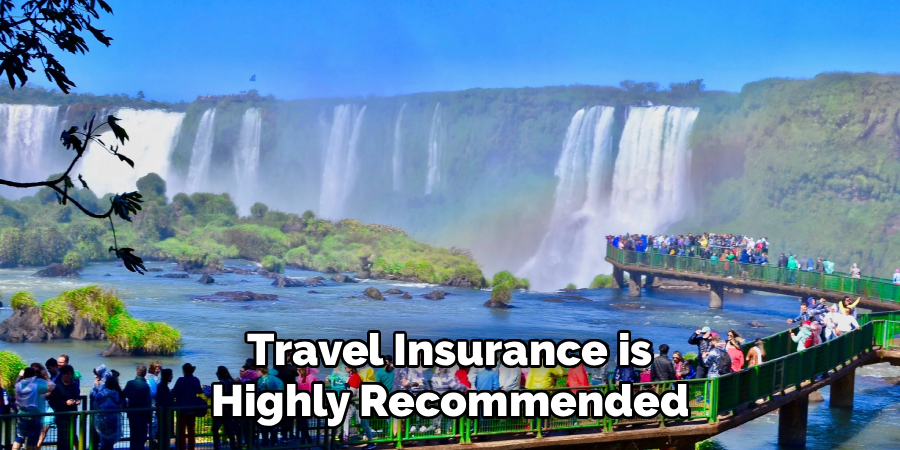
Comprehensive travel insurance is highly recommended to cover unexpected medical emergencies or trip delays. You must also carry proof of a return or onward ticket to satisfy airline and immigration rules.
Having printed proof of your accommodation and a recent bank statement ensures a hassle-free arrival. Always check luggage restrictions and local customs rules to avoid delays at the airport.
How to Get There
The most common way to arrive is by flying into one of the two nearest airports. You can choose Cataratas del Iguazú International Airport in Argentina or Foz do Iguaçu International Airport in Brazil.
Travelers typically reach the region via connecting flights from major cities like Buenos Aires or São Paulo. General travel duration ranges from a quick two-hour flight to an overnight bus ride.
Transportation is highly frequent, with daily flights and regular long-distance luxury buses operating year-round. An easy route overview involves flying into the regional airport and taking a quick shuttle directly to your hotel.
6 Easy Steps to How to Travel to Iguazu Falls
Step 1: Choose Your Arrival Country
The first major step in your journey plan is deciding whether to arrive in Argentina or Brazil. Both sides have dedicated international airports that connect easily to their respective capital cities.
Flying is the fastest option, usually taking around two hours from Buenos Aires or Rio de Janeiro. Average costs range from budget-friendly domestic airlines to mid-range legacy carriers.
This high-comfort option operates daily and is best for fast travel and maximizing your vacation time. A quick tip is to book your domestic flights well in advance to secure the best rates.
Step 2: Consider Long-Distance Buses
If you prefer a slower pace, South America offers incredible long-distance luxury buses. You can travel from major hubs directly to the main bus terminals near the national parks.
This journey usually takes between 15 and 20 hours, depending on your starting location. While it takes longer, the cost is firmly in the budget to mid-range category.

These buses offer high comfort levels with fully reclining seats, meals, and air conditioning. This option is highly available and perfect for budget travelers seeking to save on a night of accommodation.
Step 3: Arrange Airport Transfers
Once you arrive at the airport, you must secure transport to your chosen accommodation. You can pick between private taxis, shared shuttle vans, or public buses waiting outside the terminal.
The travel time to the main town centers is generally about 20 to 30 minutes. Costs range from very low for public buses to medium for private taxi services.
Taxis provide a high comfort level, while public buses can be crowded during peak hours. Shared shuttles run frequently and are an excellent choice for solo travelers wanting convenience.
Step 4: Navigate Border Crossings
Visiting both sides of the falls requires crossing the international border between Argentina and Brazil. You can take a specialized cross-border public bus or hire a taxi to drive you through immigration.
The total transit time usually takes about one hour, depending heavily on border traffic. This process carries a low cost, making it highly accessible for all visitors.
Comfort levels are medium, as you must exit the vehicle to process your passport at the checkpoints. This step is flexible, operating daily, and is essential for anyone wanting the complete panoramic experience.
Step 5: Travel to the National Parks
Reaching the actual park entrances from your hotel is a straightforward daily task. Local buses leave frequently from the central terminals, dropping you directly at the visitor centers.
The ride typically takes 30 minutes, giving you plenty of time to enjoy a full day of exploring. This is a highly affordable budget option, though private cars or tour vans cost slightly more.
Comfort is moderate on buses but high if you hire a private guide. This daily service is ideal for all travelers wanting quick, reliable access to the trails.

Step 6: Use Park Transport Systems
Inside the national parks, specialized transport systems help you navigate the vast natural areas. Argentina features a scenic ecological jungle train, while Brazil utilizes a fleet of double-decker panoramic buses.
Travel time between the main trailheads is usually 10 to 15 minutes. The cost is conveniently included in your initial park entrance ticket.
These transport options provide high comfort and run continuously throughout the operating hours. They are perfect for all visitors, especially families, saving your energy for walking the beautiful viewing platforms.
Pros and Cons of Each Travel Option
Every transportation method for reaching the region has distinct advantages and disadvantages to consider. Flying provides excellent speed, unmatched comfort, and incredible convenience for travelers with limited time.
However, flights can carry a higher cost and are subject to occasional delays or luggage restrictions. Long-distance buses offer massive financial savings and flexible scheduling across the continent.
The main disadvantage of bus travel is the lengthy transit time that consumes a full travel day. Comparing these simple options helps you quickly decide what fits your personal vacation style.
Best Way to Travel
The overall best travel option for most visitors is flying into the local regional airports. This method provides the perfect balance of time, reasonable cost, and excellent comfort.
Key benefits include the convenience of skipping 20-hour bus rides and the reliability of daily airline schedules. It perfectly suits average traveler needs, providing plenty of time to explore the trails and viewpoints.
While buses are cheaper, the time saved by flying is incredibly valuable for short vacations. Keeping your transit simple allows you to focus purely on enjoying the spectacular waterfalls.
Top Attractions & Must-Visit Places
The most popular attraction is undoubtedly the Devil’s Throat, an awe-inspiring and massive waterfall section. You should also explore the Upper and Lower circuits in Argentina for incredibly close-up nature views.

The Brazilian side offers a spectacular panoramic view that is absolute perfection for photography. First-time visitors must see the Macuco Safari or the Gran Aventura boat tours to experience the water directly.
Located just outside the parks, the magnificent Parque das Aves bird sanctuary is a must-see spot. Entry fees apply to the parks, and early mornings provide the best wildlife viewing opportunities.
Best Areas to Stay / Accommodation
The two best areas to stay are Puerto Iguazú in Argentina and Foz do Iguaçu in Brazil. Puerto Iguazú offers excellent budget hostels and mid-range hotels with a relaxed, walkable town vibe.
Foz do Iguaçu is a larger city featuring massive luxury resorts and highly convenient commercial centers. Both areas provide great proximity to public transport, restaurants, and the main park entrances.
Popular accommodation types range from cozy local Airbnbs to massive jungle lodges. First-time visitors should book centrally located hotels for the highest safety and easy tour pickups.
Food & Local Cuisine
The region boasts incredible local dishes that blend Argentine and Brazilian culinary traditions beautifully. First-time visitors must try authentic Argentine empanadas and traditional Brazilian cheese bread called pão de queijo.
You will find excellent street food stalls and high-quality steakhouses, known as churrascarias, in both towns. The flavors are rich and savory, heavily featuring grilled meats, fresh tropical fruits, and vibrant spices.
A typical mid-range restaurant meal is quite affordable, while local markets offer fantastic budget bites. Travelers with specific dietary needs can easily find great vegetarian and vegan options in major tourist areas.
Travel Cost & Time
Planning your travel cost and time carefully ensures a highly stress-free South American getaway. A standard mid-range daily budget averages around 100 dollars, covering comfortable lodging, park tickets, and nice meals.
Luxury travelers can spend significantly more on premium jungle resorts and private guided tours. Average travel time from the airport to the city center usually takes a swift 30 minutes.

Flying saves massive amounts of time compared to long-distance buses, though flights cost more upfront. Peak season travel increases both accommodation prices and waiting times at border crossings and park entrances.
Estimated Budget & Money-Saving Tips with Currency
An overall estimated budget for a comfortable mid-range trip requires about 80 to 120 dollars daily. This covers local transport, hearty meals, park entry tickets, and small everyday expenses.
To save money, book your flights early, travel during the off-season, and utilize the cheap local bus system. The local currency is the Argentine Peso on one side and the Brazilian Real on the other.
Credit cards are widely accepted, but ATMs are readily available for withdrawing small amounts of cash. Keeping cash separate and avoiding airport currency exchanges will easily help you skip extra conversion fees.
Connectivity: SIM Cards & Essential Travel Apps
Staying connected is quite easy with local SIM cards widely available at the airports and town shops. Major telecom providers like Claro and Vivo offer excellent, reliable coverage across both border towns.
Prepaid data plans are very inexpensive and usually provide plenty of speed and a 30-day validity. If your phone allows it, purchasing a digital eSIM before arriving is incredibly convenient.
You only need your passport to quickly register a physical SIM card at a local kiosk. Essential travel apps include ride-sharing services, translation tools, and offline maps for exploring the jungle trails.
Language & Local Etiquette
The main languages spoken are Spanish in Argentina and Portuguese in Brazil. Basic English is commonly understood in hotels, national parks, and major tourist restaurants.
Learning a few simple local phrases like “gracias” or “obrigado” is highly appreciated by the locals. The general behavior is warm and welcoming, though maintaining respectful cultural norms is always expected.
Dress comfortably for the tropical weather, but wear modest clothing if visiting any local religious sites. Always practice polite greetings, leave a small tip for good service, and maintain calm public behavior.

Travel Tips
Learning how to travel to Iguazu Falls efficiently requires knowing a few general tips for a smooth journey. We strongly suggest planning your itinerary and booking your accommodation well in advance.
Arriving early at the bus stations, airports, and national park gates helps you beat the massive crowds. Always keep your important travel documents organized in a safe, accessible pouch.
Packing light, breathable clothing and a good rain jacket is smart for the humid, wet environment. Check the daily weather updates before you travel, and use reliable apps for quick navigation.
Travel Safety, Common Scams & Mistakes to Avoid
General travel safety awareness is vital when navigating the busy border towns and transport hubs. You should watch out for common scams like unofficial fake taxis or heavily overpriced private tours.
Stay alert and verify your transportation services by only using official taxi stands or ride-sharing apps. You can identify suspicious situations if someone aggressively pressures you into buying unverified park tickets.
Always keep your valuables, phones, and wallets secure in zipped bags, especially in crowded bus terminals. Avoid sharing your personal hotel details with strangers and remain observant while enjoying the vibrant nightlife.
Safety & Health Precautions
Combining basic safety and health precautions guarantees a highly comfortable and worry-free vacation experience. Excellent hydration, good personal hygiene, and eating at busy, reputable restaurants are crucial health tips.
Common travel risks include severe sunburns and dehydration while walking the sun-exposed jungle trails. We highly suggest carrying a small first-aid kit containing basic medicines and plenty of insect repellent.
To avoid minor illnesses, stick to drinking bottled water and making safe, well-cooked food choices. Keep local emergency contacts accessible on your phone and always encourage responsible, cautious behavior near the water.
Frequently Asked Questions
Is it expensive to visit the falls?
No, the region is highly accessible for all budget levels. Accommodations, local food, and public buses are very affordable. Your main expenses will simply be the park entry fees and your initial transportation to the area.
What is the best way to travel between the two sides?
The absolute best and cheapest option is the international public bus. It runs daily, takes about an hour, and handles the border crossing efficiently. Taxis are faster but carry a slightly higher cost.

How to travel to Iguazu Falls safely?
Traveling safely involves booking official flights or buses, securing your valuables, and avoiding unverified street taxis. Stick to well-lit tourist areas at night, use trusted ride-sharing apps, and stay completely hydrated on the trails.
Conclusion
How to travel to Iguazu Falls is an exciting question that leads to an absolutely unforgettable adventure. This magical destination offers an incredible travel experience filled with lush jungles, vibrant cultures, and massive waterfalls.
You can rest assured that navigating the region is remarkably easy, safe, and highly rewarding. Proper planning and preparation ensure you maximize your time and fully enjoy both the Argentine and Brazilian sides.
As a helpful final tip, always pack a waterproof bag to keep your phone perfectly dry near the misty trails.

About
Ethan Brooks is a dedicated travel writer and tourism specialist with over a decade of experience exploring more than 150 countries. His professional focus centers on city routes and budget travel, where he combines real-world travel insights with efficient planning strategies.
Ethan is known for creating smart, well-structured travel systems that are practical, cost-effective, and easy to follow. As a core author at thetraveliy.com, he helps both first-time travelers and experienced explorers plan smooth, confident journeys.
Education
The University of Queensland (Australia) Bachelor’s Degree in Tourism Management
-
Focus: Global tourism systems, destination planning, and travel operations.
-
Specialization: Gained practical knowledge in travel logistics, itinerary development, and tourism industry structures.
Publications and Impact
At thetraveliy.com, Ethan Brooks publishes clear, structured, and experience-driven content focused on:
-
Transportation Logistics: Navigating complex transit systems with ease.
-
Itinerary Planning: Creating time-efficient schedules for any destination.
-
Budget-Friendly Solutions: Maximizing value without sacrificing the experience.
Ethan’s work simplifies complex travel decisions, making it easier for readers to plan efficient and affordable trips. By blending practical advice with real-world experience, he helps travelers create well-organized journeys while saving both time and money.