
Figuring out how to travel from Copenhagen to Aarhus is much easier than you might think. This popular route connects Denmark’s vibrant capital with its charming second-largest city, making it a favorite journey for tourists and business professionals alike.
Planning this trip properly saves you valuable time, reduces unnecessary costs, and eliminates travel stress. You will learn the best ways to get there, estimated travel times, and practical tips to make the journey incredibly smooth.
Travelers have several great options, including high-speed trains, short domestic flights, comfortable buses, and scenic drives. Let this guide walk you through everything you need to know for a perfect trip.
How to Get There
The journey typically begins in the heart of the capital or directly from Copenhagen Airport. Most travelers reach these starting points via the city’s highly efficient metro system or local taxis.
From there, you can choose between a direct domestic flight to Aarhus Airport, a relaxing train ride, a budget-friendly bus, or renting a car. The travel duration ranges anywhere from a quick 40-minute flight to a scenic three-to-four-hour drive or train ride.
These transport methods run very frequently, with daily flights and hourly train departures. The route generally heads straight across the island of Zealand, over the impressive Great Belt Bridge, and up through the Jutland peninsula.
6 Simple Steps on How to Travel From Copenhagen to Aarhus
Step 1: Consider Taking the Train
The train is arguably the most popular and comfortable transport method for this specific route. Departures happen frequently from Copenhagen Central Station, bringing you directly to the center of your destination.
The entire ride takes roughly three hours, making it highly efficient. Tickets generally fall into a mid-range budget, though booking ahead of time secures the best rates.

Comfort levels are exceptionally high, with spacious seating, quiet zones, and lovely window views of the Danish countryside. This choice is absolutely perfect for travelers who want a stress-free, scenic ride without the hassle of airport security.
Step 2: Look Into Domestic Flights
Flying is a fantastic option if you are incredibly short on time or already starting your journey at the airport. Several daily flights connect the capital directly to the Jutland region.
The actual flight time is only about 40 minutes, though you must factor in security and boarding wait times. Costs can range from mid-level to higher-end depending on how close to the departure date you purchase your ticket.
Comfort is standard for short-haul aviation, getting you to your destination efficiently. This method is best for busy professionals or those prioritizing speed above all else.
Step 3: Evaluate the Long-Distance Bus
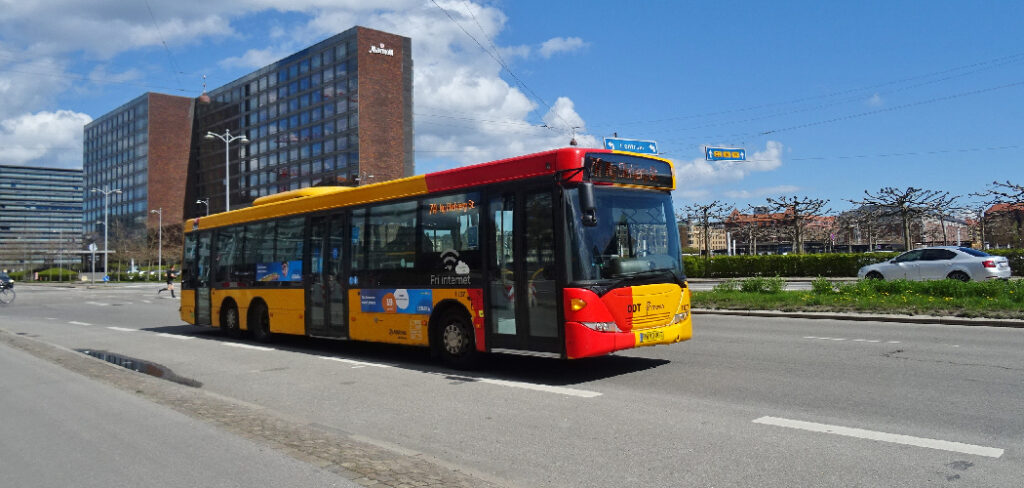
Buses provide an exceptionally budget-friendly alternative for cost-conscious adventurers. Several reliable coach services operate daily routes between the two major cities.
Expect the journey to take roughly three and a half to four hours, depending entirely on local traffic conditions. The cost is wonderfully low, making it an attractive option for students and backpackers.
Modern coaches offer a surprising medium level of comfort, complete with reclining seats and onboard restrooms. If you prefer to save your cash for dining and sightseeing, the bus is undoubtedly your strongest contender.
Step 4: Rent a Car for Ultimate Freedom
Renting a personal vehicle offers unmatched flexibility and the chance to explore at your own pace. You can pick up a car directly at the airport or from various downtown rental agencies.
The drive takes roughly three hours, taking you across the famous and breathtaking Great Belt Bridge. This option leans toward the higher end of the budget spectrum when you combine rental fees, fuel, and bridge tolls.
The comfort level is entirely up to you and the vehicle you select. It is the absolute best choice for families or groups wanting to stop at smaller towns along the way.
Step 5: Explore Ridesharing Opportunities
Ridesharing has become an increasingly popular and highly sustainable way to navigate across Denmark. Platforms connecting drivers with passengers offer a unique, community-driven transit method.
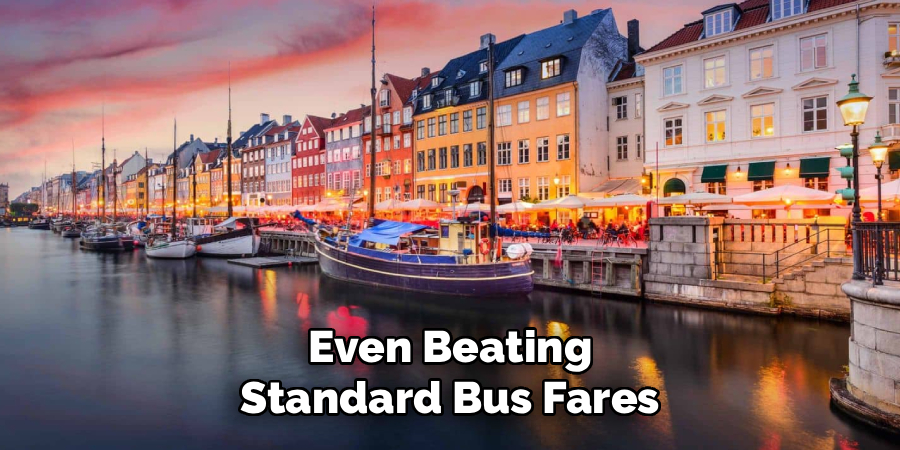
Travel time mirrors driving yourself, usually clocking in around three hours from door to door. The cost is remarkably low, often rivaling or even beating standard bus fares.
Comfort levels vary slightly depending on the driver’s vehicle and how many other passengers are tagging along. This is an excellent route for solo travelers looking to save money and chat with friendly locals.
Step 6: Review Ferry Connections
While there is no direct ferry connecting the two exact city centers, ferry-and-drive combinations exist for the adventurous. You can drive to the western coast of Zealand and catch a scenic ferry across the water.
This hybrid transit style takes roughly three to four hours in total. Costs sit firmly in the mid-range bracket, factoring in both driving expenses and the ferry ticket itself.
The comfort is wonderfully high, allowing you to stretch your legs, grab a coffee, and enjoy the ocean breeze mid-journey. It is highly recommended for travelers who want to break up their drive with a relaxing maritime experience.
Pros and Cons of Each Travel Option
Every single transit method carries its own unique set of advantages and distinct disadvantages. Flights offer incredible speed but come with higher costs and annoying airport security lines.
Trains provide amazing comfort and drop you right downtown, though tickets can get pricey if booked at the last minute. Buses are exceptionally cheap but take slightly longer and offer less legroom.
Driving grants total freedom and scenic detours, yet fuel and toll costs add up quickly. Weighing these simple pros and cons ensures you pick the perfect transit style for your specific needs.
Best Way to Travel
The train consistently stands out as the best overall method for this specific Danish route. It strikes the absolute perfect balance between cost, comfort, and total travel time.
You avoid the tedious stress of airport security while still arriving at your destination in roughly three hours. The convenience of stepping onto a carriage in one city center and stepping off in another is unbeatable.
It suits the average traveler perfectly, offering a relaxed environment to read, work, or simply enjoy the beautiful passing landscapes.
Cheapest Way to Travel
Taking a long-distance bus is undoubtedly the most budget-friendly way to complete this journey. Tickets can be astonishingly cheap, especially if you lock them in several weeks ahead of time.
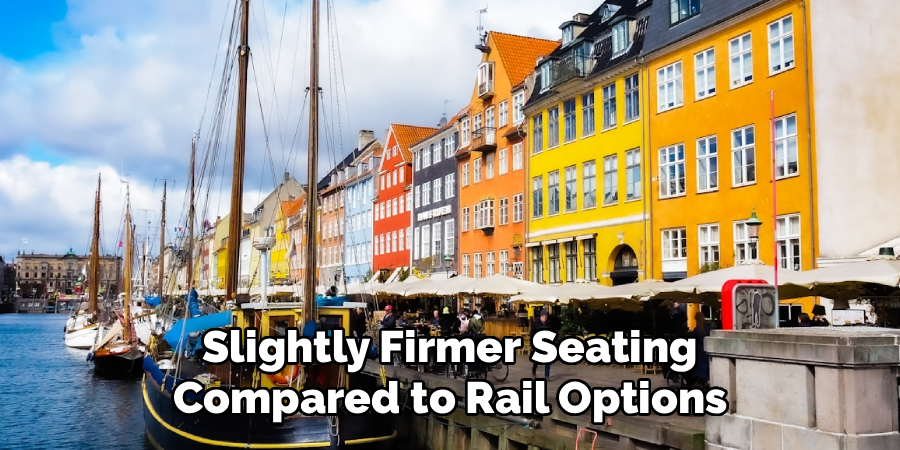
The low cost is due to shared transport efficiencies and slightly longer transit durations. The main trade-off is the extra time spent on the road and slightly firmer seating compared to rail options.
Services run frequently throughout the day, providing plenty of scheduling flexibility. Traveling during off-peak hours or mid-week days often yields the absolute lowest fares available.
Fastest Way to Travel
Catching a direct domestic flight holds the title for the fastest transit method available. The actual time spent in the air is barely 40 minutes from runway to runway.
It uses a direct, high-speed path that completely bypasses road traffic and ground stops. However, you must always remember to add the time needed for checking bags and passing through airport security.
Despite those extra airport steps, flying remains the quickest door-to-door option. It is a highly convenient choice if your schedule is incredibly tight and every single minute counts.
Travel Documents You Must Carry
Always carry your physical passport or a valid national ID card when moving between major regions. Non-European visitors should ensure their required tourist visas are securely in place.
Keep digital and printed copies of your train, bus, or flight tickets easily accessible. Having your hotel booking confirmation handy makes navigating upon arrival completely stress-free.
Do not forget a copy of your travel insurance policy and a list of vital emergency contacts. If you plan to rent a vehicle, carrying a valid driver’s license is absolutely mandatory.
Estimated Budget & Money-Saving Tips
An average mid-range transit budget for this route hovers around a very manageable amount. This covers a standard train or flight ticket, a quick meal, and local transit to your hotel.
Budget travelers can easily slash this cost in half by utilizing the coach bus system. Booking your tickets a month or more in advance is the absolute best way to secure massive discounts.
Traveling outside of peak commuter hours also significantly lowers the price of rail fares. Keep your spending light by packing your own snacks and utilizing the highly efficient public transit upon arrival.
Currency & Money Management
Both cities exclusively use the Danish Krone for all local transactions and purchases. Having a basic understanding of the current exchange rate helps you track your daily spending.
Credit and debit cards are universally accepted, with contactless payments being the absolute norm everywhere. ATMs are incredibly easy to find at stations, airports, and along major downtown streets.
It is always wise to carry a tiny amount of cash for small, unexpected purchases like a street vendor’s coffee. To avoid nasty bank fees, use a travel card with zero foreign transaction charges.
Internet & WiFi Availability
Staying connected is incredibly simple, as public WiFi is widely accessible across Denmark. You will easily find free, reliable networks in airports, train stations, and modern coach buses.
The overall internet speed is exceptionally fast, allowing for easy navigation and video streaming. Most cafes and hotels offer complimentary, high-quality connections for their guests as well.
Using your personal mobile data plan as a backup ensures you never lose access to your maps. Always remember to use a secure connection when checking sensitive information like bank accounts on public networks.
Travel Tips
Planning and booking your transit tickets well in advance guarantees a much smoother journey. Arriving at the station or airport with plenty of time to spare eliminates rushing anxiety.
Keep your passport, tickets, and phone neatly organized in a dedicated, secure travel pouch. Packing relatively light ensures you can easily maneuver your luggage onto trains or buses.
Always check the local weather forecast so you dress appropriately for the current season. Utilizing local transit apps makes tracking real-time departure schedules and platform changes incredibly easy.
Travel Safety, Common Scams & Mistakes to Avoid
Denmark is exceptionally safe, but maintaining general travel awareness is always a smart habit. Be mindful of minor scams, such as unmetered taxis trying to negotiate elevated flat fares.
Simply ensure your driver turns the meter on, or stick exclusively to verified ride-hailing applications. Keep a close eye on your belongings when navigating highly crowded transport hubs.
Store your phone and wallet securely in front pockets or zipped compartments rather than loose bags. Avoid sharing your hotel details or intricate travel plans with absolute strangers you have just met.

Safety & Health Precautions
Combining basic safety awareness with smart health choices ensures a highly enjoyable trip. Stay properly hydrated and wash your hands frequently after navigating busy public transport systems.
While the local tap water is pristine and completely safe to drink, carrying a reusable bottle is highly recommended. Crowded spaces carry a minor risk for common colds, so keeping hand sanitizer nearby is always wise.
Pack a tiny first-aid kit with basic pain relievers and any personal daily medications. Maintain a calm, cautious demeanor, and your transit experience will be wonderfully secure.
Emergency Contacts & Useful Links
Always remember that the general emergency number for police, fire, and ambulance services in Denmark is 112. For non-life-threatening medical advice or police assistance, local non-emergency numbers are readily available.
Keep your home country’s embassy or consulate phone number saved directly in your contacts. It is highly useful to have the customer service number for your chosen airline or rail provider.
Take a quick moment to browse official government tourism sites for the most current travel alerts. Saving these crucial contacts offline ensures you can reach help even without an internet connection.
Frequently Asked Questions
What is the most scenic method for how to travel from Copenhagen to Aarhus?
The train provides the most beautiful scenic route available for this journey. Passengers are treated to relaxing, wide-open views of the lush countryside and the stunning Great Belt Bridge crossing.
How much time should I allocate for this trip?
You should plan for a total transit time of roughly three to four hours. This comfortably covers the train or driving duration, giving you plenty of time to arrive and settle into your hotel.
Is it necessary to pre-book my transit tickets?
Pre-booking your tickets is highly recommended for securing the lowest possible prices. While you can purchase them on the day of travel, booking ensures a guaranteed seat during busy hours.
Conclusion
Now that you know exactly how to travel from Copenhagen to Aarhus, your lovely Danish adventure easily awaits. The journey is remarkably safe, deeply scenic, and brilliantly supported by world-class infrastructure.
Proper planning and smart booking ensure you arrive completely refreshed and ready to explore. Simply choose the transport method that fits your budget, pack your bags, and enjoy the beautiful ride.

About
Ethan Brooks is a dedicated travel writer and tourism specialist with over a decade of experience exploring more than 150 countries. His professional focus centers on city routes and budget travel, where he combines real-world travel insights with efficient planning strategies.
Ethan is known for creating smart, well-structured travel systems that are practical, cost-effective, and easy to follow. As a core author at thetraveliy.com, he helps both first-time travelers and experienced explorers plan smooth, confident journeys.
Education
The University of Queensland (Australia) Bachelor’s Degree in Tourism Management
-
Focus: Global tourism systems, destination planning, and travel operations.
-
Specialization: Gained practical knowledge in travel logistics, itinerary development, and tourism industry structures.
Publications and Impact
At thetraveliy.com, Ethan Brooks publishes clear, structured, and experience-driven content focused on:
-
Transportation Logistics: Navigating complex transit systems with ease.
-
Itinerary Planning: Creating time-efficient schedules for any destination.
-
Budget-Friendly Solutions: Maximizing value without sacrificing the experience.
Ethan’s work simplifies complex travel decisions, making it easier for readers to plan efficient and affordable trips. By blending practical advice with real-world experience, he helps travelers create well-organized journeys while saving both time and money.