
Figuring out How to Visit Matterhorn can feel a little overwhelming at first, but proper travel planning saves time and cost. Located in the breathtaking Swiss Alps, this iconic peak is a world-renowned travel destination. It attracts countless visitors every year thanks to its stunning nature, thrilling winter sports, and rich mountaineering culture.
Knowing your transportation options and travel essentials helps you avoid confusion during your journey. In this guide, you will learn about transport, estimated costs, and valuable tips for navigating the region safely.
Getting around the area relies heavily on local transport options like trains and cable cars, as the main base town of Zermatt is entirely car-free. Grab a warm cup of coffee, relax, and let us walk you through a beginner-friendly itinerary.
Best Time to Visit & Seasonal Weather
The best months for your journey depend entirely on what you want to experience in the Swiss Alps. Summer runs from July to September, offering mild temperatures, lower humidity, and excellent conditions for hiking.
Winter brings heavy snowfall and freezing temperatures, transforming the region into a snowy paradise for skiing between December and February. The rainy season typically occurs in late spring, which can limit visibility and outdoor activities.
Peak season happens during the height of summer and the middle of winter, meaning higher costs and larger crowds. Off-season travel provides a quieter experience, though some cable cars close for maintenance. Budget travelers often prefer the shoulder months like October, while sightseeing enthusiasts love the clear skies of late summer.
Visa & Entry Requirements for Tourists
Entering Switzerland requires understanding the specific visa and entry rules for your nationality. Citizens of the Schengen Area, the US, Canada, and the UK generally enjoy visa-free entry for short tourist visits.
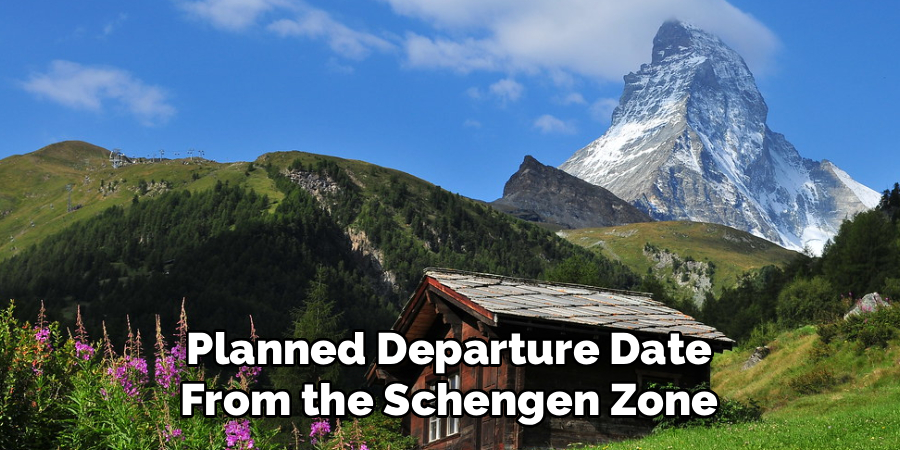
Travelers from other regions may need to apply for a Schengen visa before their journey begins. Your passport must remain valid for at least six months beyond your planned departure date from the Schengen zone.
Immigration officials might ask to see required documents like a return ticket, proof of funds, and a confirmed hotel booking. The entry process is typically smooth, involving a standard passport check and occasional questions about your itinerary. A standard tourist visa usually allows a stay of up to 90 days within a 180-day period.
Travel Requirements
Gathering your essential documents early is a crucial part of travel planning. You will need your physical passport, any required visa, and a valid government ID.
While specific health forms or vaccinations are rarely required for Switzerland, checking recent updates before departure is always wise. Comprehensive travel insurance is highly recommended to cover medical emergencies, trip cancellations, or extreme sports injuries.
Airline rules often dictate that you show a return or onward ticket before boarding your flight. You should also carry physical or digital proof of your accommodation, such as a hotel booking confirmation. Having financial proof, like a recent bank statement or an active credit card, ensures you meet the entry criteria without stress.
How to Get There
The nearest major airports for international arrivals are Geneva Airport and Zurich Airport. From these hubs, travelers typically reach the region by relying on Switzerland’s highly efficient railway network.
The most popular route involves taking a train from either airport directly to the town of Visp, followed by a connecting train up to Zermatt. The general travel duration ranges from three to four hours depending on your starting city.
Trains run daily with remarkable frequency, meaning you rarely have to wait long for the next departure. If you prefer a visual route overview, checking Google Maps gives you a clear idea of how the journey connects through the mountainous terrain. This seamless transportation system makes reaching the base of the mountain a truly scenic and relaxing experience.
6 Simple Steps to How to Visit Matterhorn
Step 1: Choose Your Transport
Selecting the right transportation is the foundation of your journey to the Swiss Alps. Most travelers rely on the extensive train network, which provides incredible scenic views and high comfort levels. The approximate travel time from major airports like Zurich or Geneva is about three to four hours with seamless transfers.
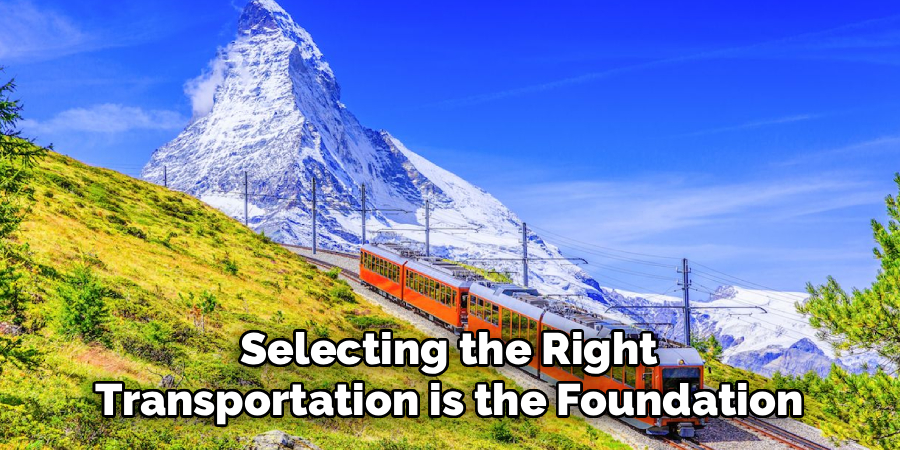
The average cost ranges from mid-level to slightly expensive, but purchasing a Swiss Travel Pass can lower the overall expense. Trains run daily and frequently, making this option ideal for fast travel and comfort-seekers. A helpful tip is to secure window seats on the right side of the train for the best valley views.
Step 2: Book Your Accommodation
Finding the perfect place to stay requires booking well in advance, especially during peak tourist seasons. Zermatt serves as the primary base camp, offering a wide range of hotels, cozy chalets, and budget-friendly hostels.
The average cost varies significantly, with luxury resorts charging premium rates while smaller lodges offer moderate pricing. Comfort levels are generally high across all lodging types, catering to both budget travelers and luxury seekers.
Availability becomes strictly limited during winter holidays and summer hiking months. Booking early ensures you secure a convenient location close to the train station or ski lifts.
Step 3: Secure Your Travel Documents
Organizing your paperwork ensures a stress-free entry into Switzerland and smooth check-ins at your hotel. You must verify your passport validity, secure the necessary Schengen visa if required, and print your travel insurance details.
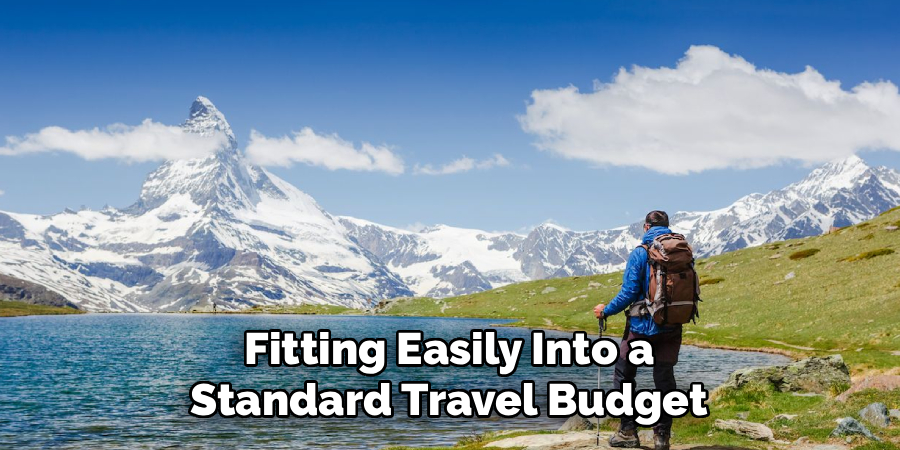
The time investment for this step is minimal if done a few weeks before departure, but replacing a lost document takes much longer. Costs are generally limited to visa application fees and insurance premiums, fitting easily into a standard travel budget.
This preparation step offers a high comfort level by eliminating last-minute panic at the airport. It is best suited for all international travelers who want a seamless transition through immigration.
Step 4: Plan Your Local Itinerary
Mapping out your daily activities helps you maximize your time without feeling rushed in the high altitude. Your itinerary should include major cable car rides, specific hiking trails, and time allocated for simply enjoying the alpine atmosphere.
Planning takes a few hours of research, but it saves immense time once you arrive at your destination. This step costs nothing to complete, though you will budget for the specific excursions you choose to include.
Having a flexible schedule provides medium to high comfort, allowing you to adjust plans if the mountain weather changes suddenly. This approach is highly recommended for sightseeing travelers who want to experience all the major viewpoints.
Step 5: Pack Your Travel Essentials
Gathering the right clothing and gear is vital for handling the unpredictable alpine climate safely. You need to pack warm layers, sturdy walking shoes, a waterproof jacket, and sun protection regardless of the season.
Packing usually takes an afternoon, but acquiring specific winter gear might require a bit of shopping time beforehand. The cost of travel essentials varies based on what you already own, but investing in quality layers is highly advisable.
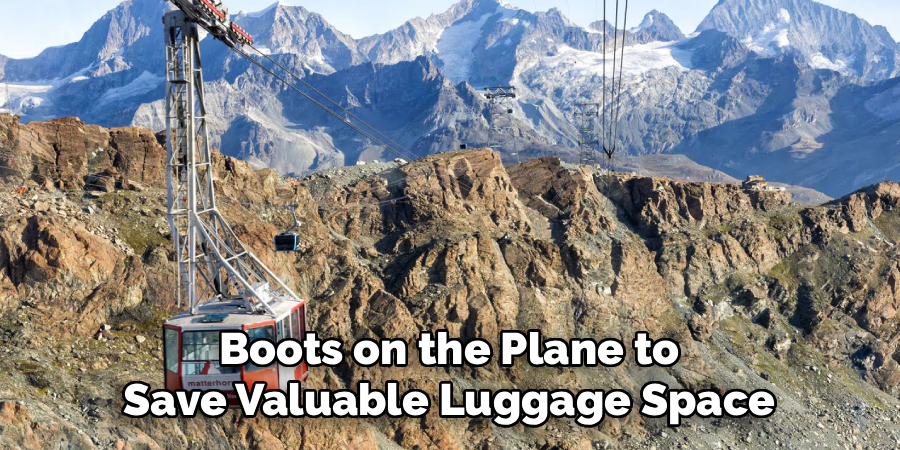
Proper packing guarantees a high comfort level, keeping you warm and dry during sudden temperature drops. A practical tip is to wear your bulkiest hiking boots on the plane to save valuable luggage space.
Step 6: Navigate Local Transportation
Moving around the base town and accessing the mountain peaks requires understanding the local transport systems. Since cars are banned, you will rely on electric taxis, local buses, and your own two feet to navigate the village.
Travel time within the village is very short, rarely taking more than twenty minutes to reach any destination. The electric buses are usually free if you hold a ski pass, making the cost range very budget-friendly.
This transport method offers a medium comfort level, as walking in snow gear can sometimes be tiring. It is the perfect setup for eco-conscious travelers and those looking to enjoy a peaceful, exhaust-free environment.
Pros and Cons of Each Travel Option
Every transportation method offers distinct advantages and disadvantages that you should weigh carefully. Traveling by train provides incredible convenience, high speed, and spectacular scenery, but train tickets can be quite costly.
Renting a car gives you flexibility to explore surrounding regions, but you must park in a neighboring town since Zermatt is car-free. This adds parking fees and requires a shuttle transfer, which increases your overall travel time.
Taking a bus is often the most budget-friendly option, though it is much slower and subject to traffic delays. Understanding these simple trade-offs helps you choose the option that best fits your schedule and wallet.
Best Way to Travel
The absolute best overall travel option for reaching this destination is the Swiss railway system. It perfectly balances time, comfort, and reliability, sweeping you directly into the heart of the car-free village.
Trains eliminate the stress of navigating icy mountain roads, finding parking, or dealing with unexpected traffic delays. This method caters wonderfully to the average traveler needing convenience and generous luggage space.
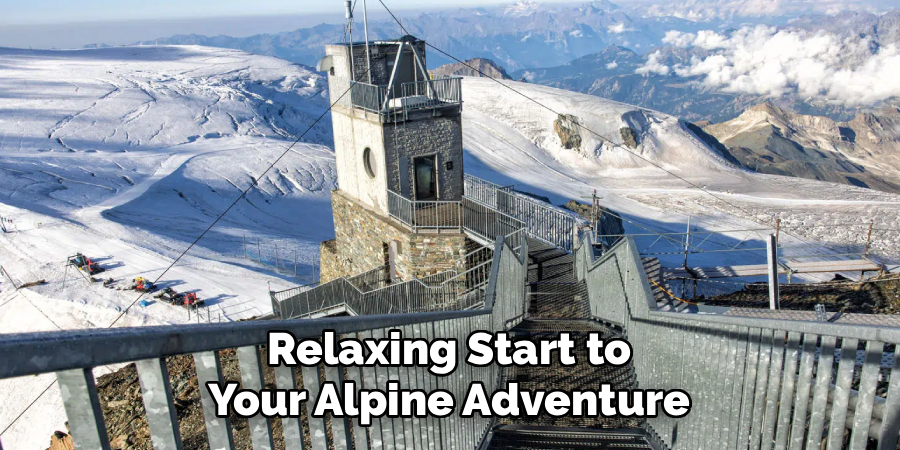
While driving might seem appealing for a broader road trip, the mandatory parking and shuttle transfers make it overly complicated here. Sticking to the train network guarantees a scenic, relaxing start to your alpine adventure.
Top Attractions & Must-Visit Places
The region boasts an incredible array of landmarks and nature spots that will leave you completely mesmerized. The Gornergrat Railway is a must-see, taking visitors up to a spectacular observation deck with panoramic alpine views.
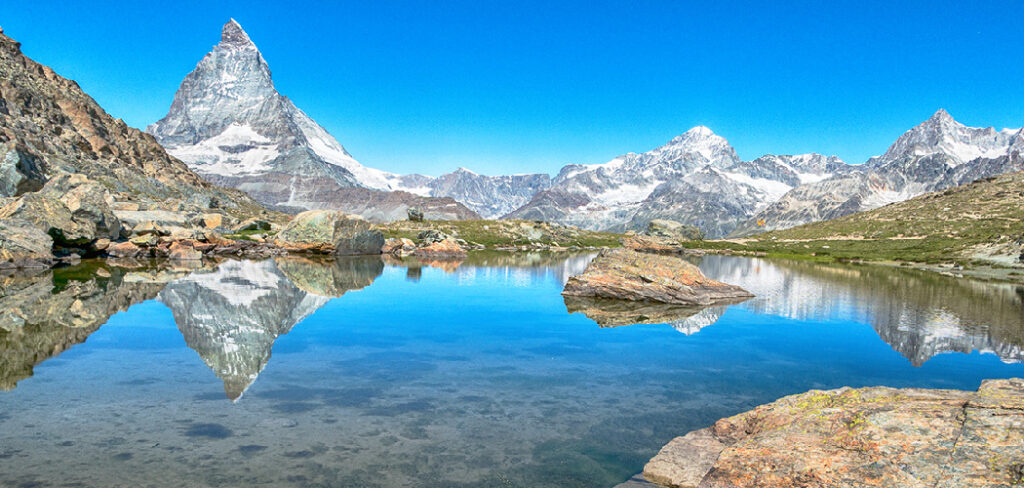
Another incredible spot is the Glacier Paradise, offering the highest cable car station in Europe and an enchanting ice palace. Nature lovers should not miss the Five Lakes Walk, a scenic hiking trail where the mountain reflects perfectly in the water.
These areas are perfect for first-time visitors wanting iconic photographs and accessible walking paths. Remember to check cable car entry fees and operating hours, as they change depending on the season.
Best Areas to Stay / Accommodation
Choosing the right neighborhood in the base town significantly impacts your overall travel experience. The town center is the most convenient area, offering quick access to the train station, shops, and restaurants.
For mid-range to luxury budgets, the areas near the ski lifts provide fantastic ski-in and ski-out resort options. Budget travelers can find cozy hostels and more affordable Airbnb rentals slightly further from the main street.
Safety is universally excellent across all neighborhoods, so your choice depends largely on your preferred vibe and walking tolerance. First-time visitors generally benefit most from staying near the central train station for ultimate convenience.
Food & Local Cuisine
Exploring the local cuisine adds a delicious and comforting layer to your alpine journey. You absolutely must try traditional Swiss fondue and raclette, which are rich, melted cheese dishes perfect after a cold day outside.
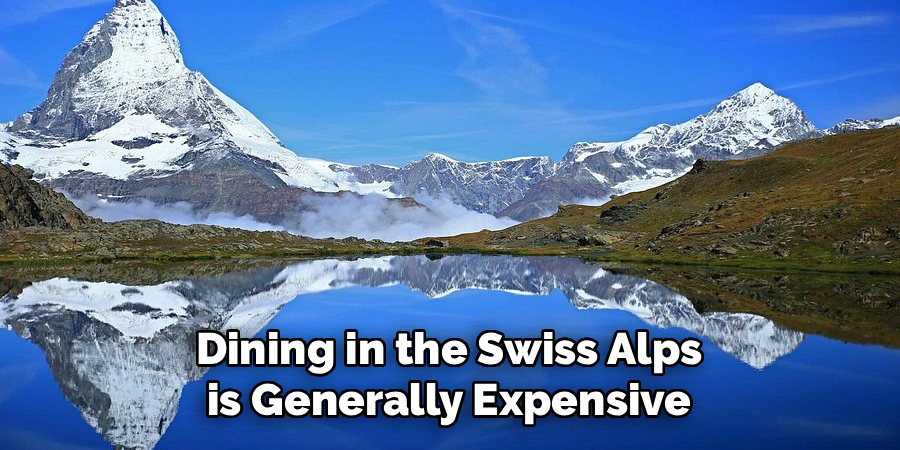
Rosti, a crispy potato dish often served with egg and bacon, is another hearty staple found in most local restaurants. The typical meal cost leans toward the mid-range and luxury side, as dining in the Swiss Alps is generally expensive.
You can find more budget-friendly options by grabbing fresh pastries or sandwiches from local bakeries along the main street. Many restaurants also happily accommodate dietary needs, offering excellent vegetarian and gluten-free options upon request.
Travel Cost & Time
Having a clear idea of your travel cost and time helps you manage your expectations and budget effectively. An average daily cost for a budget traveler runs around 150 Swiss Francs, covering a hostel bed, supermarket meals, and a short train ride.
Mid-range to luxury travelers can easily spend anywhere from 300 to 800 Francs daily on fine dining, resort stays, and premium cable car passes. The travel time from the airport to the village takes about three and a half hours by train.
Traveling during the peak winter or summer seasons drives accommodation costs up significantly compared to the quieter shoulder months. Train delays are exceedingly rare, making your travel time highly predictable and stress-free.
Estimated Budget & Money-Saving Tips with Currency
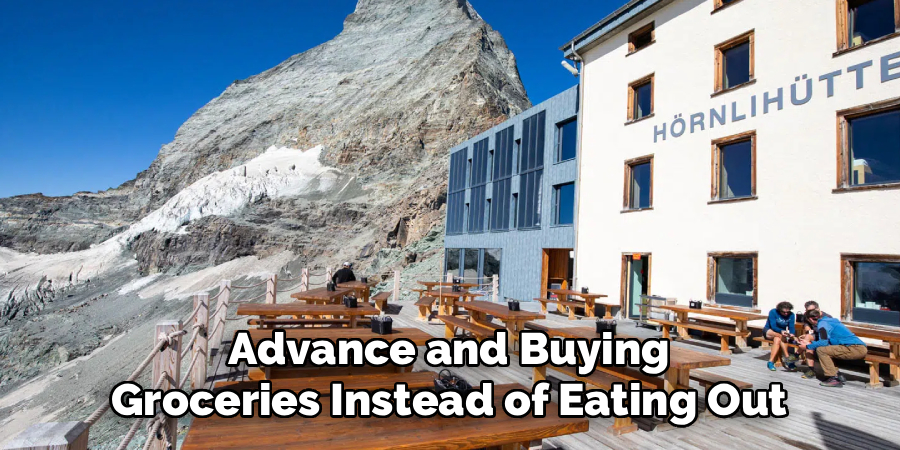
A realistic estimated budget for a four-day mid-range trip is roughly 800 to 1,200 Swiss Francs, covering transport, comfortable lodging, and daily excursions. Budget travelers can reduce this by utilizing simple money-saving tips like booking accommodation months in advance and buying groceries instead of eating out.
Purchasing a regional travel pass is a fantastic way to secure discounts on trains and major mountain cable cars. The local currency is the Swiss Franc (CHF), with 1 USD equaling approximately 0.90 CHF depending on current exchange rates.
Credit and debit cards, along with contactless payments, are accepted almost everywhere, including small bakeries and ticket booths. It is still wise to carry a small amount of cash for minor purchases, keeping it secured in a safe place to avoid ATM conversion fees.
Connectivity: SIM Cards & Essential Travel Apps
Staying connected during your journey is incredibly simple thanks to excellent local telecom infrastructure. You can easily purchase local SIM cards at major airports, train stations, or convenience shops upon arrival.
Major telecom providers like Swisscom and Salt offer reliable data plans with great speeds and weekly validity options. If your phone supports it, buying a prepaid eSIM before you travel is the most convenient choice.
You will typically need to show your passport to register a physical SIM card in-store. Be sure to download essential travel apps like the SBB Mobile app for train schedules and offline Google Maps for navigating the village.
Language & Local Etiquette
The main language spoken in this specific region of Switzerland is German, often heavily accented as Swiss-German. However, basic English usage is incredibly common, especially in hotels, restaurants, and ticket offices.
Learning a few useful local phrases, like saying “Grüezi” for hello and “Danke” for thank you, shows respect and friendliness. General cultural norms emphasize politeness, punctuality, and keeping noise levels down in public spaces.
There is no strict dress code, but dressing neatly and appropriately for the weather is highly expected. Tipping is not strictly required since a service charge is included in bills, but rounding up the amount is a polite gesture.
Travel Tips
When planning How to Visit Matterhorn, it helps to keep a few practical things in mind for a smooth journey. Always plan and book your accommodation and train passes well in advance, especially during the busy holiday weeks.
Arriving early at train stations ensures you have plenty of time to find the correct platform and load your luggage. Keep your important documents organized in a secure, easily accessible travel pouch.
Pack light and smart, focusing on versatile layers rather than bulky, single-use winter clothing. Finally, always check the local mountain weather apps each morning before heading up to the higher peaks.
Travel Safety, Common Scams & Mistakes to Avoid
General travel safety awareness is important, even in a country known for being exceptionally secure. While serious crime is rare, you should remain alert for common scams like overcharging for unofficial taxi transfers at the lower valley stations.
Stay alert and verify services by only purchasing tickets from official booths or certified websites. Identify suspicious situations by trusting your instincts if a stranger offers unsolicited, heavily discounted tour packages.
Keep your valuables, such as phones and wallets, secure in zipped pockets while navigating crowded train platforms. Focus on prevention by avoiding sharing your specific hotel room details with strangers you meet in transit.
Safety & Health Precautions
Combining general safety and health precautions ensures you return home with only fond memories. Basic health tips include staying hydrated at high altitudes and practicing good hand hygiene in public transit areas.
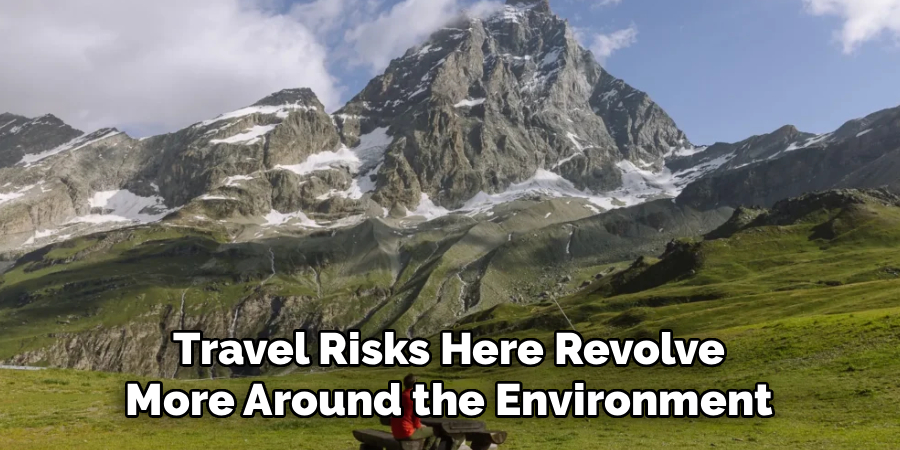
Common travel risks here revolve more around the environment, such as altitude sickness or slipping on icy pedestrian paths. Carrying a small first-aid kit with basic medicines, blister pads, and pain relievers is a very smart move.
Avoid illness by dressing warmly enough to prevent chills and wearing appropriate UV protection to prevent severe snow glare sunburns. Keep emergency contacts, including the local mountain rescue number, saved in your phone and easily accessible.
Frequently Asked Questions
What is the best month to travel?
The best month depends on your interests. September offers clear skies and excellent hiking, while February provides the absolute best snow conditions for skiing. Both months balance great weather with manageable crowds.
Do I need a visa for Switzerland?
Citizens of the US, UK, Canada, and the Schengen Area do not need a visa for short tourist trips. Other nationalities should check Schengen visa requirements and apply well before their planned journey.
How to Visit Matterhorn?
The most efficient way is taking a scenic train from Zurich or Geneva directly to Zermatt. Once there, you can ride the Gornergrat railway or local cable cars to reach the stunning observation decks safely.
Conclusion
Learning How to Visit Matterhorn is the first step toward an unforgettable alpine adventure. The breathtaking landscapes and highly efficient local transportation make exploring this region both easy and completely safe for beginners.
Proper planning, from packing warm layers to understanding ticket costs, ensures you spend less time worrying and more time admiring the views. Take these practical tips to heart and prepare yourself for an incredible journey.
Start organizing your travel documents today, and get ready to experience the true magic of the Swiss Alps!

About
Ethan Brooks is a dedicated travel writer and tourism specialist with over a decade of experience exploring more than 150 countries. His professional focus centers on city routes and budget travel, where he combines real-world travel insights with efficient planning strategies.
Ethan is known for creating smart, well-structured travel systems that are practical, cost-effective, and easy to follow. As a core author at thetraveliy.com, he helps both first-time travelers and experienced explorers plan smooth, confident journeys.
Education
The University of Queensland (Australia) Bachelor’s Degree in Tourism Management
-
Focus: Global tourism systems, destination planning, and travel operations.
-
Specialization: Gained practical knowledge in travel logistics, itinerary development, and tourism industry structures.
Publications and Impact
At thetraveliy.com, Ethan Brooks publishes clear, structured, and experience-driven content focused on:
-
Transportation Logistics: Navigating complex transit systems with ease.
-
Itinerary Planning: Creating time-efficient schedules for any destination.
-
Budget-Friendly Solutions: Maximizing value without sacrificing the experience.
Ethan’s work simplifies complex travel decisions, making it easier for readers to plan efficient and affordable trips. By blending practical advice with real-world experience, he helps travelers create well-organized journeys while saving both time and money.