
Planning a trip with a baby often brings up worries about feeding routines on the go. You want your little one to stay full and happy, but navigating transport rules can feel overwhelming. Figuring out exactly how to Travel With Powder Formula is a common concern for many parents taking their first big trip. This guide is essential for ensuring your journey remains safe and completely stress-free.
Whether you are hitting the road in a car, flying on a plane, or taking public transit, preparation is your best tool. We will cover crucial safety tips, comfort strategies, and the proper way to pack your feeding supplies. You will learn actionable steps, important transport regulations, and a handy checklist to keep you organized. By following these straightforward guidelines, you can focus on enjoying the journey rather than stressing over feeding times.
Is It Safe to Travel With Powder Formula?
Yes, it is entirely safe to take baby feeding supplies on your journey as long as you maintain proper conditions. The safety of your baby’s meals depends heavily on how you store the supplies and your chosen travel method. Exposure to extreme moisture or unsanitary conditions can easily compromise the quality of the dry ingredients.
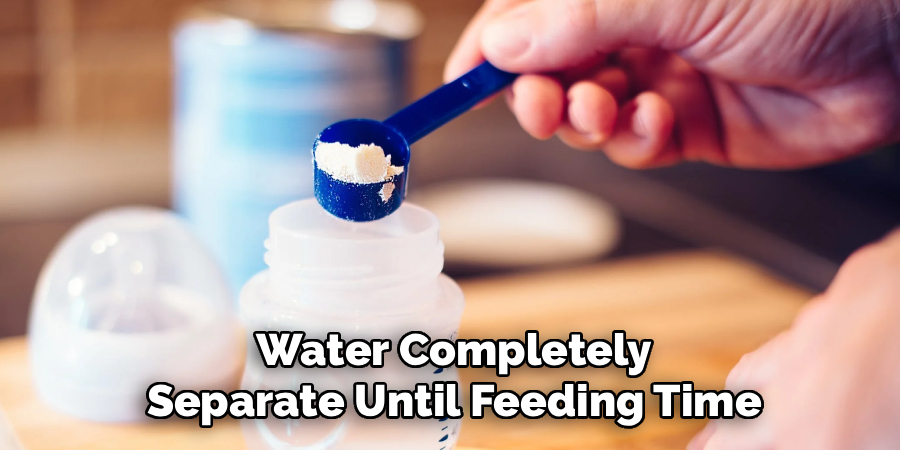
Risks like contamination, unexpected travel delays, or drastic temperature changes can pose challenges along the way. However, you can eliminate these risks through careful planning and by using high-quality, airtight storage containers. Keeping fresh water separate until feeding time ensures everything remains hygienic and safe for your little one.
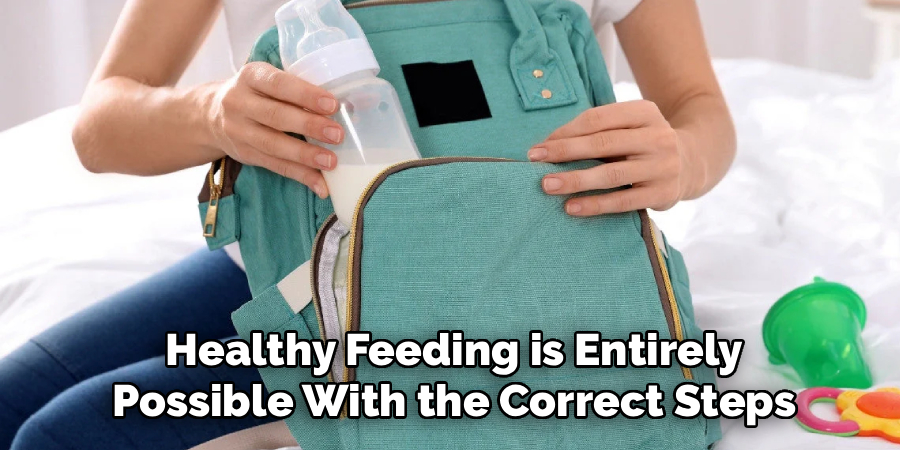
Proper preparation makes all the difference when feeding your baby away from home. Following specific transport guidelines not only improves safety but also speeds up your security screening process. You can feel completely reassured that safe and healthy feeding is entirely possible with the correct steps.
Rules & Regulations
Airline regulations generally treat baby feeding supplies as medically necessary liquids and powders. This means you are allowed to bring these items in your carry-on bag in reasonable quantities exceeding standard limits. However, security officers may need to inspect the containers separately, so keeping them easily accessible is crucial.
You should also be aware of international travel rules if you are crossing borders with your family. Different countries have varying import laws, agricultural restrictions, and customs declarations regarding dairy-based products. Always verify embassy requirements and specific airline guidelines well before your departure date.
Car travel rules are slightly different but equally important for maintaining a safe environment. You must keep all feeding supplies in a temperature-controlled area of the vehicle rather than a hot trunk. Missing important guidelines or failing to pack items correctly might result in unnecessary delays or confiscated supplies.
Best Time / Weather Considerations
The best time to embark on your journey largely depends on the climate and the conditions at your final destination. Extreme heat and heavy humidity can cause dry baby supplies to clump or spoil prematurely. If you are traveling during the summer, try to schedule your transit for the cooler morning or evening hours.
Avoiding peak daytime heat or severe storms helps keep your travel environment calm and manageable. Seasonal changes significantly affect both your comfort and the integrity of your packed feeding essentials. Checking the local weather forecast for your route and destination is a vital step in your travel planning.
When you anticipate warm weather, keep your supplies in a shaded, well-ventilated section of your vehicle or luggage. Simple safety advice, like packing items in a cool, dry bag, can prevent unwanted moisture buildup. Keeping temperature and humidity in mind ensures your feeding routine remains uninterrupted.
How to Prepare Before Travel
You should start preparing your feeding supplies a few days before you depart for smooth, stress-free planning. Begin by checking all relevant travel rules and transport requirements for your specific airline or train service. Having a clear understanding of the security procedures will save you time and prevent headaches later.
If you are traveling internationally, ensure your baby’s health documents and identification are updated and organized. Arrange all your proper storage containers, insulated bottle bags, and cleaning equipment well in advance. Pack ample essentials like measured dry portions, bottled water, and extra clean bottles to cover unexpected delays.
Let yourself get familiar with your chosen travel bag to ensure you can reach items quickly with one hand. Confirm your travel bookings and keep emergency contacts easily accessible on your phone. Having your documents and supplies meticulously organized creates a solid foundation for a peaceful trip.
5 Essential Steps for Travel Preparation
Here is your main practical step-by-step guidance on how to Travel With Powder Formula smoothly. These specific steps cover the entire journey flow, from your initial kitchen preparation to your final arrival. The exact routine may vary slightly depending on whether you take a car, plane, or public transport.
Step 1: Calculate Portions Accurately
Before leaving home, calculate exactly how many meals your baby will need during the total travel time. Add at least three extra portions to your final count to account for unexpected delays or long layovers. Measure out individual servings using sanitized travel dispensers rather than bringing a massive, bulky container. This simple preparation step saves you from trying to measure exact scoops while moving in a vehicle or plane. It ensures you always have the right amount of food ready at a moment’s notice.
Step 2: Choose Appropriate Storage Containers
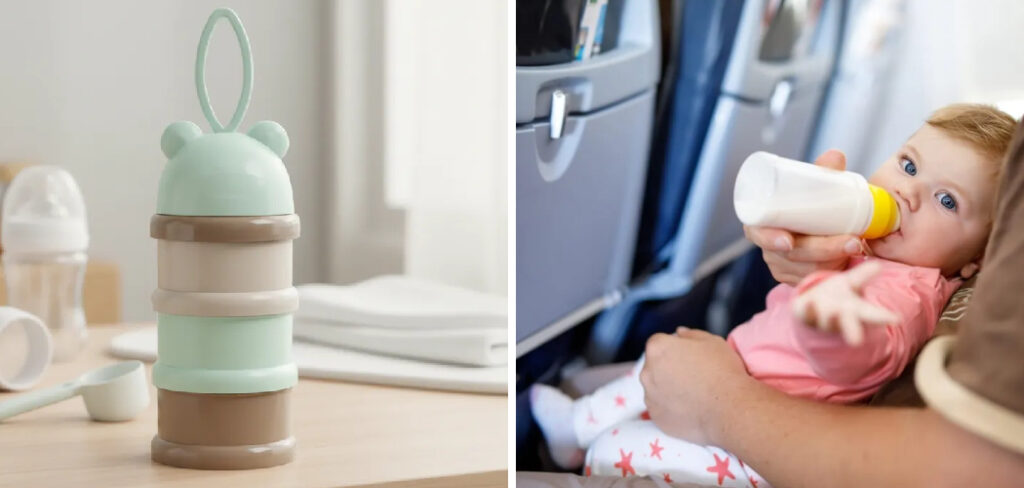
Transfer your carefully measured portions into secure, airtight containers designed specifically for travel. Make sure every lid snaps or twists shut firmly to prevent any accidental spills inside your bags. Choose dispensers that have a convenient pour spout to make transferring the contents into a bottle completely mess-free. If you must bring an original larger tub, ensure the factory seal remains intact until you reach your destination. Proper storage is a crucial element for maintaining freshness and passing through transport security smoothly.
Step 3: Pack Your Carry-On Bag Wisely
Keep all your essential feeding items together in one easily accessible compartment of your primary carry-on bag. Place your portion dispensers, clean empty bottles, and sealed room-temperature water bottles right at the top. This strategic packing allows you to grab exactly what you need without digging through clothes and toys. If you are flying, having these items near the top makes it incredibly easy to remove them for security screening. A well-organized bag significantly reduces stress when your baby suddenly becomes hungry in transit.
Step 4: Navigate Security Checkpoints Smoothly
When you arrive at airport security or a transit terminal, declare your feeding supplies to the officers immediately. Remove your sealed containers and water bottles from your bag and place them in a separate screening bin. Officers may need to test the items for explosive residue, which is a standard, harmless procedure. Stay calm, be patient, and remember that these rules are in place for everyone’s safety on the aircraft. Clear communication with security staff ensures your items are cleared quickly and efficiently.
Step 5: Prepare Bottles During the Journey
When it is time for a meal, wash your hands thoroughly or use a baby-safe sanitizing wipe first. Pour your pre-measured dry portion into a clean bottle, then add the appropriate amount of safe drinking water. Secure the bottle cap tightly and shake the mixture vigorously until everything is completely dissolved and smooth. Always prepare these meals right before feeding time rather than mixing them hours in advance to prevent spoilage. Following this process ensures your little one gets a fresh, hygienic meal regardless of where you are traveling.
Comfort, Stress & Packing Tips
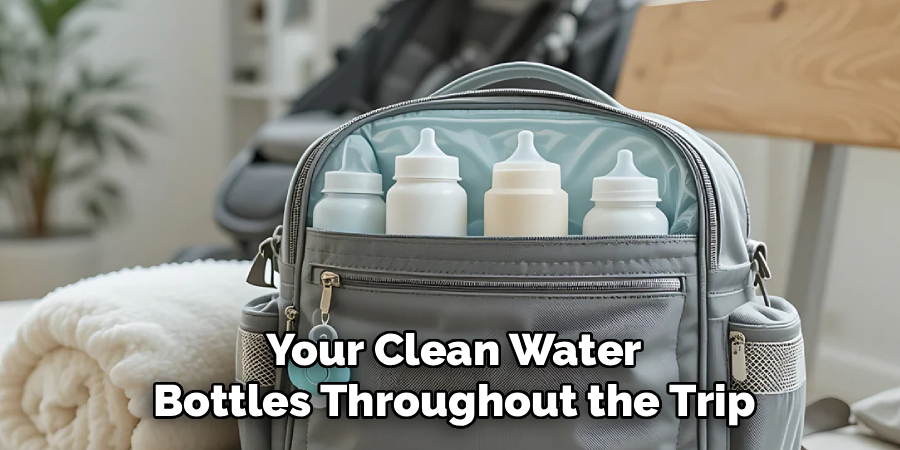
Comfort and stress management are incredibly important when managing baby feeding routines during a long trip. You should keep all essential items in a safe, familiar, and highly organized diaper bag. Utilizing a bag with insulated pockets helps maintain the temperature of your clean water bottles throughout the trip.
Keep your baby’s favorite comforting items, like a soft blanket or a small toy, easily accessible. This helps reduce their travel anxiety and creates a soothing environment when it is time to eat. Avoid the common trap of overpacking your day bag, as carrying too much weight adds unnecessary physical stress.
Try to maintain a calm, relaxed attitude, as babies often pick up on their parents’ emotional state. Keep yourself hydrated and check on your little one’s comfort levels regularly during extended journeys. Sensible space optimization ensures you only carry what you truly need for a successful trip.
Safety & Emergency Tips
Keeping safety as your top priority is essential when handling food supplies during any kind of transit. Ensure that you wash your hands or use hand sanitizer before touching any clean bottles or mixing ingredients. Using secure, clearly labeled containers prevents accidental mix-ups and keeps the contents safe from outside contamination.
Always carry basic emergency supplies, including a first aid kit, extra purified water, and baby-safe cleaning wipes. Keep the contact numbers for your pediatrician and local medical facilities ready in your phone, just in case. Monitor your baby regularly for any signs of discomfort, dehydration, or hunger distress during the trip.
You must be prepared for unexpected weather changes, sudden flight cancellations, or heavy traffic delays. Having extra meals packed ensures your baby will never go hungry during an emergency situation. Stay calm and act methodically if a problem occurs, knowing you have everything needed to handle it.
Common Mistakes to Avoid
A major mistake many parents make is completely ignoring airline or international transport rules until the last minute. Failing to check security requirements can result in your carefully packed feeding supplies being thrown away at checkpoints. Another frequent error is using unsealed or flimsy containers that pop open and spill their contents everywhere.
You should also avoid the mistake of pre-mixing bottles with water several hours before a flight or drive. Mixed meals spoil very quickly without proper refrigeration, creating a significant health risk for your little one. Failing to pack extra portions is another oversight that causes massive stress during unexpected travel delays.
Do not leave your supplies sitting in a hot vehicle or exposed to direct sunlight for long periods. Ignoring weather conditions can compromise the nutritional quality of the food before you even arrive. Proper planning prevents these easily avoidable issues from ruining your highly anticipated journey.
Travel Essentials Checklist
Having a dedicated checklist ensures you pack all the essential items needed for safe and smooth travel. First, include your airtight travel dispensers, ensuring they are thoroughly washed, dried, and properly secured. You will also need several clean, empty bottles equipped with travel caps to prevent nipple contamination.
Add an adequate supply of sealed, room-temperature bottled water specifically meant for mixing meals on the go. Pack essential cleaning supplies like baby-safe dish soap and a portable bottle brush for long layovers. Do not forget comfort items like burp cloths, bibs, and a familiar toy to keep your baby relaxed.
Include a small, waterproof wet bag to store any dirty bottles or used washcloths until you reach a sink. Bring plenty of waste bags for quick and hygienic cleanup inside a car or airplane cabin. Keeping this checklist simple and practical guarantees you will not forget any crucial feeding components.
Frequently Asked Questions
Does TSA limit how to Travel With Powder Formula?
No, the TSA considers baby feeding supplies medically necessary, meaning they are exempt from the standard liquid and powder limits. You can bring reasonable quantities in your carry-on, but you must declare them for separate security screening.
Can I pre-mix bottles before my flight?
It is not recommended to mix meals before traveling because they spoil rapidly at room temperature. The best and safest option is to keep the dry ingredients and water completely separate until feeding time.
What kind of water should I use during transit?
The safest option is to bring sealed bottles of purified water from home or purchase them after security. Avoid using water from airplane bathrooms or public transport sinks, as it is not safe for drinking.
Conclusion
Understanding how to Travel With Powder Formula is the key to enjoying a completely stress-free family vacation. This comprehensive guide highlights exactly how crucial proper planning and careful preparation are for your baby’s well-being. By prioritizing hygiene, utilizing secure storage containers, and following transport rules, you protect your little one’s health.
Remember that taking a car, boarding a plane, or riding public transport all require slightly different care routines. We strongly encourage you to verify specific airline regulations and pack plenty of extra supplies well in advance. Safe, comfortable, and happy travel is entirely achievable when you implement these practical and expert-backed steps.

About
Ethan Brooks is a dedicated travel writer and tourism specialist with over a decade of experience exploring more than 150 countries. His professional focus centers on city routes and budget travel, where he combines real-world travel insights with efficient planning strategies.
Ethan is known for creating smart, well-structured travel systems that are practical, cost-effective, and easy to follow. As a core author at thetraveliy.com, he helps both first-time travelers and experienced explorers plan smooth, confident journeys.
Education
The University of Queensland (Australia) Bachelor’s Degree in Tourism Management
-
Focus: Global tourism systems, destination planning, and travel operations.
-
Specialization: Gained practical knowledge in travel logistics, itinerary development, and tourism industry structures.
Publications and Impact
At thetraveliy.com, Ethan Brooks publishes clear, structured, and experience-driven content focused on:
-
Transportation Logistics: Navigating complex transit systems with ease.
-
Itinerary Planning: Creating time-efficient schedules for any destination.
-
Budget-Friendly Solutions: Maximizing value without sacrificing the experience.
Ethan’s work simplifies complex travel decisions, making it easier for readers to plan efficient and affordable trips. By blending practical advice with real-world experience, he helps travelers create well-organized journeys while saving both time and money.