

Traveling opens the door to incredible new experiences, but staying safe and feeling well during your journey is always the top priority. Many people face unexpected hurdles on the road, ranging from minor inconveniences to more serious health and safety concerns.

You might encounter everything from motion-related discomfort and sudden illness to lost luggage or misplaced documents. Proper preparation is the best way to ensure your itinerary goes smoothly from start to finish. In this guide, you will learn practical strategies to protect your health, secure your belongings, and handle emergencies with confidence. We will also discuss exactly how to wear travel sickness bands to keep nausea at bay during long transit hours. By mastering these simple safety and wellness habits, you can focus on enjoying your trip without unnecessary stress.
Common Travel Risks & Problems
Navigating unfamiliar airports, bustling train stations, and crowded tourist markets can expose you to various travel risks. Pickpocketing and minor theft remain common issues in heavy tourist areas, making it essential to guard your valuables closely. Tourists also frequently encounter common scams, such as unofficial guides or overcharging taxis, which can easily derail a carefully planned budget.
Health issues like food poisoning, dehydration, or unexpected motion sickness can quickly ruin a highly anticipated travel day. Disruptions like delayed flights, missed connections, and lost luggage are equally frustrating realities of modern transportation. Solo travelers face unique safety concerns, especially when arriving at a new destination after dark or navigating poorly lit streets. Environmental factors, including sudden bad weather or unsafe road conditions, further complicate your journey. Language barriers and poor money management can add another layer of confusion to an already stressful situation.
8 Essential Steps for Proper Placement
Protecting your health and safety requires a proactive approach, especially when managing transportation discomfort. Knowing how to wear travel sickness bands correctly is a simple but vital part of your overall personal wellness strategy. Travel safety varies widely depending on your destination, chosen transport, and personal comfort levels. This practical step-by-step guide will help you manage nausea while also keeping your focus on personal safety, document security, and emergency preparedness.
Step 1: Locate the Right Acupressure Point
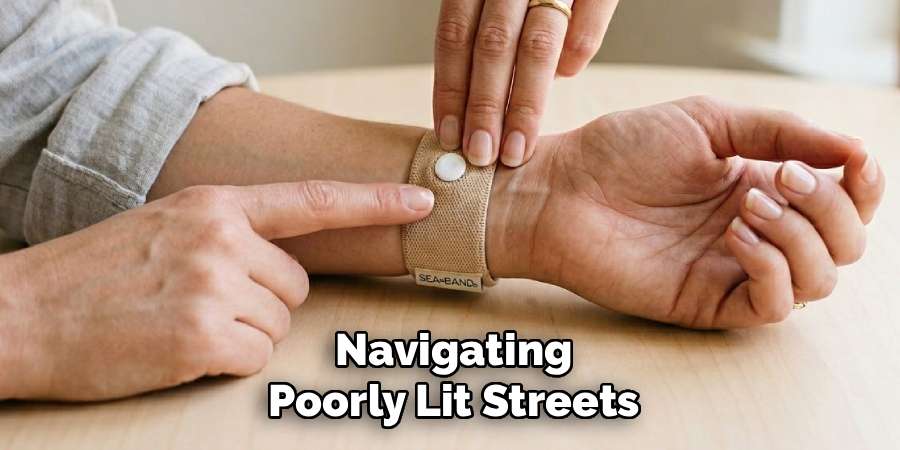
The first step is finding the exact spot on your wrist known as the P6 or Nei-Kuan acupressure point. You must locate this point accurately to ensure the product works effectively during your flight or train ride. Turn your hand so your palm is facing upward and carefully place your first three fingers across your wrist. The edge of your ring finger should rest right along your first wrist crease. The correct spot is located perfectly between the two central tendons under your index finger. Finding this point ensures you are ready to handle long transit hours safely and comfortably.
Step 2: Position the Plastic Stud Accurately
Once you find the correct acupressure point, it is time to position the actual device for maximum relief. Take the fabric wristband and slide it over your hand, bringing it to rest securely on your lower forearm. Make sure the small, hard plastic stud is facing downward directly over the Nei-Kuan point you just located. The stud needs to press firmly into the groove between your two central wrist tendons to work properly. Adjust the fabric carefully so the pressure feels noticeable but does not cause pain or restrict your blood flow. Checking this placement helps prevent sudden motion nausea while navigating busy airport terminals or winding mountain roads.
Step 3: Apply to Both Wrists Simultaneously
For the best results, you must apply this health protection method to both of your arms at the same time. Using just one accessory will not provide enough pressure to effectively block the nausea signals traveling to your brain. Repeat the same measurement process on your opposite arm, using your three fingers to locate the hidden acupressure point. Secure the second fabric piece so the plastic stud presses into the same location between the central tendons. Wearing them as a matching pair ensures your body receives balanced acupressure relief during turbulent flights or rough boat rides. This balanced approach keeps you feeling well enough to monitor your luggage and personal safety.
Step 4: Adjust the Fit for Proper Tension
A proper fit is crucial because an accessory that is too loose will completely fail to stimulate the necessary pressure points. Check the tension on both arms by gently pulling the elastic fabric away from your skin and letting it snap back. The band should sit snugly against your skin without sliding down your arm when you move your hands around. However, if your fingers start to tingle or your skin turns red, you have restricted your circulation and must loosen it. Finding the perfect balance of firm pressure and comfortable circulation keeps you alert and aware of your surroundings in crowded places.
Step 5: Put Them On Before Departure
Timing is a critical part of your overall travel health and emergency preparedness strategy. You should put these items on at least fifteen to twenty minutes before your actual departure time. Giving your body time to register the acupressure before the vehicle starts moving significantly increases your chances of avoiding illness entirely. Slip them on while you are waiting at the boarding gate or sitting in the lobby of your hotel. Being proactive about your health means you will not be distracted by sudden sickness while trying to manage your travel documents.
Step 6: Maintain Pressure During Severe Turbulence
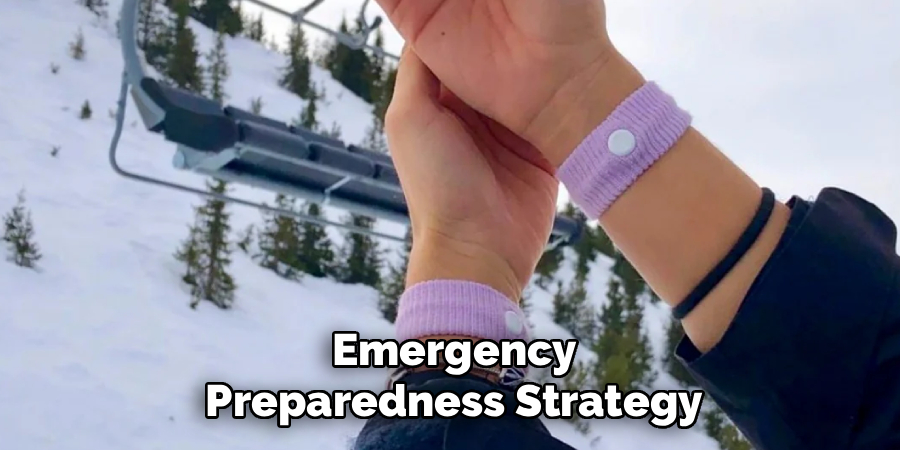
Sometimes standard transport conditions worsen, causing extreme motion that tests your physical limits and travel endurance. If you hit a patch of severe turbulence or rough seas, you can manually increase the device’s effectiveness. Use your thumb to press down firmly on the plastic stud for a few minutes until the extreme nausea passes. You can massage the area gently in a circular motion to further stimulate the pressure point and calm your stomach. Staying calm and actively managing your health helps you avoid panic and handle sudden travel disruptions with a clear head.
Step 7: Keep Them Clean and Functional
Maintaining your travel gear is an often-overlooked aspect of staying safe and healthy while exploring new destinations. Since these fabric accessories sit tightly against your skin for hours, they absorb sweat and dirt throughout your journey. Wash them gently with mild soap and warm water in your hotel sink after a long day of touring or flying. Let them air dry completely overnight so they retain their elastic tension for the next leg of your itinerary. Good hygiene prevents skin irritation and ensures your equipment remains reliable for the entire duration of your trip.
Step 8: Store Them Safely for Future Use
Properly storing your health essentials guarantees they will be ready whenever an unexpected motion issue arises. When you finish using them, do not just throw them loosely into the bottom of a massive suitcase or backpack. Place them in a designated small pouch inside your main personal bag, right next to your passports, money, and backup devices. Keeping them in a consistent, easy-to-reach location means you can grab them instantly if a taxi ride suddenly gets too bumpy. Organizing your gear carefully is a core component of overall travel safety and effective problem-solving on the road.
How to Stay Safe While Traveling
Always stay aware of your surroundings, especially when navigating crowded transport hubs or exploring unfamiliar tourist districts. Keep your valuables completely secure in anti-theft bags and strictly avoid displaying expensive electronics or jewelry in public spaces. Use only trusted, official transportation options and firmly avoid unlicensed taxis or unofficial services offering suspiciously cheap rides.
Plan your daily routes carefully in advance and consistently share your real-time location with someone you trust back home. Stay in well-reviewed, safe accommodations that feature proper security measures like robust locks and front desk staff. Avoid walking alone late at night in unfamiliar, poorly lit, or isolated neighborhoods. Be highly cautious when interacting with strangers offering unsolicited help, overly friendly advice, or aggressive deals on the street. Always follow local rules, neighborhood laws, and cultural norms to avoid unnecessary trouble or unwanted attention from authorities.
Health Tips & Illness Prevention
Always drink clean, purified, or safely bottled water to avoid severe stomach infections and rapid dehydration during your trip. Eat freshly cooked, hot meals and deliberately avoid eating street food that looks unhygienic or has been sitting out. Wash your hands thoroughly and regularly, or utilize alcohol-based hand sanitizer before eating or absentmindedly touching your face.
Carry a comprehensive kit of basic medicines for unexpected fevers, sudden pain, stomach issues, and necessary motion sickness relief. Get plenty of rest and avoid pushing yourself into overexertion during massive, multi-day travel itineraries. Protect yourself from aggressive weather changes by always dressing in appropriate, adaptable layers for your specific climate. Stay fully updated on all required and recommended vaccinations long before embarking on any international travel. Manage your overall travel stress efficiently by staying hydrated, eating properly, and prioritizing a good night of sleep.
Emergency Situations & What to Do
If you unfortunately lose your passport or other critical documents, report it immediately to your nearest embassy and local authorities. In the stressful event of a theft or robbery, prioritize staying calm, immediately move to a safe place, and contact local police right away. If you face a sudden medical emergency, urgently seek out the nearest reputable hospital or call official emergency medical services.
During scary natural disasters or extreme weather events, strictly follow all official instructions and calmly move to designated safe evacuation areas. If you accidentally get lost, reliably use offline maps, GPS, or ask for clear directions from trusted officials like the police. Always keep important emergency contact numbers safely saved in your phone and securely written on a physical paper as a backup. Inform a close family member or trusted friend immediately if any serious or threatening situation happens during your travel. Always carry your updated travel insurance details so you can access financial and medical support rapidly during emergencies.
Common Mistakes to Avoid
Overtrusting excessively friendly strangers and sharing your intimate personal or travel details too quickly is a major security risk. Not buying comprehensive travel insurance and stubbornly ignoring basic emergency preparedness leaves you completely vulnerable to massive financial losses. Carrying all your local money, credit cards, and vital documents in one single place without secure backup options is highly risky.
Ignoring local safety rules, distinct cultural norms, or clearly marked restricted areas easily leads to serious legal or social trouble. Traveling late at night in notoriously unsafe areas without proper route planning or reliable transport invites unnecessary danger. Eating clearly unsafe or unhygienic food without carefully checking the vendor’s cleanliness can ruin trips with severe illness. Failing to keep both digital and physical backup copies of your most important identification documents is a classic rookie error. Relying exclusively on mobile internet data without downloading offline maps or having backup communication options frequently leaves travelers stranded.
Finalizing Your Departure Strategy
Understanding exactly how to wear travel sickness bands ensures you start your journey feeling physically prepared for the long transit ahead. Do a rigorous final check of all your important travel documents, including your passport, visa, tickets, and personal ID, before leaving. Confirm your upcoming accommodation booking, exact transport schedule, and all local directions to your hotel. Double-check your current money setup, verifying you have cash, working cards, and emergency backup funds securely hidden.
Ensure all your essential devices are fully charged, and verify that important translation apps and maps are fully downloaded offline. Pack strictly necessary items and diligently follow a safety-focused packing checklist to avoid dragging heavy, unneeded bags around. Share your full, detailed travel plan and emergency contact list with a trusted person who will monitor your progress. Stay completely calm, highly organized, and mentally prepared for a remarkably safe and smooth journey ahead.

About
Ethan Brooks is a dedicated travel writer and tourism specialist with over a decade of experience exploring more than 150 countries. His professional focus centers on city routes and budget travel, where he combines real-world travel insights with efficient planning strategies.
Ethan is known for creating smart, well-structured travel systems that are practical, cost-effective, and easy to follow. As a core author at thetraveliy.com, he helps both first-time travelers and experienced explorers plan smooth, confident journeys.
Education
The University of Queensland (Australia) Bachelor’s Degree in Tourism Management
-
Focus: Global tourism systems, destination planning, and travel operations.
-
Specialization: Gained practical knowledge in travel logistics, itinerary development, and tourism industry structures.
Publications and Impact
At thetraveliy.com, Ethan Brooks publishes clear, structured, and experience-driven content focused on:
-
Transportation Logistics: Navigating complex transit systems with ease.
-
Itinerary Planning: Creating time-efficient schedules for any destination.
-
Budget-Friendly Solutions: Maximizing value without sacrificing the experience.
Ethan’s work simplifies complex travel decisions, making it easier for readers to plan efficient and affordable trips. By blending practical advice with real-world experience, he helps travelers create well-organized journeys while saving both time and money.