
Learning how to travel from Berlin to Krakow opens up a wonderful European adventure for any explorer. This popular route connects Germany’s vibrant capital directly with Poland’s historic cultural hub. It is incredibly popular for tourism, convenient business trips, and soaking in beautiful scenic landscapes.
Planning this journey properly saves you time, reduces overall costs, and completely avoids unnecessary travel stress. In this guide, you will learn the best way to make the trip, expected costs, travel times, and highly useful local tips. You have multiple excellent options, including regular flights, comfortable trains, budget-friendly buses, and driving your own car.
How to Get There
Most travelers start their journey near Berlin Brandenburg Airport or the main central train station, Berlin Hauptbahnhof. You can easily reach these starting points using local public transit, taxis, or reliable rideshares. The route to Poland includes major highways for driving, direct rail lines, and frequent bus connections.
While there are no direct flights, connecting flights are available for those who strongly prefer air travel. Your total travel duration will range from around six hours by train to eight hours by bus. Transport services run daily, giving you plenty of flexibility when booking your tickets.
A quick glance at Google Maps shows a straightforward eastward route crossing the German-Polish border. This makes navigating the connection wonderfully simple for beginners.
6 Easy Steps on Your Journey to the Destination
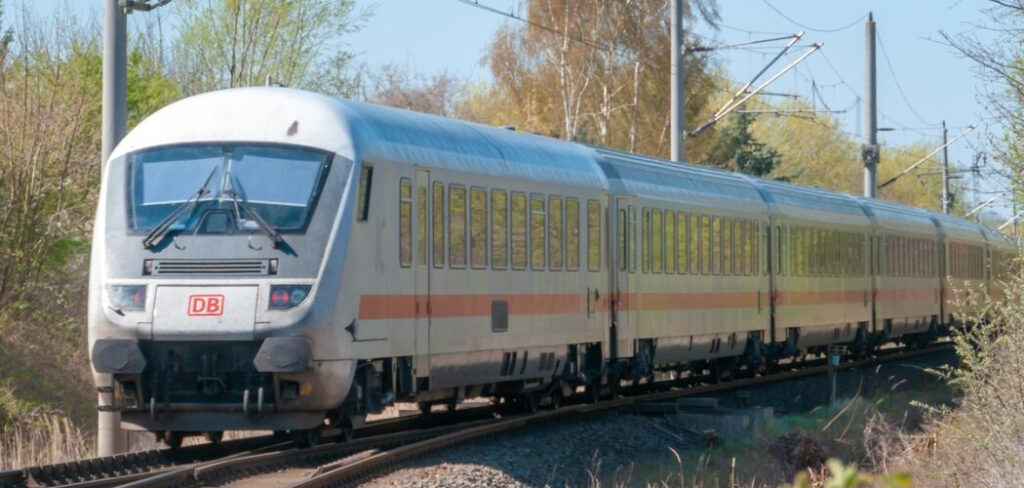
Taking the direct train is often the most comfortable choice. The EuroCity train departs from Berlin Hauptbahnhof and arrives directly at Krakow Glowny. This relaxing journey takes approximately seven hours, giving you plenty of time to enjoy the passing scenery.
You can expect a mid-range cost, usually falling between fifty and eighty dollars depending on when you book. It offers a very high comfort level with spacious seating and dining options onboard. This daily service is perfect for travelers who want a stress-free, scenic ride.
Step 1: Choose the Direct Train
Taking the direct train is often the most comfortable choice for this trip. The EuroCity train departs from Berlin Hauptbahnhof and arrives directly at Krakow Glowny. This relaxing journey takes approximately seven hours, giving you plenty of time to enjoy the scenery.
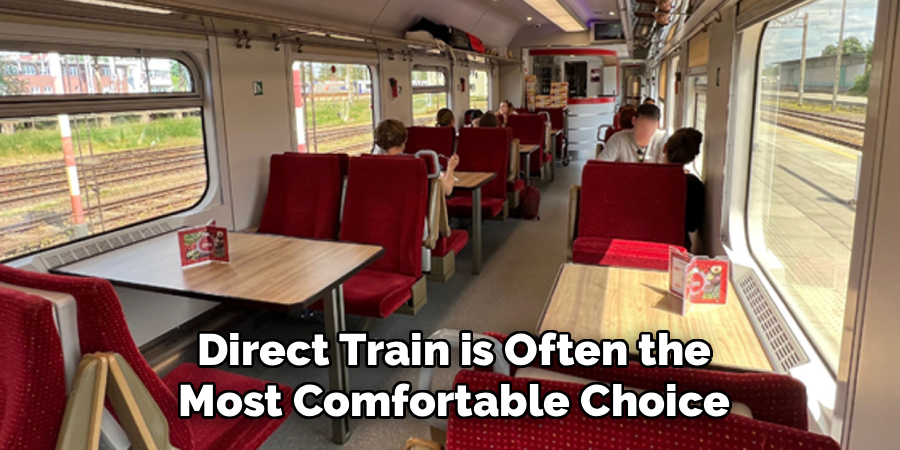
You can expect a mid-range cost, usually falling between fifty and eighty dollars depending on booking time. It offers a very high comfort level with spacious seating and dining options onboard. This daily service is perfect for travelers who want a stress-free ride.
Step 2: Book a Long-Distance Bus
Boarding a long-distance bus is a fantastic way to save your hard-earned money. Operators run daily direct routes from Germany’s central bus station to Poland’s main terminal. The travel time typically ranges from eight to nine hours, accounting for traffic and scheduled rest stops.
Costs are very budget-friendly, often ranging from twenty to forty dollars per ticket. The comfort level is medium, offering reclining seats and onboard restrooms for passengers. This option is best for budget-conscious travelers who do not mind a longer ride.
Step 3: Drive a Rental Car
Renting a car provides ultimate flexibility for your road trip across the border. Driving takes about six hours via the main highway, not including essential rest stops. The cost falls into the mid-to-high range when factoring in rental fees, fuel, and tolls.
You control the comfort level completely, making it ideal for families or groups traveling together. Rental agencies operate daily, allowing you to pick up a vehicle anytime you prefer. This option is perfect for those who want to explore small towns along the way.
Step 4: Take a Connecting Flight
Flying is a viable option, though there are no direct flights between these two specific cities. You will depart from the main airport and connect through hubs like Warsaw before landing. The total travel time, including layovers and security checks, usually takes four to six hours.
This is the most expensive choice, with tickets often exceeding one hundred dollars. The comfort level is medium due to the hassle of changing planes during the journey. Frequent daily flights make this suitable for business travelers needing specific schedules.
Step 5: Try a Rideshare Service
Using a rideshare app connects you directly with drivers heading in the same direction. Travel time is roughly six to seven hours, perfectly matching standard driving times. This is a very budget-friendly option, generally costing thirty to forty dollars for a secure seat.
Comfort varies from medium to high, depending entirely on the driver’s vehicle and preferences. Rides are available flexibly throughout the week based on individual commuter schedules. It is best for adventurous travelers looking to practice their language skills with locals.
Step 6: Utilize Connecting Train Routes
If the direct train is fully booked, connecting trains offer a highly reliable backup plan. You can take a fast train across the border, and then transfer to a local intercity train. This journey usually takes about eight hours in total to complete.
The average cost sits in the mid-range, typically fifty to ninety dollars per person. Comfort remains high, as European rail networks are modern, clean, and well-equipped. These connecting routes run multiple times daily, offering excellent flexibility for your travel plans.
Pros and Cons of Each Travel Option
Every transportation method comes with distinct advantages and disadvantages to consider. Taking the train offers fantastic comfort and scenic views, though tickets can be pricey if booked late. Buses are incredibly cheap and run frequently, but the longer travel time and confined space may deter some.
Driving provides total freedom and speed, yet it introduces higher costs for fuel, tolls, and parking. Connecting flights can sometimes save time, but layovers and airport security add unnecessary stress and expense. Reviewing these trade-offs helps you choose the method perfectly aligned with your itinerary.
Best Way to Travel
The overall best choice for most people is taking the direct EuroCity train. It offers a perfect balance of reasonable cost, manageable travel time, and excellent comfort. You get to depart from the center of Germany and arrive right in the heart of Poland.
The train is highly reliable, with fewer delays than road transport or connecting flights. It caters wonderfully to the average traveler who wants a relaxing, productive, and scenic journey. You simply sit back, enjoy the dining car, and arrive completely refreshed.
Cheapest Way to Travel
The lowest-cost option is definitely the convenient long-distance bus service. Tickets generally range from twenty to forty dollars, especially if you book a few weeks in advance. It is inexpensive because costs are shared among many passengers and fuel efficiency is high.
The main trade-off is the longer travel time and slightly less legroom compared to trains. Buses run regular daily schedules, so you will easily find a departure that fits your plans. Booking during off-peak seasons or taking overnight routes helps you save even more money.
Fastest Way to Travel
Driving your own or a rented car is generally the fastest door-to-door option available. The direct drive takes about six hours, allowing you to bypass station wait times and strict departure schedules. It is fast because you take the most direct highway route with minimal necessary stops.
However, you must trade the convenience of relaxing as a passenger for the active focus required to drive. The route is always available, meaning you can leave at dawn or late at night. Plan your departure carefully to avoid frustrating rush hour traffic.
Travel Documents You Must Carry
Keeping your paperwork organized is essential for crossing borders smoothly and safely. You must carry a valid passport or an official National ID if you are a European Union citizen. Make sure to have your digital and printed transport tickets readily available at all times.
Bring your hotel booking confirmations and a copy of your active travel insurance policy. If you plan to rent a vehicle, carry a valid driver’s license. Pack your major debit or credit cards alongside some local currency for emergencies.
Estimated Budget & Money-Saving Tips
A comfortable mid-range budget for this trip is roughly one hundred to one hundred and fifty dollars per day. This covers your initial transport, moderately priced meals, local transit, and small sightseeing expenses. Budget backpackers can easily manage on fifty dollars by staying in hostels and eating street food.
Booking your tickets a month in advance consistently unlocks the very best financial deals. Traveling during the off-season also lowers hotel prices significantly. Rely heavily on local public transit rather than taxis to stretch your funds further.
Currency & Money Management
Germany uses the Euro, while Poland uses the Polish Zloty, so you will deal with two currencies. Having a basic understanding of the exchange rate prevents overspending when you cross the border. Credit and debit cards with contactless features are widely accepted in both beautiful countries.
ATMs are incredibly easy to find at stations, airports, and bustling city centers. It is wise to carry a small amount of cash for minor purchases at street vendors. Always decline dynamic currency conversion at ATMs to completely avoid hidden bank fees.
Internet & WiFi Availability
Staying connected during your trip is remarkably simple and convenient. Public WiFi is widely available at airports, central train stations, cozy cafes, and most hotels. The internet speed in these urban areas is generally fast and highly reliable for travelers.
While many free networks exist, they can be unsecured, so using a VPN is highly recommended. Rural areas along the road or rail route might have temporary dead zones. Using your mobile data plan or buying an eSIM serves as an excellent, steady backup.
Travel Tips
Following a few basic guidelines makes figuring out how to travel from Berlin to Krakow completely stress-free. Always plan your route and book your main tickets several weeks in advance. Arriving at the station or airport at least an hour early prevents unnecessary rushing.
Keep all your vital documents organized in one easily accessible pouch. Packing light allows you to navigate train aisles and cobbled streets with absolute ease. Always check the local weather forecasts before departing so you can dress appropriately in comfortable layers.
Travel Safety, Common Scams & Mistakes to Avoid
Maintaining basic situational awareness ensures a secure trip across regional borders. Be cautious of common scams, such as fake taxi drivers offering rides outside major stations. Always use official transport apps or verified city taxi stands to guarantee fair pricing.
Stay alert in crowded areas like transport hubs, where pickpockets occasionally operate during busy hours. Keep your wallet, phone, and valuables securely zipped inside your front bags. Never share detailed personal travel itineraries with strangers you meet in transit to protect your privacy.
Safety & Health Precautions
Prioritizing your physical well-being makes the long journey much more enjoyable. Drink plenty of bottled water and practice good hand hygiene after touching shared transit surfaces. When navigating unfamiliar areas or crowded platforms, always keep a close eye on your surroundings.
Carry a small first-aid kit stocked with basic pain relievers, bandages, and your daily medications. Opt for freshly cooked meals to ensure excellent food safety on the road. Keep your emergency contact list readily accessible in your pocket to ensure a fully responsible trip.
Emergency Contacts & Useful Links
Knowing exactly who to call provides immense peace of mind during your travels. Dialing 112 connects you to police, ambulance, or fire services anywhere in Europe. Keep your home country’s embassy or consulate contact details securely saved in your phone.
It is also helpful to have the customer service numbers for your chosen airline, bus, or train operator. Review official government tourism websites before you leave for reliable local guidance. Saving this critical information offline guarantees access even without an active internet connection.
Frequently Asked Questions
How to travel from Berlin to Krakow easily?
Taking the direct EuroCity train is the easiest method. It offers a smooth, stress-free ride with spacious seating. You avoid the hassle of layovers, making it the most straightforward and relaxing travel option available.
What is the most budget-friendly transport method?
Long-distance buses provide the absolute lowest prices for this route. While the journey takes slightly longer, booking early secures excellent deals, making it perfect for travelers watching their daily spending limits carefully.
How long does the driving route take?
Driving your own vehicle typically takes around six hours under normal traffic conditions. This direct highway route is fast, but you must factor in potential delays at border crossings or essential rest stops.
Conclusion
How to travel from Berlin to Krakow is a question with many excellent, easy answers. Whether you choose the highly scenic train, the affordable bus, or the flexible driving route, your journey will be memorable. Both of these historic cities are incredibly welcoming, and transit connections between them are safe, reliable, and highly efficient.
Taking time for proper planning and organizing your documents ahead of time will guarantee a wonderful trip. Book your tickets early, pack smartly, and enjoy every exciting moment of this beautiful adventure.

About
Ethan Brooks is a dedicated travel writer and tourism specialist with over a decade of experience exploring more than 150 countries. His professional focus centers on city routes and budget travel, where he combines real-world travel insights with efficient planning strategies.
Ethan is known for creating smart, well-structured travel systems that are practical, cost-effective, and easy to follow. As a core author at thetraveliy.com, he helps both first-time travelers and experienced explorers plan smooth, confident journeys.
Education
The University of Queensland (Australia) Bachelor’s Degree in Tourism Management
-
Focus: Global tourism systems, destination planning, and travel operations.
-
Specialization: Gained practical knowledge in travel logistics, itinerary development, and tourism industry structures.
Publications and Impact
At thetraveliy.com, Ethan Brooks publishes clear, structured, and experience-driven content focused on:
-
Transportation Logistics: Navigating complex transit systems with ease.
-
Itinerary Planning: Creating time-efficient schedules for any destination.
-
Budget-Friendly Solutions: Maximizing value without sacrificing the experience.
Ethan’s work simplifies complex travel decisions, making it easier for readers to plan efficient and affordable trips. By blending practical advice with real-world experience, he helps travelers create well-organized journeys while saving both time and money.