

Packing outerwear can feel overwhelming when preparing for a long journey. Understanding how to fold a jacket for travel is essential for keeping your clothing in great condition. A properly folded garment takes up less space and remains wrinkle-free during transportation.

This simple practice prevents damage to delicate fabrics while you navigate busy airports or train stations. Reading this comprehensive guide saves you valuable time and greatly reduces packing-related stress. You will learn everything from step-by-step folding techniques to common mistakes and helpful maintenance tips.
We will cover the best packing methods, safety precautions, and travel essentials to keep your items safe. A small change in how you pack can completely transform your entire itinerary. It is surprisingly easy to arrive at your destination with your favorite outerwear looking fresh and ready to wear.
Why Proper Packing Matters
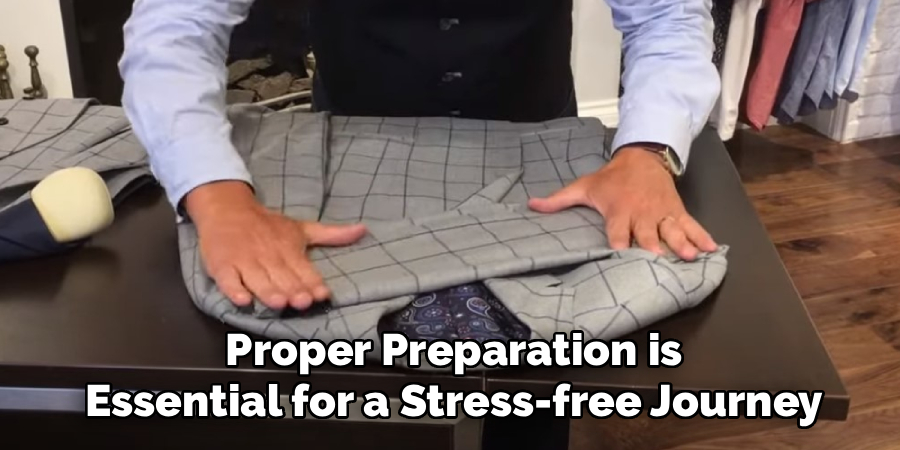
Proper preparation is the foundation of a smooth and stress-free journey. Failing to secure your outerwear often leads to frustrating damage, unwanted wrinkles, or even lost accessories. High-quality garments can easily snag on other travel essentials if they are loosely thrown into a suitcase.
Taking the time to arrange your clothing properly saves time and protects your investment. Travelers often face annoying problems like broken zippers or squished collars when they ignore basic organization. Proper packing eliminates these issues, leaving you with more room for souvenirs.
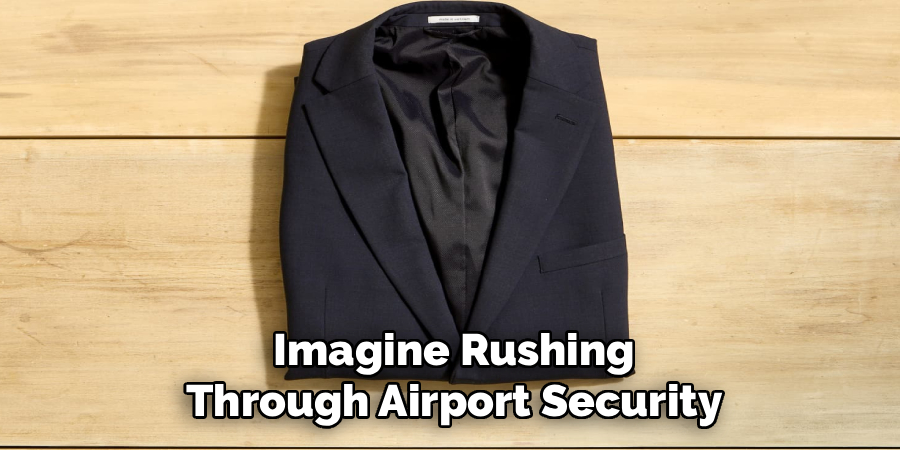
Imagine rushing through airport security and easily finding your outerwear without digging through a messy bag. A well-organized suitcase makes multiple transfers and long layovers incredibly manageable. You always feel more relaxed when your belongings are neatly arranged and fully protected.
Can You Travel With a Jacket? (Rules & Restrictions)
You can easily bring outerwear on almost any mode of transportation. Whether you fly on a plane, ride a train, or take a road trip, your garments are always welcome. Most airline rules allow passengers to bring a coat as an additional personal item.
However, extremely bulky winter wear might need to go into your checked luggage if cabin space is limited. There are generally no strict prohibitions on clothing, but items with heavy metal hardware could trigger security alarms. Taking off bulky outerwear before passing through metal detectors makes the security process much faster.
Knowing these basic airline rules in advance saves you from unnecessary stress at the screening checkpoint. You can simply place your neatly folded garment in the security bin and walk through without hassle. Planning ensures a smooth start to your exciting itinerary.
6 Essential Steps on How to Fold a Jacket for Travel
Organizing your outerwear properly requires a systematic approach to save space and prevent wrinkles. There are multiple ways to secure your garments, depending on your travel style and mode of transport. This breakdown covers all major considerations, including protecting fragile zippers, maximizing space, and ensuring everything stays neat.
Step 1: Empty All Pockets and Fasten Zippers
The first and most crucial action is to empty every single pocket. Leaving small travel essentials like keys or coins inside can damage the fabric when pressure is applied. Once empty, carefully zip up the front and fasten any buttons or snaps.
Securing the closures ensures the garment holds its shape during transportation. This simple action prevents loose hardware from snagging on delicate shirts or sweaters packed nearby. It creates a smooth, flat surface that makes the rest of the process much easier.
Step 2: Lay the Garment Flat on a Clean Surface
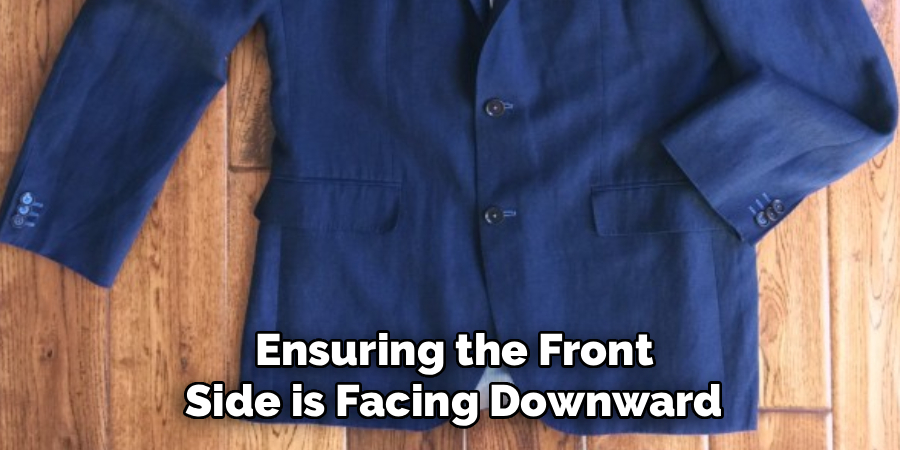
Find a clean, flat surface like a bed or a large table to work on. Spread the garment out completely, ensuring the front side is facing downward. Smooth out any major wrinkles with your hands to create an even base.
Working on a flat area prevents new creases from forming while you organize your luggage. This step is especially important if you are dealing with delicate materials that easily wrinkle. A smooth starting point guarantees a much better final result for your journey.
Step 3: Fold the Sleeves Inward
Carefully take one sleeve and fold it across the middle of the back. Do the same with the other sleeve, crossing it over the first. The sleeves should now lie completely flat against the back panel of the garment.
If the sleeves are particularly long, you can fold the cuffs back slightly so they do not hang over the edges. This creates a neat rectangular shape that fits perfectly into standard suitcases. Keeping the sleeves flat prevents awkward lumps in your packed luggage.
Step 4: Fold the Bottom Hem Upward
Take the bottom hem of the garment and fold it directly up toward the middle. Smooth down the fabric with your hands to remove any trapped air. This action reduces the overall length of the item, making it much more compact.
Depending on the length of your outerwear, you might need to fold it slightly higher or lower. The goal is to align the bottom edge neatly below the collar area. This straightforward technique keeps the fabric perfectly aligned and ready for transportation.
Step 5: Fold the Top Downward
Now take the top section, including the collar, and fold it downward to meet the bottom folded edge. You should be left with a compact, square-like bundle that is easy to handle. Press down gently on the fabric to push out any remaining air.
This compact shape is ideal for sliding into packing cubes or standard carry-on bags. It protects the collar from getting crushed by heavier travel essentials. Your garment is now perfectly shaped to withstand the rigors of your itinerary.
Step 6: Secure the Bundle in Your Luggage
Place the folded bundle carefully into your suitcase, ideally near the top or inside a protective packing cube. Avoid placing heavy shoes or bulky electronics directly on top of it. This placement prevents the fabric from getting deeply creased during your flight or train ride.
If you are using a packing cube, zip it up slowly to avoid catching the fabric. Keeping the bundle secure ensures it will not unfold while you transit between destinations. You can now travel with complete confidence that your outerwear is safe.
Best Packing Methods / Tips
Mastering exactly how to fold a jacket for travel gives you a distinct advantage on any trip. The rolling method is another excellent strategy for casual materials like fleece or lightweight nylon. Simply fold the sleeves inward and roll the garment tightly from the collar down to the hem.
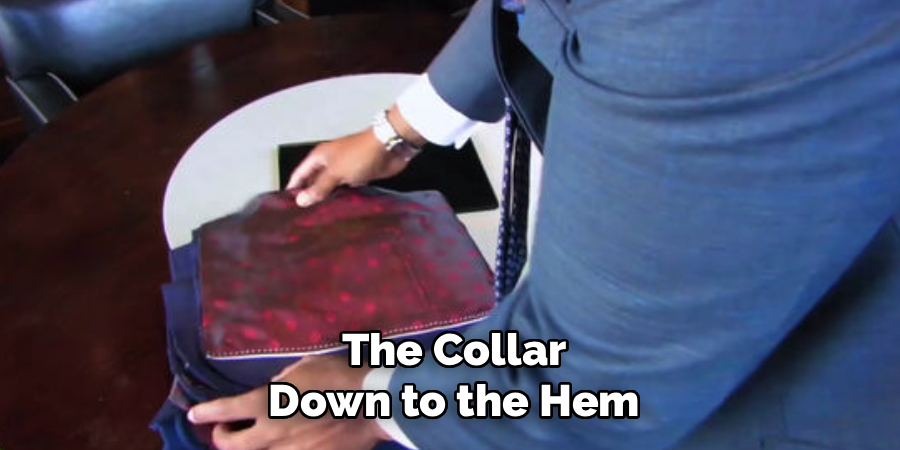
Using compression bags or packing cubes helps keep these items tightly secured and separate from clean clothes. For structured items like blazers, the layering method works beautifully to maintain the shoulder shape. You can place soft items like t-shirts inside the shoulders to act as gentle padding.
Always zip your garments inside waterproof bags if you are heading to a damp or unpredictable climate. These practical strategies maximize your luggage efficiency and keep your clothing looking pristine. Small adjustments to your routine make the entire journey significantly more enjoyable.
Common Mistakes to Avoid
Many people unknowingly ruin their clothing by stuffing it haphazardly into an overflowing suitcase. Improper organization can cause permanent creases, broken zippers, and intense frustration upon arrival. One major error is leaving heavy items in the pockets, which stretches the fabric over time.
Travelers also frequently ignore the delicate nature of structured collars, leading to flattened and misshapen necklines. Overpacking your bag puts immense pressure on your outerwear, causing the materials to degrade faster. You can easily prevent this by utilizing packing cubes and leaving a little breathing room in your suitcase.
Never pack damp clothing, as this promotes unpleasant odors and mildew during a long transportation period. Taking a few extra minutes to prepare carefully saves you from dealing with ruined clothing later. Thoughtful organization is the absolute best way to protect your wardrobe on the road.
Travel Tips
Deciding whether to keep your outerwear in the cabin or the cargo hold depends on your specific itinerary. Packing it in your carry-on is usually the safest choice to ensure it never gets lost. Cabin storage also allows you to access the garment quickly if the airplane’s air conditioning becomes too cold.
If you must use checked luggage, always place the garment near the center of the suitcase. Surrounding it with softer travel essentials provides excellent padding against the rough handling of baggage carousels. Always ensure zippers are fully closed so they do not scratch delicate items nearby.
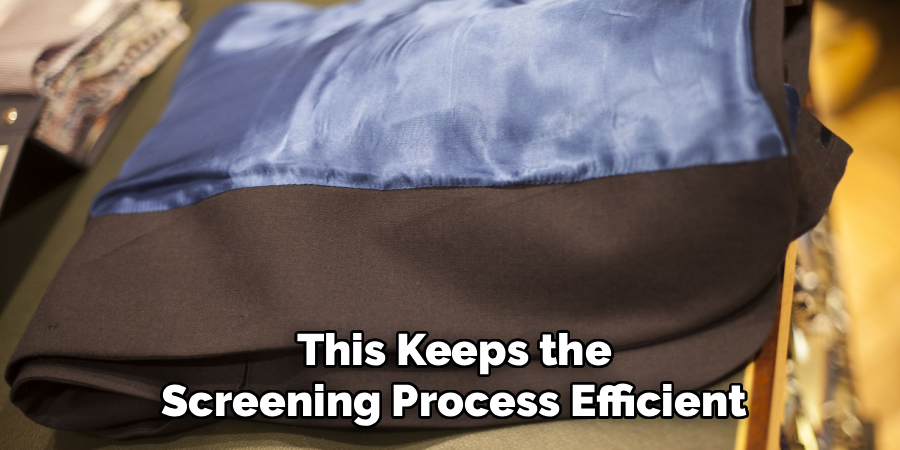
When passing through security, simply place the folded bundle neatly into the plastic bin. This keeps the screening process efficient and prevents the fabric from dragging on dirty conveyor belts. A little foresight guarantees your clothing survives the journey in perfect condition.
Estimated Budget
Preparing your garments for a trip does not have to be an expensive endeavor. Most basic packing materials are incredibly affordable and often reusable for multiple trips. A high-quality set of packing cubes typically costs between fifteen and thirty dollars online.
If you want to save money, large household zip-lock bags work perfectly as a budget-friendly alternative. You can easily press the air out of these bags to create a DIY compression system. Borrowing specialized garment bags from friends or family members is another fantastic way to cut down on costs.
Investing a small amount in reliable organizational tools protects your expensive clothing from costly damage. Compare prices online before your trip to find the most transport-friendly options available. Smart spending on packing supplies always pays off in the long run.
Maintenance & Storage Tips
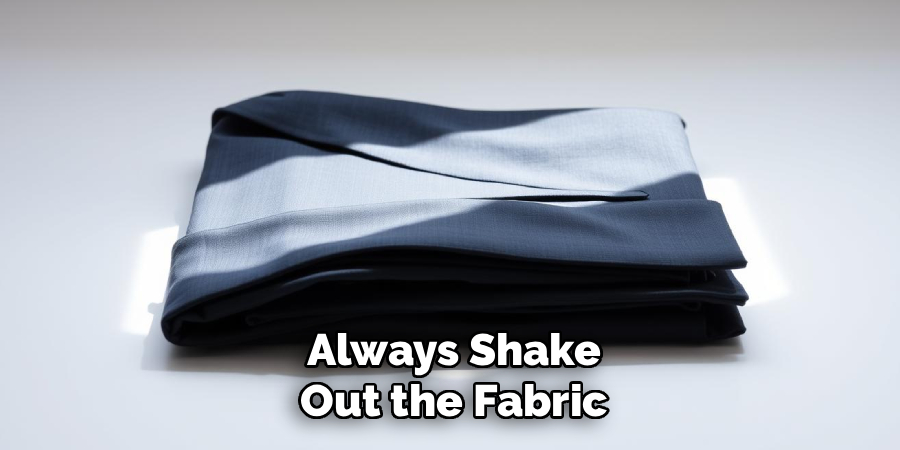
Keeping your outerwear in fantastic condition extends its lifespan long after your journey ends. Always shake out the fabric and hang it up immediately upon arriving at your hotel room. Hanging the garment allows natural gravity to pull out minor wrinkles caused by transportation.
If the item gets dirty, use a damp cloth to spot-clean small stains rather than doing a full wash. Make sure the fabric is completely dry before repacking it to prevent trapped moisture and bad odors. When you return home, store the item on a wide, sturdy hanger to maintain its natural shoulder shape.
Avoid cramming it into a tightly packed closet where it can become crushed or deformed. Proper long-term storage is just as important as careful packing for preserving your favorite clothing. These simple maintenance habits ensure your garments are always ready for your next adventure.
Travel Scenario Tips
Different types of journeys require slightly different approaches to handling your clothing. On crowded train rides or bus trips, keeping your outerwear packed away prevents it from getting snagged on passing luggage. If you are taking a long road trip, consider laying the garment flat across the backseat to avoid folding entirely.
During long airline layovers, a neatly rolled fleece can easily double as a comfortable makeshift travel pillow. Always be mindful of your environment, especially when navigating rainy ferry rides or dusty bus terminals. Waterproof packing cubes are absolute lifesavers in unpredictable weather conditions.
Adapting your strategy to fit the specific scenario greatly reduces travel stress and improves convenience. Being flexible and prepared allows you to focus on enjoying the experience rather than worrying about your belongings.
Quick Packing Checklist (Bullet Points)
Preparing your luggage is much easier when you follow a simple, organized list. Use this quick checklist to ensure you have everything you need for safe transportation.
- Clean and fully dried outerwear
- Sturdy packing cubes or compression bags
- Large reusable zip-lock bags for waterproofing
- Soft travel essentials (like t-shirts) for padding
- Small travel-sized stain remover pen
- Wide, sturdy hanger for hotel use
- A lint roller to keep fabric looking fresh
Safety Precautions
Ensuring your garments remain safe during transit requires a gentle and thoughtful touch. Always handle delicate fabrics with clean hands to avoid transferring oils or dirt onto the material. Avoid placing sharp objects like razors or hardback books directly next to thin nylon or silk materials.
If your outerwear features sensitive components like leather trims or waterproof coatings, do not fold it too tightly. Intense pressure can cause permanent cracking or severely damage the weather-resistant layers. Using a dedicated protective case or garment bag is the best defense against accidental spills in your luggage.
Always securely place the item away from travel-sized liquids like shampoo or lotion to prevent catastrophic leaks. Taking these straightforward handling precautions guarantees your wardrobe stays completely safe and secure.
Frequently Asked Questions
Why is learning how to fold a jacket for travel so important?
Learning this skill saves valuable luggage space and prevents permanent wrinkles. It keeps your garments protected from damage during transportation and makes unpacking much faster. Proper preparation is essential for a stress-free journey.
Can I use vacuum seal bags for bulky winter outerwear?
Yes, vacuum seal bags are highly effective for reducing the size of bulky winter clothing. They easily compress the fabric, saving immense space in your checked luggage. Just avoid vacuum-sealing delicate down feathers for too long.
How do I remove wrinkles when I arrive at my destination?
Hang the garment in the bathroom while you take a hot shower to let the steam relax the fabric. You can also use a travel-sized wrinkle release spray. Gently smoothing the fabric with your hands usually works perfectly.
Conclusion
Understanding exactly how to fold a jacket for travel completely changes the way you approach packing. This guide has outlined the most effective methods for organizing your luggage, protecting your fabrics, and saving valuable space. Following these simple, structured steps guarantees that your clothing survives the journey without frustrating damage or deep wrinkles.
Proper preparation absolutely ensures safety, convenience, and incredible efficiency during your entire itinerary. Taking a few extra minutes to arrange your outerwear allows you to focus entirely on enjoying your adventure. We encourage you to plan ahead and confidently use these techniques on your very next trip.

About
Ethan Brooks is a dedicated travel writer and tourism specialist with over a decade of experience exploring more than 150 countries. His professional focus centers on city routes and budget travel, where he combines real-world travel insights with efficient planning strategies.
Ethan is known for creating smart, well-structured travel systems that are practical, cost-effective, and easy to follow. As a core author at thetraveliy.com, he helps both first-time travelers and experienced explorers plan smooth, confident journeys.
Education
The University of Queensland (Australia) Bachelor’s Degree in Tourism Management
-
Focus: Global tourism systems, destination planning, and travel operations.
-
Specialization: Gained practical knowledge in travel logistics, itinerary development, and tourism industry structures.
Publications and Impact
At thetraveliy.com, Ethan Brooks publishes clear, structured, and experience-driven content focused on:
-
Transportation Logistics: Navigating complex transit systems with ease.
-
Itinerary Planning: Creating time-efficient schedules for any destination.
-
Budget-Friendly Solutions: Maximizing value without sacrificing the experience.
Ethan’s work simplifies complex travel decisions, making it easier for readers to plan efficient and affordable trips. By blending practical advice with real-world experience, he helps travelers create well-organized journeys while saving both time and money.