
Moving to a new home or taking an extended road trip often brings up a surprisingly common concern: keeping your leafy companions alive during the journey. Learning how to travel with plants in a car is essential for any plant parent who wants to avoid broken stems and spilled soil. Taking your greenery on the road requires specific planning to ensure its safety and comfort.

This guide will walk you through everything you need to know for a stress-free trip. We will cover the specific steps, practical tips, and necessary checklist items to protect your foliage. You will learn how to handle temperature shifts, pack pots securely, and follow relevant transport rules.
While cars are the most common transport method for houseplants, proper preparation makes a huge difference no matter your exact itinerary. By following this advice, you can enjoy peace of mind and keep your botanical buddies thriving from departure to arrival.
Is It Safe to Travel With Plants?
Yes, it is entirely safe to transport your greenery, provided you prepare correctly for the journey. Safety largely depends on the specific type of foliage you own and the travel conditions of your vehicle. Some delicate varieties are prone to shock, while hardier species handle transportation with ease.
There are certain risks to keep in mind, such as extreme temperature changes, physical injury from sudden stops, and overall travel stress. Preparing your vehicle and securing the pots heavily reduces these common dangers. Providing the right comfort setup, including proper boxes and stable placement, ensures the trip goes smoothly.
A well-planned itinerary prevents unnecessary delays that could leave your greenery sitting in a hot vehicle. Following basic transport rules keeps everything secure and gives you confidence on the road. Safe travel is absolutely possible when you take the correct preventative steps.
Rules & Regulations
While driving with houseplants might seem simple, certain rules apply when crossing state or national borders. Many states have specific agricultural regulations to prevent the spread of pests and plant diseases. You must check the specific import laws for your destination before starting your journey.
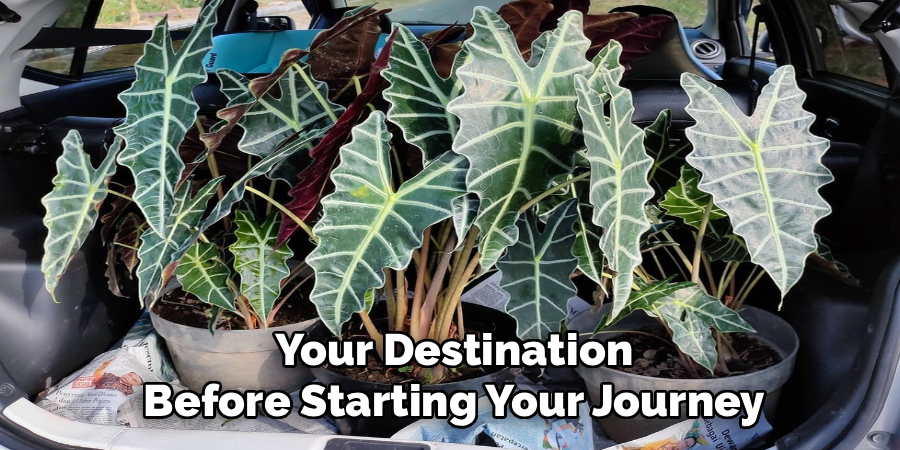
Some regions require a health certificate from a licensed agricultural inspector if you plan to move across borders. International travel rules are even stricter, often requiring quarantine periods or outright forbidding the transport of soil. Always research the travel essentials and legal requirements for your specific route.
Missing required documents or ignoring agricultural checkpoints can result in travel delays or the confiscation of your greenery. Rules vary widely depending on your final destination, so verifying these details in advance is crucial. Checking local embassy or agricultural department websites ensures a smooth, penalty-free trip.
Best Time / Weather Considerations
The best time to hit the road heavily depends on the climate and your destination’s weather conditions. Extreme heat and cold are both highly dangerous for enclosed foliage during transportation. We always suggest planning your drive during mild weather, preferably in the early morning or late evening.
Avoiding peak afternoon heat, heavy storms, and extreme seasonal weather keeps your leafy friends comfortable. Seasonal changes dictate how much ventilation and climate control you will need inside the vehicle. Checking the local weather forecast before you finalize your itinerary is an absolute must.
Simple safety measures, like using air conditioning or gentle heating, make a massive difference in their survival. Keep hydration and proper airflow in mind, especially during long summer drives. Consistent temperatures are the secret to keeping your greenery happy on the road.
How to Prepare Before Travel
You should start your preparation a few days before the trip to ensure smooth, stress-free planning. Check all travel rules, agricultural restrictions, and transportation guidelines for your specific route. If you are crossing international borders, arrange for any necessary agricultural inspections and travel documents well in advance.
Gather your travel essentials, including sturdy boxes, packing paper, and safety equipment, to keep pots secure. Give your greenery a moderate watering a few days before departure so the soil is moist but not dripping wet. Pack necessary supplies like a small watering can, pruning shears, and a gentle spray bottle.
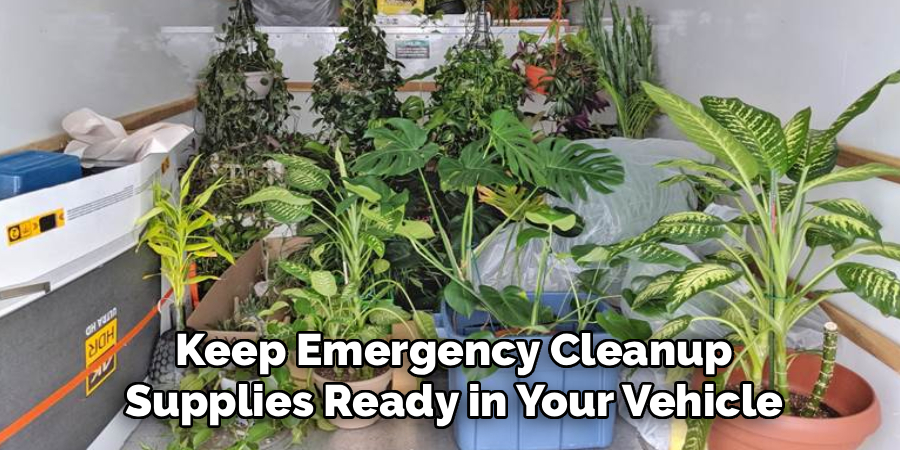
Ensure any fragile stems are supported with stakes so they do not snap during the drive. Let the soil dry out just enough to prevent messy spills while maintaining root health. Confirm your route and keep emergency cleanup supplies ready in your vehicle.
5 Essential Steps on How to Travel With Plants in a Car
This section serves as your main practical step-by-step travel guide for moving greenery. These steps cover the entire travel process, from careful preparation to safely arriving at your destination. By following this complete journey flow, you can prevent damage and keep stress levels low.
Step 1: Secure the Roots and Soil
The first step is securing the soil to prevent a massive mess in your vehicle. Wrap the base of the pot tightly with plastic wrap or a plastic bag. Tie it loosely at the base of the stem to keep the dirt contained during the transportation process. This simple action prevents soil from spilling if you have to brake suddenly.
Step 2: Place Pots in Sturdy Boxes
Find sturdy cardboard boxes that fit your pots snugly to prevent them from sliding around. Place crumpled newspaper or travel essentials like old towels between the pots for added stability. Keeping the containers tightly packed ensures they will not tip over while navigating sharp turns. Make sure the boxes are low enough that the foliage has room to breathe.
Step 3: Manage the Vehicle Temperature
Climate control is critical when your greenery is inside a moving vehicle. Pre-cool or pre-heat the car before bringing the boxes inside to avoid sudden temperature shock. Keep the air vents pointed away from the leaves, as direct blasts of AC or heat can cause severe damage. Monitor the internal climate consistently throughout your itinerary.
Step 4: Protect Foliage From Direct Sunlight
Direct sun beaming through car windows acts like a magnifying glass and will quickly scorch delicate leaves. Use window shades or place a light, breathable sheet loosely over the foliage to block harsh rays. Ensure they still have adequate ventilation while remaining shaded during the brightest parts of the day. Adjust the shading as the sun shifts during your journey.
Step 5: Unpack and Hydrate Upon Arrival
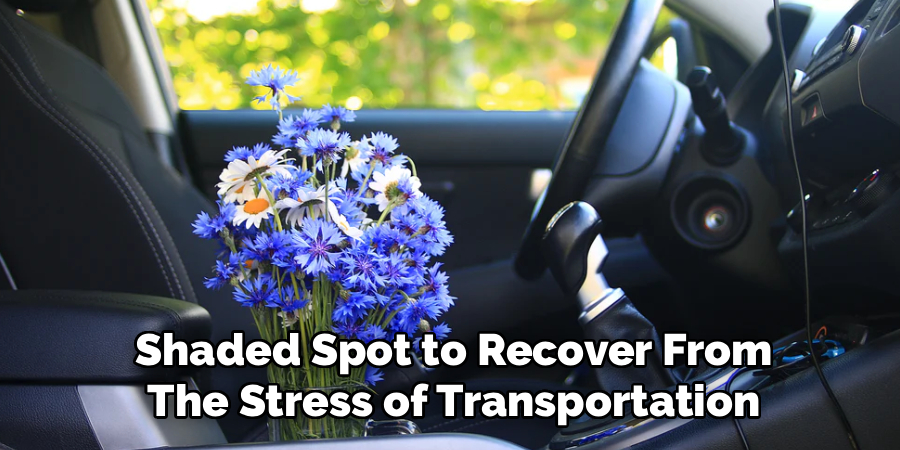
Once you reach your destination, bring the boxes indoors immediately so they do not sit in a parked vehicle. Unwrap the plastic from the soil to let the roots breathe and assess any travel damage. Give them a gentle drink of water and place them in a comfortable, shaded spot to recover from the stress of transportation.
Comfort, Stress & Packing Tips
Comfort and stress management are highly important when transporting living things across long distances. Your foliage should be kept in a safe, stable, and familiar setup to prevent unnecessary shock. Using the right boxes, soft packing materials, and adequate ventilation guarantees a much more comfortable journey.
Optimize your space by packing taller pots on the floorboards where they are less likely to topple over. Avoid overpacking the vehicle, as crushing the leaves with heavy luggage will cause permanent damage. Keep only the necessary travel essentials nearby to ensure the greenery has plenty of breathing room.
Maintain a calm, stable environment by avoiding reckless driving and sharp, sudden turns. Check on their hydration levels during long journeys, but avoid overwatering them while in transit. Simple, practical packing strategies ensure they arrive looking just as healthy as when they left.
Safety & Emergency Tips
Keeping safety as your top priority guarantees a successful trip for both you and your greenery. Always use secure boxes, seat belts, or proper restraints to keep the pots from becoming dangerous projectiles. In the event of a sudden stop, loose pots can cause injury or create a massive distraction.
Keep emergency cleanup supplies ready, including paper towels, a small broom, and extra trash bags. Monitor the foliage regularly during the journey for any signs of wilting, sunburn, or distress. Carry basic emergency supplies like a water bottle and a small pair of pruning shears for broken stems.
Be prepared for unexpected weather changes, traffic delays, or extended travel times. If a pot breaks or soil spills, pull over safely before attempting to clean it up. Staying calm and acting quickly prevents minor accidents from ruining your itinerary.
Common Mistakes to Avoid
One of the biggest mistakes is failing to check state or international travel rules before hitting the road. Ignoring agricultural laws or missing required documents can lead to your greenery being confiscated at checkpoints. Using incorrect box sizes or failing to secure the pots is another fast way to guarantee broken stems.
Never overwater your soil right before the trip, as this causes waterlogged roots and massive spills. Failing to prepare the foliage for travel in advance leads to severe environmental stress and dropped leaves. Leaving out travel essentials like a spray bottle or window shades can also make the trip miserable.
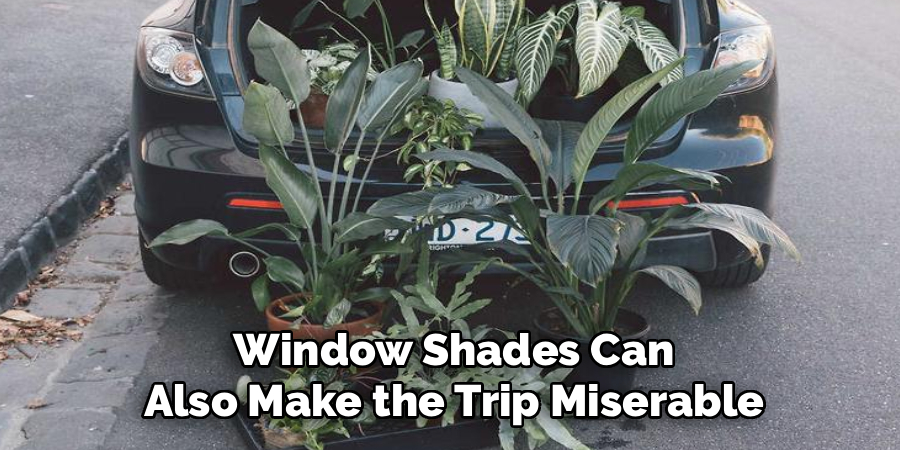
Do not ignore extreme weather conditions or poor travel timing, as heat waves are deadly to enclosed greenery. Poor planning and last-minute packing usually result in crushed leaves and unhappy travelers. Taking the time to prepare properly helps you avoid these completely preventable disasters.
Travel Essentials Checklist
Having a dedicated checklist ensures you have all the essential items needed for a safe and smooth trip. Start with sturdy moving boxes, plastic crates, or proper transport bags to hold the pots securely. Gather plenty of packing paper, bubble wrap, or old towels to fill the gaps between containers.
Bring a small watering can or a misting bottle for hydration during extended transportation. Pack essential documents like agricultural health certificates or permits if you are crossing strict state lines. Include a basic plant first-aid kit with pruning shears and plant tape for any accidental breakages.
Do not forget comfort items like breathable sheets or sunshades to protect delicate leaves from harsh sunlight. Keep waste bags, a dustpan, and paper towels easily accessible for quick cleanups. A simple, practical checklist makes your entire itinerary much easier to manage.
Frequently Asked Questions
Can I leave my greenery in a parked vehicle overnight?
No, you should never leave them in a parked vehicle overnight. Temperatures drop rapidly after dark, and extreme cold causes severe shock. Always bring them inside with you to ensure they remain safe and comfortable.
What is the best way to learn how to travel with plants in a car?
The best approach is to research your specific route, check local agricultural rules, and secure your pots in sturdy boxes. Preparing your vehicle’s climate and monitoring sun exposure ensures a safe, successful journey.
Do I need to water the soil during a long drive?
It is usually best to water them lightly a few days before departure. Unless your journey lasts several days in extremely dry conditions, they will not need extra watering. Misting the leaves is usually enough to maintain humidity.
Conclusion
Understanding how to travel with plants in a car is the key to keeping your leafy companions vibrant and healthy on the road. Proper planning and careful preparation make an enormous difference in preventing broken stems and messy spills. Prioritizing safety, comfort, and following local transport rules ensures your botanical friends survive the trip without issue.
Different transportation methods require unique care, but keeping your vehicle climate-controlled is always essential. We encourage you to always check agricultural regulations and prepare your travel essentials well in advance. With the right steps and a little patience, safe travel is completely possible for any plant parent.

About
Ethan Brooks is a dedicated travel writer and tourism specialist with over a decade of experience exploring more than 150 countries. His professional focus centers on city routes and budget travel, where he combines real-world travel insights with efficient planning strategies.
Ethan is known for creating smart, well-structured travel systems that are practical, cost-effective, and easy to follow. As a core author at thetraveliy.com, he helps both first-time travelers and experienced explorers plan smooth, confident journeys.
Education
The University of Queensland (Australia) Bachelor’s Degree in Tourism Management
-
Focus: Global tourism systems, destination planning, and travel operations.
-
Specialization: Gained practical knowledge in travel logistics, itinerary development, and tourism industry structures.
Publications and Impact
At thetraveliy.com, Ethan Brooks publishes clear, structured, and experience-driven content focused on:
-
Transportation Logistics: Navigating complex transit systems with ease.
-
Itinerary Planning: Creating time-efficient schedules for any destination.
-
Budget-Friendly Solutions: Maximizing value without sacrificing the experience.
Ethan’s work simplifies complex travel decisions, making it easier for readers to plan efficient and affordable trips. By blending practical advice with real-world experience, he helps travelers create well-organized journeys while saving both time and money.