
Budget travel is a popular way to explore the world on a low budget. Flights, hotels, food, and transport can be expensive, so planning is important. Without budgeting, travel costs can increase quickly, leaving you stressed instead of relaxed.
This guide helps you manage money while still enjoying your trip to the fullest. It shares simple planning and money-saving strategies that anyone can use. It works for solo travelers, friends, and families alike.
Learning how to travel to Yellowstone on a Budget is entirely possible with the right approach. You just need a solid plan to handle your daily expenses, park passes, and transportation needs.
Why Budget Travel Matters
Budget travel helps you control expenses and avoid financial stress. Smart spending lets you travel longer and visit more places without worrying about an empty bank account.
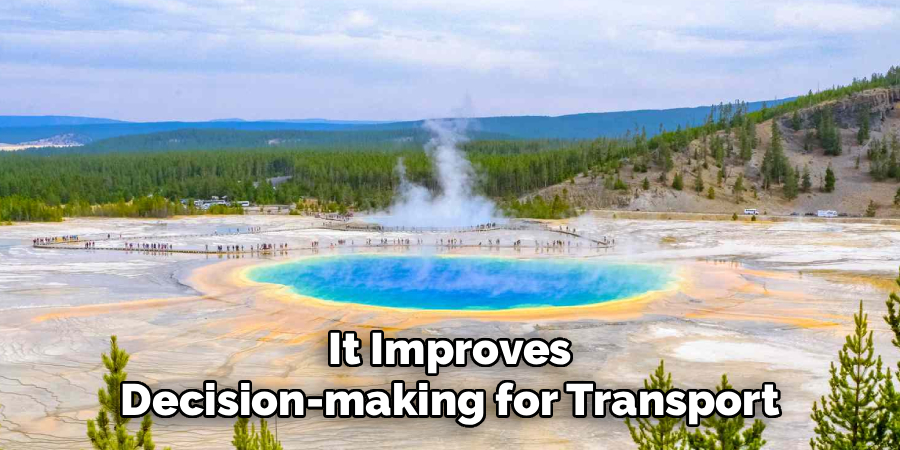
It improves decision-making for transport, stay, and food. When you track your money, you can choose activities that bring the most joy rather than the highest price tag.
It makes travel possible for students, families, and all budgets. It supports long-term and frequent travel plans so you never feel restricted by money. Overall, it helps you travel freely and stay financially secure while seeing the world’s natural wonders.
6 Practical Steps on How to Travel to Yellowstone on a Budget
This is a practical step-by-step guide to help you manage your funds during your national park adventure. The process varies depending on the situation, destination, or personal travel style.
However, we will cover all major areas related to the topic to ensure you have a wonderful journey. Planning gives you the power to enjoy nature safely and affordably.
Step 1: Stay Safe by Booking Entry Passes Early
To secure your trip, you need to understand the basic travel essentials for park entry. Buying your national park pass online saves you time and prevents unexpected entry delays at the gate. If you plan to visit multiple parks, investing in an annual pass provides excellent value. This simple action keeps your itinerary moving smoothly and protects your budget from day one.
Step 2: Save Money by Visiting During the Shoulder Season
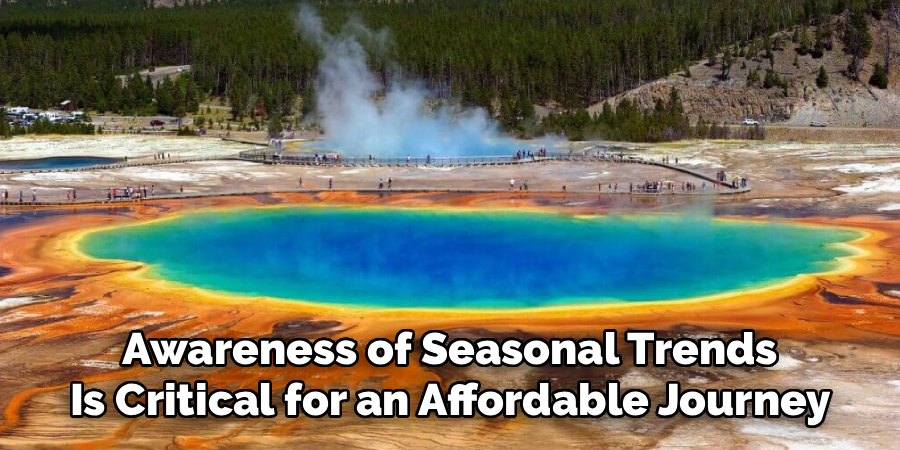
Awareness of seasonal trends is critical for an affordable journey. Visiting right before or just after the peak summer months reduces massive crowds and expensive lodging rates. You will find that autumn and spring offer incredible wildlife viewing at a fraction of the cost. Adjusting your dates is the best protection against high peak-season pricing.
Step 3: Keep Costs Down by Camping Outside the Park
Accommodation often takes up the largest portion of any travel fund. Staying in comfortable, low-cost campgrounds just outside the main park entrances significantly lowers your nightly spending. Make sure to reserve these sites months in advance, as budget-friendly spots fill up quickly. This strategy protects your wallet while keeping you close to the natural beauty.
Step 4: Protect Your Budget by Cooking Your Meals
Relying on park restaurants quickly drains your finances. Instead, bring a portable camp stove and buy groceries at supermarkets before you enter the park area. Packing a daily cooler with sandwiches, snacks, and drinks prevents the need for expensive tourist meals. Emergency handling of hunger with your own food keeps everyone happy and your budget intact.
Step 5: Reduce Transport Fees by Sharing Rides
Transportation costs can spike if you are renting a car alone. Carpooling with friends or family members cuts gas money and rental fees into small fractions. If you are flying in, look for shared shuttle services from the airport to your base camp. Splitting these high costs allows you to spend your money on actual experiences instead.
Step 6: Avoid Emergency Costs by Packing Proper Gear
Weather in the mountains changes rapidly, so preparation is key. Bring layers, rain jackets, and sturdy shoes from home to avoid buying overpriced gear at gift shops. Having a basic first-aid kit prevents you from paying premium prices for simple supplies. Proper packing acts as a protective shield against surprise expenses and ensures you handle small emergencies easily.
Cheapest Ways to Travel
Use buses, trains, and low-cost airlines to save money getting to the surrounding region. Travel on flexible dates to get cheaper flights into nearby regional airports.
Book early or grab last-minute deals for discounts on your transportation. Take overnight buses or trains to save on hotel costs during your travel days.
Use shared rides, carpooling, or transport passes to navigate the surrounding gateway towns. Travel in the off-season for lower overall prices on both flights and gas. Finding out how to travel to Yellowstone on a Budget starts with keeping your transit costs as low as possible.
Accommodation, Transport & Money-Saving Tips
Choose budget hotels, hostels, or shared stays to save money during your trip. Book early or use last-minute deals for better prices on cabins and campsites.
Stay outside the main tourist areas to reduce hotel costs significantly. Use buses, the metro, or travel passes instead of taxis when navigating the gateway towns.
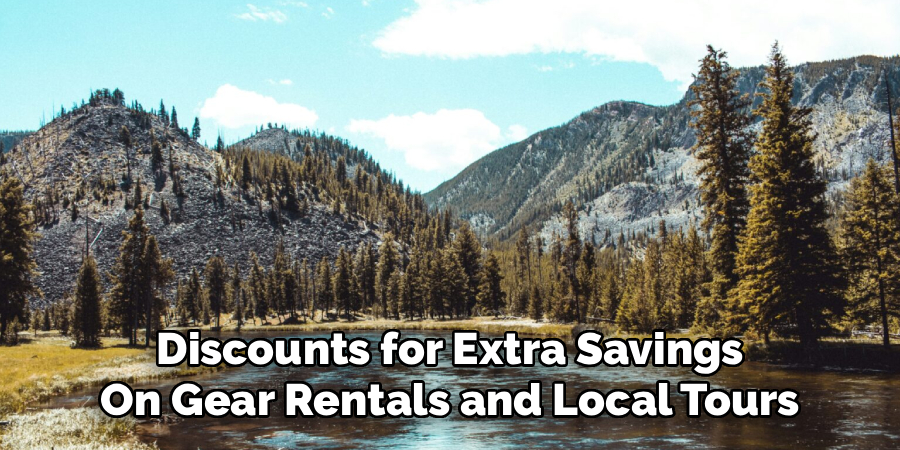
Eat at local markets or cheap restaurants to save money on your daily food budget. Use apps, coupons, and discounts for extra savings on gear rentals and local tours.
Travel Preparation, Documents & Budget Tips
Check your passport, visa, ID, and tickets before travel. Review entry rules and airline policies early to avoid any surprise boarding fees.
Book flights and hotels early to get better prices on your entire itinerary. Get travel insurance for emergencies and cancellations, protecting your hard-earned vacation fund.
Pack light to avoid extra baggage fees at the airport. Arrange internet with a local SIM, roaming plan, or offline maps since cell service is limited in the wilderness.
Travel Safety & Health Tips (Budget Travel)
Budget travel may include some safety risks, so always stay alert in crowded or unfamiliar areas. Choose safe, well-reviewed accommodation to reduce risks and stay comfortable during your rest hours.
Eat at clean and trusted places to avoid food-related illness while saving money. Drink safe water and keep basic hygiene, like handwashing to stay healthy on the trail.
Carry basic medicines for fever, stomach issues, or motion sickness. Balance saving money with safety to enjoy a healthy and stress-free trip.
Common Mistakes to Avoid
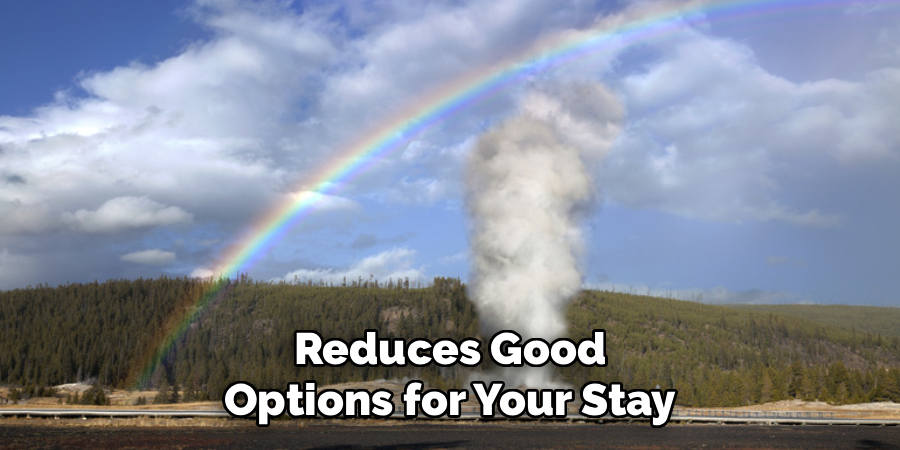
Last-minute booking often increases travel costs and reduces good options for your stay. Ignoring hidden fees like baggage, transport, and local taxes can break your budget quickly.
Not setting a clear budget leads to overspending during the trip on souvenirs and treats. Choosing unsafe accommodation only to save money can cause risk and discomfort.
Overpacking increases baggage fees and makes travel harder to manage. Having no emergency backup money can create serious problems in unexpected situations like flat tires or flight delays.
Frequently Asked Questions
What is the best time of year to visit cheaply?
The best time to save money is during the shoulder seasons of May and September. Accommodation prices drop, flights are cheaper, and the crowds are much smaller. The weather remains pleasant enough for outdoor activities and wildlife watching.
Is it possible to learn how to travel to Yellowstone on a Budget without a car?
Yes, but it requires careful planning. You can fly into a gateway town and use private shuttle services or guided bus tours to see the sights. However, splitting a cheap rental car with a group is often the most cost-effective option.
Conclusion
Learning how to travel to Yellowstone on a Budget is easy when you plan your trip and control your expenses wisely. Smart choices in transport, stay, and daily spending help you save more money for future adventures.
With proper preparation and safety awareness, you can enjoy a smooth and stress-free journey. Nature belongs to everyone, and you do not need extreme wealth to witness its beauty.
Even on a low budget, good planning lets you travel more and experience better moments. Pack your bags carefully, stick to your daily limits, and get ready for an unforgettable journey into the wild.

About
Ethan Brooks is a dedicated travel writer and tourism specialist with over a decade of experience exploring more than 150 countries. His professional focus centers on city routes and budget travel, where he combines real-world travel insights with efficient planning strategies.
Ethan is known for creating smart, well-structured travel systems that are practical, cost-effective, and easy to follow. As a core author at thetraveliy.com, he helps both first-time travelers and experienced explorers plan smooth, confident journeys.
Education
The University of Queensland (Australia) Bachelor’s Degree in Tourism Management
-
Focus: Global tourism systems, destination planning, and travel operations.
-
Specialization: Gained practical knowledge in travel logistics, itinerary development, and tourism industry structures.
Publications and Impact
At thetraveliy.com, Ethan Brooks publishes clear, structured, and experience-driven content focused on:
-
Transportation Logistics: Navigating complex transit systems with ease.
-
Itinerary Planning: Creating time-efficient schedules for any destination.
-
Budget-Friendly Solutions: Maximizing value without sacrificing the experience.
Ethan’s work simplifies complex travel decisions, making it easier for readers to plan efficient and affordable trips. By blending practical advice with real-world experience, he helps travelers create well-organized journeys while saving both time and money.