

Exploring the world does not have to drain your life savings. Budget travel is a popular way to explore the world on a low budget, giving you the freedom to see new places without financial worry. Flights, hotels, food, and transport can be expensive, so planning is important before you pack your bags.

Without budgeting, travel costs can increase quickly and leave you stressed. Knowing exactly how to travel on a budget with family ensures everyone has a wonderful time without breaking the bank. This guide helps you manage money while still enjoying your trip to the fullest.
It shares simple planning and money-saving strategies that anyone can use right away. Whether you are traveling domestically or heading overseas, these methods work for solo travelers, friends, and families alike.
Why Budget Travel Matters
Budget travel helps you control expenses and avoid financial stress during your journey. When you track your spending, you can relax and focus entirely on making memories. Smart spending lets you travel longer and visit more places over time.
It improves decision-making for transport, stay, and food, ensuring you get the best value for your hard-earned money. It makes travel possible for students, families, and people of all financial backgrounds.
By prioritizing your funds, you support long-term and frequent travel plans instead of just one expensive trip. Overall, it helps you travel freely and stay financially secure no matter where you go.

6 Practical Steps on Family Budget Travel
This is a practical step-by-step guide designed to simplify your journey and keep your finances secure. The process varies depending on the situation, destination, or personal travel style, but the core principles remain the same. This main guidance on how to travel on a budget with family will cover all major areas related to the topic.
Step 1: Stay Safe by Planning Your Itinerary
Building awareness of your destination is the first line of defense against unexpected costs. Researching your location thoroughly allows you to understand the local economy, typical transportation rates, and seasonal price shifts.
By mapping out your daily activities, you prevent spontaneous spending that quickly drains your wallet. Planning also gives you a clear idea of safe neighborhoods and affordable dining districts. Keep your schedule flexible but maintain a solid outline to protect your funds.
Step 2: Prevent Overspending by Setting Daily Limits
Once you have your itinerary, creating a daily spending limit is essential for financial protection. Allocate specific amounts for meals, local transport, and small souvenirs so you always know where you stand.
If you spend less on one day, you can roll those funds over to enjoy a nicer dinner the next evening. Tracking every penny prevents the shock of a massive credit card bill when you return home. This disciplined approach ensures a stress-free environment for everyone involved.
Step 3: Protect Your Comfort by Booking Early
Securing your arrangements well in advance shields you from sudden price surges. Airlines and hotels typically increase their rates as the travel date approaches, making early reservations highly beneficial.
Booking early also guarantees that you secure safe, well-reviewed lodging before the best options sell out completely. This proactive step prevents you from being forced into overpriced or unsafe accommodations at the last minute. It provides immense peace of mind before the journey even begins.
Step 4: Handle Emergencies with a Backup Fund
No matter how perfectly you plan, unexpected situations can still arise during your trip. Setting aside a dedicated emergency fund helps you handle sudden medical needs, missed connections, or lost items calmly.
Keep a portion of this backup money in a separate bank account and carry a small amount of hidden cash. Knowing you have a safety net allows you to navigate disruptions without ruining the rest of your vacation. Emergency preparedness is a fundamental aspect of responsible financial management.

Step 5: Secure Savings by Packing Light
Airlines frequently charge heavy fees for checked bags and overweight luggage. You can easily protect your travel budget by packing only the travel essentials and choosing versatile clothing.
Using just a carry-on bag allows you to move quickly through airports and avoid the frustration of lost luggage. It also makes navigating public transit much easier, saving you from expensive taxi rides. Minimalist packing is a simple but highly effective way to keep expenses low.
Step 6: Maintain Awareness of Local Transit
Using the transportation options that locals use is the best way to navigate a new city affordably. Study the public transit maps for buses, subways, and commuter trains before you arrive at your destination.
Avoid relying on private tourist shuttles or premium taxis, which often charge inflated rates. Purchasing a multi-day transit pass can offer significant discounts and seamless travel throughout your stay. Staying informed about transit rules keeps you moving efficiently and economically.
Cheapest Ways to Travel
Finding the right transportation methods can drastically reduce your overall expenses. Use buses, trains, and low-cost airlines to save money while moving between cities or countries. Finding the absolute cheapest ways and learning how to travel on a budget with family requires flexibility with your departure times.
Travel on flexible dates to get cheaper flights, as midweek tickets are often much less expensive. Book early or grab last-minute deals for massive discounts on your fare.
Take overnight buses or trains to save on hotel costs while you sleep. Use shared rides, carpooling, or transport passes to navigate your destination easily. Finally, always travel in the off-season for lower overall prices on both tickets and crowds.
Accommodation, Transport & Money-Saving Tips
Finding an affordable place to sleep is crucial for keeping your trip under control. Choose budget hotels, hostels, or shared stays to save money without sacrificing basic comforts. Book early or use last-minute deals for better prices on reputable booking platforms.
Stay outside main tourist areas to reduce hotel costs and experience authentic local culture. Use buses, the metro, or travel passes instead of relying on expensive private taxis.
Eat at local markets or cheap, family-owned restaurants to save money while enjoying delicious regional food. Use smartphone apps, digital coupons, and tourist discounts for extra savings on attractions and dining.
Travel Preparation, Documents & Budget Tips
Getting your paperwork organized early is a key part of responsible trip management. Check your passport, visa, ID, and tickets long before your actual travel date arrives. Review entry rules and airline policies early to ensure smooth boarding and border crossings.
Book flights and hotels early to get better prices and secure your preferred dates. Get travel insurance for emergencies, medical issues, and unexpected cancellations.
Pack light to avoid extra baggage fees and make moving around much simpler. Arrange your internet access in advance with a local SIM card, international roaming, or downloaded offline maps.
Travel Safety & Health Tips (Budget Travel)
Keeping everyone healthy and secure should always be your top priority. Budget travel may include some safety risks, so always stay alert in crowded or unfamiliar areas. Choose safe, well-reviewed accommodation to reduce risks and stay comfortable throughout the night.
Eat at clean and trusted places to avoid food-related illness while saving money on dining. Drink safe, bottled, or filtered water and keep basic hygiene like regular handwashing.
Carry basic medicines for fever, stomach issues, or motion sickness to handle minor ailments quickly. Balance saving money with safety to enjoy a healthy and stress-free trip.

Common Mistakes to Avoid
Many people unknowingly make errors that end up costing them significantly. Last-minute booking often increases travel costs and drastically reduces your good options. Ignoring hidden fees like baggage charges, resort fees, transport costs, and local taxes can easily break your budget.
Not setting a clear daily budget usually leads to severe overspending during the trip. Choosing unsafe accommodation only to save a few dollars can cause serious risk and discomfort.
Overpacking increases baggage fees and makes moving through transit stations much harder. Finally, having no emergency backup money can create serious problems in unexpected situations.
Frequently Asked Questions
What is the best way to start budgeting?
The best approach is to track your daily income and outline your exact trip expenses. Research your destination’s living costs to establish a realistic daily allowance. Setting a strict limit early prevents financial surprises later.
Are cheap accommodations actually safe?
Yes, many affordable hostels and budget hotels provide excellent security and clean facilities. You just need to read recent guest reviews and check the neighborhood carefully. Prioritize places with secure lockers and a 24-hour front desk.
Can we travel on a budget with family comfortably?
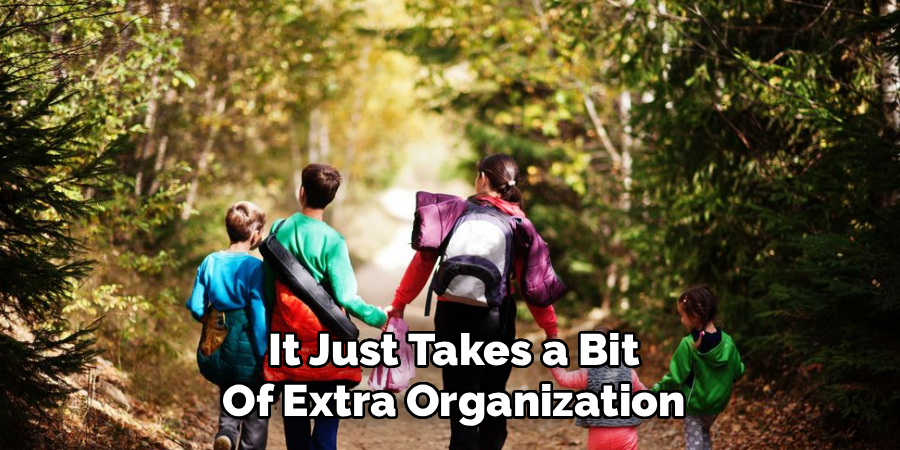
Absolutely, planning ahead allows you to secure comfortable rooms and convenient transport at low prices. Prioritizing free activities and local dining keeps expenses low without sacrificing the fun. It just takes a bit of extra organization.
Conclusion
How to travel on a budget with family becomes entirely clear when you focus on careful preparation. Budget travel is easy when you plan your trip and control your expenses wisely from the very beginning. Smart choices in transport, stay, and daily spending help you save more money for future adventures.
With proper preparation and safety awareness, you can enjoy a smooth, educational, and stress-free journey. You do not need to empty your bank account to create wonderful, lasting memories. Even on a low budget, good planning lets you travel more and experience better moments everywhere you go.

About
Ethan Brooks is a dedicated travel writer and tourism specialist with over a decade of experience exploring more than 150 countries. His professional focus centers on city routes and budget travel, where he combines real-world travel insights with efficient planning strategies.
Ethan is known for creating smart, well-structured travel systems that are practical, cost-effective, and easy to follow. As a core author at thetraveliy.com, he helps both first-time travelers and experienced explorers plan smooth, confident journeys.
Education
The University of Queensland (Australia) Bachelor’s Degree in Tourism Management
-
Focus: Global tourism systems, destination planning, and travel operations.
-
Specialization: Gained practical knowledge in travel logistics, itinerary development, and tourism industry structures.
Publications and Impact
At thetraveliy.com, Ethan Brooks publishes clear, structured, and experience-driven content focused on:
-
Transportation Logistics: Navigating complex transit systems with ease.
-
Itinerary Planning: Creating time-efficient schedules for any destination.
-
Budget-Friendly Solutions: Maximizing value without sacrificing the experience.
Ethan’s work simplifies complex travel decisions, making it easier for readers to plan efficient and affordable trips. By blending practical advice with real-world experience, he helps travelers create well-organized journeys while saving both time and money.