
Planning a trip through Norway’s stunning landscapes is always an exciting adventure. If you are wondering how to Travel From Bergen to Flam, you have come to the right place. This route is incredibly popular because it connects the historic coastal city of Bergen with the breathtaking Aurlandsfjord.
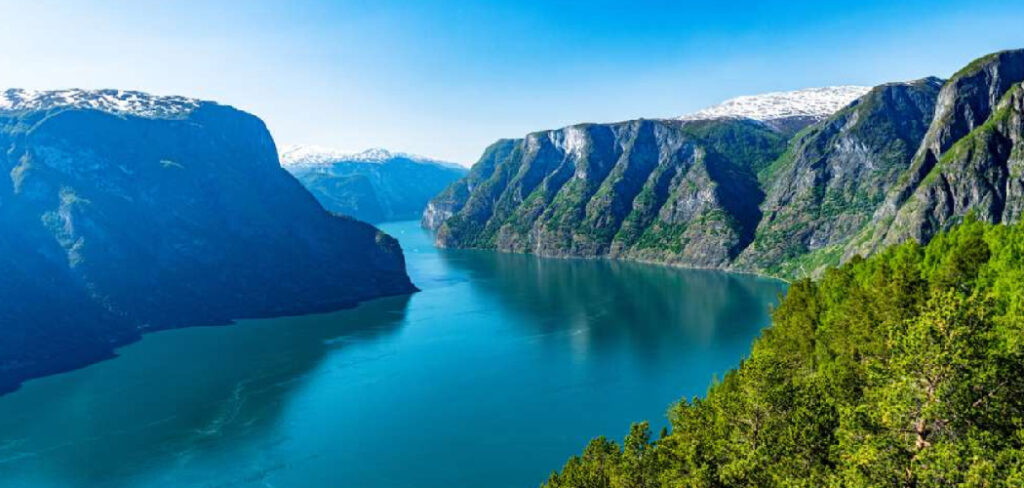
Proper planning for this journey will save you time, reduce stress, and keep your costs manageable. In this guide, you will learn about the best travel methods, travel times, and essential tips for a smooth trip. You can choose from options like a scenic train ride, a relaxing ferry, or driving by car.
How to Get There
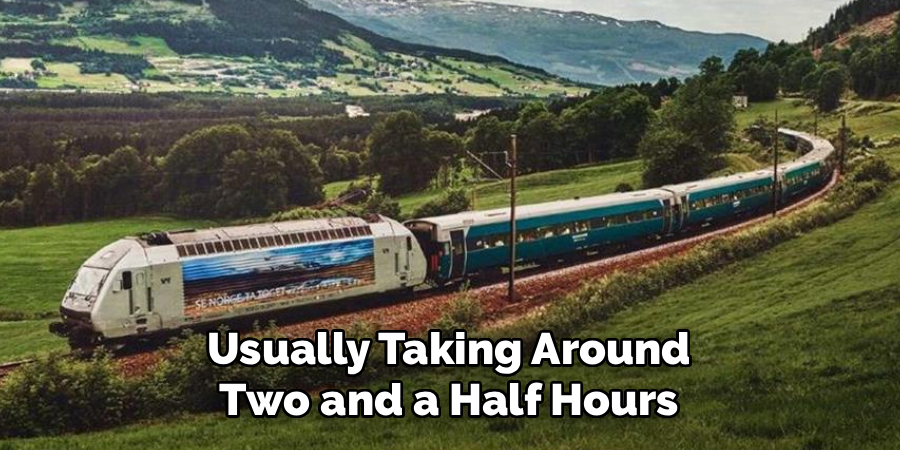
Your journey will typically start after arriving at Bergen Airport, the closest major international hub in the region. From the airport, travelers easily reach the city center via a light rail or airport bus. Once in the city, you have a few excellent options to reach the fjords. The major routes include the famous railway network, a direct express boat, or a scenic drive along the E16 highway. Depending on the transport you choose, the total travel duration ranges from two and a half hours to just over three hours. Services operate daily, with trains and boats running frequently during the summer tourist season. This connectivity makes organizing your itinerary simple and stress-free.
6 Incredible Steps on How to Travel From Bergen to Flam
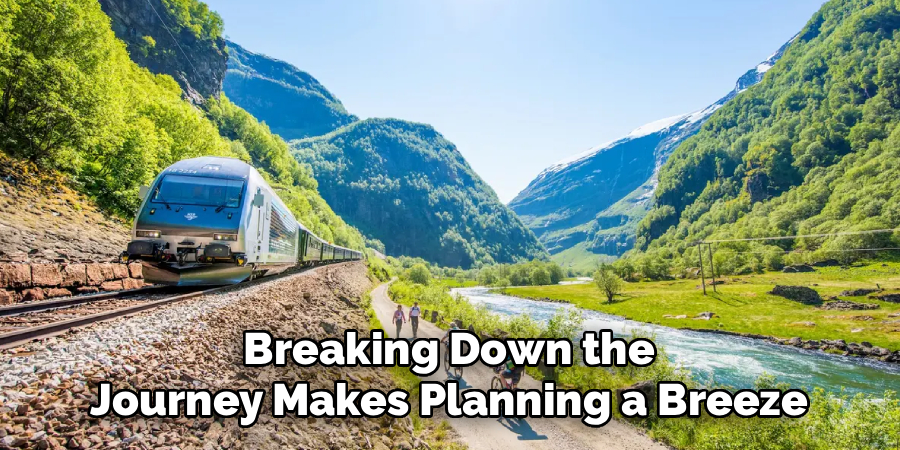
Breaking down the journey makes planning a breeze. There are multiple ways to travel, and these steps cover the major transport options available to you.
Step 1: Choose Your Transport
The first thing you need to do is decide between taking the train, the ferry, the bus, or renting a car. The scenic railway takes about three hours and offers medium comfort for mid-range budgets. A direct ferry ride takes around five and a half hours, offering high comfort and incredible fjord views. Driving takes roughly two and a half hours, giving you ultimate flexibility. This step is perfect for budget travelers and fast travel seekers alike, allowing you to tailor the trip to your specific needs.
Step 2: Book Your Tickets in Advance
Once you pick your transport method, booking early is highly recommended. Train and ferry services run daily but often sell out quickly during the peak summer months. Reserving your spot ensures you get a fair price, keeping your average cost strictly within a mid-range budget. This step is essential for anyone wanting high comfort and guaranteed seating. Securing tickets ahead of time simply eliminates the stress of last-minute scrambling. A quick practical tip is to check the official transport websites directly for the most accurate availability and lowest fares.
Step 3: Arrive at Bergen Station or Pier
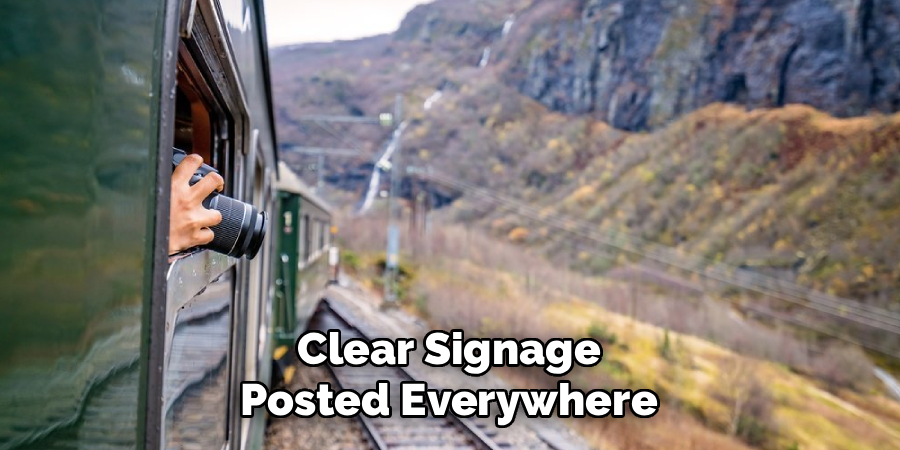
On the day of your departure, getting to the right starting point is crucial. If you choose the railway, head to the central train station located right in the city center. If you booked the express boat, make your way to the Strandkaiterminalen pier near the harbor. The facilities are highly accessible and offer medium to high comfort while you wait. Arriving early is best for travelers who want a relaxed start. Navigating the terminals is very straightforward, with clear signage posted everywhere.
Step 4: Enjoy the Scenic Journey to Myrdal or Flam
The ride itself is widely considered one of the most beautiful in the world. If you are on the express boat or driving a rental car, you will head directly to the destination with breathtaking views along the way. If you opted for the railway, your first leg will take you to the mountain station of Myrdal. The travel time flies by as you gaze out at waterfalls and steep mountainsides. It is an incredibly comfortable experience suited for all traveler types looking to sit back and relax.
Step 5: Navigate the Transfer if Taking the Train
If your journey involves the railway, you will need to change trains at Myrdal station. This transfer is extremely simple and perfectly timed, as the connecting train waits on the adjacent platform. You will then board the famous Flamsbana for the final leg down to the valley. This specific connection happens daily and is seamlessly coordinated for maximum convenience. This option is amazing for comfort seekers who do not mind a brief layover. Keep your camera ready, as the transfer area itself offers stunning mountain scenery.
Step 6: Arrive and Explore Flam
Upon arrival, you will find yourself right in the heart of the picturesque village. The train station, bus stops, and ferry pier are all located next to each other in a highly walkable area. The transition from travel to sightseeing is immediate and totally stress-free. This final step is rewarding for every type of visitor, providing instant access to cafes, local shops, and fjord tours. A handy tip is to drop your luggage at your accommodation first, so you can start exploring the beautiful surroundings right away.
Pros and Cons of Each Travel Option
Every travel method comes with its own unique advantages and disadvantages. The train provides unparalleled scenic views and great comfort, but it requires a transfer and can be expensive. Taking the ferry is incredibly relaxing and drops you right in the fjord, though it is the slowest method. Renting a car offers maximum flexibility and speed, yet it comes with the added responsibility of navigating unfamiliar roads. The bus is generally the cheapest option, but it might lack the legroom and charm of the railway or boat.
Best Way to Travel
The best overall travel option is taking the combination of the regional train and the Flamsbana railway. This method offers the perfect balance of cost, travel time, and comfort. It is highly reliable, runs year-round, and provides some of the most dramatic landscapes in all of Norway. While the direct ferry is wonderful for sightseeing, the train is faster and less affected by poor weather conditions. For the average traveler wanting convenience and an unforgettable experience, the railway is simply the most practical and rewarding choice.
Cheapest Way to Travel
The lowest-cost option is usually taking a regional public bus. Tickets typically range on the lower end of the budget spectrum, especially if you book them well in advance. It is the cheapest choice because it avoids the premium pricing associated with tourist-focused trains and ferries. The main trade-off is a slightly longer travel time and fewer opportunities to stretch your legs. Bus schedules are regular but can be less frequent on weekends. Traveling during the off-season is another great tip to save even more money on your journey.
Fastest Way to Travel
The absolute fastest option is to drive a rental car directly. The total travel time from door to door takes roughly two and a half hours, depending on local traffic. Driving is the quickest method because it provides a direct route along the E16 highway with zero mandatory stops or transfers. The convenience is unmatched, though you trade away the ability to sit back and let someone else navigate. Direct buses are also quite fast, but a car gives you ultimate control over your departure schedule.
Travel Documents You Must Carry
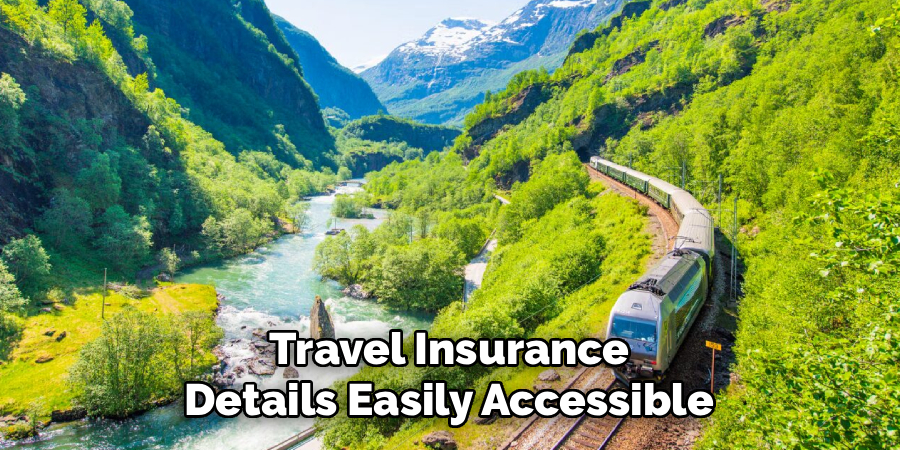
Keeping your paperwork organized is a huge part of a smooth trip. Always carry a valid passport or a recognized national ID card. If your nationality requires it, ensure your visa is securely attached. You should have digital and printed copies of your train, bus, or ferry tickets. Keep your hotel booking confirmations and travel insurance details easily accessible. If you plan to rent a car, do not forget your driver’s license. Having debit or credit cards is essential, and keeping digital backups on your phone provides great peace of mind.
Estimated Budget & Money-Saving Tips
A mid-range budget for this journey will typically cover transport, a simple meal, and small incidental expenses. Transport is your biggest cost, so planning is key. You can save money by booking train or boat tickets months in advance or choosing to travel during the shoulder season. Opting for the public bus instead of the tourist railway is another fantastic way to reduce costs. Look out for family discounts or student passes if they apply to you. Packing your own snacks will also keep food expenses delightfully low.
Currency & Money Management
Norway uses the Norwegian Krone as its official local currency. It is helpful to have a basic understanding of the exchange rate before you arrive. The country is largely cashless, so credit, debit, and contactless payments are accepted almost everywhere. ATMs are available in larger transport hubs if you need them. Carrying a very small amount of cash can be useful for minor purchases. To avoid unnecessary conversion fees, always choose to pay in the local currency when prompted by a card machine. Keep your wallet secure during transit.
Internet & WiFi Availability
Staying connected during your trip is generally quite easy. Free public WiFi is readily available at airports, central train stations, and on most modern express boats. The general internet speed is highly reliable in urban areas, though coverage can briefly drop as you pass through rural mountain tunnels. Using your mobile data is a smart backup if the free networks become slow. Always prioritize safe browsing by avoiding sensitive transactions on unsecured public networks. You can also expect excellent, high-quality WiFi connections at your hotel once you arrive.
Travel Tips
A few simple strategies will ensure your journey is completely stress-free. Planning your route and booking your tickets in advance should always be your top priority. Make it a habit to arrive early at the station or pier so you can find your platform without rushing. Packing light and smart makes handling transfers much easier. Always check the local weather forecast before you depart, as mountain conditions can change rapidly. Finally, downloading offline maps and official transport apps will keep you perfectly updated on any schedule changes.
Travel Safety, Common Scams & Mistakes to Avoid
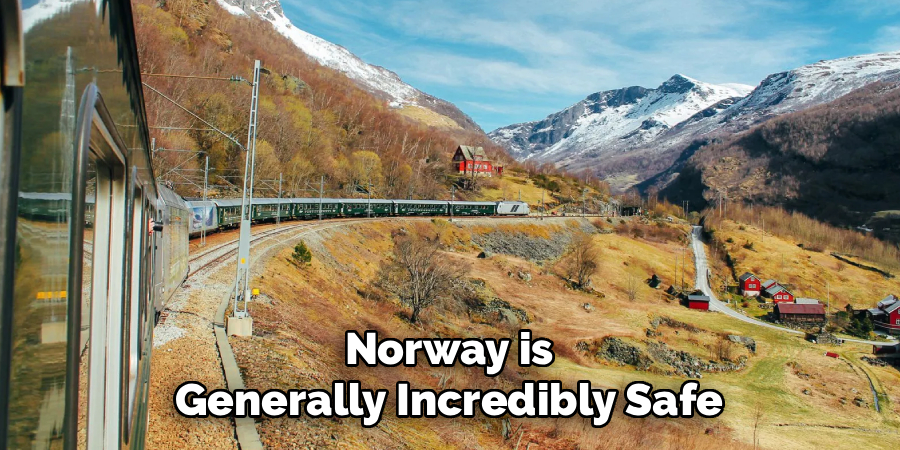
Norway is generally incredibly safe, but maintaining basic travel awareness is always wise. The most common mistakes involve boarding the wrong train or overpaying for unofficial taxi services. To avoid scams, simply stick to verified transport companies and official ticket counters. If a situation feels suspicious or a deal seems too good to be true, step away. Keep your bags, phones, and wallets secure, especially when navigating crowded platforms. Avoid sharing your detailed itinerary with strangers, and maintain a calm, alert posture as you enjoy your beautiful surroundings.
Safety & Health Precautions
Taking basic health and safety precautions ensures you remain comfortable throughout your trip. Staying hydrated and practicing good hygiene are simple but effective habits. The main travel risks here simply involve navigating busy transport hubs or slipping on icy platforms during the winter. Carrying a small first-aid kit with basic pain relievers and band-aids is always a good idea. The local tap water is perfectly clean and safe to drink. Always keep a list of emergency contacts easily accessible, and remember that cautious, responsible behavior is your best defense against mishaps.
Emergency Contacts & Useful Links
Knowing who to call in a rare emergency is a critical part of travel prep. In Norway, dial 112 for police, 113 for medical emergencies, and 110 for fire services. It is smart to keep the contact details of your home country’s embassy saved on your phone. You should also note down the customer service helplines for your specific airline, train, or bus operator. Browsing official tourism websites beforehand provides great local context. Always save these important contacts offline, just in case you temporarily lose mobile reception.
Frequently Asked Questions
Question 1
The most scenic method is undoubtedly the railway. The train takes you through spectacular mountain passes and connects with the world-famous Flamsbana, offering incredible views of deep valleys, roaring waterfalls, and charming rural villages along the way.
Question 2
If you are short on time, driving a rental car or taking a direct express bus is the fastest choice. They provide a direct route with zero mandatory layovers, usually taking around two and a half hours.
How to Travel From Bergen to Flam?
You can take a direct express ferry, ride the scenic railway via Myrdal, drive a rental car, or catch a public bus. The train is often considered the best overall choice for balancing cost, comfort, and views.
Conclusion
Learning how to Travel From Bergen to Flam is the first step toward an unforgettable Norwegian adventure. This journey is straightforward, incredibly safe, and visually spectacular, no matter which transport method you ultimately choose. By preparing your documents, booking tickets early, and keeping safety tips in mind, you can focus entirely on enjoying the stunning landscapes. Excellent planning truly makes all the difference in the world. As a final helpful tip, remember to pack an extra layer of clothing, as the fjord weather can be wonderfully crisp and unpredictable.

About
Ethan Brooks is a dedicated travel writer and tourism specialist with over a decade of experience exploring more than 150 countries. His professional focus centers on city routes and budget travel, where he combines real-world travel insights with efficient planning strategies.
Ethan is known for creating smart, well-structured travel systems that are practical, cost-effective, and easy to follow. As a core author at thetraveliy.com, he helps both first-time travelers and experienced explorers plan smooth, confident journeys.
Education
The University of Queensland (Australia) Bachelor’s Degree in Tourism Management
-
Focus: Global tourism systems, destination planning, and travel operations.
-
Specialization: Gained practical knowledge in travel logistics, itinerary development, and tourism industry structures.
Publications and Impact
At thetraveliy.com, Ethan Brooks publishes clear, structured, and experience-driven content focused on:
-
Transportation Logistics: Navigating complex transit systems with ease.
-
Itinerary Planning: Creating time-efficient schedules for any destination.
-
Budget-Friendly Solutions: Maximizing value without sacrificing the experience.
Ethan’s work simplifies complex travel decisions, making it easier for readers to plan efficient and affordable trips. By blending practical advice with real-world experience, he helps travelers create well-organized journeys while saving both time and money.