

Figuring out how to travel from Istanbul to Paris can seem daunting, but it is actually a very manageable and exciting journey. This route connects two of the world’s most iconic and culturally rich cities, making it incredibly popular for tourism, business, and romantic getaways.

Planning this trip properly saves you valuable time and money while helping you avoid unnecessary travel stress. In this guide, you will learn the best ways to complete the route, including cost estimates, travel times, and highly useful tips.
We will cover a variety of transportation options, including quick flights, scenic train rides, and budget-friendly buses. My goal is to make your European adventure as smooth as possible.
How to Get There
The journey from Turkey to France primarily begins at Istanbul Airport or Sabiha Gökçen International Airport. You will typically arrive at either Charles de Gaulle Airport or Orly Airport in the French capital.
Air travel is the most direct route, but overland options like trains and buses offer alternative paths across Europe. Travel durations range from a quick three-hour flight to a multi-day train or bus expedition.
Daily flights and frequent international bus schedules ensure you have plenty of availability year-round. A simple route map usually takes you northwest through the Balkans and Central Europe before reaching western France. Using a navigation app will help you visualize the sheer scale of this exciting cross-continental transit.
6 Simple Steps on How to Travel from Istanbul to Paris
This section provides the main travel breakdown for your upcoming journey. There are multiple ways to travel across Europe, so comparing them is highly beneficial.
Step 1: Choose a Direct Flight for Maximum Speed
Flying is the most popular and straightforward transportation option available for this route. A direct flight takes approximately three to four hours from takeoff to landing.

Prices typically range from $100 to $300, depending heavily on the season and how early you book. This option offers a high comfort level, especially if you upgrade to premium economy or business class.
Daily flights are available from multiple major airlines, providing excellent flexibility for your schedule. This step is best for travelers who want to maximize their vacation time rather than spending days in transit. Setting up a price alert early will help you secure the best possible airfare.
Step 2: Consider a Connecting Flight for Better Deals
If direct flights are too expensive, booking a connecting flight is a fantastic alternative. Travel time usually extends to between six and nine hours, factoring in the necessary layover time.
The average cost drops to around $70 to $150, making it very appealing for mid-range budgets. Comfort remains relatively high, though changing terminals can be slightly tiring.
Frequent daily connections operate through hubs like Frankfurt, Munich, or Athens. This choice is ideal for budget-conscious travelers who still want to arrive on the same day. Always ensure you have at least a two-hour layover to comfortably make your connection.
Step 3: Embark on a Multi-Day Train Adventure
Taking the train across Europe transforms your transit into a highly scenic vacation experience. The total travel time spans roughly two to three days, requiring multiple transfers along the way.
Costs can vary widely from $200 to over $400, especially if you opt for sleeper cabins. The comfort level is very high, offering spacious seating and beautiful countryside views through the window.
Train availability is consistent daily, though you must carefully align international timetables. This option perfectly suits slow travelers and railway enthusiasts who love watching the landscape shift. Booking a rail pass might offer significant savings if you plan to make overnight stops.
Step 4: Take an International Coach Bus
Riding an international long-distance bus is a classic method for crossing the European continent cheaply. This overland journey usually takes about 35 to 45 hours of continuous driving.
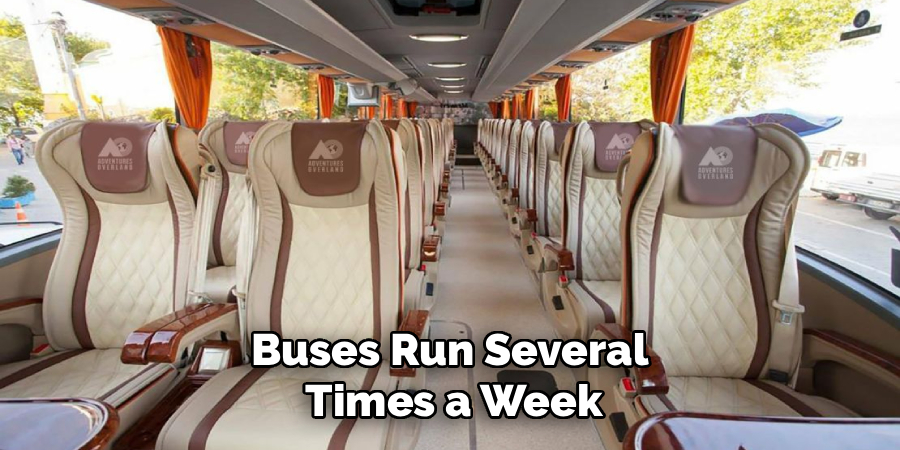
Fares generally sit between $80 and $130, making it an extremely economical choice. The comfort level is relatively low due to confined seating, though modern coaches do offer air conditioning and onboard restrooms.
Buses run several times a week, providing a reliable but slightly less frequent schedule. Budget backpackers and students often find this option to be the absolute best fit for their wallets. Bring a neck pillow and plenty of downloaded movies to stay comfortable and entertained.
Step 5: Plan an Epic Cross-Continental Road Trip
Driving your own vehicle or a rental car offers unparalleled freedom and flexibility. The driving time clocks in around 28 to 32 hours of pure time on the road, usually split over three or four days.
Costs can easily exceed $500 when you factor in fuel, toll roads, and overnight accommodations. Comfort is entirely medium to high, as you control the pacing and the rest stops.
The availability is completely flexible since you dictate the departure date and time. Families or groups of friends who want to explore hidden gems along the route will love this option. Ensure your international driving permit and vehicle insurance are fully up to date.
Step 6: Combine a Ferry and Overland Transport
Mixing a ferry ride with train or bus travel adds a unique nautical twist to your European journey. You can take a ferry from Turkey to Greece or Italy before continuing overland toward France.
The total travel time easily stretches to three or four days depending on your specific connections. Prices typically range from $250 to $450, balancing out the cost of sea and land tickets.
Comfort is surprisingly high, as large ferries offer beds, restaurants, and room to walk around. Sailings operate a few times a week, requiring careful alignment with your onward train or bus schedules. Adventurous travelers looking to break up a long land journey will thoroughly enjoy this hybrid approach.
Pros and Cons of Each Travel Option
Every transportation method has distinct advantages and disadvantages that will shape your trip. Flights provide incredible speed and convenience, but they can be costly and involve strict luggage limits.
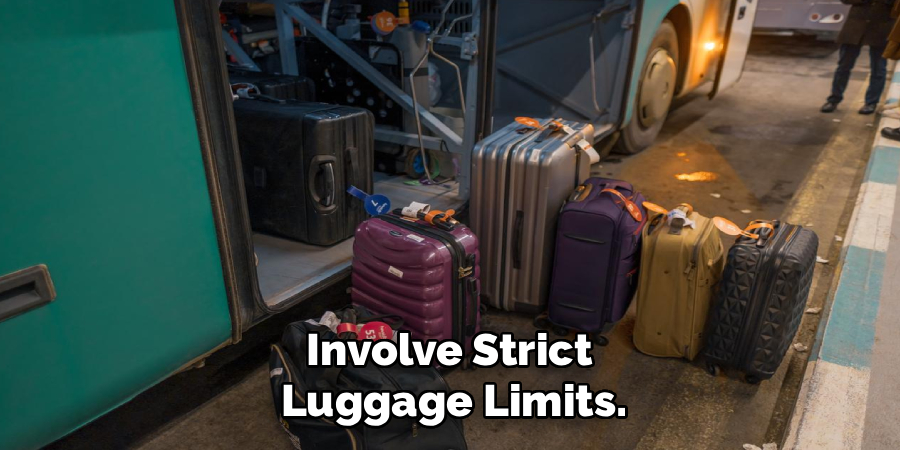
Trains deliver high comfort and scenic views, though they take much longer and require complex transfers. Buses are undeniably budget-friendly, yet they often suffer from cramped conditions and extended travel delays.
Ferries offer a relaxing break from the road, but sailing schedules are limited and highly weather-dependent. Driving grants total flexibility and privacy, but fuel costs and toll fees add up quickly. Weighing these factors helps you find the right balance for your unique vacation style.
Best Way to Travel
The best overall way to complete this cross-continental journey is undoubtedly by booking a direct flight. This method offers the perfect balance of reasonable cost, absolute convenience, and minimal transit time.
You can easily depart in the morning and be sipping coffee by the Seine River in the afternoon. Compared to exhausting multi-day bus rides or highly expensive train routes, flying eliminates almost all logistical headaches.
Airlines offer consistent daily reliability that overland options simply cannot match over such a vast distance. Most average travelers will find this route perfectly satisfies their need for a quick and comfortable arrival.
Cheapest Way to Travel
The lowest-cost transportation option is taking an international long-distance coach bus. Average ticket prices range from $80 to $130, depending on the season and how early you secure your seat.
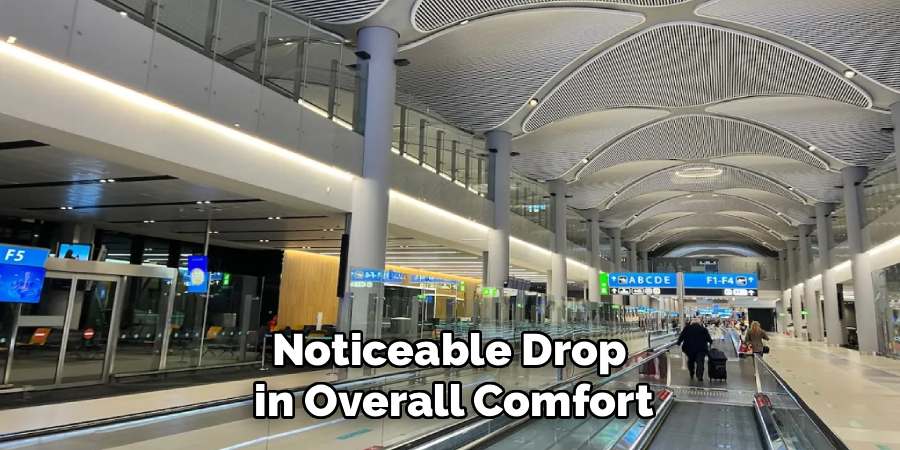
It is the cheapest method because the operational costs of shared road transport are distributed among dozens of passengers. However, the major trade-offs include significantly longer travel times and a noticeable drop in overall comfort.
These buses typically run a few times a week, so you must align your schedule with their specific departure dates. Booking well in advance and traveling during off-peak months will help you secure the absolute lowest fares.
Fastest Way to Travel
Booking a direct flight is by far the fastest transportation option available for this route. The total door-to-door travel time typically hovers around six to seven hours.
This includes the three-hour flight time, plus airport check-in, security screening, and ground transfers. It remains the fastest choice because an airplane bypasses all geographical obstacles and international border traffic.
The immense convenience easily outweighs the time spent navigating massive airport terminals. Direct flights are available daily, ensuring you never have to wait long for a departure. Choosing a flight guarantees you spend your vacation exploring rather than sitting in transit.
Travel Documents You Must Carry
You must carry a valid passport with at least six months of remaining validity for international transit. A Schengen visa is strictly required for many nationalities entering France from Turkey.
Always keep digital and printed copies of your flight, train, or bus tickets readily accessible. Having your hotel booking confirmation on hand will help answer any questions at immigration checkpoints.
Carry a copy of your comprehensive travel insurance to ensure peace of mind during emergencies. You should also pack an international driver’s license if you plan to rent a vehicle. Keep your debit cards, credit cards, and backup photocopies perfectly organized in a secure travel folder.
Estimated Budget & Money-Saving Tips
An estimated budget for a standard mid-range trip usually falls between $800 and $1,500 per person. This generally covers your main transportation, decent accommodations, daily food, and basic sightseeing activities.

Budget travelers can easily survive on much less by utilizing hostels and long-distance buses. Booking your major transit tickets and accommodations several months early is a fantastic way to save money.
Traveling during the off-season shoulder months also drastically reduces overall expenses. Utilizing local public transport instead of expensive taxis will keep your daily spending incredibly low. Look for city tourism passes that bundle attraction entries with free local transit.
Currency & Money Management
You will handle Turkish Lira at the beginning of your trip and switch to Euros upon arriving in France. Having a basic understanding of the current exchange rate will prevent you from overpaying for small items.
Credit and debit cards featuring contactless technology are widely accepted in both major cities. However, carrying a small amount of cash is always highly recommended for minor purchases at local markets.
ATMs are readily available at airports, train stations, and throughout both urban centers. Choosing a travel card with zero foreign transaction fees will help you avoid unnecessary currency conversion charges. Always keep your cash separated into different bags for added security.
Internet & WiFi Availability
Public WiFi is highly accessible across major airports, train stations, and modern cafes on both ends of your trip. The internet speed and reliability in these urban centers are generally excellent.
You will easily find free network options, though some premium transit lounges may require a small fee. Coverage remains exceptionally strong in the cities but can drop noticeably if you travel overland through rural areas.
Purchasing a local e-SIM or an international roaming plan provides a highly reliable mobile data backup. Always avoid logging into sensitive banking apps while connected to unsecured public networks. Most standard hotels offer complimentary, high-quality WiFi for their registered guests.
Travel Tips
Planning your itinerary and booking tickets well in advance guarantees a much smoother journey. Arriving at the airport or train station at least two hours early prevents unnecessary rushing.
Keeping all your vital travel documents clearly organized in a single pouch saves time at security checkpoints. Packing light and utilizing a high-quality carry-on bag allows you to navigate crowded transit hubs effortlessly.
Always check the seasonal weather forecast for your destination so you can pack appropriate clothing layers. Downloading offline maps and language translation apps will make navigating a new city significantly easier. Staying flexible and keeping a positive attitude ensures you enjoy every moment of the trip.
Travel Safety, Common Scams & Mistakes to Avoid
Maintaining general safety awareness is crucial when navigating busy international tourist hubs. You should actively watch out for common scams, such as fake taxis, aggressive street vendors, and misleading ticket scalpers.
Staying highly alert and independently verifying all booked services will keep you fully protected. Suspicious situations usually involve overly friendly strangers offering unsolicited help with your luggage or directions.

Always stick to official transportation networks and highly reviewed tour operators. Keep your valuable electronics, phone, and wallet securely zipped inside a theft-proof crossbody bag. Never share your specific hotel details or personal itinerary with people you just met.
Safety & Health Precautions
Combining smart safety habits with basic health precautions guarantees a highly comfortable vacation experience. Staying properly hydrated and maintaining good hand hygiene are essential steps when moving through crowded transit centers.
Unfamiliar urban areas and dense tourist crowds naturally present minor risks like petty theft. Carrying a small first-aid kit stocked with basic pain relievers and bandages is a very wise choice.
You can easily avoid common travel illnesses by drinking bottled water and choosing busy, highly rated restaurants. Always keep a printed list of your emergency contacts easily accessible in your day bag. Responsible and cautious behavior ensures you return home with only wonderful memories.
Emergency Contacts & Useful Links
Memorizing the local emergency numbers is a vital step for any international vacation. You can dial 112 across most of Europe, including France, for immediate access to police, fire, or ambulance services.
Keeping the contact details for your home country’s embassy or consulate is highly recommended. Saving the customer service helplines for your specific airline or train operator will help you quickly resolve transit delays.
Official government tourism websites offer excellent, verified information regarding local safety protocols. Be sure to save all these important contacts directly to your phone for easy offline access.
Frequently Asked Questions
What is the fastest method for how to travel from Istanbul to Paris?
Taking a direct flight is absolutely the fastest method available. You will complete the entire journey in just three to four hours of flight time, keeping your total transit incredibly short and comfortable.
How much does it cost to complete this journey?
The cost varies wildly based on your chosen transport. Budget buses start around $80, while direct flights and scenic train routes typically cost between $150 and $300 depending on the season.
Which transportation method is the absolute best option?
Flying direct remains the best overall choice for most people. It perfectly balances a reasonable ticket price with unmatched speed, saving you highly valuable vacation time.
Conclusion
How to travel from Istanbul to Paris is a question with many exciting and practical answers. This incredible journey connects two amazing cultures, offering everything from rapid flights to highly scenic overland adventures.
Rest assured that traversing this popular European route is exceptionally safe, incredibly easy, and highly rewarding. Taking the time to plan your specific transport and prepare your travel documents ensures a completely stress-free experience. As a final tip, always book your tickets several months in advance to secure the absolute best prices.

About
Ethan Brooks is a dedicated travel writer and tourism specialist with over a decade of experience exploring more than 150 countries. His professional focus centers on city routes and budget travel, where he combines real-world travel insights with efficient planning strategies.
Ethan is known for creating smart, well-structured travel systems that are practical, cost-effective, and easy to follow. As a core author at thetraveliy.com, he helps both first-time travelers and experienced explorers plan smooth, confident journeys.
Education
The University of Queensland (Australia) Bachelor’s Degree in Tourism Management
-
Focus: Global tourism systems, destination planning, and travel operations.
-
Specialization: Gained practical knowledge in travel logistics, itinerary development, and tourism industry structures.
Publications and Impact
At thetraveliy.com, Ethan Brooks publishes clear, structured, and experience-driven content focused on:
-
Transportation Logistics: Navigating complex transit systems with ease.
-
Itinerary Planning: Creating time-efficient schedules for any destination.
-
Budget-Friendly Solutions: Maximizing value without sacrificing the experience.
Ethan’s work simplifies complex travel decisions, making it easier for readers to plan efficient and affordable trips. By blending practical advice with real-world experience, he helps travelers create well-organized journeys while saving both time and money.