
Planning a magical getaway requires knowing exactly how to travel from Paris to Disneyland without any unnecessary stress. This famous route connects the bustling French capital directly to the enchanting gates of the theme park.
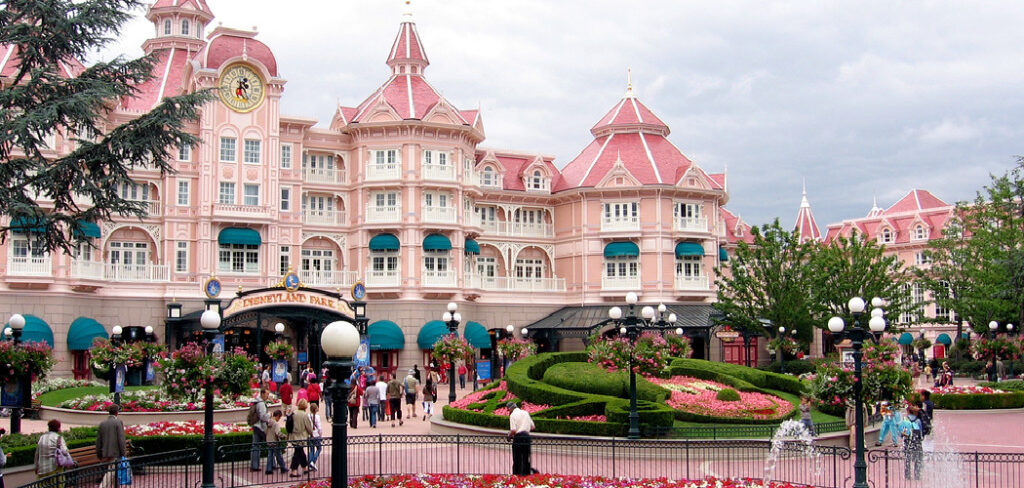
Millions of tourists and locals make this journey every year for vacations, day trips, and special family moments. Planning this trip properly ensures you save money, maximize your park time, and avoid confusing transit delays.
In this guide, you will learn the best travel methods, average costs, and essential tips for a smooth ride. We will cover all your main transportation options, including trains, buses, rideshares, and driving yourself.
Whether you are traveling solo or with excited children, having a solid itinerary makes a world of difference. Let us explore the easiest ways to reach the magic.
How to Get There
Travelers flying into the region typically arrive at Charles de Gaulle or Orly airports before heading into the city. From central Paris, you have several reliable ways to reach the Disneyland resort area.
The most common routes include the regional RER rail network, dedicated shuttle buses, and private car services. Most of these travel options take between 40 minutes to an hour, depending on traffic and your exact starting point.
Public transportation runs constantly throughout the day, with trains departing every 15 minutes during peak hours. The journey essentially connects central Paris hubs like Châtelet–Les Halles directly to the Marne-la-Vallée–Chessy station.
Looking at a digital map beforehand helps you understand the eastbound direction of the route. With so many daily departures, you can easily customize your departure time to fit your vacation schedule.
6 Simple Steps on How to Travel From Paris to Disneyland
Breaking down your transportation choices is the easiest way to plan your perfect theme park itinerary. There are multiple ways to travel, so it helps to evaluate your budget and group size. All major transport options, like trains, buses, and private vehicles, offer different levels of comfort and speed.
Step 1: Ride the RER A Train
Taking the regional RER A train is the most popular choice for both tourists and locals. You simply board the eastbound train from major city stations and ride directly to the Marne-la-Vallée–Chessy stop.
The entire transit time usually takes about 40 to 45 minutes from the city center. Tickets typically cost around 5 to 7 euros per person, making this a highly budget friendly choice.

Comfort levels are moderate, though trains can get quite crowded during the morning rush hour. This option is best for budget travelers and small groups wanting a direct, fast route. Try to buy round-trip tickets in the morning to avoid long lines at the station later that night.
Step 2: Book the Magical Shuttle Bus
The dedicated Magical Shuttle is a fantastic option if you want a direct ride with zero transfers. This bus service picks up passengers from major airports and select city locations, dropping you right at the resort.
Travel time is usually around 60 to 90 minutes, depending heavily on daily highway traffic. The cost averages between 20 and 24 euros per adult, placing it in the mid-range budget category.
Comfort is high, as you get guaranteed seating, air conditioning, and plenty of space for your luggage. This transport method is ideal for families with young children or travelers carrying heavy bags. Booking your tickets online in advance guarantees your seat during busy holiday seasons.
Step 3: Hire a Private Taxi or Rideshare
Using a rideshare app or hiring a local taxi offers the ultimate point-to-point convenience. A private driver will pick you up directly from your hotel and drop you off near the park entrance.
The journey usually takes about 40 to 50 minutes when traffic conditions are optimal. Expect to pay anywhere from 60 to 90 euros, depending on surge pricing and vehicle size.
The comfort level is exceptionally high, allowing you to relax in a quiet, private space. This is the perfect option for larger families or groups who can split the total fare. Scheduling your ride ahead of time can help lock in a better rate.
Step 4: Rent a Car and Drive
Renting your own vehicle provides total flexibility for your French vacation itinerary. You can pick up a rental car in the city and take the A4 motorway straight to the resort.
Driving takes roughly 45 minutes, but you must also factor in time for parking and walking to the gates. Daily rental costs vary widely, usually starting around 40 euros, plus fuel and theme park parking fees.
Comfort is very high, as you have complete control over your environment, departure time, and stops. Driving is best suited for travelers planning to explore the wider French countryside after their theme park visit. Keep some extra euros on hand for potential toll booths along the highway.
Step 5: Take the Disneyland Paris Express
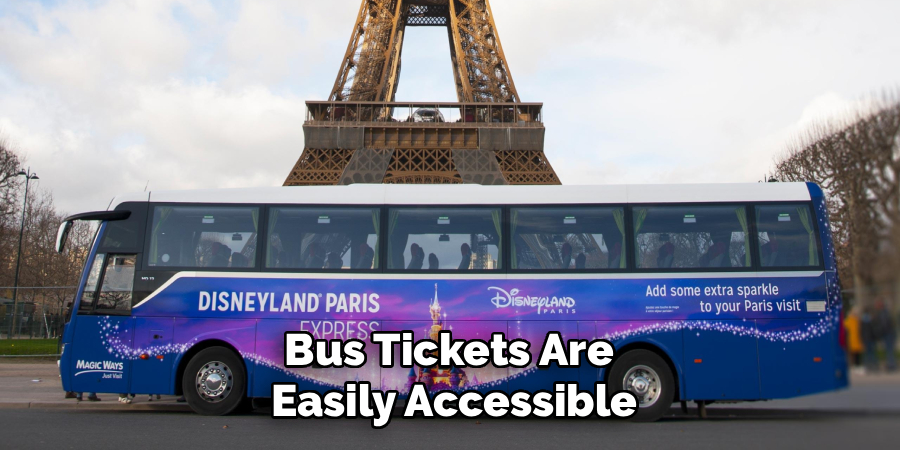
The Disneyland Paris Express is a specialized shuttle package that combines your transport and park tickets. It departs from designated tourist spots in the city, such as the Eiffel Tower and Gare du Nord.
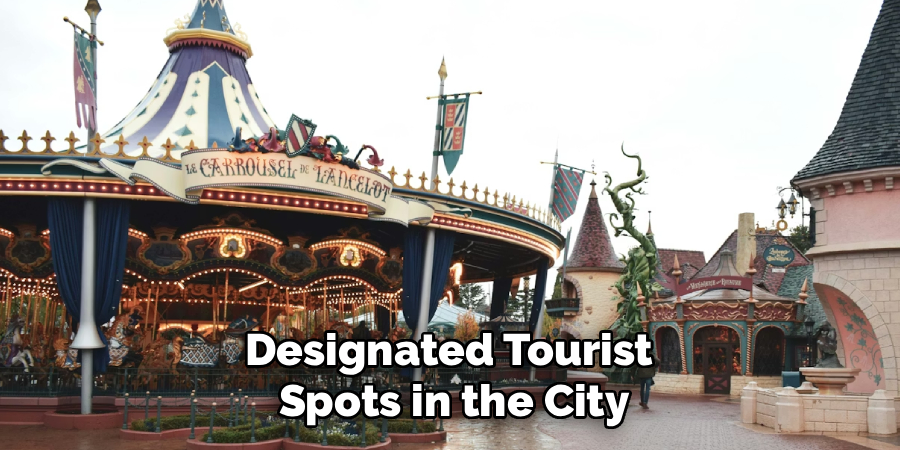
The bus ride takes about an hour to an hour and a half, dropping you off right at the gates. Pricing varies because it includes park admission, but the transport portion is generally mid-range.
Comfort is great, featuring spacious seating and a direct route with fellow park-goers. This is an excellent choice for travelers who want a seamless, all-in-one booking experience. Make sure to arrive at your pickup point at least 15 minutes early.
Step 6: Use the TGV High-Speed Train from the Airport
If you are skipping the city center and heading straight from Charles de Gaulle Airport, the TGV is incredible. This high-speed train connects the airport terminals directly to the Marne-la-Vallée station in record time.
The actual travel time is a stunning 10 to 12 minutes once you are on board. Tickets generally range from 17 to 30 euros, depending on how early you purchase them.
Comfort is premium, with spacious seating and a smooth, incredibly fast ride. This is absolutely the best step for international arrivals wanting to drop their bags at the resort immediately. Booking this ticket months in advance secures the lowest possible price.
Pros and Cons of Each Travel Option
Every transportation method has its own distinct advantages and disadvantages to consider. Trains offer incredible speed and skip highway traffic, but they can be crowded and require navigating large stations.
Shuttle buses provide great convenience and comfortable seating, but they are often slower due to road congestion. Private cars and rideshares give you ultimate flexibility and door-to-door service, yet they come with a much higher price tag.
Renting a vehicle lets you travel on your own schedule, but you must deal with parking fees and navigating foreign roads. Evaluating your priorities will easily highlight which method suits your travel style best.
Best Way to Travel
The RER A train remains the best overall travel option for the vast majority of visitors. It perfectly balances speed, affordability, and consistent reliability throughout the day.
Since trains depart every few minutes, you never have to worry about missing a strict boarding time. You also completely avoid the unpredictable highway traffic that often delays buses and cars.

While it might not have the luxury of a private driver, it gets you to the magic efficiently. This makes it the most practical choice for average travelers wanting a stress-free journey.
Cheapest Way to Travel
Taking the RER A train is also the lowest-cost travel option available. A single adult ticket costs just a few euros, making it exceptionally friendly for tight budgets.
It is so affordable because it is part of the standard public transit network rather than a private tourist service. The only trade-off is that you might have to stand if you travel during the morning commuter rush.
Trains run from early morning until past midnight, giving you plenty of flexibility. To save even more time and hassle, purchase a special daily transit pass if you plan on exploring more of the city later.
Fastest Way to Travel
If you are already in the city center, a private taxi or rideshare is often the fastest door-to-door option. Without needing to walk to a station or wait for train schedules, you get on the road instantly.
The total travel time can be as low as 40 minutes when traffic is clear. However, if you are traveling directly from the CDG airport, the TGV high-speed train is unbeatable at just 12 minutes.
You must weigh the high speed of these options against their increased monetary cost. Both direct transport methods are perfect when your primary goal is maximizing your time in the park.
Travel Documents You Must Carry
Always carry your valid Passport or National ID card when moving around the region. Depending on your home country, you may also need to keep a valid tourist visa handy.
Ensure your flight, train, or bus tickets are easily accessible, preferably downloaded to your phone with printed backups. Having your hotel booking confirmation readily available makes check-in processes much smoother.
Keep a digital or physical copy of your travel insurance policy in case of unexpected medical needs. Do not forget your driver’s license if you plan on renting a car, along with your primary debit or credit cards. Keeping everything organized in a secure travel folder brings great peace of mind.
Estimated Budget & Money-Saving Tips
An overall estimated transport budget can range from 15 euros for public transit to over 100 euros for private cars. If you take the train and pack your own snacks, a mid-range daily travel budget is very manageable.
You can save significant money by booking high-speed trains or shuttle buses several months in advance. Traveling during off-peak seasons or on weekdays also helps lower accommodation and transit costs.
Relying on public transportation is always the smartest way to keep your expenses low. Look into regional visitor passes that offer discounted rides across the entire transit network.
Currency & Money Management
The local currency used throughout the region and inside the theme park is the Euro. It is very helpful to have a basic understanding of your home currency’s exchange rate before you arrive.
Major credit and debit cards, along with contactless mobile payments, are accepted almost everywhere you go. ATMs are widely available at train stations, airports, and directly inside the resort areas.
It is still wise to carry a small amount of cash for tipping or buying items from small vendors. To avoid excessive conversion fees, use a travel card with zero foreign transaction charges. Always keep your cash and cards in separate, secure pockets to protect your funds.
Internet & WiFi Availability
Public WiFi is highly accessible at airports, major train stations, and throughout the theme park itself. The general internet speed is quite reliable, though it can slow down in heavily crowded areas.
Most hotels and transit hubs offer free networks, while some premium services might require a small fee. Urban areas have excellent coverage, but signals may drop slightly on fast-moving trains.
Using an international eSIM or local mobile data plan is a great backup strategy. Always avoid checking bank accounts or entering passwords when connected to unsecured public networks.
Travel Tips
Planning your route and booking tickets well in advance guarantees a much smoother journey. Always arrive at train stations or shuttle stops a bit early to navigate the crowds without panicking.
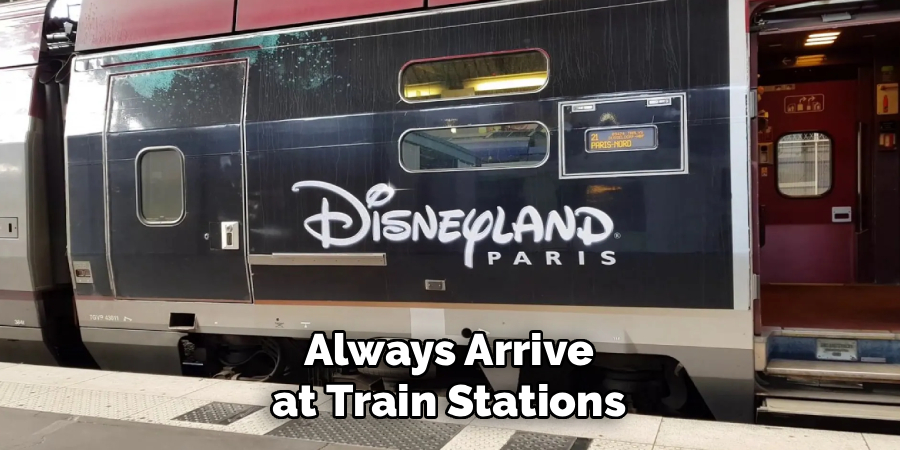
Keep your important documents and daily itinerary easily accessible in a small day bag. Packing light ensures you can move through ticket gates and security checkpoints with ease.
Check the local weather forecast the night before so you can bring umbrellas or extra layers if needed. Downloading local transit apps will provide you with real-time updates and platform changes.
Travel Safety, Common Scams & Mistakes to Avoid
General travel safety awareness is highly encouraged when navigating busy European transit hubs. Be on the lookout for common scams, such as unofficial taxis or individuals selling fake transit tickets near stations.
Always stay alert and only purchase your tickets from official machines or authorized vendor desks. If someone approaches you aggressively offering to help with your luggage for money, politely decline and walk away.
Stick to verified rideshare apps and clearly marked public transportation to ensure a secure trip. Keep your valuables zipped safely in a cross-body bag, especially when standing on crowded trains.
Safety & Health Precautions
Maintaining good hygiene and staying hydrated are basic health tips that keep your vacation on track. Large crowds in unfamiliar areas can sometimes feel overwhelming, so take breaks when needed.
Carrying a small first-aid kit with bandages and standard pain relievers is always a smart idea. Choose bottled water and eat at reputable locations to avoid any unexpected stomach issues.
Keep emergency contacts saved in your phone and written down on a piece of paper. Practicing cautious, responsible behavior ensures you and your family have a wonderful, incident-free trip.
Emergency Contacts & Useful Links
If you face a serious emergency, dialing 112 connects you to police, fire, and ambulance services across Europe. It is also wise to look up and save the contact details for your home country’s local embassy or consulate.
Many transport services, like the regional rail network and airlines, have dedicated helplines for lost items or urgent transit issues. Saving these numbers in your phone before your trip saves valuable time during a stressful situation. You can also consult official local tourism boards for verified safety updates and transit maps.
Frequently Asked Questions
How to Travel From Paris to Disneyland Efficiently?
The most efficient way to travel is by taking the regional RER A train directly to the resort. It avoids all highway traffic and drops you off right at the front gates in about 40 minutes. This option balances excellent speed with a very affordable ticket price.
Does the shuttle bus operate every day?
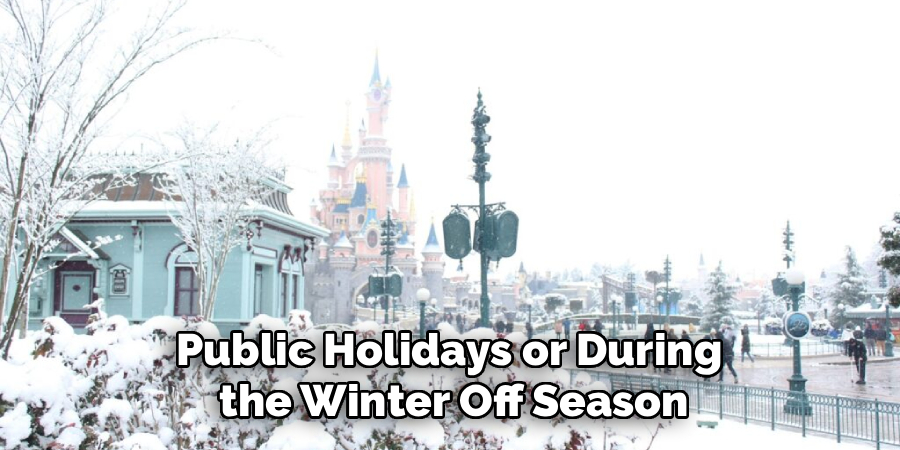
Yes, the dedicated shuttle buses operate daily, running frequently between the city, major airports, and the resort. However, schedules can fluctuate slightly on major public holidays or during the winter off-season. It is always best to check the official timetable online before you travel.
Can I use a rideshare app late at night?
Rideshare apps are readily available late into the evening and offer a safe way to return to your hotel. Be aware that prices often surge after the nightly fireworks show ends and large crowds exit the park. Booking ahead or waiting for the crowds to thin out can help lower the fare.
Conclusion
Understanding how to travel from Paris to Disneyland ensures your trip starts on a wonderfully positive note. You now know the fastest, cheapest, and most comfortable transport options available to you and your family.
By planning, securing your tickets, and organizing your documents, you remove all the typical transit stress. Have a fantastic time exploring the parks, and always remember to check the train schedules before heading back to the city!

About
Ethan Brooks is a dedicated travel writer and tourism specialist with over a decade of experience exploring more than 150 countries. His professional focus centers on city routes and budget travel, where he combines real-world travel insights with efficient planning strategies.
Ethan is known for creating smart, well-structured travel systems that are practical, cost-effective, and easy to follow. As a core author at thetraveliy.com, he helps both first-time travelers and experienced explorers plan smooth, confident journeys.
Education
The University of Queensland (Australia) Bachelor’s Degree in Tourism Management
-
Focus: Global tourism systems, destination planning, and travel operations.
-
Specialization: Gained practical knowledge in travel logistics, itinerary development, and tourism industry structures.
Publications and Impact
At thetraveliy.com, Ethan Brooks publishes clear, structured, and experience-driven content focused on:
-
Transportation Logistics: Navigating complex transit systems with ease.
-
Itinerary Planning: Creating time-efficient schedules for any destination.
-
Budget-Friendly Solutions: Maximizing value without sacrificing the experience.
Ethan’s work simplifies complex travel decisions, making it easier for readers to plan efficient and affordable trips. By blending practical advice with real-world experience, he helps travelers create well-organized journeys while saving both time and money.